TEL:
+86-0312-3189593
 English
 English


Lube oil testing kits represent a critical component in maintaining the efficiency, reliability, and longevity of machinery across diverse industries. From automotive and manufacturing to power generation and marine applications, regular oil analysis, facilitated by a comprehensive lube oil testing kit, is paramount for proactive maintenance and preventing catastrophic failures. The ability to quickly and accurately assess oil condition in the field, rather than relying solely on laboratory results, offers significant cost savings and reduced downtime.
The global demand for effective oil condition monitoring is steadily increasing, driven by factors such as the rising complexity of equipment, stricter environmental regulations, and the need to optimize operational costs. According to industry reports, the predictive maintenance market, heavily reliant on oil analysis, is projected to experience substantial growth in the coming years. This growth underscores the importance of accessible and reliable lube oil testing kits for businesses of all sizes.
Ultimately, investing in a robust oil analysis program, centered around a quality lube oil testing kit, translates to increased profitability, enhanced safety, and a reduced environmental footprint, making it an essential practice in today's competitive landscape.
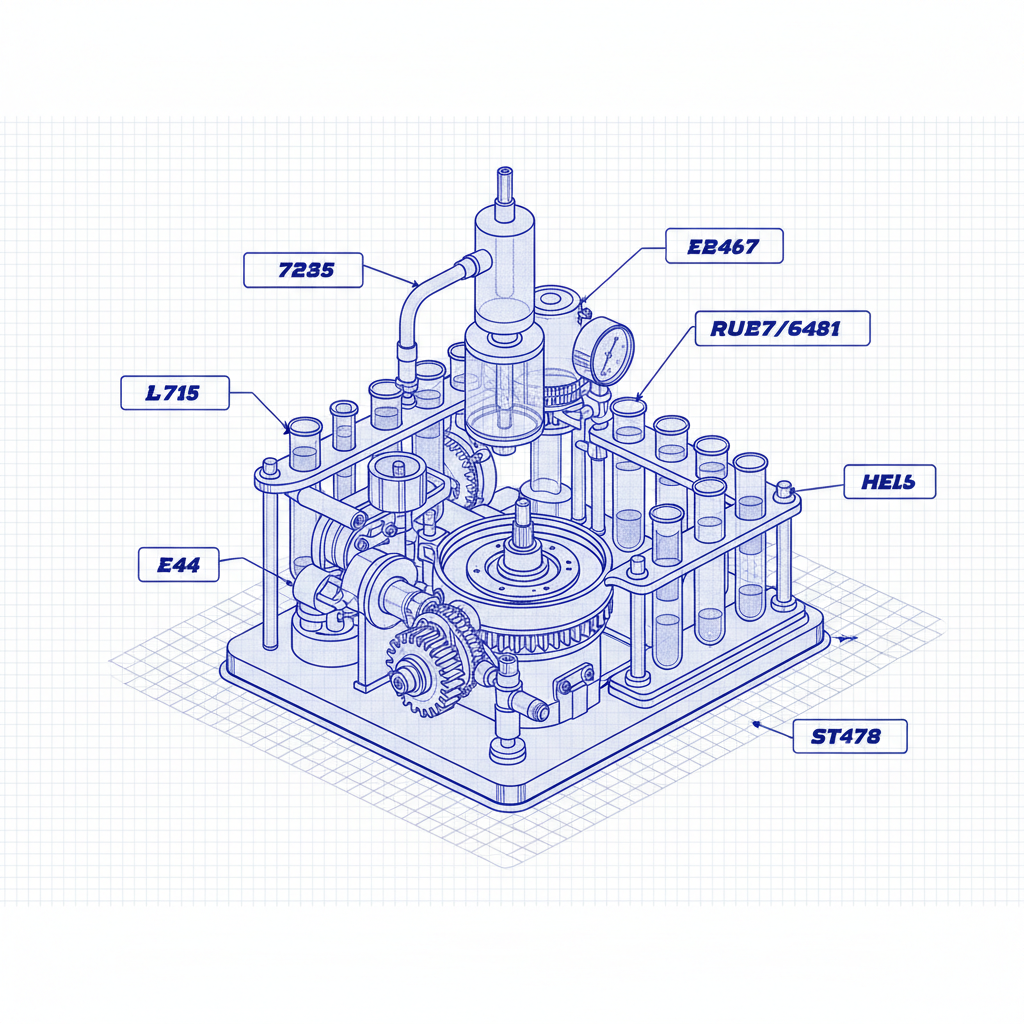
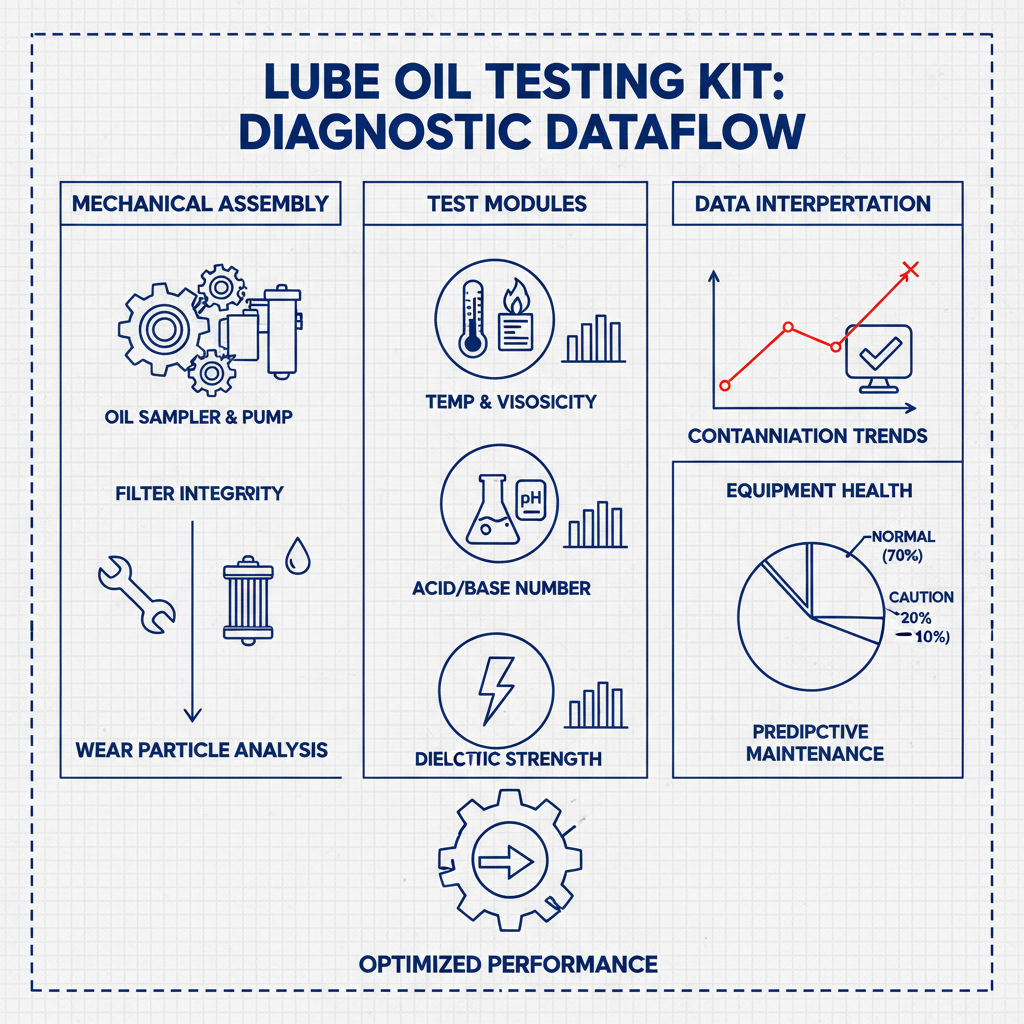
The proactive monitoring of lubricant condition through the use of a lube oil testing kit is arguably one of the most cost-effective maintenance strategies available. Early detection of contamination, wear debris, or oil degradation allows for timely intervention, preventing costly repairs or equipment replacements. This practice extends beyond simply prolonging equipment life; it directly impacts operational efficiency and reduces unexpected downtime.
A well-implemented oil analysis program, driven by a reliable lube oil testing kit, provides valuable insights into the internal health of machinery, allowing maintenance teams to make informed decisions based on concrete data rather than relying on scheduled maintenance intervals. This transition towards condition-based maintenance is a cornerstone of Industry 4.0 and smart manufacturing initiatives.
The lifespan of components within a lube oil testing kit varies significantly based on the quality of the components and the frequency of use. Consumables like test strips and reagents have expiration dates and must be replaced accordingly. Instruments like viscometers should be calibrated annually to maintain accuracy. Proper storage and handling also extend the lifespan of the kit’s components.
The frequency of oil analysis depends on the criticality of the equipment, the operating environment, and the type of lubricant used. As a general guideline, routine analysis should be performed every 3-6 months for critical equipment. More frequent testing may be necessary for equipment operating under severe conditions or using sensitive lubricants. Starting with a baseline analysis and then trending over time is the best practice.
While a lube oil testing kit can detect common contaminants like water, dirt, and fuel dilution, identifying all types of contamination requires more comprehensive laboratory analysis. Advanced kits can identify certain wear metals, but specialized testing is needed for less common contaminants like glycol or process chemicals.
Yes, proper training is highly recommended to ensure accurate and reliable results. Understanding the correct sampling procedures, testing protocols, and interpretation of results is crucial for making informed maintenance decisions. Many lube oil testing kit manufacturers offer training programs or online resources.
Field-based oil analysis with a lube oil testing kit provides faster results, allowing for immediate corrective actions. It eliminates the time and cost associated with sample shipping and laboratory turnaround times. It also enables on-site troubleshooting and proactive maintenance, particularly in remote locations or during critical operations.
Interpreting results requires understanding the normal operating parameters for your equipment and lubricant. Look for trends and deviations from baseline values. Increased viscosity, high water content, or the presence of wear metals are all indicators of potential problems. Consult the kit's documentation and seek expert advice if you are unsure about the meaning of the results.
In conclusion, a lube oil testing kit is an indispensable tool for proactive maintenance and reliable equipment operation across a wide spectrum of industries. By enabling timely detection of oil degradation and contamination, these kits empower maintenance teams to optimize performance, reduce costs, and extend equipment lifespan. Embracing oil analysis is no longer a luxury but a necessity in today’s competitive and demanding operating environments.
Looking ahead, the integration of advanced technologies like AI and wireless sensors will further enhance the capabilities of lube oil testing kits, transforming oil analysis from a reactive practice to a predictive one. Investing in a robust oil analysis program is a strategic investment that yields significant returns in terms of efficiency, reliability, and sustainability. Visit our website: www.pushtester.com for more information.