TEL:
+86-0312-3189593
 English
 English


Transformer oil, a crucial component in the efficient operation of power transformers, necessitates regular testing to ensure reliability and prevent costly failures. The transformer oil tester price varies significantly depending on the features, accuracy, and automation levels offered by different manufacturers. Understanding this price landscape is essential for utility companies, electrical contractors, and laboratories seeking to invest in quality testing equipment. The investment in a reliable transformer oil tester directly translates to reduced downtime, extended transformer lifespan, and enhanced grid stability, making it a critical asset in the energy sector.
Globally, the demand for robust transformer oil testing is driven by aging infrastructure, increasing energy consumption, and stringent regulatory standards. According to data from the International Energy Agency (IEA), global electricity demand is projected to grow by 60% by 2050. This expansion places immense pressure on existing transformer networks, requiring proactive maintenance and monitoring. The transformer oil tester price, while a significant upfront cost, pales in comparison to the economic consequences of a transformer failure, including power outages, equipment damage, and safety hazards.
The rising adoption of smart grid technologies further fuels the need for advanced oil testing capabilities. Real-time data analysis and predictive maintenance, enabled by sophisticated testers, are becoming integral to modern power system management. Investing in the right transformer oil tester price is therefore not merely an expense, but a strategic investment in the future of a resilient and sustainable energy infrastructure.
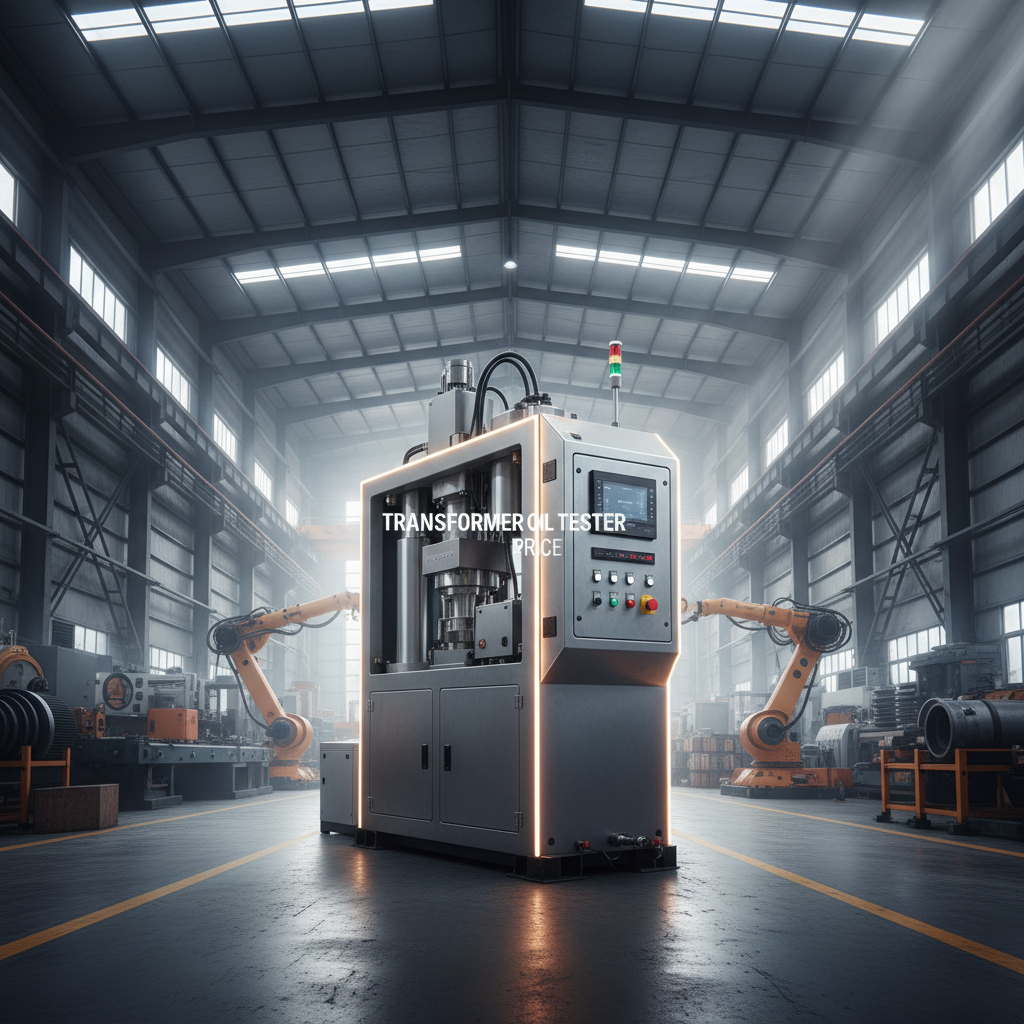
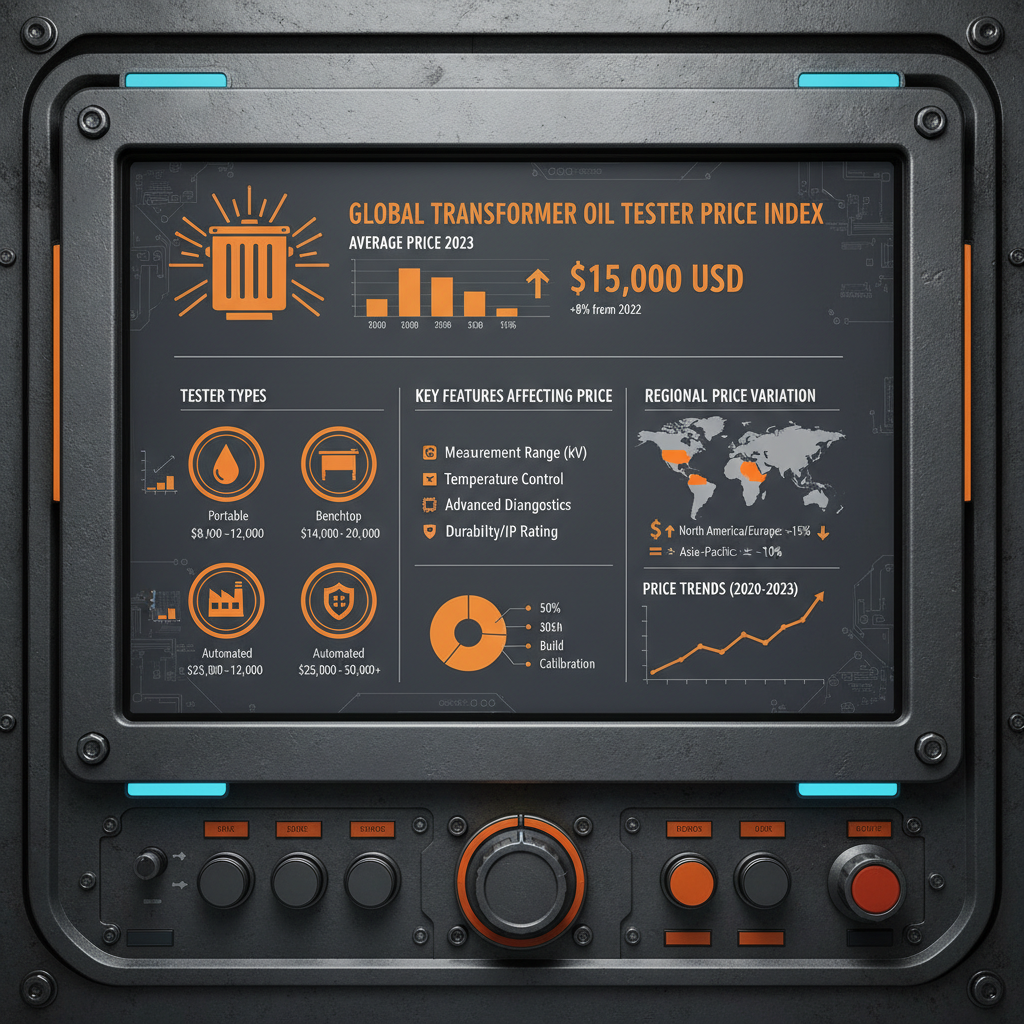
The transformer oil tester price is a multifaceted consideration, influenced by the sophistication of the testing capabilities offered. Basic dielectric breakdown voltage testers represent the entry-level price point, typically ranging from a few thousand dollars. These units primarily assess the oil's ability to withstand electrical stress.
However, comprehensive oil analysis requires testers capable of measuring a wider range of parameters, including dissolved gas analysis (DGA), moisture content, acidity, interfacial tension, and oxidation levels. These advanced testers, featuring spectrophotometers, Karl Fischer titrators, and gas chromatographs, command a significantly higher price, often exceeding $20,000 to $50,000 or more.
The lifespan of a transformer oil tester largely depends on the quality of its construction and how well it’s maintained. A well-built tester from a reputable manufacturer, with regular calibration and proper handling, can easily last 10-15 years or even longer. Cheaper, lower-quality testers may have a significantly shorter lifespan, often only 5-7 years. Investing in a higher transformer oil tester price often means a longer-lasting, more reliable instrument.
The training requirement varies depending on the complexity of the tester. Basic breakdown voltage testers are relatively straightforward to operate with minimal training. However, advanced testers capable of DGA and other complex analyses require more comprehensive training to ensure accurate results and proper interpretation. Many manufacturers offer training programs, and online resources are available. Proper training is crucial to maximizing the value of your transformer oil tester price investment.
Calibration is essential for maintaining the accuracy of your transformer oil tester. Generally, annual calibration is recommended for most instruments, although the frequency may vary depending on the manufacturer's recommendations and the specific testing requirements. Regular calibration ensures that the readings are reliable and compliant with industry standards. The cost of calibration should be factored into the overall transformer oil tester price.
Offline testing involves taking an oil sample and analyzing it in a laboratory, while online testing utilizes sensors installed directly on the transformer to monitor oil condition in real-time. Online testing provides continuous monitoring and faster detection of anomalies, but is typically more expensive to implement. Offline testing is more cost-effective for routine analysis. The choice depends on your specific needs and budget, and impacts the types of transformer oil tester price solutions you'll consider.
Key parameters include dissolved gas analysis (DGA) to detect internal faults, moisture content to assess insulation integrity, acidity to identify oil degradation, and breakdown voltage to measure dielectric strength. Interfacial tension and oxidation levels are also important indicators of oil condition. The transformer oil tester price will largely depend on the number of parameters it can accurately measure.
Consider the supplier's reputation, the quality of their equipment, the availability of after-sales support (including calibration and maintenance services), and their pricing. Look for suppliers who offer comprehensive training programs and can provide expert advice on selecting the right tester for your needs. A reliable supplier will ensure that your transformer oil tester price delivers long-term value and accurate results.
In conclusion, understanding the transformer oil tester price landscape is crucial for ensuring the reliable and efficient operation of electrical power systems. Investing in quality testing equipment is a proactive step towards preventing costly failures, extending transformer lifespan, and enhancing grid resilience. The features, accuracy, and automation level of the tester significantly influence the price.
Looking ahead, advancements in sensor technology, AI, and remote monitoring will continue to shape the future of transformer oil testing. By embracing these innovations and partnering with reputable suppliers, organizations can optimize their maintenance programs and safeguard their valuable transformer assets. Visit our website at www.pushtester.com to explore our range of transformer oil testing solutions.