EnglishEnglish
0%

Table of Contents

The analysis of transformer oil is crucial for maintaining the reliability and longevity of electrical grids worldwide. Dissolved Gas Analysis (DGA) testing for transformer oil stands as a cornerstone preventative maintenance technique, enabling early detection of developing faults within oil-filled electrical equipment. This proactive approach minimizes downtime, prevents catastrophic failures, and safeguards substantial investments in critical infrastructure.

Globally, the demand for reliable energy transmission and distribution is ever-increasing. With aging infrastructure and growing load demands, the need for sophisticated diagnostic tools like DGA testing for transformer oil becomes paramount. Organizations such as the IEEE and IEC establish stringent standards for transformer maintenance, underscoring the importance of regularly monitoring oil condition to ensure grid stability and prevent costly outages. Investing in proactive maintenance with DGA is far more cost-effective than dealing with the consequences of unplanned equipment failure.

DGA testing for transformer oil is a sophisticated diagnostic method used to assess the health of transformers by analyzing the gases dissolved in the transformer oil. These gases, produced by the decomposition of oil and solid insulation materials under thermal and electrical stress, provide valuable insights into the type and severity of developing faults. This allows maintenance personnel to address issues before they escalate, ultimately extending the lifespan of the transformer and preventing significant disruptions to power supply.
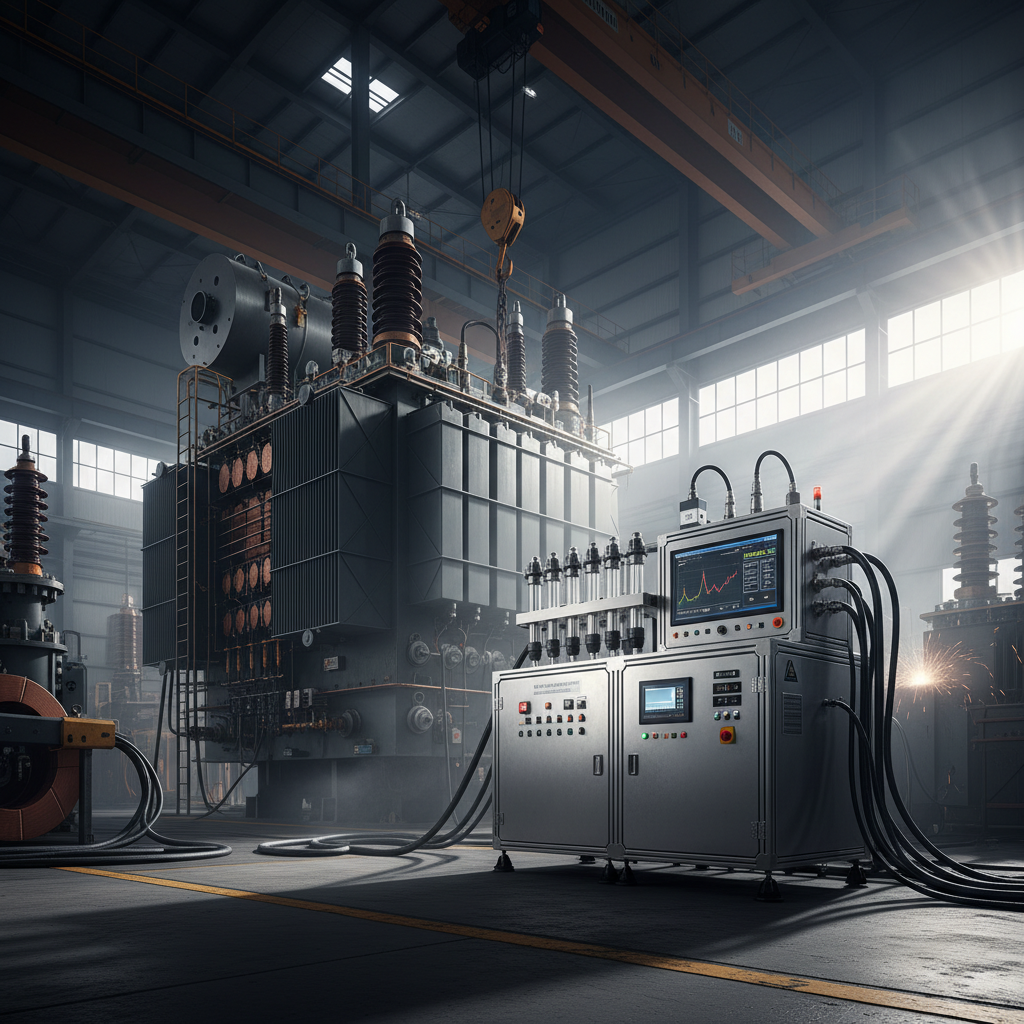

Comprehensive DGA Test for Transformer Oil Ensuring Grid Reliability and Longevity

Introduction to dga test for transformer oil

Comprehensive DGA Test for Transformer Oil Ensuring Grid Reliability and Longevity

DGA testing provides a comprehensive evaluation of transformer health, going beyond simple oil quality checks. It identifies the specific types and quantities of dissolved gases, such as hydrogen, methane, ethane, ethylene, acetylene, carbon monoxide, and carbon dioxide. Each gas is indicative of different types of faults, allowing for accurate diagnosis.

Effective implementation of dga test for transformer oil requires skilled technicians and accurate laboratory analysis. Proper sampling techniques, adherence to industry standards (like ASTM and IEC), and careful interpretation of results are essential to avoid misdiagnosis and ensure the longevity of the transformer. Utilizing advanced software tools can significantly aid in interpreting complex gas ratios and identifying potential problems.

The Global Significance of DGA Testing

The reliability of electrical power is fundamental to modern society. Global energy consumption continues to rise, placing increasing strain on aging electrical infrastructure. The economic impact of power outages can be substantial, affecting industries, businesses, and essential services. DGA testing for transformer oil plays a vital role in mitigating these risks by proactively identifying and addressing potential transformer failures.

According to the U.S. Energy Information Administration, maintaining a stable electricity grid requires constant monitoring and preventative maintenance. Failures in large power transformers can result in widespread blackouts and significant economic losses. DGA testing helps utilities adhere to regulatory requirements, reduce downtime, and improve overall grid resilience.

The International Electrotechnical Commission (IEC) and the Institute of Electrical and Electronics Engineers (IEEE) have established comprehensive guidelines and standards for DGA testing, promoting best practices and ensuring consistent quality across the industry. These standards are widely adopted globally, making dga test for transformer oil a universally recognized and trusted diagnostic method.

Defining dga test for transformer oil

DGA testing for transformer oil is a condition monitoring technique that analyzes the dissolved gases within the transformer oil. These gases are produced by the degradation of the oil and solid insulation materials when subjected to thermal or electrical stresses. By identifying the type and concentration of these gases, technicians can diagnose the underlying fault mechanisms within the transformer.

The process typically involves extracting an oil sample from the transformer, sending it to a specialized laboratory, and using gas chromatography to separate and quantify the dissolved gases. The results are then compared to historical data and industry standards to determine the severity of the problem and recommend appropriate actions.

The core principle behind dga test for transformer oil lies in the unique gas generation patterns associated with different fault types. For example, a high concentration of acetylene indicates arcing, while high levels of hydrogen suggest partial discharge or overheating. This allows for pinpoint accuracy in diagnosing the root cause of the issue.

Key Factors in DGA Interpretation

Interpreting DGA results accurately requires understanding several key factors. Gas ratios, such as the hydrogen-to-nitrogen ratio, provide valuable clues about the fault type and severity. Trending gas levels over time helps identify developing faults and assess the rate of degradation.

The Duval Triangle is a widely used graphical tool that helps categorize faults based on the concentrations of total combustible gases, hydrogen, and carbon monoxide. Other diagnostic methods, such as Key Gas Analysis, utilize specific gas ratios to pinpoint the likely fault mechanism.

DGA Test Methods Comparison


Global Applications of DGA Testing

DGA testing is applied across a wide spectrum of industries and geographical locations. Utilities, power generation companies, petrochemical plants, and industrial facilities all rely on DGA to maintain the integrity of their transformer assets. In developed nations, DGA is often integrated into comprehensive asset management programs.

In developing countries, where grid infrastructure may be less maintained, DGA can be particularly valuable in preventing catastrophic failures and ensuring a reliable power supply. Remote industrial zones, such as mining operations and oil platforms, also benefit from DGA testing due to the challenges of accessing and repairing transformers in these locations.

Advantages and Long-Term Value of DGA

The advantages of implementing a regular DGA testing program are significant. Early fault detection prevents costly repairs and downtime. Extending the lifespan of transformers reduces capital expenditure on replacements. Improved grid reliability enhances power quality and reduces the risk of widespread outages.

Beyond the economic benefits, DGA contributes to enhanced safety by preventing catastrophic transformer failures, which can pose significant hazards. By proactively identifying and addressing potential issues, dga test for transformer oil promotes a culture of safety and reliability, fostering trust in the power grid.

Future Trends in dga test for transformer oil

The future of DGA testing is being shaped by advancements in technology and a growing emphasis on digitalization. Online DGA monitoring systems provide real-time data and alerts, enabling proactive maintenance and reducing the need for manual sampling. Machine learning algorithms are being developed to automate the interpretation of DGA results and improve diagnostic accuracy.

Integrating DGA data with other asset management systems, such as Geographic Information Systems (GIS) and Enterprise Asset Management (EAM) platforms, provides a holistic view of transformer health and facilitates data-driven decision-making. The increasing adoption of renewable energy sources and smart grids will further drive the demand for advanced DGA technologies.

Summary of DGA Testing Parameters and Actions

Gas Type Fault Indication Severity Level (1-5) Recommended Action
Hydrogen (H2) Partial Discharge, Overheating 3 Monitor Gas Levels, Investigate potential insulation issues
Methane (CH4) Cellulosic Insulation Degradation 4 Oil analysis to assess paper degradation, plan for oil filtration or replacement
Ethylene (C2H4) Partial Discharge, Overheating 2 Routine monitoring, check for moisture content in the oil
Acetylene (C2H2) Arcing, Corona Discharge 5 Immediate investigation, offline inspection to locate arcing sources
Carbon Monoxide (CO) Cellulosic Insulation Degradation, Hot Spots 3 Monitor gas levels, thermal imaging to identify hot spots
Carbon Dioxide (CO2) Oil Oxidation, Low-Temperature Thermal Degradation 1 Routine monitoring, check oil quality parameters

FAQS

What is the typical turnaround time for dga test for transformer oil results?

The typical turnaround time for DGA testing results can vary depending on the laboratory and the complexity of the analysis. However, most laboratories aim to provide preliminary results within 24-48 hours, with a comprehensive report delivered within 5-7 business days. Factors affecting turnaround time include sample volume, lab workload, and the need for additional tests like oil quality analysis.

How often should I perform dga test for transformer oil on my transformers?

The frequency of DGA testing depends on the transformer’s age, load, and operating conditions. As a general guideline, first-time testing should be performed on all new or commissioned transformers. Subsequent testing intervals are typically recommended as follows: annual testing for critical transformers, bi-annual testing for important transformers, and every 3-5 years for less critical units. Increased frequency is recommended if previous tests show abnormal gas levels.

What are the potential consequences of ignoring abnormal dga test for transformer oil results?

Ignoring abnormal DGA results can have severe consequences, including transformer failure, power outages, costly repairs, and potential safety hazards. Continuing to operate a transformer with a developing fault can lead to catastrophic damage, resulting in extended downtime and significant economic losses. Addressing issues promptly based on DGA findings minimizes risks and extends the transformer's lifespan.

Can dga test for transformer oil detect water contamination in transformer oil?

While DGA primarily focuses on analyzing dissolved gases, it can indirectly indicate water contamination. The presence of water accelerates oil degradation and can influence the generation of certain gases, such as hydrogen. However, a dedicated water content test (ppm measurement) is required for a precise assessment of water levels in the transformer oil. It’s best to perform both DGA and water content analysis for a comprehensive evaluation.

What safety precautions should be taken when collecting an oil sample for dga test for transformer oil?

Safety is paramount when collecting oil samples. Wear appropriate personal protective equipment (PPE), including gloves, safety glasses, and a protective suit. Ensure the sampling area is well-ventilated. De-energize and isolate the transformer before sampling whenever possible. Follow the manufacturer's instructions for the sampling valve and use appropriate sampling techniques to avoid contamination. Properly dispose of used oil and sampling materials according to local regulations.

How does online dga test for transformer oil monitoring differ from laboratory analysis?

Online DGA monitoring provides continuous, real-time gas analysis, alerting operators to changes in gas levels as they occur. Laboratory analysis involves periodic sampling and offline testing, offering a snapshot of the transformer’s condition at a specific point in time. Online monitoring allows for proactive intervention, while laboratory analysis provides a more detailed and comprehensive assessment. Many utilities utilize a combination of both methods for optimal transformer management.

Conclusion

In conclusion, dga test for transformer oil is an indispensable tool for ensuring the reliability and longevity of electrical power systems. By proactively identifying developing faults and enabling timely maintenance, it minimizes downtime, prevents catastrophic failures, and safeguards critical infrastructure. The continued advancements in DGA technology, coupled with increasing demands for grid stability, solidify its importance in the modern energy landscape.

Looking ahead, embracing digitalization and integrating DGA data with asset management systems will unlock even greater value. Investing in regular dga test for transformer oil not only protects financial assets but also ensures a safe and reliable power supply for communities and industries worldwide. To learn more about our DGA testing services and how we can help optimize your transformer maintenance program, visit our website: www.pushtester.com.

William Davis

William Davis

William Davis is a Sales Engineer at Baoding Push, responsible for building and maintaining relationships with key clients. He possesses a deep understanding of our product lines, including our range of power testing equipment, and tailors solutions to meet individual customer needs. William is a strong advocate for our 'Technological
Previous DGA Transformer Oil Analysis for Reliable Power System Maintenance
Next Comprehensive Guide to Transformer Oil Testing Equipment and Maintenance