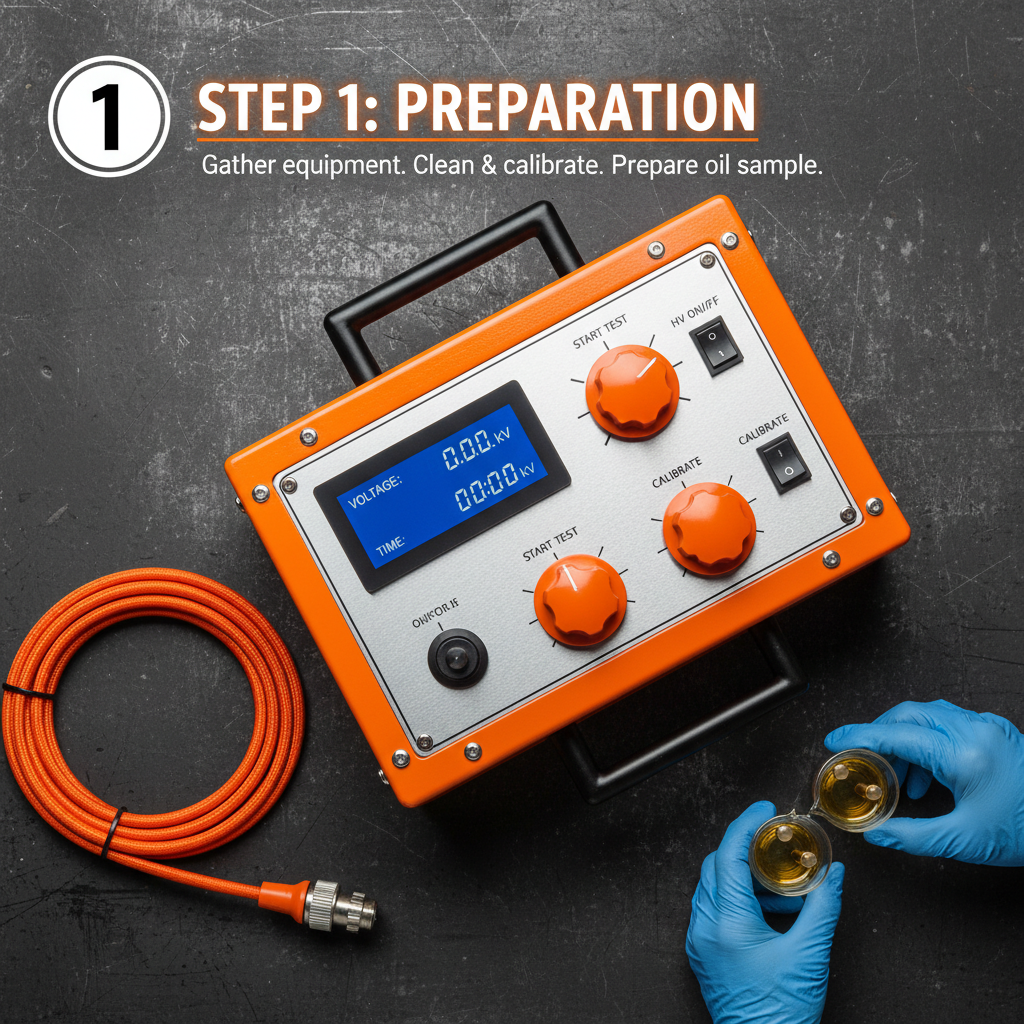
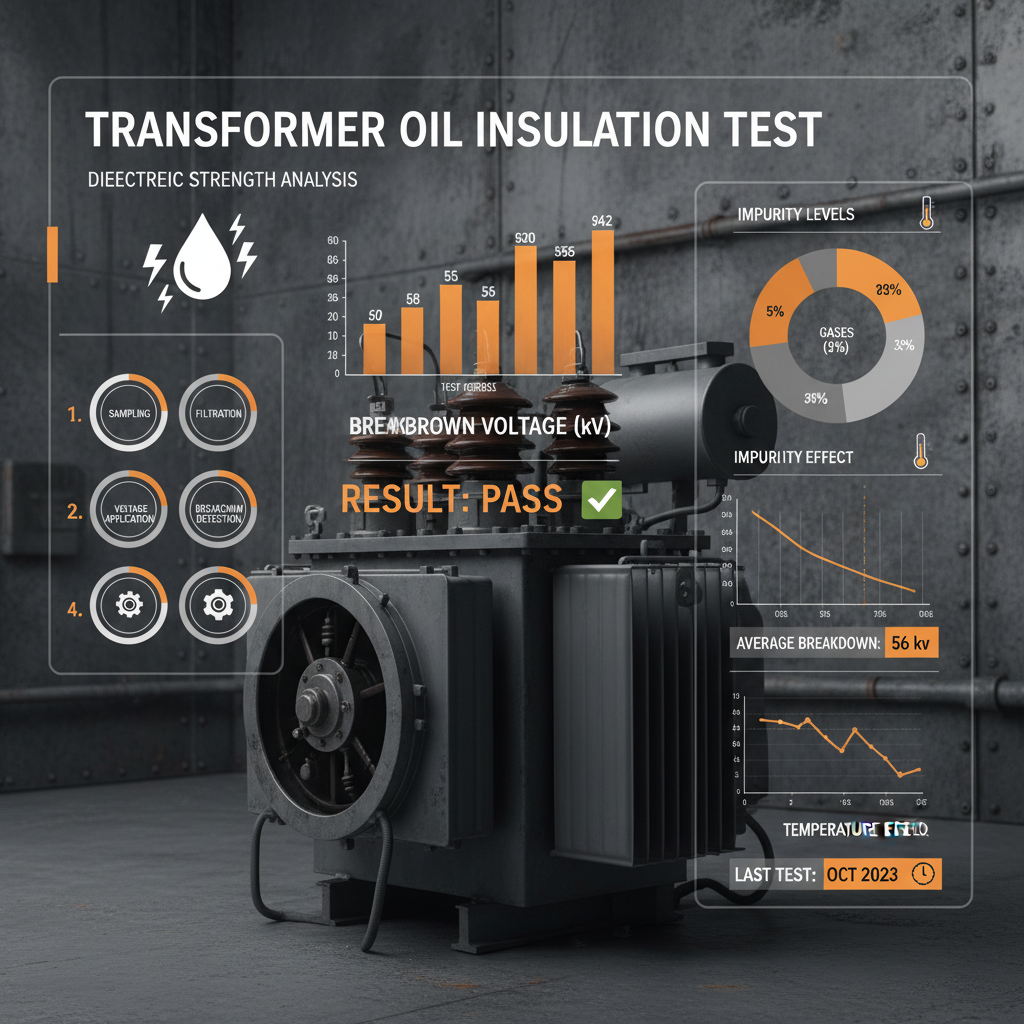
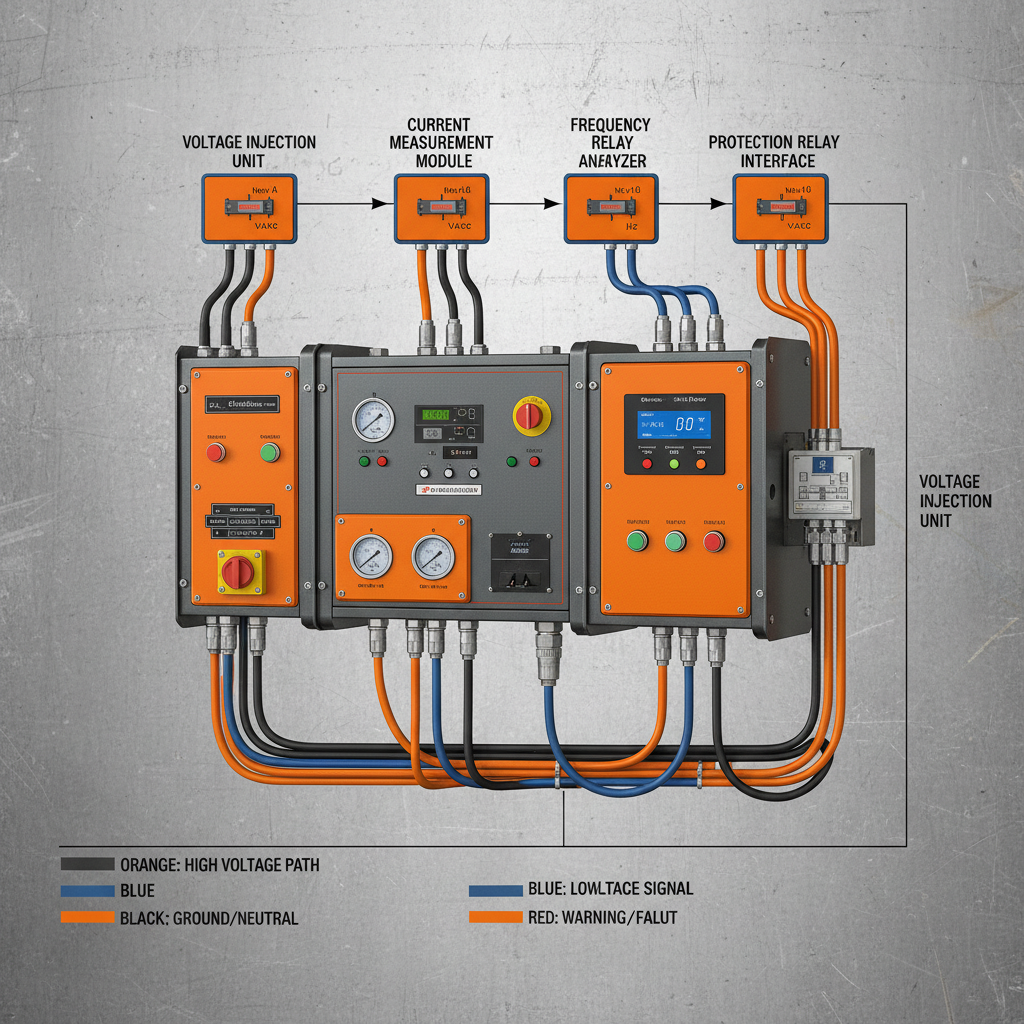
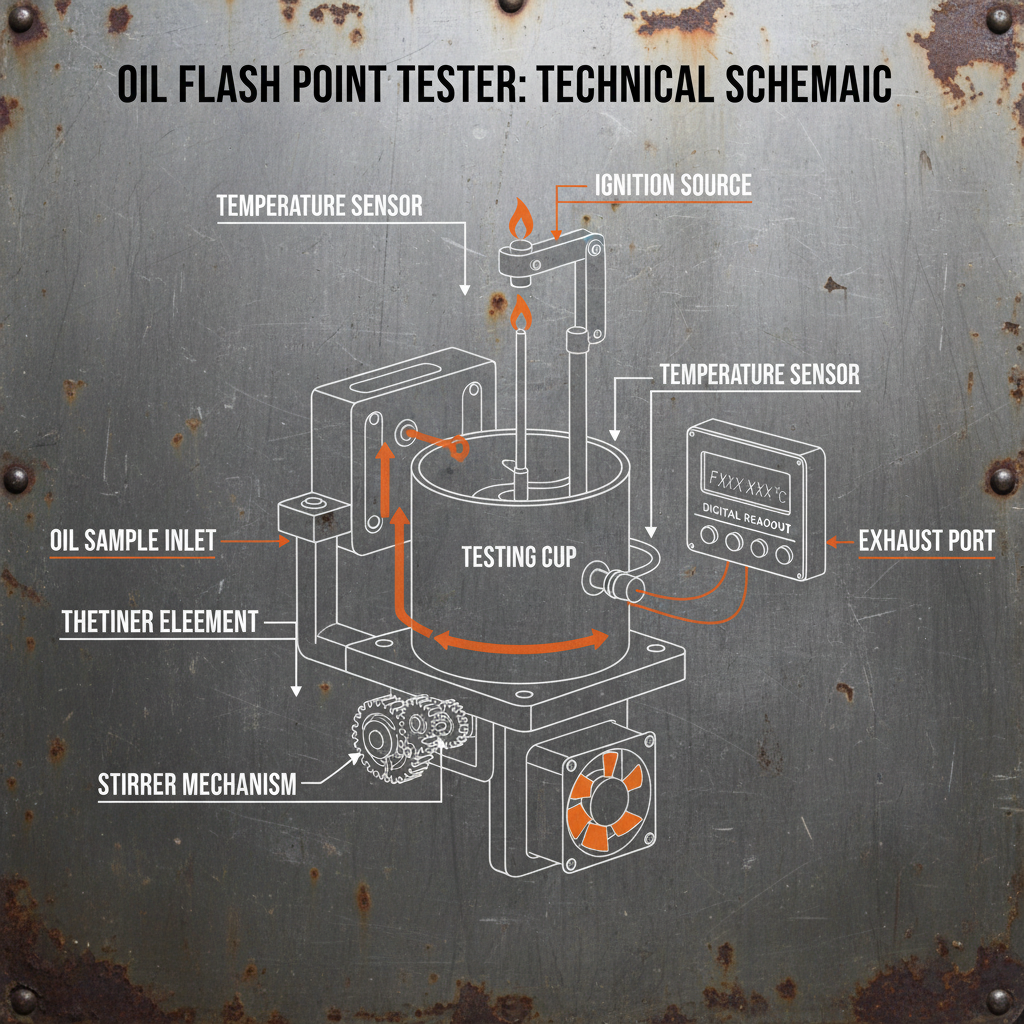
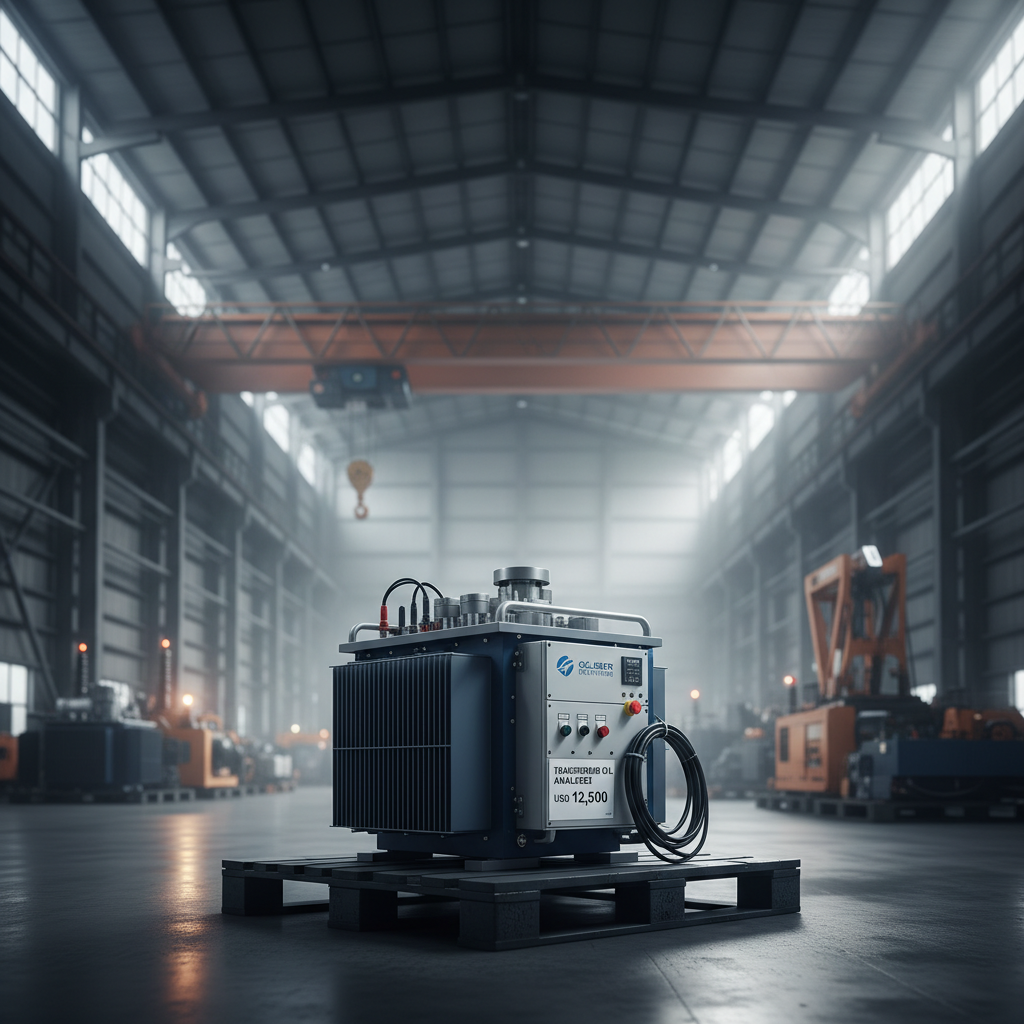
Transformer oil, a critical component in the reliable operation of power transformers, plays a vital role in both cooling and insulating the core and windings. The integrity of this oil directly impacts the longevity and efficiency of these essential pieces of electrical infrastructure. Therefore, regular transformer oil insulation testing is paramount to identify potential issues before they escalate into costly failures or even catastrophic events. This practice ensures grid stability and minimizes downtime, ultimately contributing to a more resilient power supply.
Globally, the demand for reliable electricity is constantly increasing, driven by population growth, industrial expansion, and the electrification of various sectors. As transformers operate under increasingly stressful conditions, the need for proactive maintenance and diligent transformer oil insulation testing becomes even more critical. The economic consequences of transformer failures can be substantial, impacting industries, communities, and national economies.
Advances in testing technologies and analytical techniques are continually improving our ability to assess the condition of transformer oil and predict potential failures. Implementing robust transformer oil analysis programs, including regular transformer oil insulation tests, is a key component of asset management strategies for utilities and industrial facilities worldwide.
Introduction to Transformer Oil Insulation Testing
Transformer oil serves a dual purpose within a transformer: it dissipates heat generated during operation and provides crucial electrical insulation between energized components. Degradation of the oil, through contamination or aging, compromises both these functions, leading to increased risk of failure. Routine transformer oil insulation testing allows operators to proactively identify and address these issues.
Comprehensive testing isn't limited to simple dielectric strength measurements. Modern analysis includes assessing properties like dissolved gas analysis (DGA), moisture content, acidity, interfacial tension, and oxidation levels. Each of these parameters provides valuable insights into the condition of the oil and the transformer itself, allowing for informed maintenance decisions and preventing unscheduled outages.
Defining Transformer Oil Insulation Tests
A transformer oil insulation test, at its core, evaluates the ability of the oil to withstand electrical stress without breaking down and allowing current to flow. This is typically measured as dielectric strength, expressed in kilovolts (kV). However, a complete insulation assessment goes far beyond this single metric.
Modern testing protocols encompass a suite of analytical techniques, including DGA, which identifies gases dissolved in the oil that are produced by the decomposition of oil and solid insulation materials. The presence and concentration of these gases can indicate specific types of faults, such as overheating, partial discharge, or arcing.
These tests are fundamentally linked to ensuring the reliable operation of power grids and industrial facilities. A failure in a transformer can lead to widespread power outages, significant economic losses, and even safety hazards. Proactive oil analysis, including regular transformer oil insulation testing, is therefore a cornerstone of preventative maintenance programs.
Core Factors in Transformer Oil Analysis
Several key factors dictate the effectiveness and interpretation of transformer oil analysis. Moisture content, even in small amounts, drastically reduces the dielectric strength of the oil and accelerates the degradation of solid insulation. Accurate moisture measurement is therefore a critical component of any assessment.
Acidity, measured as neutralization number, indicates the level of oxidation products in the oil. Increasing acidity signifies oil degradation and can lead to corrosion of metallic components within the transformer. Interfacial tension, which measures the attraction between oil and water, is another important indicator of oil quality. A low interfacial tension suggests the presence of contaminants or oxidation products.
Finally, the presence of particulate matter, such as carbon, cellulose, and metal particles, can also compromise the insulation properties of the oil. Regular filtration and analysis for particulate contamination are essential for maintaining optimal transformer performance. The combined assessment of these factors provides a comprehensive picture of the oil's condition and the transformer's overall health.
Global Applications and Industry Use Cases
Transformer oil insulation testing is universally applied across all sectors utilizing high-voltage transformers, including power generation, transmission, and distribution utilities. These utilities rely on consistent, reliable power delivery and employ rigorous testing programs to minimize disruptions.
Industrial facilities, such as petrochemical plants, manufacturing complexes, and data centers, also heavily rely on transformers to power their operations. Unplanned transformer outages can result in significant production losses and costly downtime, making regular oil analysis a crucial component of their maintenance strategies.
In remote locations and developing countries, where access to skilled technicians and replacement transformers may be limited, proactive oil analysis becomes even more critical. Early detection of potential problems allows for timely repairs and prevents catastrophic failures, ensuring a continuous power supply for essential services and economic development.
Transformer Oil Insulation Test Methods & Effectiveness
Advantages and Long-Term Value
The primary advantage of consistent transformer oil insulation testing lies in preventing catastrophic failures and extending the lifespan of valuable transformer assets. This translates directly into significant cost savings by avoiding expensive repairs or replacements.
Beyond cost benefits, a proactive oil analysis program enhances grid reliability and minimizes disruptions to power supply, benefiting both businesses and consumers. Furthermore, it promotes sustainability by reducing the need for frequent transformer replacements, minimizing waste, and conserving resources. The reduced downtime also improves safety.
Future Trends and Innovations
The future of transformer oil insulation testing is being shaped by advancements in sensor technology and data analytics. Online monitoring systems, equipped with sensors to continuously track key oil parameters, are gaining popularity, providing real-time insights into transformer health.
Artificial intelligence (AI) and machine learning (ML) algorithms are being applied to analyze complex oil analysis data, identifying subtle patterns and predicting potential failures with greater accuracy. These technologies will enable more proactive and efficient maintenance strategies, further enhancing grid reliability and reducing costs.
Common Challenges and Practical Solutions
A significant challenge in transformer oil analysis is the accurate interpretation of complex data. Dissolved gas analysis, in particular, requires specialized expertise to correctly diagnose the underlying fault conditions.
Another challenge is the standardization of testing procedures and data reporting. Inconsistencies in testing methods can make it difficult to compare results from different laboratories and track trends over time. Implementing standardized protocols, such as those developed by IEC and ASTM, is crucial for ensuring data quality and comparability.
To address these challenges, investing in training and certification programs for oil analysis technicians and adopting advanced data analytics tools are essential. Collaboration between utilities, manufacturers, and research institutions can also help to develop and implement best practices for transformer oil analysis.
Summary of Challenges and Solutions for Effective Transformer Oil Analysis
| Challenge |
Impact on Analysis |
Proposed Solution |
Implementation Cost (1-10) |
| Inconsistent Testing Standards |
Difficulties comparing data, inaccurate trends. |
Adopt IEC/ASTM Standards. |
4 |
| Lack of Skilled Technicians |
Misinterpretation of DGA results, incorrect diagnosis. |
Invest in training and certification programs. |
6 |
| Data Management Complexity |
Difficulties tracking historical trends and identifying anomalies. |
Implement a centralized data management system. |
7 |
| Sensor Calibration Issues |
Inaccurate real-time monitoring data. |
Regular sensor calibration and maintenance. |
5 |
| Limited Remote Monitoring Capabilities |
Delayed response to potential issues in remote locations. |
Deploy remote monitoring solutions with wireless communication. |
8 |
| High Initial Investment Cost |
Barrier to adoption for smaller utilities/facilities. |
Explore cost-effective monitoring solutions and phased implementation. |
6 |
FAQS
The frequency of transformer oil insulation testing depends on several factors, including the transformer's age, load, and operating environment. Generally, a first-time test is recommended upon commissioning, followed by annual testing for critical transformers and less frequent testing for less critical units. Dissolved gas analysis (DGA) is often performed every 1-3 years, while routine tests like dielectric strength and moisture content are conducted annually. A detailed oil analysis program tailored to the specific transformer is always the best approach.
High moisture content significantly reduces the dielectric strength of transformer oil, making it more susceptible to breakdown under electrical stress. It also accelerates the degradation of solid insulation materials, such as paper, within the transformer. Moisture can enter the transformer through leaks, breathing during temperature fluctuations, or from contamination during oil filling. Addressing moisture ingress is crucial to prevent premature failure.
Dissolved Gas Analysis (DGA) identifies the types and amounts of gases dissolved in transformer oil, such as hydrogen, methane, ethane, ethylene, acetylene, and carbon dioxide. These gases are produced by the decomposition of oil and solid insulation due to various faults, like overheating, partial discharge, or arcing. DGA provides valuable insights into the transformer’s internal condition and allows for early detection of potential problems before they escalate.
The acceptable dielectric strength of transformer oil typically ranges from 30 to 40 kV or higher, depending on industry standards and the transformer’s voltage class. A significant drop in dielectric strength indicates oil contamination, moisture ingress, or degradation. Regular monitoring of dielectric strength is a key indicator of the oil’s insulating ability. The exact requirement is defined by standards like IEC 60422 or ASTM D877.
Yes, transformer oil can often be reprocessed or reclaimed to remove contaminants and restore its original properties. Reprocessing typically involves filtration, dehydration, and degassing. Reclamation, a more intensive process, can remove oxidation products and restore the oil’s chemical composition. Oil reprocessing is a cost-effective and environmentally responsible alternative to oil replacement.
Transformer oil testing involves working with high-voltage equipment and potentially hazardous materials. It’s crucial to follow all relevant safety protocols, including wearing appropriate personal protective equipment (PPE), such as gloves and eye protection. Proper grounding procedures must be followed to prevent electrical shock. Additionally, handle and dispose of used oil samples responsibly, adhering to environmental regulations.
Conclusion
In conclusion, consistent and comprehensive transformer oil insulation testing is not merely a maintenance procedure, but a vital investment in the reliability, safety, and longevity of power infrastructure. By proactively monitoring the condition of transformer oil, operators can identify potential problems before they escalate into costly failures, minimizing downtime and ensuring a stable power supply.
Looking ahead, the integration of advanced technologies, such as online monitoring and AI-powered analytics, will further enhance our ability to predict and prevent transformer failures. Embracing these innovations will be crucial for building a more resilient and sustainable energy future. For more information and advanced testing solutions, visit our website at www.pushtester.com.
 English