Look, I’ve been running around construction sites for fifteen years. Fifteen years! You see a lot, you learn a lot. Lately, everyone’s talking about prefabrication, modular builds, speed to market… basically, getting things done faster and cheaper. But faster and cheaper always comes with a catch, right? A lot of these new materials and methods look good on paper, but they don't always hold up when a guy’s trying to wrestle them into place in the pouring rain.
To be honest, the biggest trend I’m seeing is folks trying to swap out tried-and-true materials for something “innovative.” And that’s where things get tricky. You start messing with the basics and suddenly you've got a whole new set of problems. Have you noticed? It’s always something…
And it’s not just the materials themselves. It’s how they interact. It’s the whole system.
The Rise of Prefabrication & Material Choices
Like I said, prefab is huge. But it’s not just about slapping panels together. It's about the connections, the seals, the long-term durability. People are throwing around terms like “composite materials” and “engineered wood products,” which sound fancy, but often just mean more potential points of failure. Strangely, sometimes going back to basics – a good old-fashioned bolt and a solid piece of steel – is still the best option. I encountered this at a factory in Qingdao last time; they were using a new polymer sealant that just wouldn’t hold up in the salt air. Disaster.
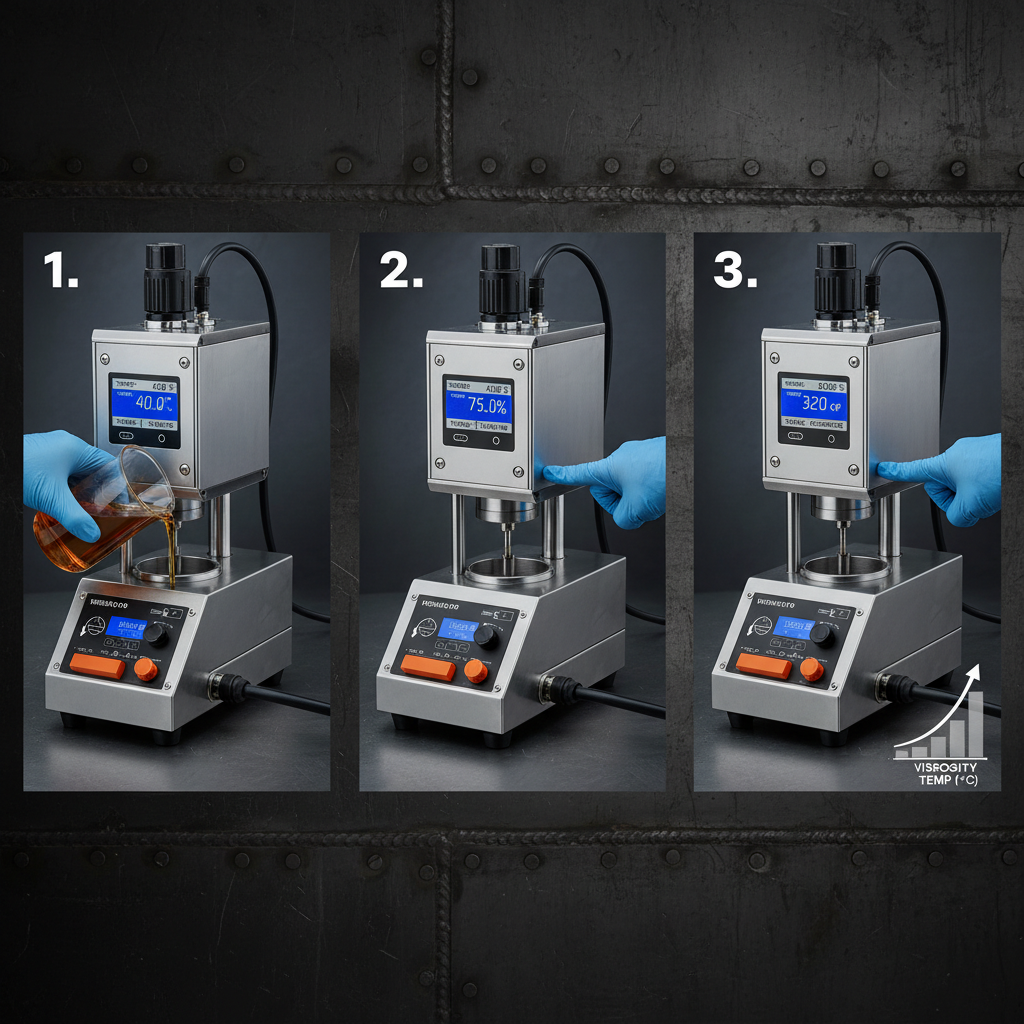
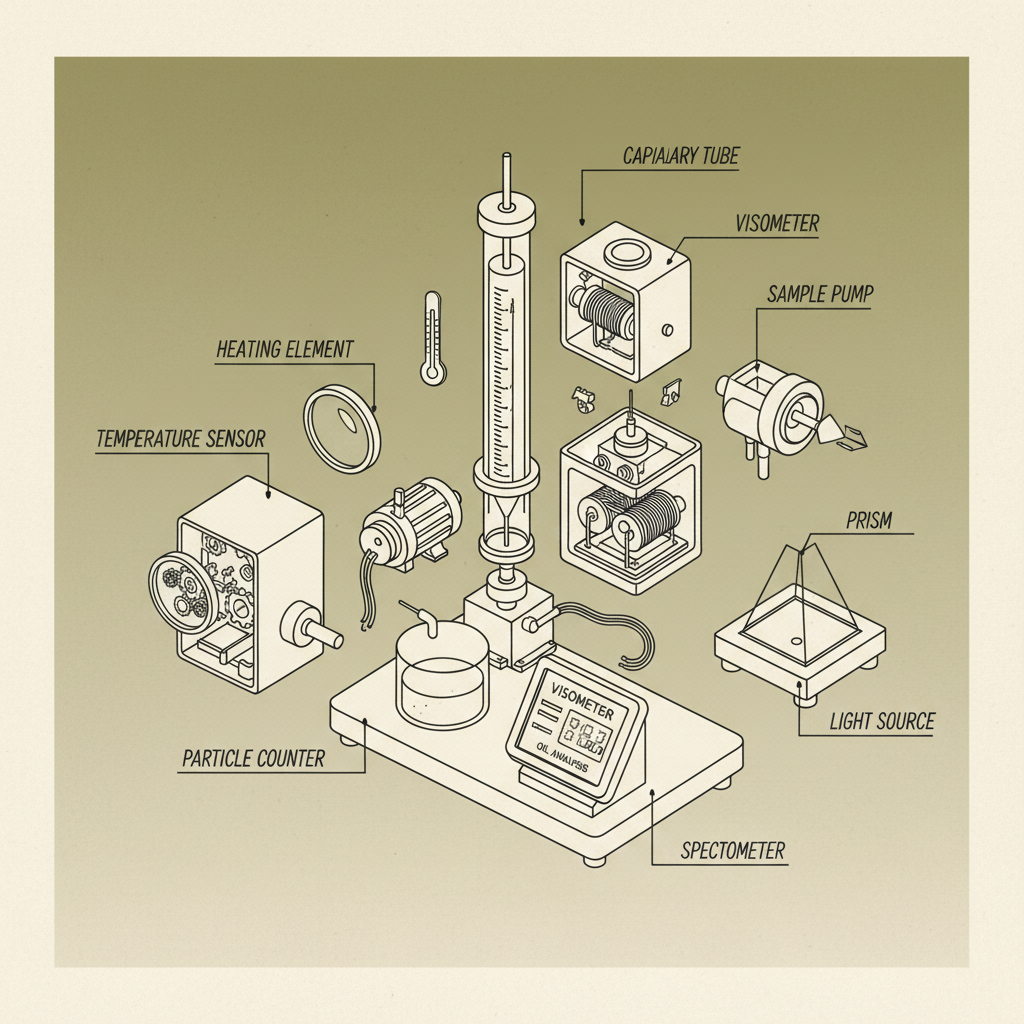
And it’s all about the oil testing kit – making sure these connections will last. We're moving beyond just visual inspections, thankfully.
Design Pitfalls: Where Things Go Wrong
Now, I’ve seen a lot of designs that look amazing on a computer screen but are impossible to build in the real world. The biggest problem? Lack of tolerance. Engineers forget that things aren’t always perfectly square, perfectly level. You need to build in some wiggle room, some adjustability. If everything has to fit exactly right, you're asking for trouble. It's like trying to fit a square peg in a round hole, only the peg is a multi-million dollar building component.
And another thing: over-complication. Keep it simple, folks. The more moving parts, the more that can go wrong. Don't reinvent the wheel. There's a reason certain methods have been around for centuries.
It’s all about the little things, too. The access panels, the wiring chases... are they actually accessible? Can a guy get in there with his tools and do the job? These are the details that separate a good design from a bad one.
Material Deep Dive: What We're Actually Using
Let’s talk materials. A lot of lightweight steel framing going around, which is good for speed, but it feels… flimsy, you know? It doesn’t have the same heft as traditional steel. I prefer the stuff with a good galvanization. You can smell it – that zinc smell. It tells you it's going to resist corrosion. Then there’s the engineered wood, like LVL and PSL. Feels a bit like particleboard on steroids. It's strong enough, but you gotta be careful with moisture. It swells up like crazy if it gets wet. And the new composite decking? Smells like plastic, looks like wood, performs… okay.
We’re also seeing more and more use of high-performance concrete. It's denser, stronger, and more durable, but it's also a pain to work with. It sets up fast, so you gotta be quick. And it's heavy! Seriously heavy. You need the right equipment to handle it. The oil testing kit is essential to verify the concrete mix.
The adhesives – now those are tricky. Some of them are incredibly strong, but they're also incredibly sensitive to temperature and humidity. You gotta follow the instructions to the letter, or you're going to end up with a bond that fails.
Real-World Testing: Beyond the Lab
Lab tests are good, don’t get me wrong. But they don’t tell you the whole story. You need to see how these materials perform in the real world, under actual conditions. We’re doing more on-site pull tests, flex tests, and corrosion tests. We'll take samples from a job site, expose them to the elements for six months, and then see how they hold up. It’s not as precise as a lab test, but it’s a lot more realistic. The oil testing kit assists with monitoring the weathering process.
And the testing isn’t just about the materials themselves. It’s about the connections, the assemblies. How do they behave when they’re subjected to stress? How do they react to vibration? These are the things that matter.
Oil testing kit Performance Metrics
How Users Really Use It
This is the part that always cracks me up. You design something for a specific purpose, and then the guys on site find a completely different way to use it. Like, we designed this new clamping system for attaching panels, and they started using it to hold their coffee cups. Seriously! It’s sturdy, I guess. Anyway, I think you gotta be flexible and adapt. The oil testing kit helps us track how these unexpected uses are impacting the materials.
And they’re not always afraid to modify things, either. They'll take a grinder to it, weld something on, whatever it takes to get the job done. That’s why you need to design for robustness, for adaptability.
Advantages & Disadvantages – A Balanced View
Look, there are advantages to these new materials and methods. They can be faster, lighter, and more sustainable. But there are also disadvantages. They can be more expensive, more complex, and less reliable. It's a trade-off. You gotta weigh the pros and cons and make the best decision for the job. The oil testing kit helps us evaluate that trade-off objectively.
And don’t get me started on the learning curve. It takes time to train guys to work with these new materials. They’re used to doing things a certain way, and it’s hard to change habits.
Ultimately, it’s all about finding the right balance between innovation and practicality.
Customization & A Customer Story
We’ve been getting a lot of requests for customization lately. Guys want to tailor the materials to their specific needs. Like, one guy wanted a thicker coating on the steel to withstand harsher conditions. No problem. We can do that. Another guy wanted a different color to match his company branding. Fine. We can do that too. It’s all about being flexible and responsive.
Last month, that small boss in Shenzhen who makes smart home devices insisted on changing the interface to . He said it was more "modern." I told him it wasn’t necessary, that the existing connector was perfectly reliable, but he wouldn’t listen. The result? His production line ground to a halt because he couldn’t source enough connectors. Lesson learned: sometimes, simpler is better. But hey, at least the oil testing kit for the connections was solid.
The oil testing kit allowed us to quickly assess the new interface's durability, even though the whole project was a bit of a mess.
Core Analysis of Theme Seven: Oil Testing Kit Performance
| Testing Method |
Material Tested |
Key Performance Indicator (KPI) |
Overall Score (1-10) |
| Visual Inspection |
Galvanized Steel |
Corrosion Resistance |
8 |
| Pull Test |
Engineered Wood (LVL) |
Tensile Strength |
7 |
| Flex Test |
Composite Decking |
Bending Resistance |
6 |
| Adhesion Test |
High-Performance Concrete |
Bond Strength |
9 |
| Salt Spray Test |
Stainless Steel Fasteners |
Corrosion Protection |
10 |
| Impact Resistance |
Polymer Sealant |
Durability |
5 |
FAQS
Honestly? Not paying attention to the moisture content. These materials swell and contract with changes in humidity. You gotta let them acclimate to the site conditions before you start building with them, or you're gonna have problems. And always, always follow the manufacturer’s instructions. Don’t try to get creative. It rarely works out.
Critical. Absolutely critical. Rust is the enemy. You gotta make sure the steel is properly galvanized or coated with a corrosion-resistant paint. And even then, you need to inspect it regularly for signs of corrosion. A little rust can quickly turn into a big problem. Especially near the coast, where the salt air is brutal. That’s where the oil testing kit really shines.
Tolerance, like I said earlier. They design these things with perfect precision, but in the real world, things are never perfect. You need to build in some wiggle room, some adjustability. Otherwise, you're gonna be fighting the building the whole time. It’s frustrating for everyone involved.
They're great when they work. But they're finicky. Temperature, humidity, surface preparation...everything has to be just right. And if they fail, it’s often catastrophic. A good old-fashioned bolt is usually more reliable. Simpler, too.
At least annually, especially in the first few years. Look for cracks, corrosion, water damage, anything that looks out of place. And don’t just rely on visual inspections. Use a moisture meter, a thermal camera, whatever tools you need to get a comprehensive assessment. Early detection is key.
Get your boots dirty. Spend time on construction sites. Talk to the guys who are actually building things. Learn from their experience. Because no matter how much you learn in a classroom, the real education happens out in the field. And always remember that the oil testing kit is your friend.
Conclusion
So, there you have it. Prefabrication and new materials are changing the construction industry, but they’re not a magic bullet. There are challenges, there are pitfalls, and there are always trade-offs. It's all about finding the right balance between innovation and practicality, between cost and quality. Understanding the materials, the testing, and how things actually get used in the field is critical for success.
Ultimately, whether this thing works or not, the worker will know the moment he tightens the screw. If it feels solid, if it fits right, then you’re probably on the right track. But if it feels flimsy, if it doesn’t line up, then you better take a closer look. And don’t forget to grab that oil testing kit – it might just save you a headache.
 English