 અંગ્રેજી



-
 Afrikaans
 -
 Albanian
 -
 Amharic
 -
 Arabic
 -
 Armenian
 -
 Azerbaijani
 -
 Basque
 -
 Belarusian
 -
 Bengali
 -
 Bosnian
 -
 Bulgarian
 -
 Catalan
 -
 Cebuano
 -
 China
China -
 China (Taiwan)
 -
 Corsican
 -
 Croatian
 -
 Czech
Czech -
 Danish
 -
 Dutch
Dutch -
 English
 -
 Esperanto
 -
 Estonian
 -
 Finnish
 -
 French
 -
 Frisian
 -
 Galician
 -
 Georgian
 -
 German
 -
 Greek
Greek -
 Gujarati
 -
 Haitian Creole
 -
 hausa
hausa -
 hawaiian
 -
 Hebrew
 -
 Hindi
Hindi -
 Miao
Miao -
 Hungarian
 -
 Icelandic
 -
 igbo
igbo -
 Indonesian
 -
 irish
irish -
 Italian
 -
 Japanese
 -
 Javanese
 -
 Kannada
 -
 kazakh
 -
 Khmer
Khmer -
 Rwandese
 -
 Korean
 -
 Kurdish
 -
 Kyrgyz
 -
 Lao
Lao -
 Latin
Latin -
 Latvian
 -
 Lithuanian
 -
 Luxembourgish
 -
 Macedonian
 -
 Malgashi
 -
 Malay
Malay -
 Malayalam
 -
 Maltese
 -
 Maori
Maori -
 Marathi
 -
 Mongolian
 -
 Myanmar
 -
 Nepali
 -
 Norwegian
 -
 Norwegian
 -
 Occitan
 -
 Pashto
 -
 Persian
 -
 Polish
 -
 Portuguese
 -
 Punjabi
 -
 Romanian
 -
 Russian
 -
 Samoan
 -
 Scottish Gaelic
 -
 Serbian
 -
 Sesotho
 -
 Shona
Shona -
 Sindhi
 -
 Sinhala
 -
 Slovak
 -
 Slovenian
 -
 Somali
 -
 Spanish
 -
 Sundanese
 -
 Swahili
 -
 Swedish
 -
 Tagalog
 -
 Tajik
Tajik -
 Tamil
Tamil -
 Tatar
Tatar -
 Telugu
 -
 Thai
Thai -
 Turkish
 -
 Turkmen
 -
 Ukrainian
 -
 Urdu
Urdu -
 Uighur
 -
 Uzbek
Uzbek -
 Vietnamese
 -
 Welsh
Welsh -
 Bantu
Bantu -
 Yiddish
 -
 Yoruba
 -
 Zulu
Zulu
Ensuring Safety in Electrical Systems
A hipot tester (high potential tester) is a crucial tool for electrical safety testing. This device is designed to apply a high voltage to electrical equipment to ensure that it is insulated properly and can withstand the operating conditions it will face during use. By performing hipot tests, manufacturers and technicians can verify that their products are safe and meet necessary electrical safety standards.
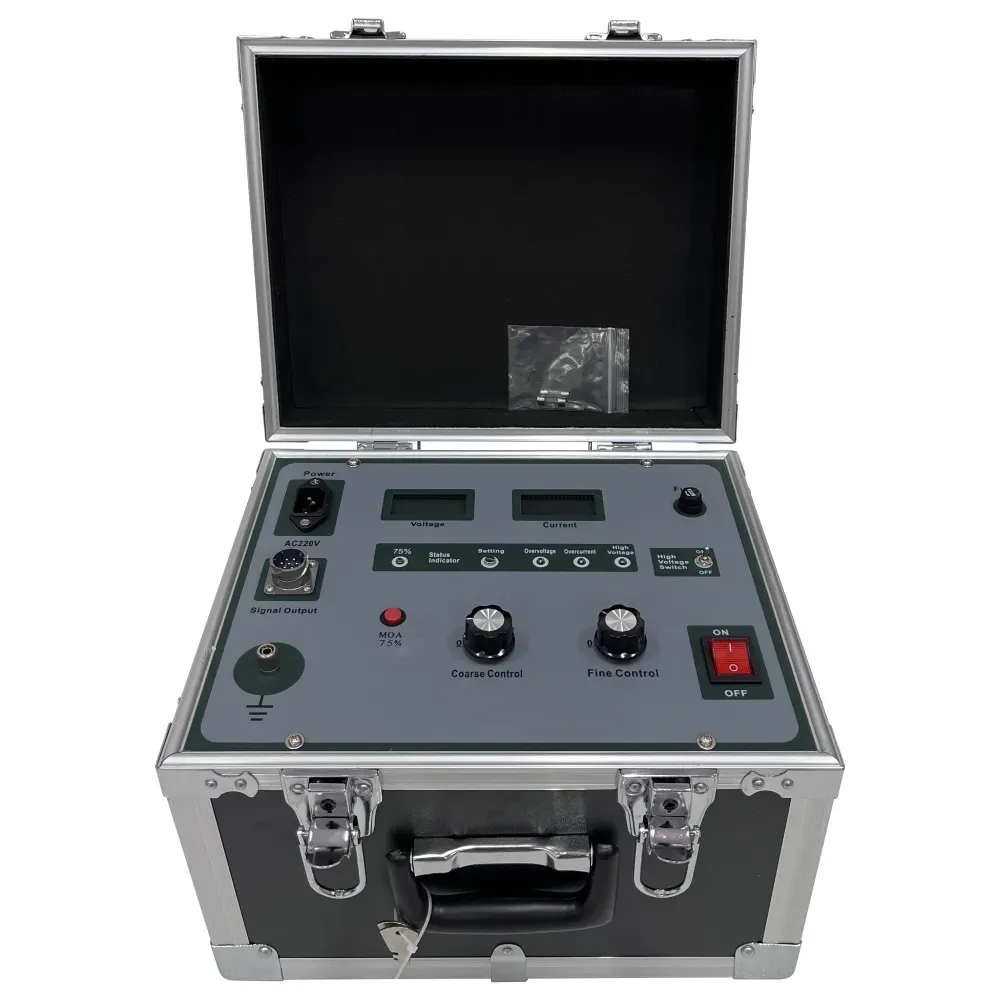
The hipot tester is commonly used in the electrical and electronics industries to test the insulation resistance and dielectric strength of cables, transformers, motors, and other electrical equipment. By subjecting the equipment to high-voltage conditions, it helps identify weaknesses or potential breakdowns in insulation materials that could lead to electrical failures or safety hazards.
Whether used in manufacturing, maintenance, or quality control, the hipot tester plays a vital role in preventing electrical accidents. It provides peace of mind by ensuring that electrical products can safely handle higher voltages without risk of electrical shock or damage to the system.
Hipot Tester Manufacturers: Providing Reliable Solutions for Electrical Safety
When searching for a reliable hipot tester, it is essential to choose a trusted hipot tester manufacturer. These manufacturers specialize in producing high-quality testers designed to meet the demands of various industries, from power generation to consumer electronics. By choosing a reputable hipot tester manufacturer, companies ensure that their equipment is safe, efficient, and built to withstand rigorous testing conditions.
Hipot tester manufacturers typically offer a range of models, from basic handheld units to more advanced versions capable of testing larger equipment or providing more detailed analysis. They understand the importance of electrical safety and design their testers to comply with industry standards such as IEC and UL. Additionally, many hipot tester manufacturers offer customization options to meet specific testing needs, allowing companies to tailor their equipment for unique requirements.
The quality of the hipot tester is directly linked to the reputation of the manufacturer. Well-established manufacturers provide reliable, durable, and precise testing solutions, ensuring that your electrical systems are properly tested and safe for use. Whether you're conducting routine inspections or testing new equipment, a reputable hipot tester manufacturer will provide the necessary tools for effective and accurate testing.
Portable Hipot Tester: Flexibility and Convenience for On-Site Testing
A portable hipot tester offers flexibility and convenience for electrical testing in the field. Unlike traditional hipot testers, which are often bulky and designed for stationary use, a portable hipot tester allows technicians to perform high-voltage insulation tests at various locations, making it an ideal tool for on-site inspections, maintenance, and field testing.
The compact and lightweight design of the portable hipot tester makes it easy to transport and use in tight spaces or locations with limited access. These testers are commonly used by electricians, maintenance teams, and technicians who need to test equipment in different areas, such as power plants, construction sites, or industrial facilities.
Despite their portable size, portable hipot testers do not compromise on performance. They can deliver the same high-voltage capabilities as larger models, ensuring that electrical equipment is thoroughly tested for insulation integrity and safety. Many models also feature user-friendly interfaces, built-in safety features, and long-lasting battery life, making them a versatile and reliable solution for testing electrical systems in the field.
Why Hipot Testing is Crucial for Electrical Safety
Hipot testing is a critical aspect of ensuring electrical safety. The purpose of this testing is to simulate extreme conditions that electrical equipment may experience during its lifetime, ensuring that the insulation can withstand the stress of high voltage. Without proper hipot testing, electrical systems may fail unexpectedly, leading to safety hazards, such as electrical shock, fires, or equipment damage.
In many industries, hipot testing is a required procedure to meet safety standards and regulatory requirements. It helps identify insulation breakdowns, leakage paths, and other weaknesses that could pose risks to both personnel and equipment. The test ensures that the equipment’s insulation is strong enough to handle the electrical load and prevent any electrical faults.
Regular hipot testing also serves as a preventive measure. By catching potential issues early, companies can avoid costly downtime, reduce repair expenses, and improve the reliability and longevity of their electrical systems. Whether testing new installations or conducting routine inspections, hipot testing is an essential part of maintaining electrical safety in any industry.
Choosing the Right Hipot Tester for Your Needs
Choosing the right hipot tester depends on various factors, including the type of equipment you need to test, the voltage levels required, and the specific features you need. There are several considerations to keep in mind when selecting a hipot tester, ensuring that you choose a model that suits your particular requirements.
First, consider the voltage range of the hipot tester. Depending on the type of electrical systems you're testing, you may need a tester that can handle low or high-voltage equipment. Next, think about portability. If you need to perform testing in the field, a portable hipot tester would be an ideal solution, offering ease of transport and operation on-site.
Another important factor is safety. Look for testers with built-in safety features, such as automatic shutoff in the event of a fault or overload. Some models also offer real-time monitoring, data logging, and advanced testing capabilities, making them suitable for complex or high-risk environments.
Lastly, ensure that the hipot tester complies with industry standards and regulations. Quality testers from reputable hipot tester manufacturers are designed to meet global safety standards, ensuring the reliability and accuracy of the testing process.
Hipot tester FAQs
What is a hipot tester used for?
A hipot tester is used to test the insulation integrity of electrical equipment by applying high voltage to ensure that it can safely handle operating conditions. It helps identify weaknesses in insulation that could lead to electrical hazards, such as shocks or fires.
Why is hipot testing necessary?
Hipot testing is necessary to ensure that electrical equipment’s insulation can withstand the high voltages it may encounter during operation. This testing is crucial for preventing electrical failures, protecting personnel from electrical shock, and ensuring compliance with safety standards.
What are the benefits of using a portable hipot tester?
A portable hipot tester provides the flexibility to perform insulation tests on-site, especially in locations that are difficult to access with larger, stationary testers. These testers are compact, lightweight, and designed for use in the field, making them ideal for maintenance teams and electricians who need to test equipment in various locations.
How do I choose the right hipot tester?
To choose the right hipot tester, consider factors such as the voltage range needed for your equipment, portability, safety features, and compliance with industry standards. Depending on your testing needs, you may require a high-voltage tester for industrial applications or a more compact, portable model for fieldwork.
Can hipot testing prevent electrical accidents?
Yes, hipot testing plays a crucial role in preventing electrical accidents. By ensuring that equipment’s insulation can withstand high voltages, it reduces the risk of electrical shock, fires, and system failures. Regular testing helps identify potential issues early, ensuring a safer working environment.
-
Find the Best Loop Impedance Tester for Sale and Ensure Electrical SafetyસમાચારMar.31,2026
-
Comprehensive Guide to Loop Impedance Meter for Electrical SafetyસમાચારMar.28,2026
-
Understanding and Choosing a Line Impedance Tester for Optimal Network PerformanceસમાચારMar.26,2026
-
Comprehensive Guide to Line Earth Loop Impedance Test for Electrical SafetyસમાચારMar.24,2026
-
Comprehensive Guide to Fault Loop Impedance Meter and Electrical SafetyસમાચારMar.21,2026
-
Comprehensive Guide to External Loop Impedance Test for Electrical SafetyસમાચારMar.19,2026


