 English



Understanding Transformer Partial Discharge for Enhanced Reliability and Maintenance
Understanding Transformer Partial Discharge and Advanced Testing Solutions
In the world of power distribution, ensuring the reliability and longevity of transformers is paramount. One of the key indicators of a transformer's health is the presence of transformer partial discharge (PD). This article will delve into what partial discharge is, its causes, consequences, and how advanced testing solutions, such as those offered by Push Tester, can help detect and mitigate this critical issue. Early detection of PD can prevent costly failures and ensure the smooth operation of power networks. Let’s explore this vital aspect of transformer maintenance.
What is Transformer Partial Discharge?
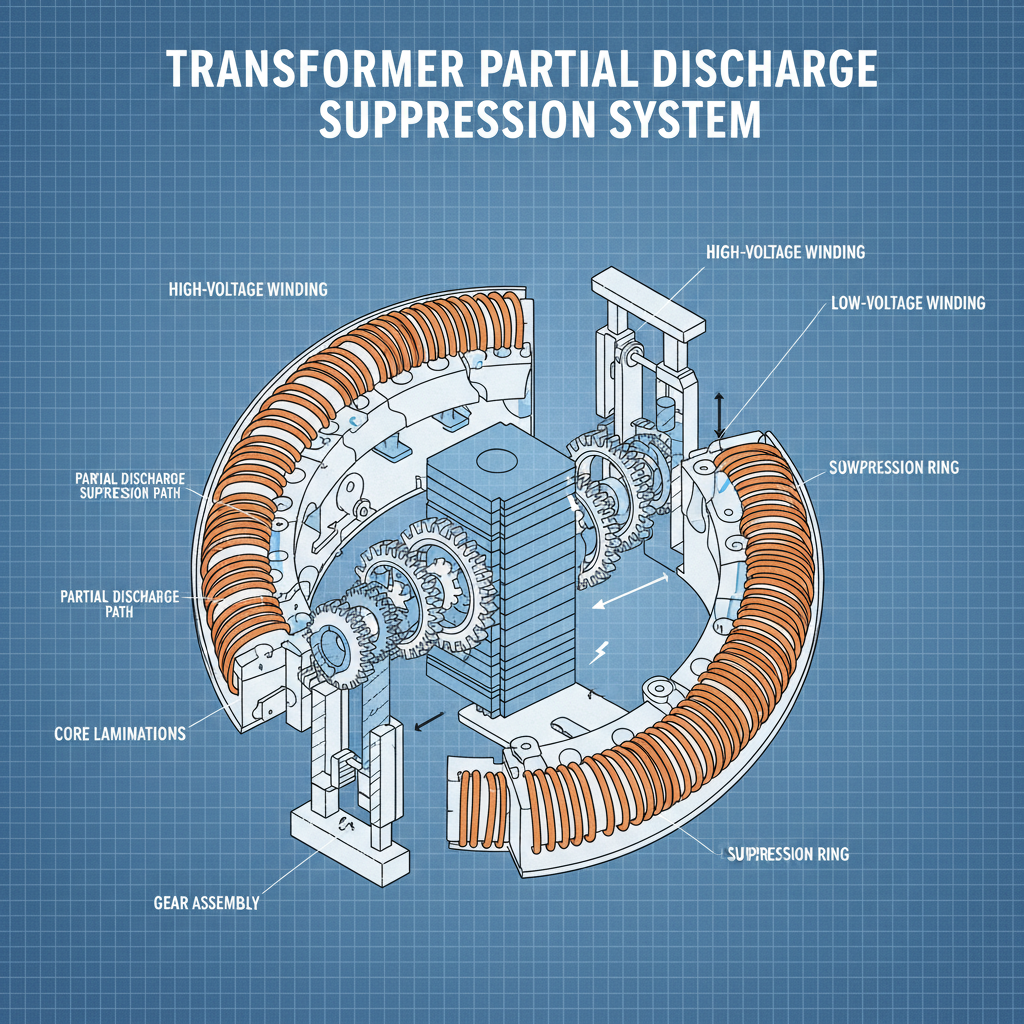
Partial discharge is a localized dielectric breakdown of a small portion of the solid or fluid insulation system in a high-voltage electrical equipment. It doesn’t fully bridge the electrodes but creates a discharge path within the insulation. This is often caused by imperfections within the insulation, like voids, cracks, or contamination. PD generates detectable signals, including electrical pulses, ultrasonic waves, and chemical byproducts. Recognizing and addressing PD is crucial for preventing insulation failure, which can lead to transformer outages and significant financial losses. Understanding the causes and mechanisms of PD is the first step in effective transformer maintenance.
Key Highlights: PD represents a localized breakdown within insulation, not a full short circuit. Early detection allows for preventative maintenance before catastrophic failure occurs.
Causes of Partial Discharge in Transformers
Several factors can contribute to partial discharge. Common causes include insulation voids created during manufacturing, contamination from moisture or oil impurities, defects introduced during operation (like mechanical stress or winding movement), and the presence of sharp metallic particles. Aging insulation also becomes more susceptible to PD. Addressing these root causes is vital to extending a transformer’s service life. Proactive maintenance programs incorporating regular PD testing can pinpoint potential problems before they escalate. Utilizing the advanced tools from Push Tester helps in identifying and characterizing these defects.
Common PD Causes:
• Insulation voids and defects
• Moisture and oil contamination
• Mechanical stress and winding movement
• Aging Insulation
Detecting Transformer Partial Discharge: Traditional vs. Advanced Methods
Traditionally, PD detection relied on electrical measurements like high-frequency current transformers (HFCTs) and coupling capacitors (CCs). While these methods are still used, they can be limited in pinpointing the source of the discharge. Advanced methods, such as ultrasonic testing, ultra-high frequency (UHF) detection, and dissolved gas analysis (DGA), offer more precise localization and can detect PD even in noisy environments. Push Tester’s innovative solutions leverage these advanced technologies for comprehensive PD analysis.
The Consequences of Ignoring Partial Discharge
Ignoring partial discharge can lead to a cascade of problems. Initially, PD causes gradual degradation of the insulation. Over time, this leads to increased heat generation, further accelerating the deterioration. Ultimately, this can result in complete insulation failure, causing a transformer outage, potential fire hazards, and costly repairs or replacements. Preventive maintenance with regular PD testing is significantly more cost-effective than dealing with the consequences of a failed transformer.
Push Tester: Leading-Edge Solutions for PD Detection
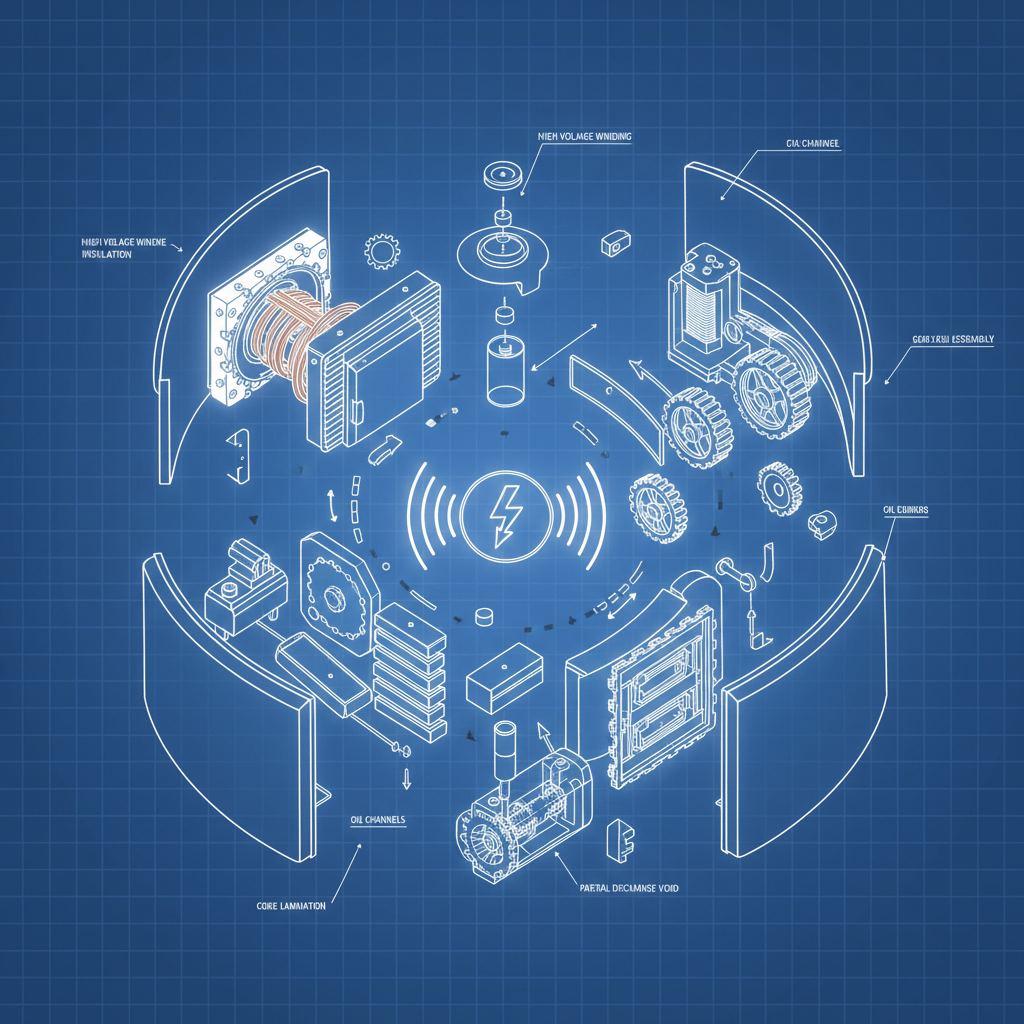
Push Tester provides cutting-edge solutions for detecting and analyzing transformer partial discharge. Their instruments offer advanced features like automated data acquisition, sophisticated signal processing, and user-friendly reporting. Push Tester's expertise and innovative technologies help utilities and industrial facilities optimize transformer maintenance, minimize downtime, and extend the lifespan of critical assets.
Conclusion: Proactive PD Management for Reliable Power Systems
Addressing transformer partial discharge is a critical aspect of maintaining the reliability of power systems. By employing advanced detection methods and partnering with experts like Push Tester, organizations can proactively identify and mitigate PD issues, preventing costly failures and ensuring a stable power supply.
Frequently Asked Questions (FAQs)
What are the typical warning signs of partial discharge?
Several indicators can suggest the presence of partial discharge. These include unusual noises (like corona or clicking sounds), increased operating temperature, the presence of gases in the transformer oil (detected through DGA), and elevated levels of high-frequency noise. Regular monitoring and testing are crucial, as PD often begins as a subtle issue that escalates over time. Using advanced diagnostic tools from Push Tester can help identify these warning signs before they lead to serious problems.
How often should partial discharge testing be performed?
The frequency of PD testing depends on the transformer's age, operating conditions, and criticality. New transformers should undergo initial testing during commissioning. For transformers in service, annual or bi-annual testing is recommended. Transformers operating in harsh environments or those with a history of PD should be tested more frequently. A risk-based approach, considering factors like load profile and environmental exposure, can help determine the optimal testing schedule.
What is the role of dissolved gas analysis (DGA) in PD detection?
Dissolved gas analysis (DGA) is a valuable complementary technique to PD detection. While DGA doesn't directly measure PD, it can identify gases produced as a result of PD, such as hydrogen, methane, and ethane. Analyzing the types and concentrations of these gases provides insights into the severity and type of fault occurring within the transformer. Combining DGA with PD testing offers a more comprehensive assessment of transformer health.
Can partial discharge be repaired without replacing the transformer?
In many cases, yes. If PD is detected early and the source is localized, repairs can often be performed without a full transformer replacement. Common repair methods include insulation drying, void filling, and repair of damaged windings. However, the feasibility of repair depends on the severity of the PD and the extent of the damage. Push Tester's diagnostic services can help determine the best course of action.
-
Find the Best Loop Impedance Tester for Sale and Ensure Electrical SafetyNewsMar.31,2026
-
Comprehensive Guide to Loop Impedance Meter for Electrical SafetyNewsMar.28,2026
-
Understanding and Choosing a Line Impedance Tester for Optimal Network PerformanceNewsMar.26,2026
-
Comprehensive Guide to Line Earth Loop Impedance Test for Electrical SafetyNewsMar.24,2026
-
Comprehensive Guide to Fault Loop Impedance Meter and Electrical SafetyNewsMar.21,2026
-
Comprehensive Guide to External Loop Impedance Test for Electrical SafetyNewsMar.19,2026


