TEL:
+86-0312-3189593
 Lus Askiv


Xov tooj:0312-3189593

Email:sales@oil-tester.com
-
 Afrikaans
 -
 Albanian
 -
 Amharic
 -
 Arabic
 -
 Armenian
 -
 Azerbaijani
 -
 Basque
 -
 Belarusian
 -
 Bengali
 -
 Bosnian
 -
 Bulgarian
 -
 Catalan
 -
 Cebuano
 -
 China
China -
 China (Taiwan)
 -
 Corsican
 -
 Croatian
 -
 Czech
Czech -
 Danish
 -
 Dutch
Dutch -
 English
 -
 Esperanto
 -
 Estonian
 -
 Finnish
 -
 French
 -
 Frisian
 -
 Galician
 -
 Georgian
 -
 German
 -
 Greek
Greek -
 Gujarati
 -
 Haitian Creole
 -
 hausa
hausa -
 hawaiian
 -
 Hebrew
 -
 Hindi
Hindi -
 Miao
Miao -
 Hungarian
 -
 Icelandic
 -
 igbo
igbo -
 Indonesian
 -
 irish
irish -
 Italian
 -
 Japanese
 -
 Javanese
 -
 Kannada
 -
 kazakh
 -
 Khmer
Khmer -
 Rwandese
 -
 Korean
 -
 Kurdish
 -
 Kyrgyz
 -
 Lao
Lao -
 Latin
Latin -
 Latvian
 -
 Lithuanian
 -
 Luxembourgish
 -
 Macedonian
 -
 Malgashi
 -
 Malay
Malay -
 Malayalam
 -
 Maltese
 -
 Maori
Maori -
 Marathi
 -
 Mongolian
 -
 Myanmar
 -
 Nepali
 -
 Norwegian
 -
 Norwegian
 -
 Occitan
 -
 Pashto
 -
 Persian
 -
 Polish
 -
 Portuguese
 -
 Punjabi
 -
 Romanian
 -
 Russian
 -
 Samoan
 -
 Scottish Gaelic
 -
 Serbian
 -
 Sesotho
 -
 Shona
Shona -
 Sindhi
 -
 Sinhala
 -
 Slovak
 -
 Slovenian
 -
 Somali
 -
 Spanish
 -
 Sundanese
 -
 Swahili
 -
 Swedish
 -
 Tagalog
 -
 Tajik
Tajik -
 Tamil
Tamil -
 Tatar
Tatar -
 Telugu
 -
 Thai
Thai -
 Turkish
 -
 Turkmen
 -
 Ukrainian
 -
 Urdu
Urdu -
 Uighur
 -
 Uzbek
Uzbek -
 Vietnamese
 -
 Welsh
Welsh -
 Bantu
Bantu -
 Yiddish
 -
 Yoruba
 -
 Zulu
Zulu
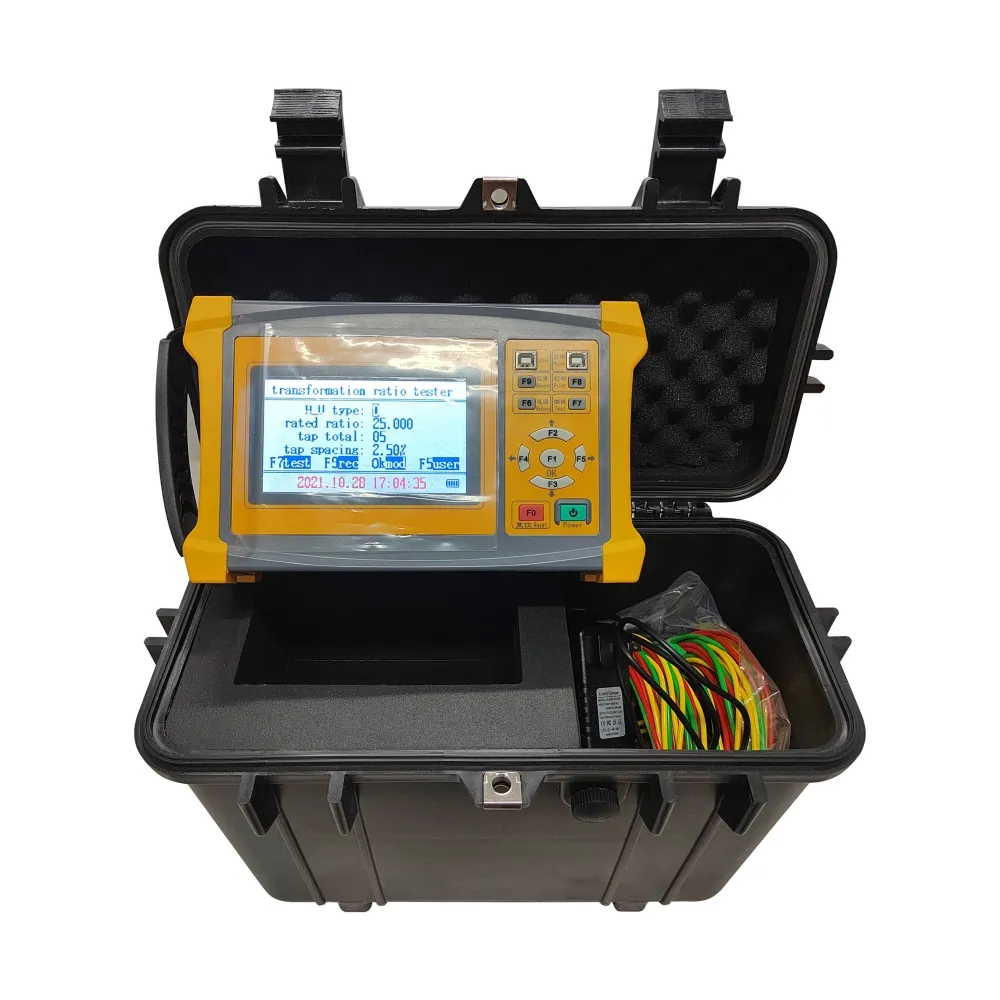
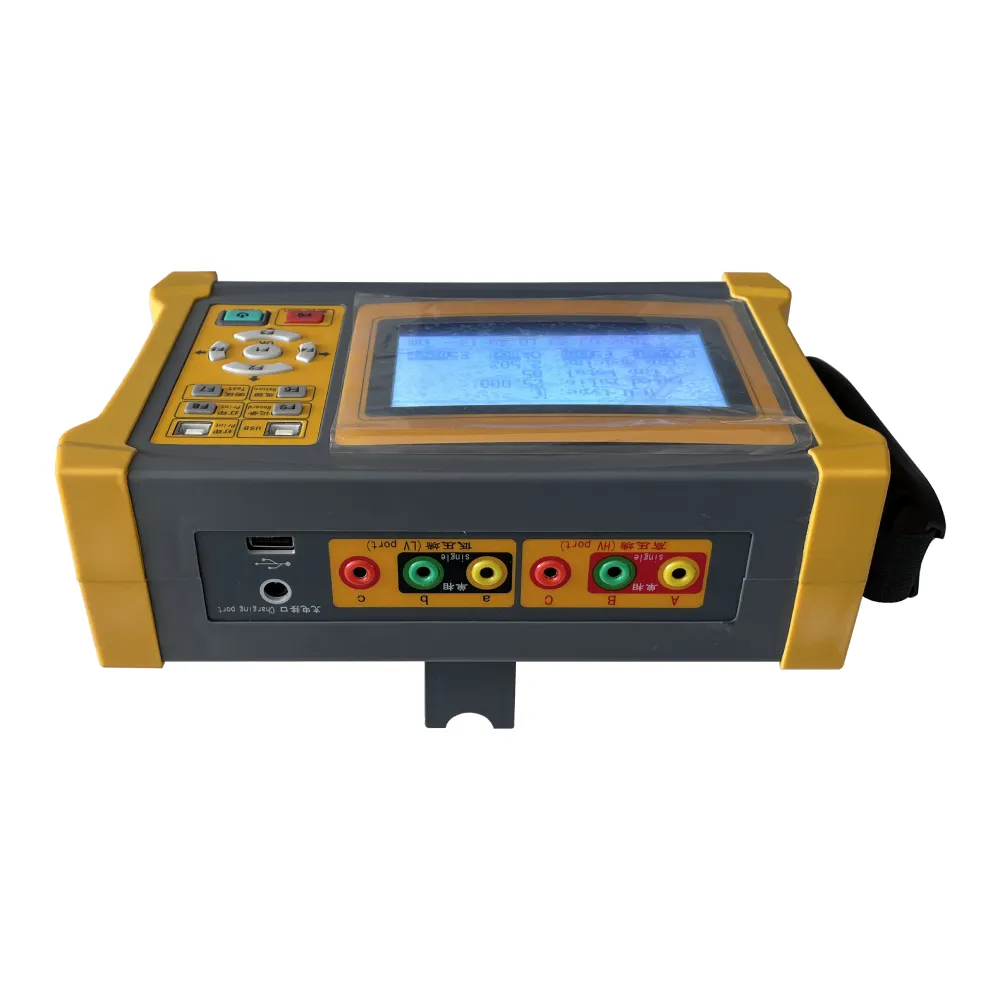
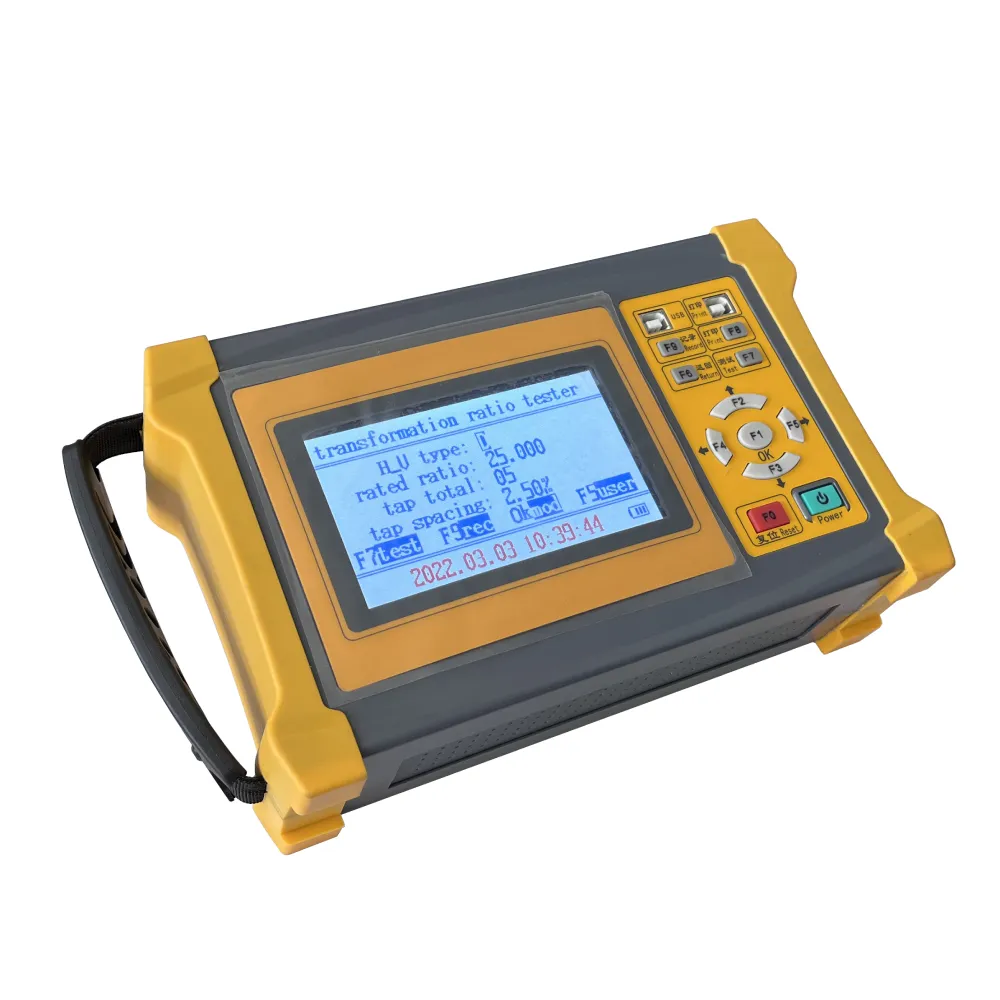
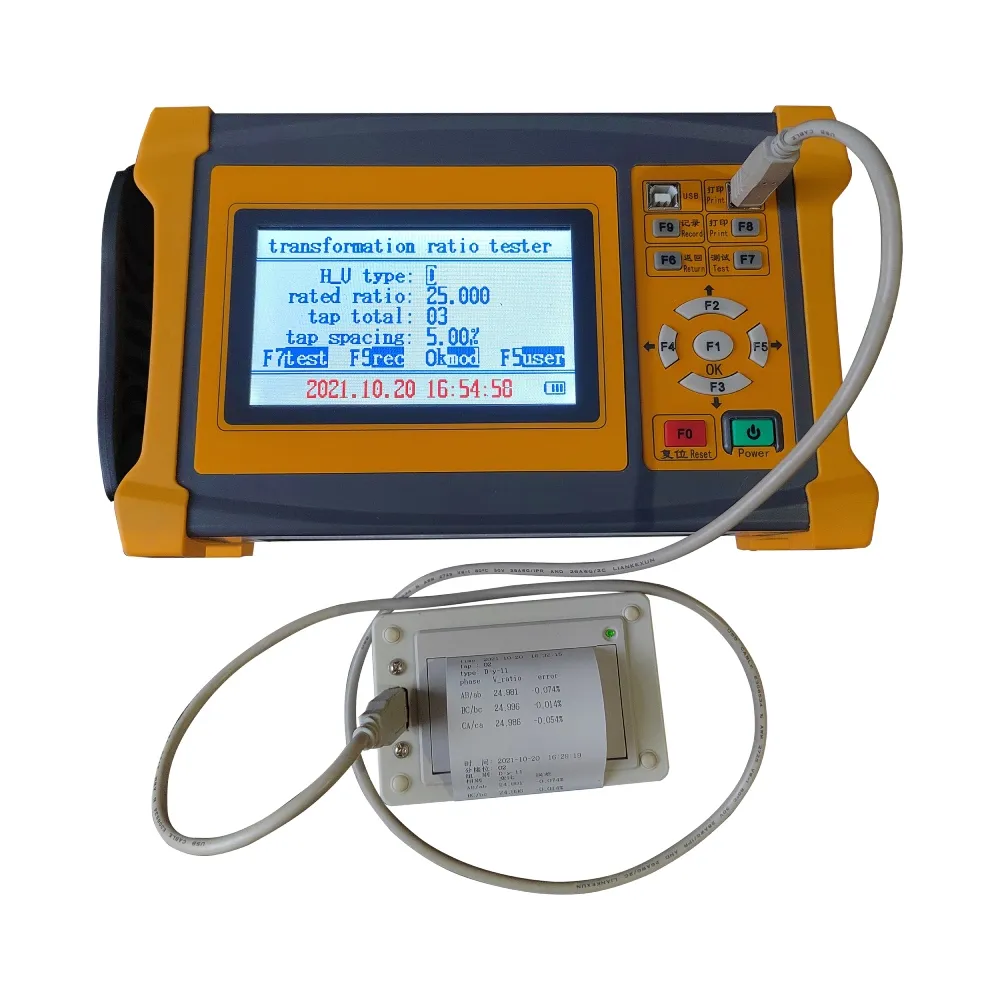
Khoom Muag Khoom Taw Qhia
- 1. Qhov kev xeem ntau yog dav, txog li 10000.
2. Qhov kev ntsuas ceev yog ceev, thiab qhov kev xeem ib zaug yog ua tiav hauv 5 vib nas this.
3. 240 * 128 xim LCD npo, kev sib tham sib interface yog ntau intuitive.
4. Z-kev sib txuas transformer kuaj.
5. Nws muaj lub luag haujlwm ntawm qhov muag tsis pom kev ntsuas qhov kev hloov pauv, pawg xeem, kais txoj haujlwm kuaj, thiab lwm yam.
6. Tsis muaj lub hwj chim down moos thiab hnub tso saib, cov ntaub ntawv khaws cia muaj nuj nqi (850 pawg ntawm cov ntaub ntawv xeem tuaj yeem khaws cia).
7. Siab thiab tsis tshua muaj hluav taws xob rov qab txuas kev tiv thaiv muaj nuj nqi.
8. Transformer luv Circuit Court thiab inter tig luv Circuit Court tiv thaiv muaj nuj nqi.
9. Lithium roj teeb fais fab mov, ntse thiab hnav.
10. Me me, lub teeb yuag thiab yooj yim nqa.
Khoom Parameter
1. Ntau: 0.9 ~ 10000
- 2.Qhov tseeb: 0.1% ± 2 tus lej (0.9 ~ 500) ;
0.2% ± 2 tus lej (500 ~ 2000) ;
0.3% ± 2 tus lej (2000 ~ 4000) ;
0.5% ± 2 tus lej (4000 saum toj no).
3.Resolving zog: yam tsawg kawg nkaus 0.0001
4. Tso zis voltage: 160V / 10V (Auto hloov)
5.Ua hauj lwm fais fab mov: lub ntsuas yog nruab nrog lithium roj teeb
- 6. Kev pab kub: -10 ℃ ~ 40 ℃
7 . txheeb ze humidity: ≤80% , Tsis condensation
Video
transformer ttr
transformer turns ratio meter
transformer turns ratio tester
transformer voltage turns ratio
ttr electrical testing
ttr test
ttr test in transformer
ttr test of power transformer
ttr test of transformer
ttr test on transformer
ttr test set
ttr tester
ttr transformer turns ratio
turns ratio meter
turns ratio tester
Sau koj cov lus ntawm no thiab xa tuaj rau peb
Hais txog Xov xwm
-
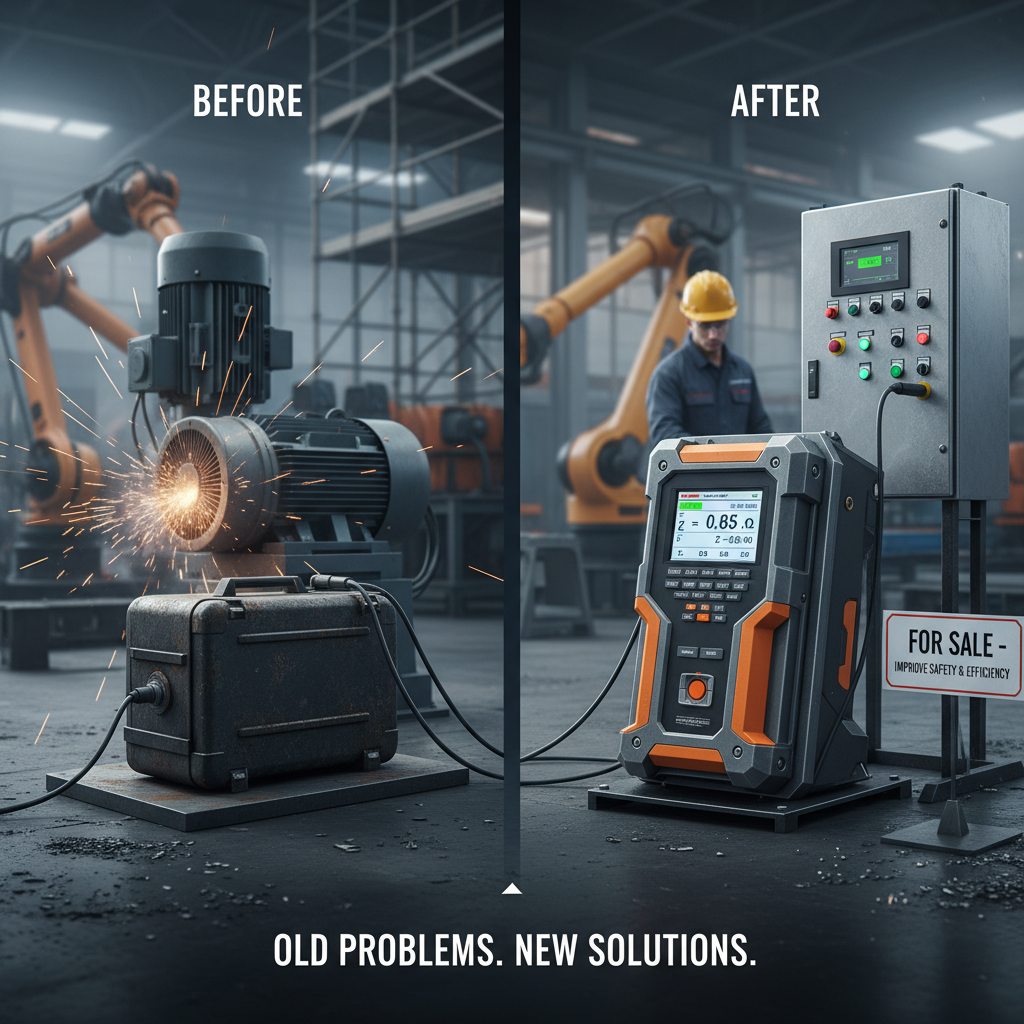 Find the Best Loop Impedance Tester for Sale and Ensure Electrical SafetyWhen ensuring electrical safety, accurate loop impedance testing is crucial. Whether you’re an electrician, a facilities manager, or a safety inspector, having a reliable loop impedance tester for sale is essential. This article will guide you through the key considerations when purchasing a loop impedance tester, explore the different types available, and highlight the benefits of choosing a high-quality instrument. Understanding the nuances of these testers will help you make an informed decision and ensure compliance with safety regulations.Paub meej
 -
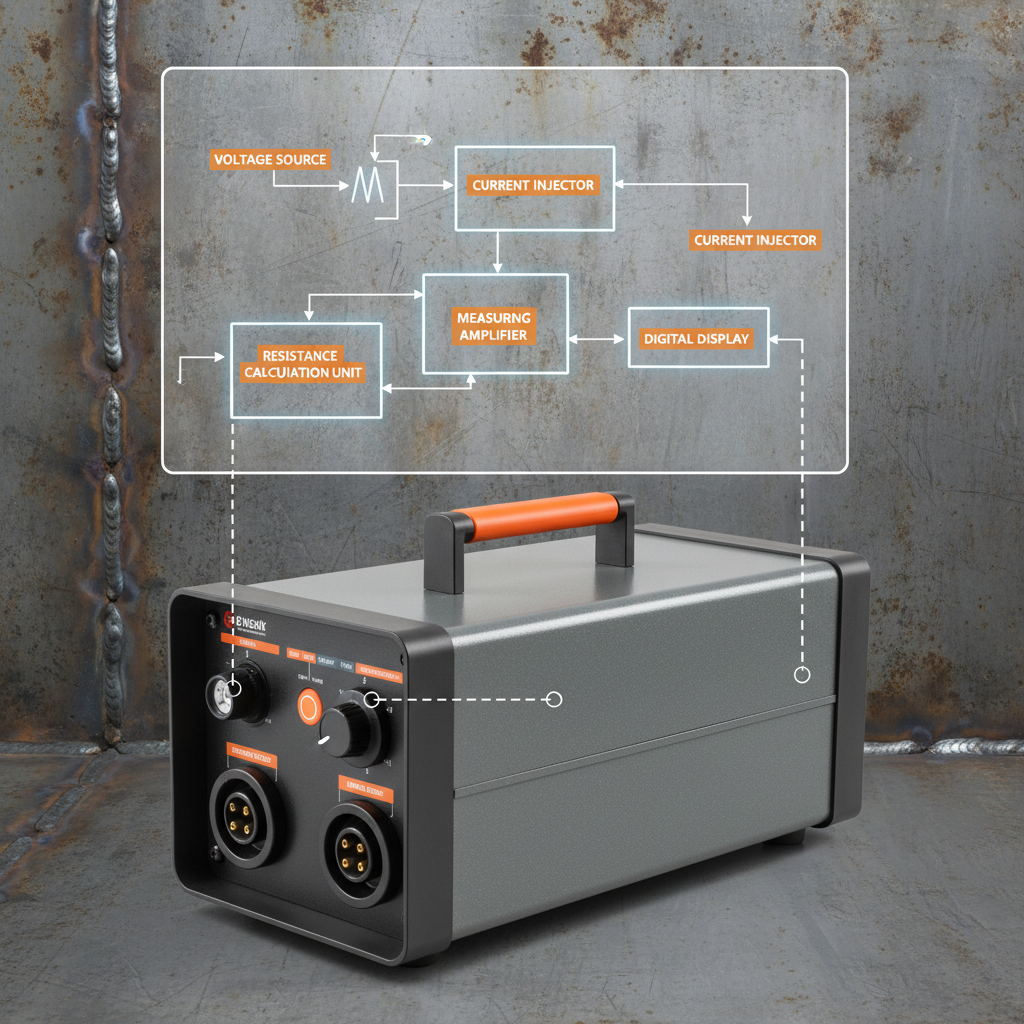 Comprehensive Guide to Loop Impedance Meter for Electrical SafetyEnsuring electrical safety is paramount in any installation, and a loop impedance meter is a crucial tool for achieving this. This device measures the total impedance of the earth fault loop, helping to verify that protective devices will operate correctly under fault conditions. In this article, we'll explore what a loop impedance meter is, how it works, its applications, factors influencing measurements, choosing the right meter, and the importance of regular testing. Investing in a quality meter from Push Tester is a step towards safer electrical systems.Paub meej
 -
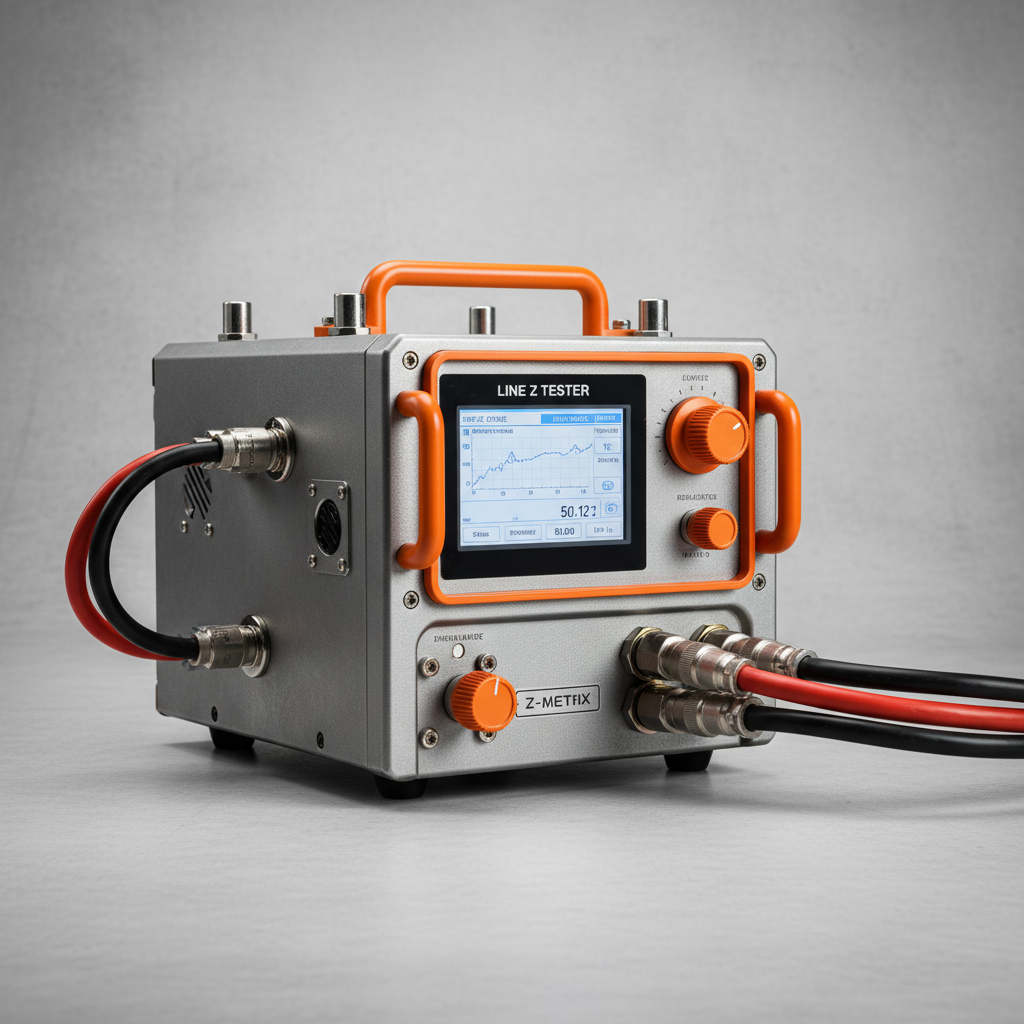 Understanding and Choosing a Line Impedance Tester for Optimal Network PerformanceIn the realm of telecommunications and electrical engineering, maintaining the integrity of transmission lines is paramount. A line impedance tester is a crucial instrument for ensuring optimal signal transmission and preventing costly network disruptions. This article delves into the world of line impedance testing, exploring its importance, applications, types of testers, and what to look for when making a purchase. Ensuring accurate impedance measurements is essential for efficient and reliable network performance. Choosing the right tester can significantly impact troubleshooting speed and the overall quality of your infrastructure. A line impedance tester, also known as a cable impedance analyzer, is a device used to measure the characteristic impedance of coaxial cables, twisted pair cables, and other transmission lines. Impedance, measured in ohms, represents the opposition to the flow of alternating current. Maintaining the correct impedance (typically 50 or 75 ohms) is vital for minimizing signal reflections, ensuring efficient power transfer, and preventing signal degradation. Mismatched impedance can lead to signal loss, ghosting, and reduced network performance. Regular testing helps identify faults and maintain network integrity.Paub meej


