 English



Comprehensive Guide to Audio Impedance Testing and Tester Selection
Understanding and Choosing the Right Audio Impedance Tester
In the world of audio engineering, quality control, and speaker design, accurately measuring impedance is paramount. An audio impedance tester is an essential tool for ensuring optimal performance and identifying potential issues. This article provides a comprehensive guide to understanding audio impedance, the types of testers available, key features to look for, and how to choose the right tester for your specific needs. Whether you're a seasoned professional or just starting out, this guide will equip you with the knowledge to make an informed decision. Proper impedance measurement ensures the safety and longevity of audio equipment.
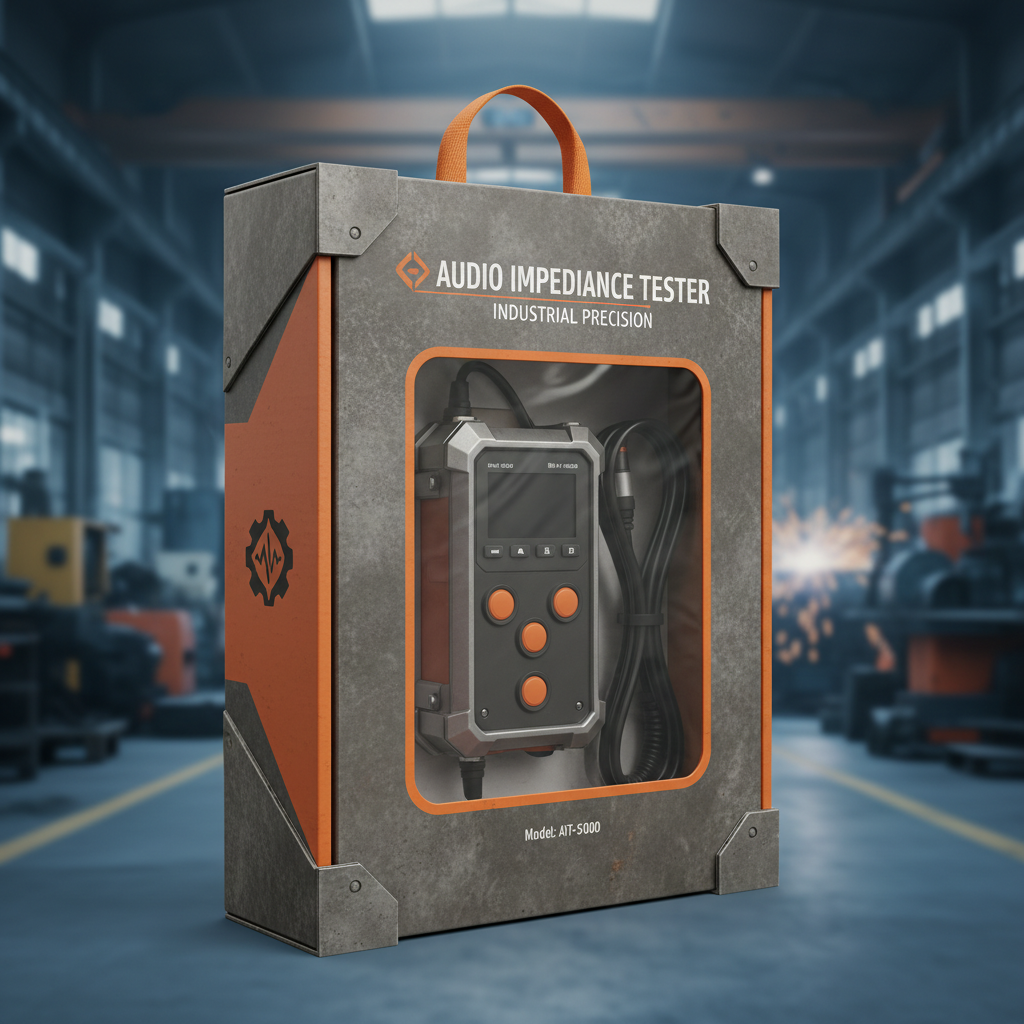
What is Audio Impedance and Why Does it Matter?
Audio impedance, measured in ohms (Ω), represents the opposition to the flow of alternating current (AC) through an audio circuit. It's a complex measurement because impedance varies with frequency. Understanding impedance is crucial for several reasons. Firstly, it ensures proper power transfer between components, such as amplifiers and speakers. Mismatched impedance can lead to signal loss, distortion, or even damage to equipment. Secondly, impedance measurements help identify faults in speakers, headphones, or cables. An unusually high or low impedance reading can indicate a short circuit, open circuit, or voice coil issues. Finally, impedance characteristics are vital for accurate speaker design and optimization. By carefully controlling impedance, engineers can achieve the desired frequency response and sonic performance.
Key Takeaways: Impedance ensures optimal power transfer, helps identify faults in audio equipment, and is critical for speaker design.
Types of Audio Impedance Testers
There are several types of audio impedance testers available, each with its own strengths and weaknesses. The most common include:
- LCR Meters: These versatile instruments measure inductance (L), capacitance (C), and resistance (R), including impedance. They are often used for general electronic component testing.
- Dedicated Impedance Testers: Specifically designed for audio applications, these testers often offer features like frequency sweeps, graphical displays, and specialized testing modes for speakers and headphones.
- Network Analyzers: High-end instruments that provide a detailed analysis of impedance across a wide range of frequencies. They are commonly used in professional audio research and development.
- USB Impedance Testers: Convenient and portable options that connect to a computer via USB. They often come with software for data logging and analysis.
Choosing the Right Tester:
• Consider the frequency range you need to test.
• Determine the accuracy requirements for your applications.
• Evaluate the ease of use and data analysis capabilities.
• Set a budget that aligns with your needs and resources.
Key Features to Look for in an Audio Impedance Tester
When selecting an audio impedance tester, consider these key features:
- Frequency Range: A wider frequency range allows you to analyze impedance across the entire audible spectrum.
- Accuracy: Look for testers with high accuracy to ensure reliable measurements.
- Testing Modes: Dedicated testers should offer modes for testing speakers, headphones, and cables.
- Graphical Display: A graphical display makes it easier to visualize impedance curves and identify anomalies.
- Data Logging: The ability to log data to a computer allows for detailed analysis and reporting.
- Calibration Options: Regular calibration ensures the accuracy of your measurements.
Furthermore, consider the build quality and user interface. A robust and easy-to-use tester will save you time and frustration in the long run.
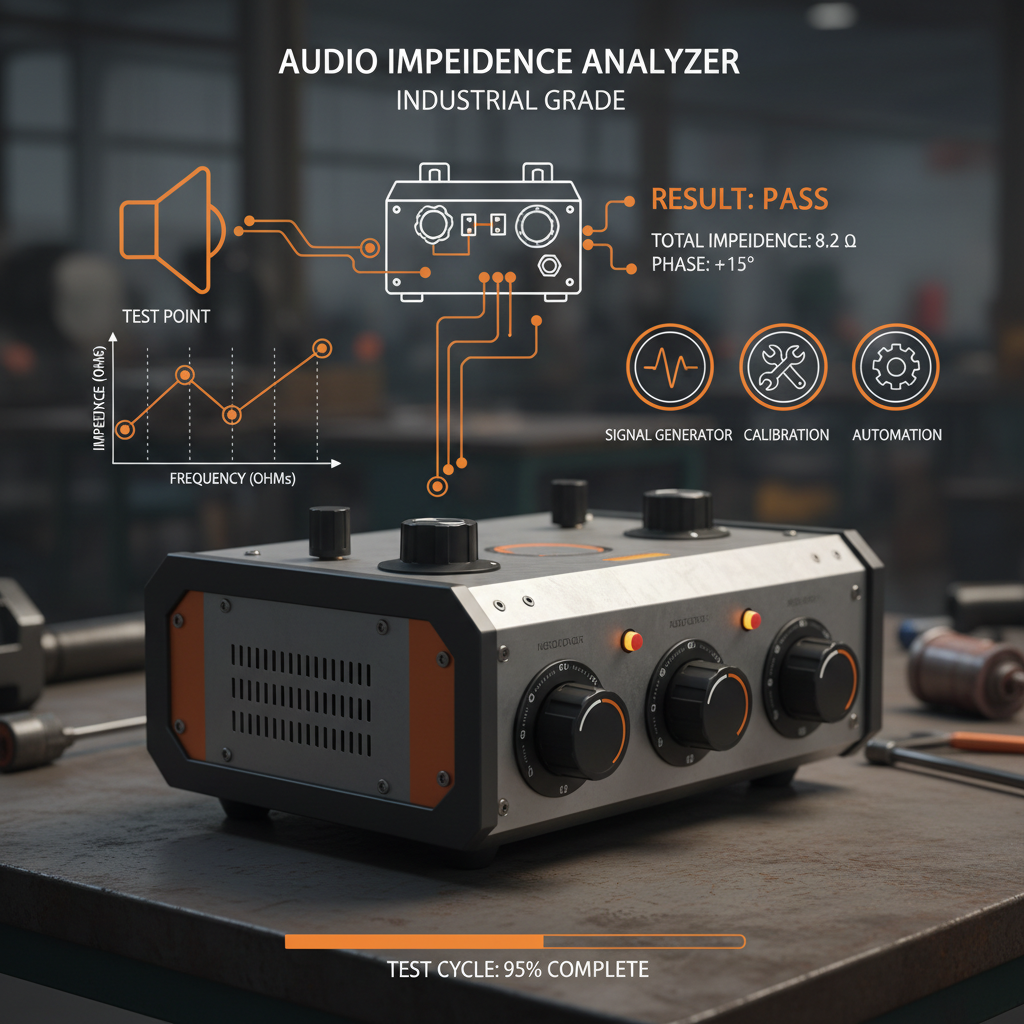
Comparison of Popular Audio Impedance Testers
Here's a comparison of some popular models currently on the market:
Applications of Audio Impedance Testing
Audio impedance testing finds application in a diverse array of scenarios including:
- Speaker Quality Control: Ensuring speakers meet specified impedance characteristics during manufacturing.
- Headphone Diagnosis: Identifying driver failures or damage in headphones.
- Cable Fault Finding: Locating shorts or opens in audio cables.
- Crossover Network Design: Optimizing crossover designs for accurate frequency response.
- Amplifier Matching: Verifying amplifier and speaker impedance compatibility.
Conclusion: Making the Right Choice for Your Needs
Choosing the right audio impedance tester is a critical investment for anyone involved in audio engineering, production, or quality control. By understanding the different types of testers, key features, and applications, you can select a tool that meets your specific needs and budget. Remember to prioritize accuracy, frequency range, and ease of use. A reliable impedance tester will empower you to achieve optimal audio performance and prevent costly equipment failures.
Frequently Asked Questions (FAQs)
What is the difference between impedance and resistance?
While often used interchangeably, impedance and resistance are distinct concepts. Resistance is the opposition to current flow in a DC circuit. Impedance, however, is the opposition to current flow in an AC circuit, and it includes both resistance and reactance (the opposition due to capacitance and inductance). Impedance is frequency-dependent, meaning it changes with the frequency of the AC signal. Therefore, impedance is a more accurate measure for analyzing audio circuits.
How often should I calibrate my audio impedance tester?
Calibration frequency depends on usage and accuracy requirements. Generally, it's recommended to calibrate your tester at least once a year, or more frequently if you use it heavily or require highly accurate measurements. Calibration ensures that the tester provides reliable and consistent results. Refer to the manufacturer's recommendations for specific calibration procedures and intervals.
What impedance should my speakers have for my amplifier?
The ideal speaker impedance depends on your amplifier's specifications. Most amplifiers are designed to work optimally with 8-ohm speakers, but many can also handle 4-ohm or 16-ohm speakers. Using speakers with an impedance significantly lower than what the amplifier is designed for can cause the amplifier to overheat and potentially damage it. Always check your amplifier's manual for recommended impedance ratings.
-
Find the Best Loop Impedance Tester for Sale and Ensure Electrical SafetyNewsMar.31,2026
-
Comprehensive Guide to Loop Impedance Meter for Electrical SafetyNewsMar.28,2026
-
Understanding and Choosing a Line Impedance Tester for Optimal Network PerformanceNewsMar.26,2026
-
Comprehensive Guide to Line Earth Loop Impedance Test for Electrical SafetyNewsMar.24,2026
-
Comprehensive Guide to Fault Loop Impedance Meter and Electrical SafetyNewsMar.21,2026
-
Comprehensive Guide to External Loop Impedance Test for Electrical SafetyNewsMar.19,2026


