 English



Mastering Gas Chromatography Working: Reliable Online Analysis
Understanding the Core Principles of Gas Chromatography
Gas Chromatography (GC) stands as a foundational analytical technique in countless industries, enabling precise separation and quantification of volatile and semi-volatile compounds. Its utility ranges from quality control in manufacturing to complex environmental monitoring. This detailed exploration focuses on the working of gas chromatography, integrating modern advancements and practical applications for B2B stakeholders. We will delve into its operational mechanics, technological trends, critical specifications, and the pivotal role of components like high-purity hydrogen generators.
The drive for enhanced precision, speed, and automation in analytical processes has propelled continuous innovation in GC instrumentation. From traditional laboratory setups to advanced online gas chromatography analyzer systems, the core principles remain robust, yet their implementation evolves rapidly to meet stringent industry demands and regulatory standards.
Detailed Process Flow: The working of gas chromatography
The fundamental working of gas chromatography involves the separation of components in a sample mixture based on their differential partitioning between a stationary phase and a mobile phase. For GC, the mobile phase is an inert carrier gas, and the stationary phase is typically a liquid or solid adsorbent coated on the inside of a column or packed into a tube.
1. Carrier Gas System
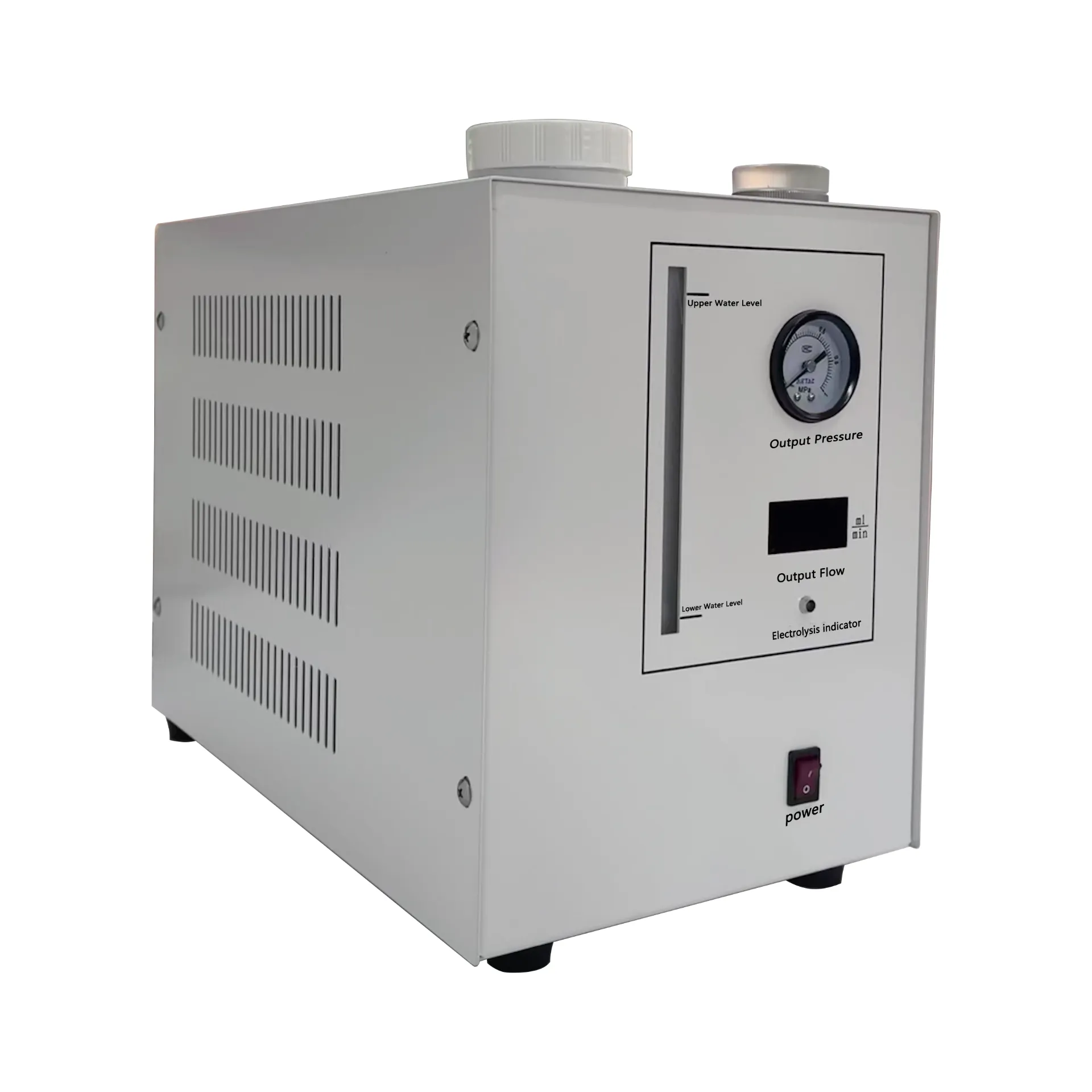
The process begins with a high-purity carrier gas (e.g., helium, nitrogen, hydrogen), which acts as the mobile phase, continuously flowing through the system. For many GC applications, especially those using Flame Ionization Detectors (FID), high-purity hydrogen is critical. The PS-300 Hydrogen Generator Gas Chromatography Test Kit exemplifies a reliable current generator solution, producing hydrogen with purities often exceeding 99.999% via advanced electrolysis, ensuring minimal baseline noise and optimal detector performance. The manufacturing process for such generators involves precision CNC machining for gas flow paths and robust electrode materials to ensure longevity and consistent purity, adhering to ISO 9001 quality standards. These generators offer a typical service life of 5-7 years with proper maintenance, significantly reducing the operational costs associated with gas cylinders and enhancing safety.
2. Sample Injection
A small, precisely measured volume of the sample (typically liquid or gas) is introduced into the heated injection port. The injector rapidly volatilizes liquid samples and mixes them with the carrier gas. Materials for injector components, such as liners and septa, are selected for inertness and thermal stability, often precision-molded or machined to ANSI standards.
3. Chromatographic Separation (Column)
The volatilized sample, carried by the mobile phase, then enters the chromatographic column housed within a temperature-controlled oven. Columns are the heart of separation; they are typically made of fused silica (for capillary columns) or stainless steel (for packed columns). The stationary phase, an inert coating or packing material, interacts differently with each component of the sample based on factors like boiling point, polarity, and molecular weight. Components that interact less with the stationary phase and more with the mobile phase travel faster through the column, while those with stronger interactions are retained longer. This differential migration leads to separation.
Column manufacturing involves advanced coating techniques to ensure uniform film thickness and thermal stability of the stationary phase, crucial for repeatable separations. Typical service life for columns can range from months to several years, depending on sample matrix, temperature cycling, and maintenance.
4. Detection
As each separated component elutes from the column, it passes through a detector, which generates an electrical signal proportional to the concentration of the analyte. Common detectors include:
- Flame Ionization Detector (FID): Highly sensitive for organic compounds. Requires hydrogen and air for combustion, making hydrogen generators like the PS-300 essential.
- Thermal Conductivity Detector (TCD): Universal detector, less sensitive than FID but non-destructive. Ideal for inorganic gases.
- Electron Capture Detector (ECD): Highly sensitive for halogenated compounds.
- Mass Spectrometry (MS): Offers definitive identification by analyzing molecular fragments, commonly seen in gas chromatography mass spectrometry analysis (GC-MS).
5. Data Acquisition and Analysis
The detector's signal is sent to a data system (computer with chromatography software), which records it as a chromatogram—a plot of detector response versus time. Each peak on the chromatogram corresponds to a separated component, and its retention time (the time it took to elute) helps identify the compound, while its peak area or height quantifies its concentration.
Industry Trends and Technological Advancements in Gas Chromatography
The landscape of GC technology is continually evolving, driven by demands for higher throughput, greater sensitivity, enhanced portability, and reduced operational costs.
1. Miniaturization and Portability
Miniaturized GC systems are becoming increasingly prevalent, enabling on-site analysis in environmental monitoring, industrial process control, and even security applications. These compact devices offer faster analysis times and reduced carrier gas consumption, broadening the accessibility of GC technology beyond traditional laboratories.
2. Advanced Automation and Online Gas Chromatography Analyzers
Automation is key to improving efficiency and data reliability. Modern GC systems feature robotic autosamplers, automated method development, and self-diagnosis capabilities. Online gas chromatography analyzers are designed for continuous, real-time monitoring of process streams in industries such as petrochemicals and natural gas. These systems provide immediate feedback, allowing for proactive adjustments and optimizing process efficiency, which is critical for operations involving natural gas chromatograph applications where rapid composition changes can significantly impact product quality or safety.
3. Enhanced Detectors and Hyphenated Techniques
The development of more sensitive and selective detectors continues, pushing the limits of trace analysis. Hyphenated techniques, particularly gas chromatography mass spectrometry analysis (GC-MS), remain at the forefront for unambiguous compound identification and quantification. The integration of advanced data processing algorithms, including AI and machine learning, further enhances the interpretability and predictive power of GC-MS data.
4. Green Chemistry Initiatives
There's a growing emphasis on environmentally friendly practices. This includes reducing solvent usage through techniques like headspace and solid-phase microextraction (SPME) and utilizing safer, on-demand gas generation solutions. Hydrogen generators, like the PS-300, contribute significantly by eliminating the need for high-pressure gas cylinders, thus improving laboratory safety and reducing carbon footprint.
Technical Specifications: PS-300 Hydrogen Generator and GC Integration
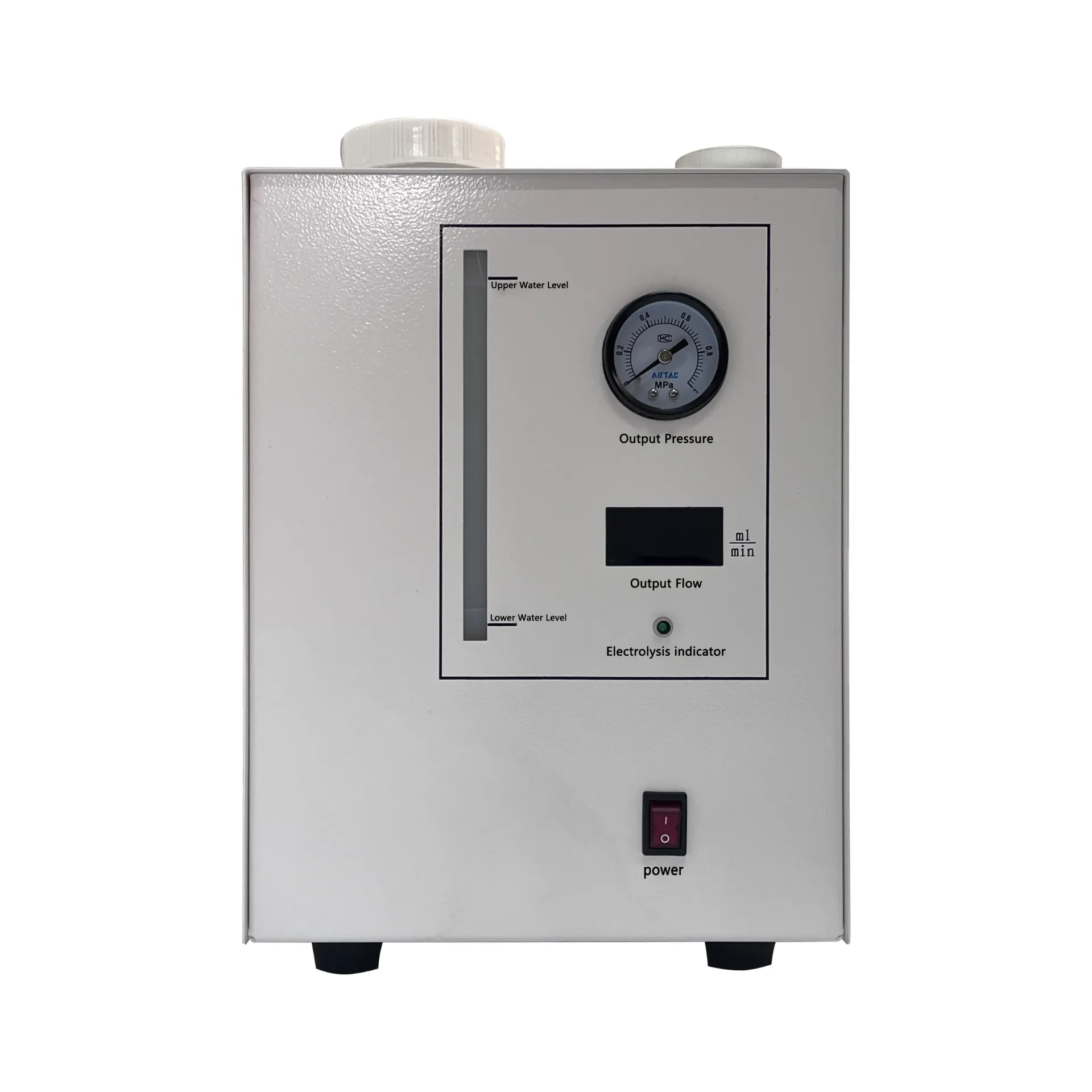
The performance of a gas chromatograph is intrinsically linked to the quality and consistency of its consumables, particularly the carrier and detector gases. The PS-300 Hydrogen Generator is specifically engineered to provide a stable and ultra-pure hydrogen supply, crucial for optimal GC operation, especially for FID, FPD, and TCD applications. Below are typical specifications for a high-quality hydrogen generator suitable for GC.
PS-300 Hydrogen Generator Specifications
These specifications highlight the PS-300's capability to deliver consistent, high-purity hydrogen, directly impacting the precision and reliability of GC analysis. The stability of the gas supply is paramount for achieving low detection limits and robust quantification, particularly for demanding applications where trace components are critical.
Application Scenarios for Gas Chromatography
The versatility of the working of gas chromatography makes it indispensable across a vast array of industries. From ensuring product quality to environmental compliance, GC provides critical analytical insights.
1. Petrochemical and Oil & Gas Industry
GC is vital for characterizing crude oil, refined products, and natural gas. Applications include compositional analysis of fuels, purity checks of petrochemical feedstocks, and quality control of liquefied petroleum gas (LPG). Specifically, a natural gas chromatograph is used to determine the calorific value and precise component breakdown (methane, ethane, propane, etc.), crucial for pricing and pipeline integrity. The ability to monitor processes in real-time with an online gas chromatography analyzer reduces off-spec production and improves safety. Its corrosion resistance is paramount when dealing with sulfur-containing compounds.
2. Environmental Monitoring
Detecting trace pollutants in air, water, and soil samples is a primary GC application. This includes volatile organic compounds (VOCs), pesticides, and semi-volatile organic compounds (SVOCs). GC-MS is particularly powerful here for identifying unknown contaminants and ensuring regulatory compliance with environmental standards. Energy saving modes are crucial for continuous monitoring stations.
3. Pharmaceutical and Biotech
In pharmaceuticals, GC is used for residual solvent analysis in drug manufacturing, purity testing of raw materials and active pharmaceutical ingredients (APIs), and identifying impurities. Compliance with pharmacopeial methods (e.g., USP, EP) is strictly enforced, requiring highly reliable GC systems.
4. Food and Beverage Analysis
GC helps in flavor profiling, detecting adulterants, assessing food spoilage indicators, and analyzing nutritional content. For example, it can identify specific fatty acids in oils or measure alcohol content in beverages.
5. Forensics and Toxicology
GC-MS is a standard tool for drug screening, arson investigation (analyzing ignitable liquids), and identifying unknown substances in forensic samples.
Technical Advantages of Modern GC Systems and Hydrogen Generators
The continuous refinement of GC technology provides significant advantages for analytical laboratories and industrial processes.
- High Sensitivity and Selectivity: Advanced detectors (e.g., micro-ECD, specialized FIDs) and highly optimized columns allow for detection of analytes at picogram to femtogram levels, even in complex matrices. This is crucial for environmental trace analysis and pharmaceutical impurity testing.
- Speed and Throughput: Fast GC techniques, using shorter and narrower columns with higher carrier gas flow rates, significantly reduce analysis times, boosting laboratory productivity. Automation further enables high-throughput sample processing.
- Robustness and Reliability: Modern GC instruments are built for continuous operation in demanding environments. Components are designed for longevity, reducing maintenance and downtime. Certifications like CE and ISO 9001 attest to manufacturing quality.
- Enhanced Safety with On-Demand Gas Generation: Utilizing a current generator like the PS-300 for hydrogen eliminates the safety risks associated with storing and handling high-pressure gas cylinders. On-demand generation means only small volumes of hydrogen are present at any time, significantly reducing explosion hazards and improving laboratory safety protocols.
- Cost-Effectiveness: While the initial gas chromatography instrument price can vary, the long-term operational costs are often reduced by using hydrogen generators (eliminating recurring cylinder rental/purchase, delivery, and handling fees) and by the high efficiency and low maintenance of modern GC systems.
- Ease of Use and Intelligent Software: User-friendly interfaces, pre-programmed methods, and intelligent software for data interpretation and reporting streamline operation, even for less experienced users. Remote monitoring and diagnostics are also increasingly common.
Vendor Comparison: Hydrogen Generators for GC
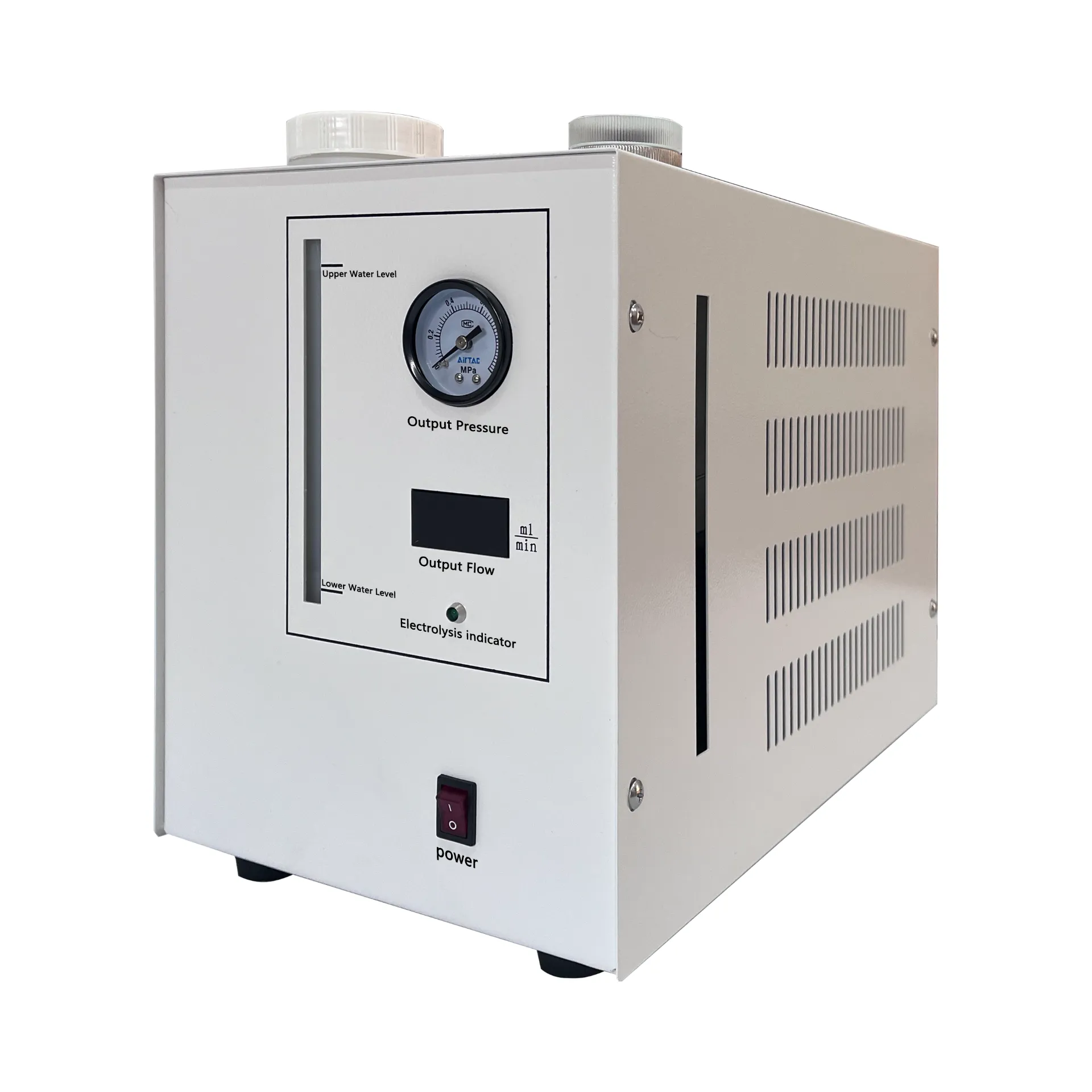
When selecting a hydrogen generator for GC applications, several factors beyond the initial gas chromatography instrument price come into play. Reliability, gas purity, flow rate stability, and support are paramount. Here's a comparative overview of typical considerations among different vendor offerings, with the PS-300 serving as a strong benchmark.
The PS-300 excels in providing essential purity and flow rates for standard GC applications, striking a balance between performance and cost-effectiveness. While premium models might offer higher flow rates or more advanced connectivity for highly specialized or fully automated labs, the PS-300 meets the stringent requirements for most analytical workloads, including those involving sensitive gas chromatography mass spectrometry analysis. Its robust design ensures reliable operation, backed by standard industry certifications.
Customized Solutions and Application Case Studies
The diverse requirements of different industries often necessitate customized GC solutions. Our expertise lies in configuring systems, including hydrogen generators and other GC peripherals, to meet specific analytical challenges.
Customization Examples:
- Dedicated Natural Gas Chromatograph for BTU Analysis: Tailoring column configurations and detectors (e.g., dual TCDs) for rapid and precise measurement of calorific value and hydrocarbon composition in natural gas streams, compliant with ASTM D1945.
- Trace Impurity Analysis in Ultra-High Purity Gases: Integrating specialized sample enrichment systems (e.g., cryotrapping) with high-sensitivity detectors and custom-designed hydrogen generators for the analysis of impurities in industrial gases used in semiconductor manufacturing.
- Environmental Water Analysis for VOCs: Combining purge-and-trap autosamplers with GC-MS systems and reliable hydrogen generation for automated, high-throughput analysis of volatile organic compounds in drinking water, meeting EPA methods.
Application Case Study: Enhanced Efficiency in a Petrochemical Plant
Client: Major petrochemical company operating a cracking unit.
Challenge: The client required continuous, accurate monitoring of alkene/alkane ratios in their production stream to optimize reaction conditions and ensure product quality. Their existing cylinder-based hydrogen supply for their online gas chromatography analyzer was unreliable, leading to frequent gas run-outs, costly cylinder changes, and inconsistent detector performance (baseline drift) due to varying gas purity.
Solution: We implemented a PS-300 Hydrogen Generator, integrated directly with their existing natural gas chromatograph (an online gas chromatography analyzer model). The PS-300 provided a continuous, on-demand supply of 99.999% pure hydrogen.
Results:
- Operational Cost Reduction: Annual savings of approximately $8,000 due to elimination of cylinder purchases, rentals, and logistics.
- Improved Uptime: Zero downtime attributed to hydrogen supply issues over 18 months of operation.
- Enhanced Analytical Performance: Stable FID baseline, resulting in improved signal-to-noise ratio and greater precision in quantification of critical components. This allowed for tighter process control and reduced off-spec product batches.
- Increased Safety: Eliminated the handling of high-pressure cylinders, significantly reducing workplace safety risks.
FAQ, Lead Time, Warranty, and Support
Ensuring customer satisfaction and operational continuity is paramount. We provide comprehensive support throughout the lifecycle of our products, from initial consultation to after-sales service.
Frequently Asked Questions (FAQ)
Q: How does a hydrogen generator improve the working of gas chromatography?
A: A hydrogen generator provides a consistent, high-purity (e.g., 99.999%) hydrogen supply, crucial for stable baseline, reduced noise, and optimal sensitivity in GC detectors like FID. This eliminates purity variations and contaminants often found in cylinder gases, directly enhancing the accuracy and reliability of your GC results.
Q: What is the typical lead time for a PS-300 Hydrogen Generator?
A: Standard lead time for the PS-300 is 2-4 weeks from order confirmation, depending on current inventory and order volume. Expedited shipping options are available upon request.
Q: Is the PS-300 compatible with my existing gas chromatography instrument price?
A: The PS-300 is designed for broad compatibility with most commercially available GC systems requiring hydrogen for carrier gas or detector fuel. It provides adjustable flow rates and pressures to match specific instrument requirements. Our technical team can assist in verifying compatibility.
Q: What maintenance does the PS-300 require?
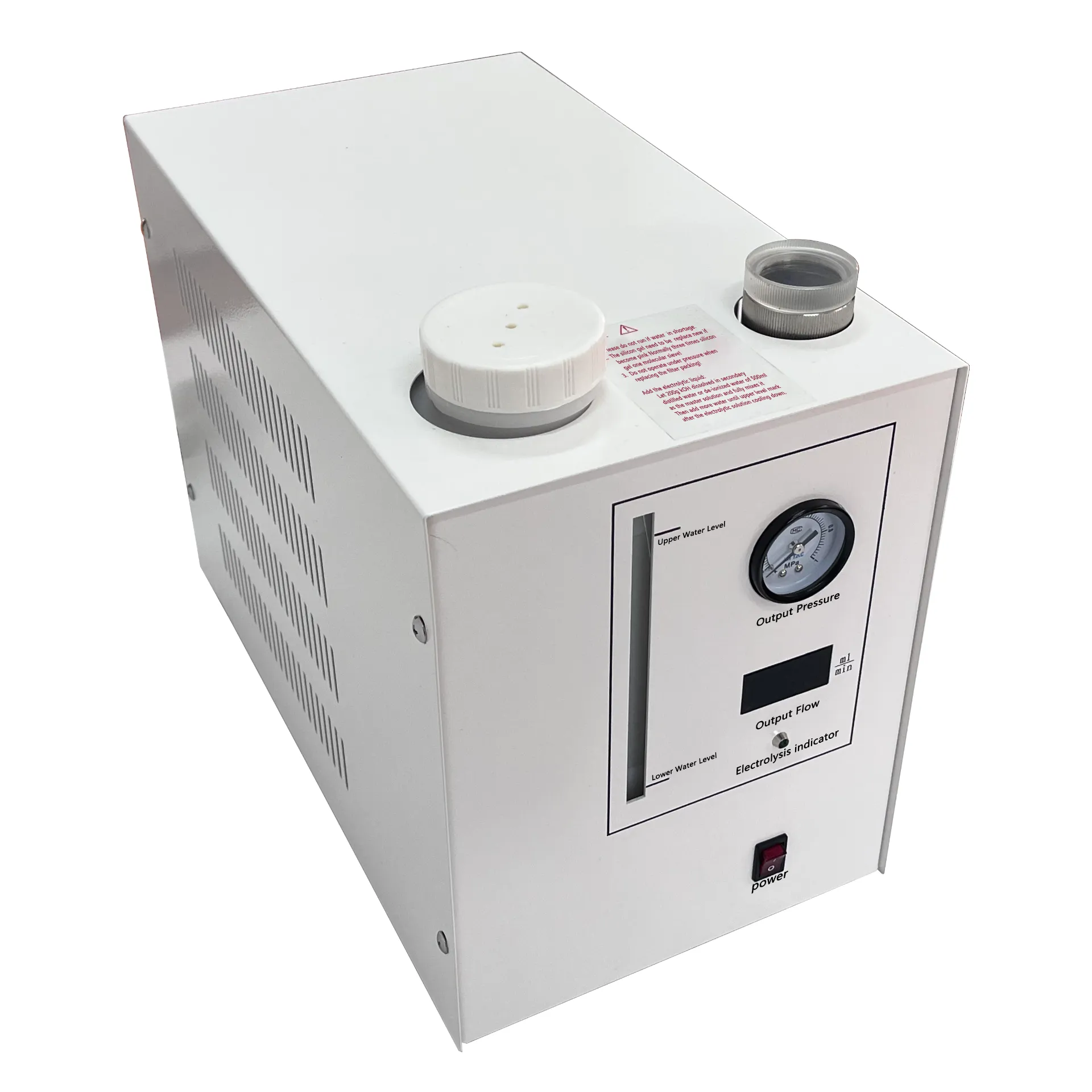
A: The PS-300 is designed for low maintenance. Regular checks include ensuring an adequate supply of deionized water and periodic replacement of the deionizing cartridge, typically every 6-12 months depending on water quality and usage. Detailed maintenance schedules are provided in the user manual.
Lead Time and Fulfillment
We maintain a streamlined manufacturing and logistics process to ensure timely delivery. For standard orders, fulfillment typically occurs within 15-20 business days. For customized solutions or large-volume orders, lead times will be communicated clearly upon quotation, factoring in specific material sourcing and assembly requirements. All products undergo rigorous final testing prior to shipment to ensure they meet specified performance parameters and ISO/ANSI standards.
Warranty Commitments
The PS-300 Hydrogen Generator comes with a standard 12-month limited warranty covering manufacturing defects and component failures under normal operating conditions. Extended warranty options and service contracts are available to provide additional peace of mind and maximize the operational lifespan of your investment. Warranty terms are clearly outlined in the product documentation.
Customer Support and After-Sales Service
Our commitment extends beyond product delivery. We offer comprehensive customer support, including:
- Technical Assistance: Our team of experienced engineers and application specialists provides expert guidance for installation, operation, and troubleshooting.
- Training: On-site or remote training sessions can be arranged to ensure your personnel are proficient in operating and maintaining the equipment.
- Spare Parts and Consumables: A readily available inventory of genuine spare parts and consumables minimizes downtime.
- Preventative Maintenance Programs: Tailored service agreements designed to optimize performance and extend the lifespan of your hydrogen generator.
References
- Chromatography Today. "Advancements in Gas Chromatography."
- American Society for Testing and Materials (ASTM). "Standard Test Method for Analysis of Natural Gas by Gas Chromatography."
- U.S. Environmental Protection Agency (EPA). "Methods for the Determination of Organic Compounds in Drinking Water."
- Journal of Chromatography A. "Recent trends in gas chromatography: instrumentation and applications."
- International Organization for Standardization (ISO). "ISO 9001: Quality Management Systems - Requirements."
-
Find the Best Loop Impedance Tester for Sale and Ensure Electrical SafetyNewsMar.31,2026
-
Comprehensive Guide to Loop Impedance Meter for Electrical SafetyNewsMar.28,2026
-
Understanding and Choosing a Line Impedance Tester for Optimal Network PerformanceNewsMar.26,2026
-
Comprehensive Guide to Line Earth Loop Impedance Test for Electrical SafetyNewsMar.24,2026
-
Comprehensive Guide to Fault Loop Impedance Meter and Electrical SafetyNewsMar.21,2026
-
Comprehensive Guide to External Loop Impedance Test for Electrical SafetyNewsMar.19,2026


