 English



Comprehensive Guide to Battery Impedance Tester Price and Selection
Understanding Battery Impedance Tester Price: A Comprehensive Guide
Choosing the right battery impedance tester is crucial for maintaining battery health and ensuring optimal performance in various applications. The battery impedance tester price can vary significantly based on features, accuracy, and intended use. This article provides an in-depth look at the factors influencing the price of these testers, common types available, and what to consider when making a purchase. We’ll explore different price points and the corresponding capabilities, helping you make an informed decision based on your specific needs.
Factors Influencing Battery Impedance Tester Price
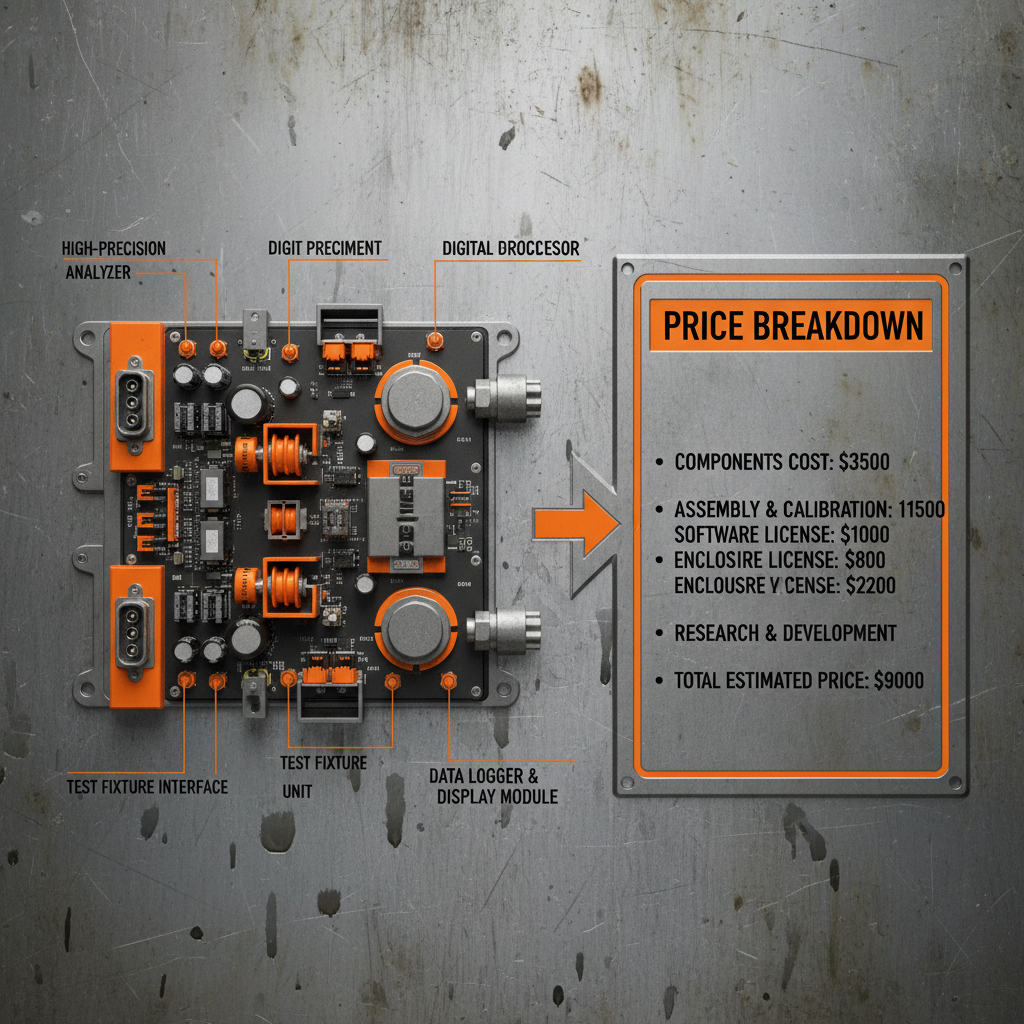
Several key factors contribute to the price of a battery impedance tester. These include the testing frequency range, accuracy levels, the number of test points supported, and the complexity of the software. Higher-end models offering a broader frequency range and more precise measurements will naturally command a higher price. Additionally, testers designed for specific battery types (e.g., lithium-ion, lead-acid) may be priced differently than universal testers. Features like data logging, report generation, and PC connectivity also impact the overall cost. Finally, the manufacturer's reputation and level of customer support are also considered in the pricing structure.
Key Highlights: Accuracy, testing frequency range, battery type compatibility, and software features are prime factors affecting the price of a battery impedance tester.
Types of Battery Impedance Testers and Their Price Ranges
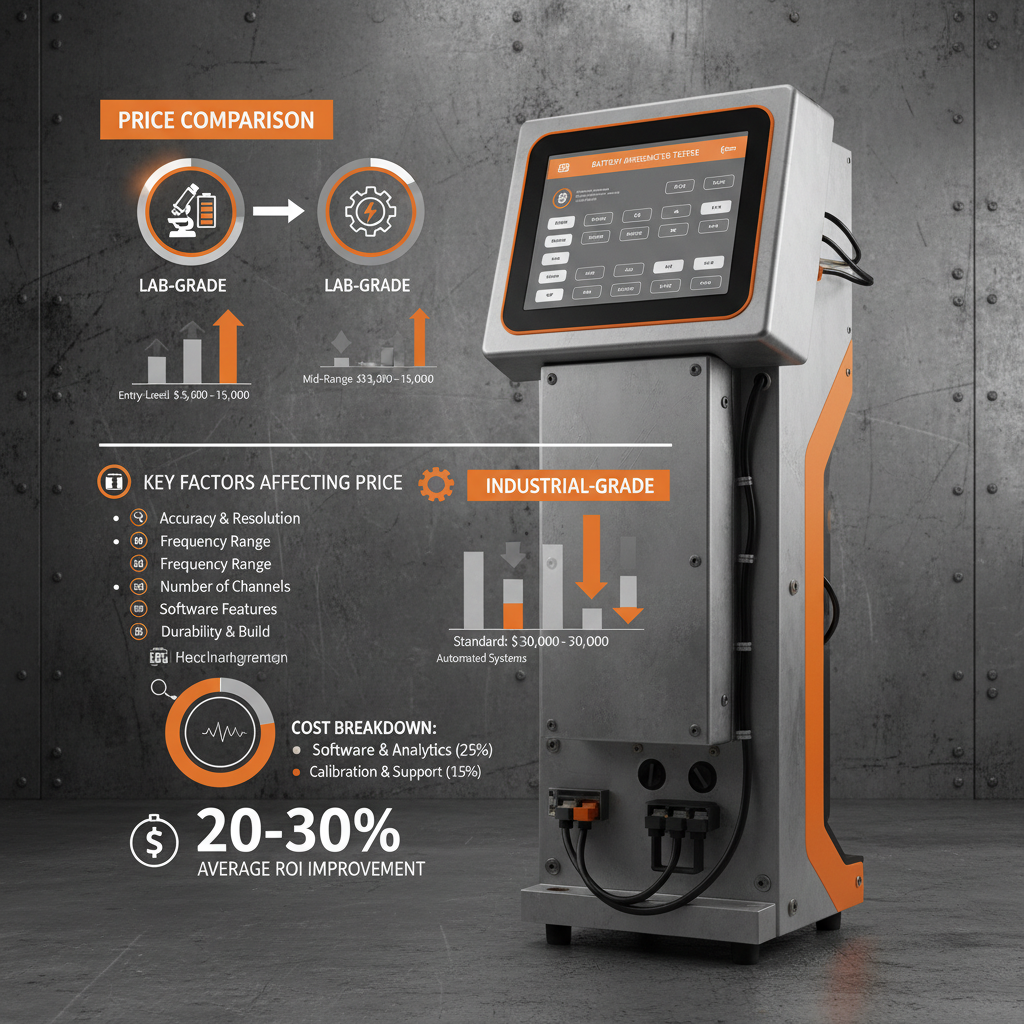
Battery impedance testers come in a variety of types, each suited for different applications and budgets. Milliohm meters are generally the most affordable, starting around $100-$300. These are ideal for quick checks of internal resistance in batteries. AC impedance analyzers offer more precise measurements and a wider frequency range, typically ranging from $500 to $2,000. Four-terminal impedance testers, known for their high accuracy, can cost between $1,000 and $5,000 or more. Finally, automated battery testing systems designed for large-scale production environments can reach prices of $10,000 and beyond. Understanding these different types is crucial for finding a tester that meets your needs and budget.
Tester Type Overview:
• Milliohm Meters: $100 - $300
• AC Impedance Analyzers: $500 - $2,000
• Four-Terminal Testers: $1,000 - $5,000+
• Automated Systems: $10,000+
Battery Impedance Tester Price Comparison: Key Features
Here’s a comparison of different battery impedance testers, outlining their key features and approximate price points. This will help you understand the trade-offs between cost and functionality. When choosing a tester, consider the types of batteries you'll be testing, the required accuracy, and the frequency of testing. For simple maintenance checks, a milliohm meter might suffice, while research and development applications may necessitate a more sophisticated AC impedance analyzer. Push Tester offers a range of solutions to fit various needs.
Choosing the Right Tester: Considering Your Needs
When selecting a battery impedance tester, consider the specific battery technologies you work with, the required accuracy for your applications, and the volume of testing you anticipate. For simple applications, a basic milliohm meter may suffice. However, for more complex testing scenarios or research purposes, an AC impedance analyzer or four-terminal tester will provide more reliable and detailed results. Remember to factor in the cost of accessories, software upgrades, and calibration services when calculating the total cost of ownership. Explore options from reputable manufacturers like Push Tester to ensure quality and reliable performance.
Conclusion: Investing in Accurate Battery Testing
Final Thoughts
Investing in a high-quality battery impedance tester is essential for maintaining battery health, preventing failures, and optimizing performance. The battery impedance tester price varies depending on features and accuracy. By carefully considering your specific needs and budget, you can find the right tester to ensure reliable and accurate results. Don’t compromise on the quality of your testing equipment – choose a solution that will provide long-term value and protect your investment.
Frequently Asked Questions (FAQs)
What is battery impedance and why is it important to measure it?
Battery impedance is a measure of the opposition to the flow of alternating current (AC) within a battery. It's an important indicator of the battery's internal health and performance. High impedance signifies increased internal resistance, which can lead to reduced capacity, lower voltage, and increased heat generation during charging and discharging. Regularly measuring impedance allows you to identify degrading batteries and predict potential failures before they occur. It helps optimize battery life and ensure reliable operation of the devices they power.
What battery types can an impedance tester be used on?
Most battery impedance testers can be used on a wide range of battery types, including lead-acid, lithium-ion, nickel-metal hydride (NiMH), and nickel-cadmium (NiCd). However, some testers are specifically designed for certain battery chemistries. When selecting a tester, check its specifications to ensure it's compatible with the types of batteries you'll be testing. The testing frequency range is particularly important, as different battery types require different frequencies for accurate impedance measurements.
How often should I test battery impedance?
The frequency of impedance testing depends on the application and the criticality of the batteries. For critical applications like uninterruptible power supplies (UPS) or electric vehicles, monthly or quarterly testing is recommended. For less critical applications, such as consumer electronics, testing can be performed annually or as needed. Regular testing helps establish a baseline and identify trends that indicate battery degradation. It’s also beneficial to test batteries before and after periods of storage or heavy use.
-
Find the Best Loop Impedance Tester for Sale and Ensure Electrical SafetyNewsMar.31,2026
-
Comprehensive Guide to Loop Impedance Meter for Electrical SafetyNewsMar.28,2026
-
Understanding and Choosing a Line Impedance Tester for Optimal Network PerformanceNewsMar.26,2026
-
Comprehensive Guide to Line Earth Loop Impedance Test for Electrical SafetyNewsMar.24,2026
-
Comprehensive Guide to Fault Loop Impedance Meter and Electrical SafetyNewsMar.21,2026
-
Comprehensive Guide to External Loop Impedance Test for Electrical SafetyNewsMar.19,2026


