 English



Comprehensive Guide to Speaker Impedance Testing and Tester Selection
Understanding and Choosing a Speaker Impedance Tester
Ensuring optimal audio performance requires accurate measurement and understanding of speaker impedance. A speaker impedance tester is a crucial tool for audio engineers, technicians, and DIY enthusiasts alike. This article delves into the world of impedance testing, explaining what it is, why it's important, different types of testers, and how to choose the right one for your needs. From troubleshooting audio issues to verifying speaker specifications, a reliable tester is an indispensable asset.
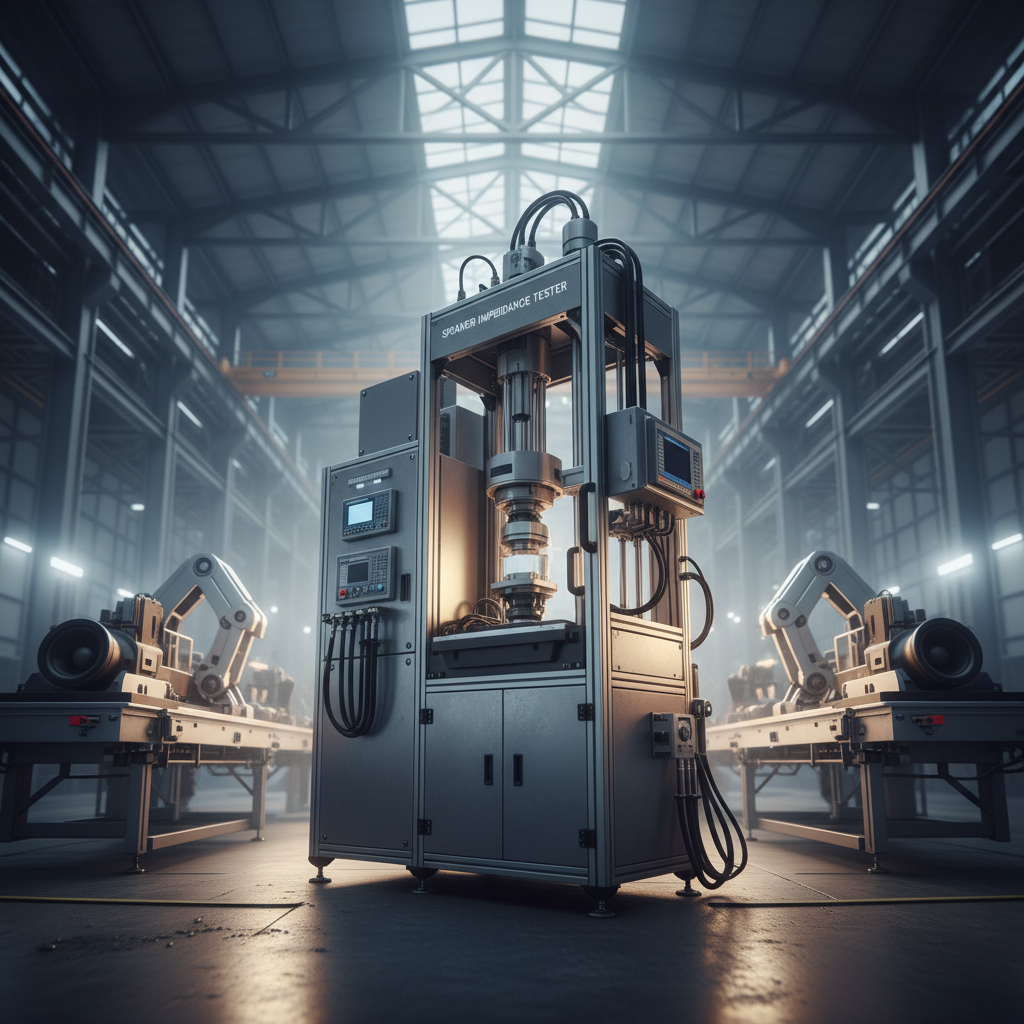
What is Speaker Impedance and Why Does it Matter?
Speaker impedance, measured in ohms (Ω), is the resistance a speaker offers to the flow of electrical current. It's not a fixed value, but rather a frequency-dependent one, meaning it changes as the frequency of the audio signal changes. Most speakers are rated at 4Ω, 6Ω, or 8Ω. Matching the speaker impedance to your amplifier’s output impedance is crucial for efficient power transfer and preventing damage. A mismatch can lead to distortion, reduced volume, or even amplifier failure. Understanding impedance curves allows professionals to predict speaker behavior and optimize system performance. Push Tester offers solutions for accurately measuring these parameters.
Key Takeaway: Impedance mismatch can significantly degrade audio quality and potentially damage equipment. Accurate impedance measurement is vital for system optimization and troubleshooting.
Types of Speaker Impedance Testers
Several types of speaker impedance testers are available, each with its own strengths and weaknesses. These include:
- Digital Multimeters (DMMs): While DMMs can measure resistance, they are not ideal for impedance testing as they provide a DC resistance reading, not the AC impedance speakers present.
- LCR Meters: These meters measure inductance, capacitance, and resistance, making them suitable for comprehensive speaker analysis. They offer greater accuracy than DMMs but can be more complex to use.
- Impedance Analyzers: These are specialized instruments designed specifically for impedance testing. They offer high accuracy, detailed impedance curves, and often include software for data analysis. Push Tester's analyzers offer state-of-the-art performance.
- DIY Testers: Kits and schematics are available for building your own impedance tester, which can be a cost-effective option for hobbyists.
Choosing the Right Tester:
• For basic troubleshooting, an LCR meter may suffice.
• For detailed speaker analysis and professional applications, an impedance analyzer is recommended.
• DIY options are suitable for hobbyists with some electronics knowledge.
Comparing Popular Speaker Impedance Testers
Here's a comparison of some popular speaker impedance testers:
Applications of Speaker Impedance Testing
Speaker impedance testing is essential for a variety of applications, including:
- Troubleshooting Audio Issues: Identifying impedance problems can help diagnose distortion, low volume, or amplifier failure.
- Speaker Matching: Ensuring compatibility between speakers and amplifiers for optimal performance.
- Speaker Design and Development: Analyzing impedance curves to refine speaker designs.
- Quality Control: Verifying that manufactured speakers meet specified impedance tolerances.
- DIY Audio Projects: Validating speaker impedance for custom builds and modifications.
Choosing the Right Speaker Impedance Tester: Key Considerations
When selecting a speaker impedance tester, consider the following factors:
- Accuracy: Higher accuracy is essential for professional applications.
- Frequency Range: Choose a tester that covers the frequency range of your audio system.
- Ease of Use: Opt for a tester with a clear display and intuitive controls.
- Features: Consider features like data logging, impedance curve plotting, and software integration.
- Budget: Testers range in price from under $100 to over $500.
Conclusion: Invest in Accurate Impedance Measurement
A reliable speaker impedance tester is a valuable investment for anyone involved in audio. Whether you're a professional audio engineer, a DIY enthusiast, or simply want to ensure optimal performance from your audio system, accurate impedance measurement is crucial.
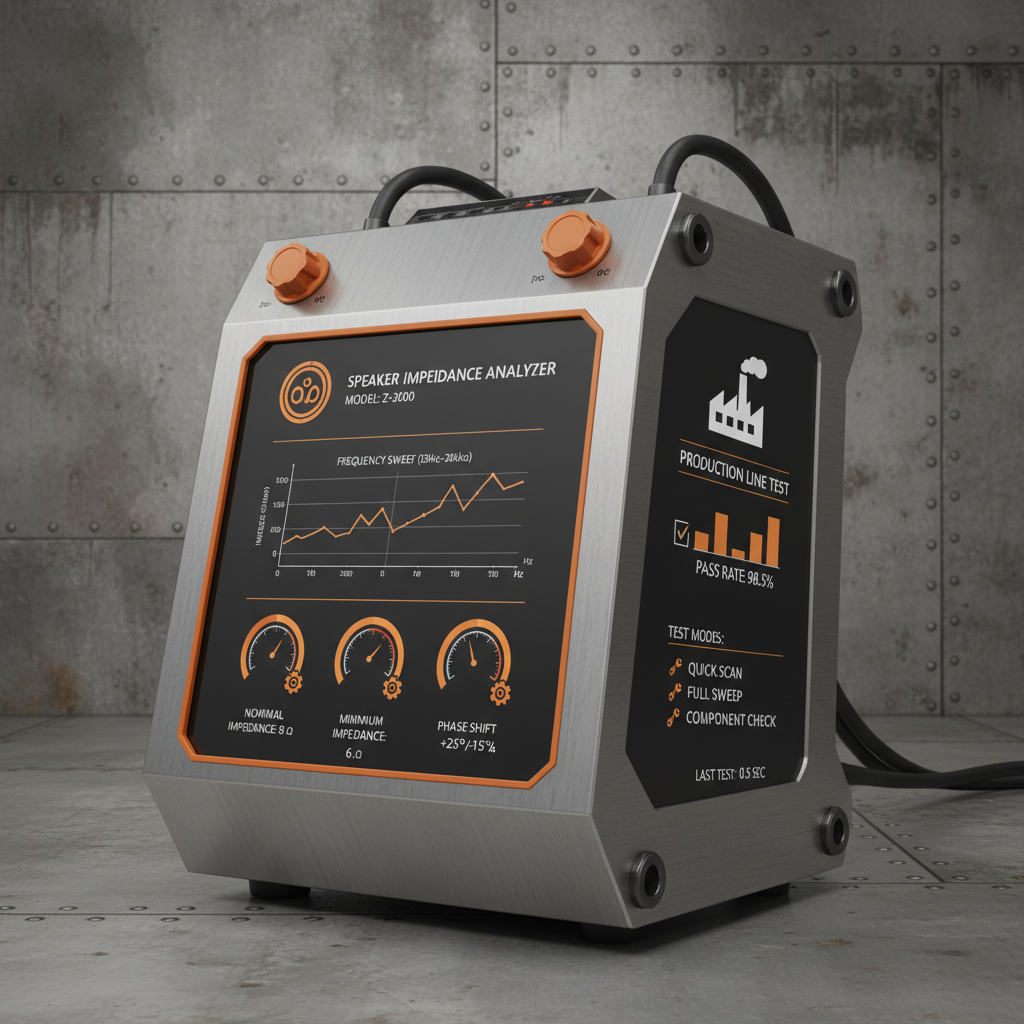
Frequently Asked Questions (FAQs)
What is the difference between impedance and resistance?
While often used interchangeably, impedance and resistance are not the same. Resistance is the opposition to current flow in a DC circuit, while impedance is the opposition to current flow in an AC circuit. Impedance includes resistance but also incorporates the effects of capacitance and inductance, which are frequency-dependent. Speakers present an impedance, not a simple resistance, because they respond to alternating current (AC) audio signals.
How do I interpret an impedance curve?
An impedance curve plots the speaker's impedance across a range of frequencies. It reveals the speaker's minimum impedance (which is crucial for amplifier compatibility) and any impedance peaks or dips. Peaks indicate resonance frequencies, while dips can indicate areas where the speaker may draw more current. Analyzing the curve helps determine how the speaker will interact with an amplifier and can highlight potential issues.
Can I use a multimeter to measure speaker impedance?
While a multimeter can measure DC resistance, it's not accurate for measuring speaker impedance. Speakers present an AC impedance that varies with frequency, and a multimeter provides a static DC resistance reading. This difference can lead to inaccurate results and potentially misinformed decisions about amplifier compatibility. An LCR meter or impedance analyzer is recommended for accurate impedance measurement.
-
Find the Best Loop Impedance Tester for Sale and Ensure Electrical SafetyNewsMar.31,2026
-
Comprehensive Guide to Loop Impedance Meter for Electrical SafetyNewsMar.28,2026
-
Understanding and Choosing a Line Impedance Tester for Optimal Network PerformanceNewsMar.26,2026
-
Comprehensive Guide to Line Earth Loop Impedance Test for Electrical SafetyNewsMar.24,2026
-
Comprehensive Guide to Fault Loop Impedance Meter and Electrical SafetyNewsMar.21,2026
-
Comprehensive Guide to External Loop Impedance Test for Electrical SafetyNewsMar.19,2026


