 English



Comprehensive Guide to Transformer Paper Insulation Testing and Maintenance
Transformer Paper Insulation Testing: A Comprehensive Guide
Maintaining the reliability of transformers is crucial for uninterrupted power distribution. A key aspect of this maintenance is transformer paper insulation testing, which assesses the condition of the cellulose insulation vital for the transformer's operation. This article provides a detailed overview of this testing process, its importance, methodologies, and the equipment used, focusing on how Push Tester delivers innovative solutions for accurate and efficient testing. Ignoring this critical process can lead to catastrophic failures and significant downtime.
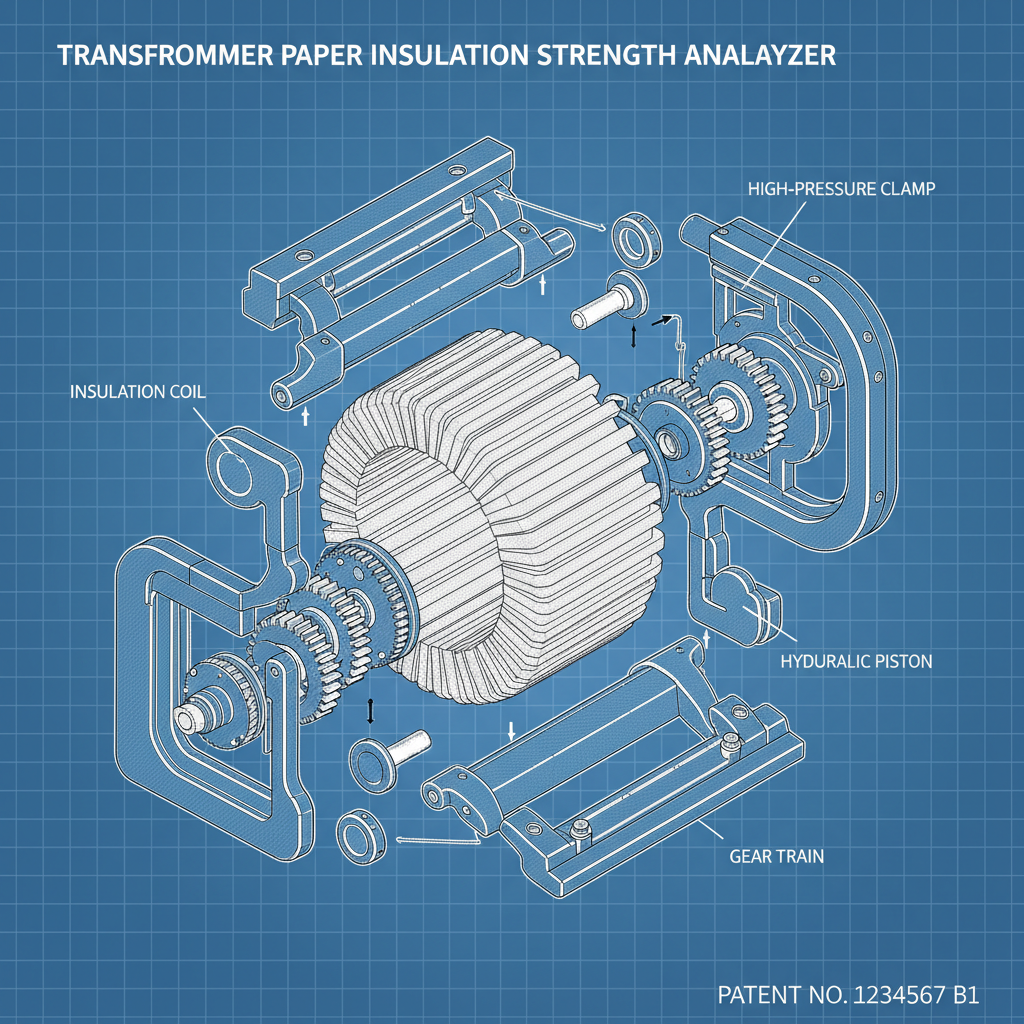
Understanding Transformer Paper Insulation
Transformer paper insulation, typically made of kraft paper or similar cellulose materials, serves as the primary dielectric barrier between energized components. Over time, this insulation degrades due to thermal aging, electrical stress, moisture, and oxidation. Monitoring the condition of this insulation is vital for predicting transformer lifespan and preventing unexpected failures. Key indicators of insulation degradation include a decrease in its dielectric strength and an increase in acidity. Push Tester's range of testing equipment helps accurately assess these critical parameters.
Key Takeaway: Regular monitoring of transformer paper insulation is proactive maintenance, preventing costly repairs and downtime.
Common Methods for Transformer Paper Insulation Testing
Several methods are employed to assess transformer paper insulation health. These include: Dielectric Breakdown Voltage (DBDV) testing, Insulation Resistance (IR) testing, Polarization Index (PI) testing, and Dissolved Gas Analysis (DGA). DBDV testing determines the voltage at which the insulation fails, indicating its dielectric strength. IR and PI tests measure the insulation's resistance and polarization characteristics, revealing moisture and contamination levels. DGA identifies gases produced by insulation decomposition, providing insights into the types and severity of degradation. Push Tester specializes in advanced testing equipment covering all these crucial methods.
Testing Method Benefits:
• DBDV: Measures dielectric strength
• IR/PI: Detects moisture and contamination
• DGA: Identifies insulation degradation products
Transformer Paper Insulation Testing with Push Tester Equipment
Push Tester offers a comprehensive suite of testing equipment designed for accurate and efficient transformer paper insulation analysis. Our products include high-voltage test sets for DBDV, insulation resistance meters, and DGA systems. We prioritize user-friendliness, reliability, and adherence to industry standards like IEC and IEEE. The ease of operation and accurate results provided by our equipment empower technicians to proactively manage transformer health and prevent costly failures.
The Importance of Routine Testing and Data Analysis
Consistent and routine transformer paper insulation testing, combined with thorough data analysis, is the cornerstone of preventative maintenance. Tracking trends in test results allows for early detection of insulation degradation, enabling timely interventions before failures occur. Data analysis can identify patterns indicative of specific issues, such as localized overheating or moisture ingress. Push Tester’s software solutions are designed to streamline data analysis, providing actionable insights for informed decision-making.
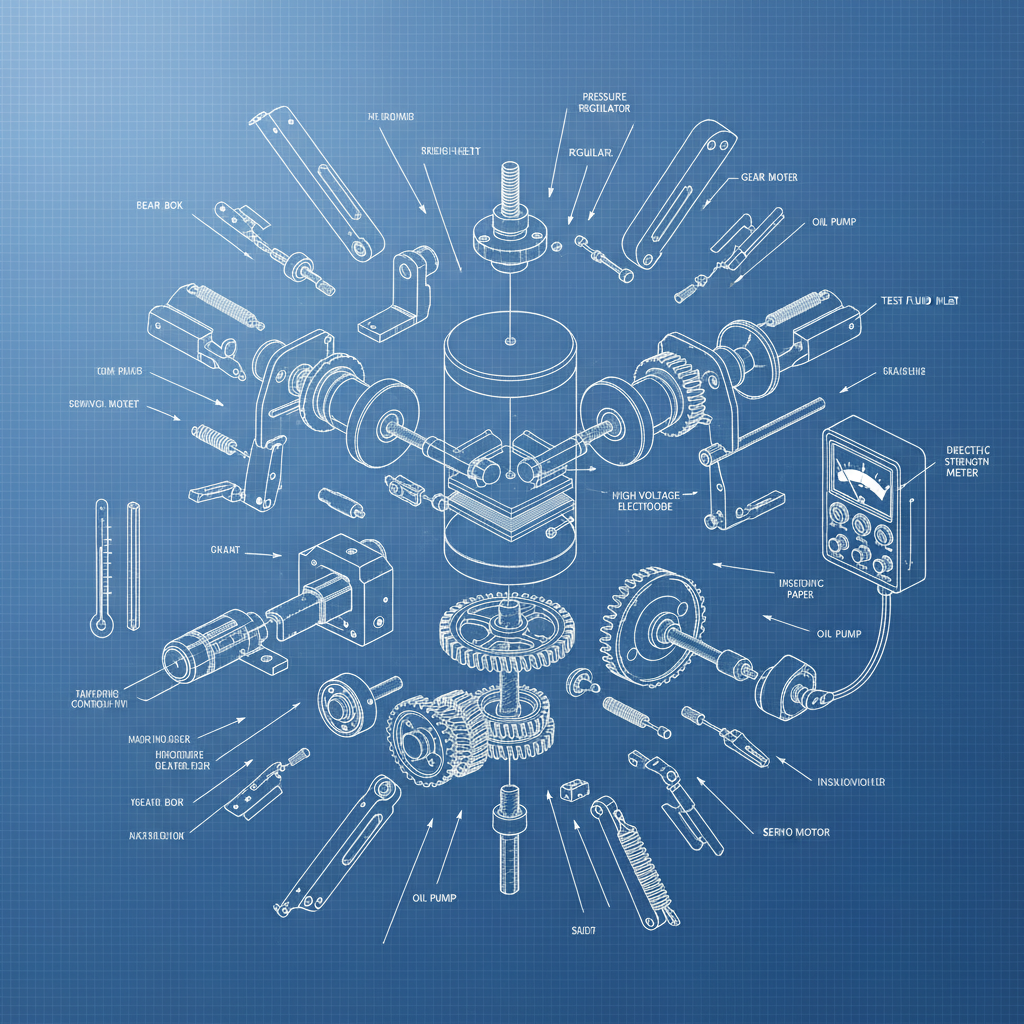
Conclusion: Investing in Proactive Transformer Maintenance
Prioritizing transformer health through regular paper insulation testing is a smart investment. Push Tester provides the advanced equipment and expertise to ensure reliable transformer operation, minimizing downtime and maximizing asset lifespan. Don't wait for a failure – proactively protect your power infrastructure with Push Tester.
Frequently Asked Questions (FAQs)
How often should transformer paper insulation be tested?
The frequency of testing depends on several factors, including the transformer's age, loading, operating environment, and maintenance history. As a general guideline, routine testing should be performed annually for critical transformers and every 2-3 years for less critical units. After major maintenance or repairs, testing should always be conducted to verify the integrity of the insulation. Push Tester can assist in developing a tailored testing schedule based on your specific needs.
What factors accelerate transformer paper insulation degradation?
Several factors contribute to the degradation of transformer paper insulation. These include: high operating temperatures, moisture contamination, oxygen exposure, oil contamination, and electrical stress. Overloading the transformer can significantly increase operating temperatures, accelerating aging. Regular oil analysis and moisture control are crucial for mitigating these effects. Proper ventilation and avoiding contamination are also vital for maximizing insulation lifespan.
What are the warning signs of failing transformer insulation?
Warning signs of failing transformer insulation include: increasing levels of dissolved gases (DGA), low insulation resistance readings, reduced dielectric breakdown voltage, discoloration of the oil, and evidence of moisture contamination. A sudden increase in gas levels or a significant drop in insulation resistance should be investigated immediately. Regular monitoring and early detection are crucial for preventing catastrophic failures.
-
Find the Best Loop Impedance Tester for Sale and Ensure Electrical SafetyNewsMar.31,2026
-
Comprehensive Guide to Loop Impedance Meter for Electrical SafetyNewsMar.28,2026
-
Understanding and Choosing a Line Impedance Tester for Optimal Network PerformanceNewsMar.26,2026
-
Comprehensive Guide to Line Earth Loop Impedance Test for Electrical SafetyNewsMar.24,2026
-
Comprehensive Guide to Fault Loop Impedance Meter and Electrical SafetyNewsMar.21,2026
-
Comprehensive Guide to External Loop Impedance Test for Electrical SafetyNewsMar.19,2026


