 anglisy



-
 Afrikaans
 -
 Albanian
 -
 Amharic
 -
 Arabic
 -
 Armenian
 -
 Azerbaijani
 -
 Basque
 -
 Belarusian
 -
 Bengali
 -
 Bosnian
 -
 Bulgarian
 -
 Catalan
 -
 Cebuano
 -
 China
China -
 China (Taiwan)
 -
 Corsican
 -
 Croatian
 -
 Czech
Czech -
 Danish
 -
 Dutch
Dutch -
 English
 -
 Esperanto
 -
 Estonian
 -
 Finnish
 -
 French
 -
 Frisian
 -
 Galician
 -
 Georgian
 -
 German
 -
 Greek
Greek -
 Gujarati
 -
 Haitian Creole
 -
 hausa
hausa -
 hawaiian
 -
 Hebrew
 -
 Hindi
Hindi -
 Miao
Miao -
 Hungarian
 -
 Icelandic
 -
 igbo
igbo -
 Indonesian
 -
 irish
irish -
 Italian
 -
 Japanese
 -
 Javanese
 -
 Kannada
 -
 kazakh
 -
 Khmer
Khmer -
 Rwandese
 -
 Korean
 -
 Kurdish
 -
 Kyrgyz
 -
 Lao
Lao -
 Latin
Latin -
 Latvian
 -
 Lithuanian
 -
 Luxembourgish
 -
 Macedonian
 -
 Malgashi
 -
 Malay
Malay -
 Malayalam
 -
 Maltese
 -
 Maori
Maori -
 Marathi
 -
 Mongolian
 -
 Myanmar
 -
 Nepali
 -
 Norwegian
 -
 Norwegian
 -
 Occitan
 -
 Pashto
 -
 Persian
 -
 Polish
 -
 Portuguese
 -
 Punjabi
 -
 Romanian
 -
 Russian
 -
 Samoan
 -
 Scottish Gaelic
 -
 Serbian
 -
 Sesotho
 -
 Shona
Shona -
 Sindhi
 -
 Sinhala
 -
 Slovak
 -
 Slovenian
 -
 Somali
 -
 Spanish
 -
 Sundanese
 -
 Swahili
 -
 Swedish
 -
 Tagalog
 -
 Tajik
Tajik -
 Tamil
Tamil -
 Tatar
Tatar -
 Telugu
 -
 Thai
Thai -
 Turkish
 -
 Turkmen
 -
 Ukrainian
 -
 Urdu
Urdu -
 Uighur
 -
 Uzbek
Uzbek -
 Vietnamese
 -
 Welsh
Welsh -
 Bantu
Bantu -
 Yiddish
 -
 Yoruba
 -
 Zulu
Zulu
The Crucial Role of Engine Oil Analysis in Proactive Maintenance
In the demanding world of industrial machinery, fleet management, and power generation, engines are the heartbeat of operations. Their uninterrupted performance is paramount, and unexpected downtime can translate into staggering financial losses and significant operational disruptions. While routine maintenance schedules offer a baseline of care, they often fall short of providing the nuanced insights needed for truly predictive asset management. This is precisely where comprehensive engine oil analysis emerges as an indispensable tool. Far more than a simple laboratory test, it is a sophisticated diagnostic process that transforms lubricating oil from a mere functional fluid into a rich source of critical information. By meticulously examining the physical and chemical properties of oil samples, alongside the presence of wear metals and contaminants, organizations can gain an unparalleled understanding of their equipment's internal health. This proactive approach shifts maintenance from a reactive, crisis-driven model to a strategic, insight-led methodology, empowering decision-makers to anticipate potential failures, optimize maintenance intervals, and ultimately extend the operational life of their valuable assets. The goal is not merely to fix problems when they arise, but to prevent them from occurring, ensuring peak performance and maximizing return on investment.
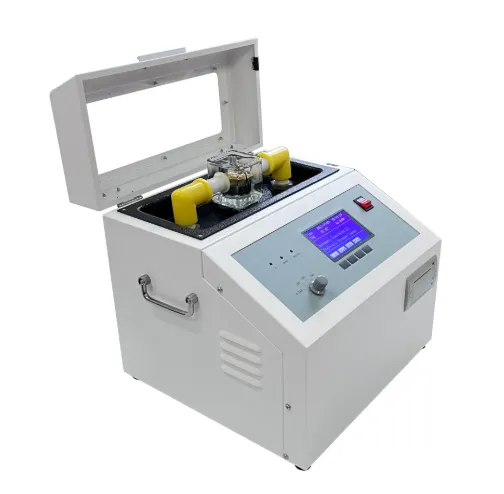
Unveiling Hidden Insights: The Science Behind Predictive Maintenance
The power of oil analysis lies in its ability to detect microscopic evidence of engine wear, contamination, and lubricant degradation long before these issues manifest as visible problems or mechanical failures. Technologically advanced laboratories employ a suite of sophisticated instruments to dissect an oil sample, revealing its story. For instance, Inductively Coupled Plasma (ICP) spectroscopy identifies and quantifies elemental wear metals such as iron, copper, chromium (indicating bearing, cylinder liner, or gear wear), as well as contaminants like silicon (dirt/dust ingress) and sodium/potassium (coolant leaks). Fourier Transform Infrared (FTIR) spectroscopy measures soot levels, oxidation, nitration, sulfation, and fuel dilution, revealing the oil's health and any combustion-related issues. Viscosity measurements are crucial for assessing the oil's film strength – a drop can indicate fuel dilution or extreme shear, while an increase can signify oxidation or soot loading. Particle counting techniques provide data on the size and concentration of solid contaminants, offering insights into filtration efficiency and internal component wear. Furthermore, tests like Total Acid Number (TAN) and Total Base Number (TBN) track the oil's ability to neutralize acids and its remaining protective additive package. Collectively, these analyses paint a detailed picture of what's happening inside an engine, allowing technicians to pinpoint specific component distress, identify root causes of contamination, and determine the precise moment when an oil change is truly necessary, rather than relying on arbitrary mileage or hour metrics. Studies consistently show that over 80% of major engine failures are preceded by detectable changes in oil condition weeks or even months prior, underscoring the profound technical advantage of this predictive methodology.
Quantifiable Returns: The Data-Driven Impact on Your Bottom Line
Investing in a robust oil analysis program delivers significant, measurable returns that directly impact an organization’s financial health. The most immediate benefit is a substantial reduction in unplanned downtime. Consider a commercial fleet: a single truck out of commission for a day can incur thousands of dollars in lost revenue, delivery penalties, and emergency repair costs. By detecting potential issues like developing bearing wear or coolant leaks early, oil analysis allows for scheduled, targeted maintenance during non-operational hours, often reducing unplanned downtime by up to 30%. Furthermore, it extends equipment lifespan considerably. Proactive intervention based on oil analysis data can prevent catastrophic component failures, effectively doubling the operational life of critical engines in many cases, delaying capital expenditures for new equipment by years. This translates directly to millions in deferred capital costs for large fleets or industrial operations. Optimized oil drain intervals, another direct outcome, lead to reduced lubricant consumption by up to 15-20% and lower disposal costs, contributing to environmental sustainability efforts. Repair costs are also dramatically lower; addressing a minor issue identified through oil analysis might cost a few hundred dollars, whereas a complete engine rebuild following a catastrophic failure can easily run into tens of thousands. For a mid-sized mining operation, implementing a comprehensive oil analysis program has been shown to reduce overall maintenance costs by 15-25% within the first year, yielding an impressive return on investment often exceeding 400% through a combination of enhanced productivity, extended asset life, and minimized repair expenses. The data unequivocally supports oil analysis as a powerful driver of operational efficiency and financial savings.
Navigating the Landscape: A Comparison of Leading Analysis Solutions
When selecting an engine oil analysis provider or establishing an in-house program, understanding the landscape of available solutions is crucial. Various factors differentiate providers, including accreditation, turnaround time, technological capabilities, reporting depth, and customer support. While an in-house lab offers immediate control, it demands significant initial investment in equipment, specialized training, and ongoing calibration. External laboratories, on the other hand, provide access to cutting-edge technology and expert interpretation without the overhead. Below is a comparative overview of typical offerings from different types of providers:
|
Feature/Provider Type |
Dedicated Commercial Lab (e.g., ALS Tribology, Polaris) |
OEM-Affiliated Lab (e.g., Caterpillar SOS, Shell LubeAnalyst) |
Specialized Industrial Lab (e.g., Bureau Veritas, Spectro Scientific partners) |
Advanced In-House Lab |
|
Accreditations |
ISO 17025 (standard), ASTM compliance. Broad industry recognition. |
Often proprietary standards, robust internal QA, may have ISO 17025. |
ISO 17025, specific industry standards (e.g., marine, aerospace). |
Depends on internal investment; can achieve ISO 17025 but requires significant effort. |
|
Turnaround Time (TAT) |
Typically 24-48 hours from sample receipt. Expedited options available. |
Often 24-72 hours, potentially faster for OEM-specific urgent cases. |
Similar to commercial labs, sometimes slightly longer for highly specialized tests. |
Immediate results for standard tests; more complex tests may take longer depending on equipment. |
|
Technological Scope |
Broadest range: ICP, FTIR, Viscosity, Particle Count, RULER, Karl Fischer, Ferrography. |
Strong focus on OEM-specific engines and lubricants, comprehensive. |
Specialized tests for unique industrial applications (e.g., aerospace, power). |
Limited by investment; typically basic ICP, Viscosity, FTIR, sometimes Particle Count. |
|
Reporting Detail & Interpretation |
Detailed reports with clear recommendations, historical trending, online portal access. |
Excellent OEM-specific analysis, often integrated with parts/service recommendations. |
Highly detailed, often with engineering consultations for specific industry challenges. |
Requires in-house expertise for interpretation; raw data often needs analysis. |
|
Cost Structure |
Competitive per-sample pricing, bulk discounts, flexible contracts. |
Often included or discounted with OEM service contracts/lubricants. |
Variable, sometimes higher for specialized tests, but value-driven for niche markets. |
High initial CAPEX, lower per-sample OPEX once established, but ongoing staff/consumable costs. |
|
Support & Consultation |
Dedicated technical support, training, data interpretation guidance. |
Strong OEM technical support, direct linkage to parts and service. |
Expert consultations, custom test package development. |
Internal expertise or reliance on external consultants. |
The optimal choice depends on factors like fleet size, operational criticality, budget, internal expertise, and the specific types of equipment being monitored. Many organizations find a hybrid approach – using external labs for routine analysis and in-house for immediate, critical checks – to be highly effective.
Engineering Precision: Tailoring Solutions to Your Unique Needs
One size rarely fits all in advanced maintenance strategies, and engine oil analysis is no exception. A truly effective program is not just about conducting tests; it’s about designing a bespoke solution that aligns perfectly with an organization’s operational realities, equipment specifics, and strategic objectives. For a heavy-duty trucking fleet, the focus might be on detecting fuel dilution, coolant leaks, and soot loading to maximize uptime and extend drain intervals across thousands of engines operating under varied conditions. In contrast, a marine vessel’s critical engine might require enhanced testing for seawater contamination, fuel quality, and specific wear metals indicative of propulsion system health, where failure is not an option far offshore. Power generation facilities, with their massive turbines and generators, demand highly specialized analysis to detect microscopic signs of lubricant degradation or bearing wear that could lead to catastrophic outages. This customization extends beyond the selection of specific test parameters. It involves determining appropriate sampling frequencies based on asset criticality and operating hours, establishing alarm limits tailored to particular engine models and operational environments, and integrating the analysis results seamlessly into existing Computerized Maintenance Management Systems (CMMS). Furthermore, customized reporting formats, on-site training for sampling technicians, and dedicated technical consultation services ensure that the data is not only accurate but also actionable, empowering maintenance teams to make informed decisions swiftly. This bespoke approach ensures that the investment in oil analysis yields maximum strategic value, directly addressing the most pressing challenges of each unique operational context.
Real-World Triumphs: Case Studies in Operational Excellence
The theoretical benefits of oil analysis are powerfully underscored by countless real-world successes across diverse industries. Consider a large aggregate mining operation that faced recurrent, costly failures of its heavy-duty excavator engines, leading to unscheduled downtime and significant production losses. By implementing a rigorous oil analysis program, the team began to regularly sample engine oil. Within months, an increasing trend of silicon and aluminum in the oil samples from one particular excavator was detected, indicating accelerated dirt ingestion. Further investigation revealed a compromised air filtration system, which was then promptly repaired. This proactive intervention, costing a mere fraction of a major engine overhaul, prevented what would have been an estimated $80,000 engine rebuild and a week of lost production. In another instance, a municipal bus fleet using oil analysis identified elevated levels of sodium and potassium in several bus engines. This immediately flagged potential coolant leaks, which were confirmed upon inspection and repaired before any severe engine damage occurred. This early detection program prevented multiple engine failures, saving the municipality an estimated $250,000 in repair costs annually and ensuring uninterrupted public transport service. A critical power plant avoided a catastrophic turbine bearing failure thanks to vigilant oil analysis. A gradual increase in lead and tin levels in the lubricant, coupled with a slight rise in particle count, signaled incipient bearing wear. The plant was able to schedule a controlled shutdown for bearing replacement during off-peak hours, averting an emergency shutdown that would have cost millions in lost power generation and grid instability. These cases exemplify how engine oil analysis moves beyond mere diagnostics to become a cornerstone of operational resilience and financial prudence.
Future-Proofing Your Assets with Proactive Engine Oil Analysis
As industries continue to evolve, driven by demands for greater efficiency, sustainability, and reliability, the role of predictive maintenance will only expand. At the forefront of this evolution is engine oil analysis, a technology that has proven its worth as an indispensable tool for maintaining peak operational performance and safeguarding critical assets. From detecting nascent wear patterns to identifying critical contamination, oil analysis provides an unparalleled diagnostic window into the internal health of engines, enabling organizations to transition from reactive repairs to strategic, data-driven interventions. The financial benefits are clear: reduced downtime, extended asset life, optimized maintenance schedules, and significantly lower repair costs. Looking ahead, the integration of advanced analytics, artificial intelligence, and machine learning will further enhance the predictive capabilities of oil analysis, allowing for even more granular insights and automated decision support. Real-time sensor technology, combined with traditional lab analysis, promises to deliver continuous monitoring, providing immediate alerts and enabling dynamic adjustments to operational parameters. Ultimately, a robust engine oil analysis program is not merely a maintenance expense; it is a strategic investment in the longevity, reliability, and profitability of your operations. By embracing this proactive approach, businesses can future-proof their assets, achieve operational excellence, and secure a competitive advantage in an increasingly demanding global landscape.
Frequently Asked Questions About Engine Oil Analysis
Here are some common questions regarding engine oil analysis:
Q: What exactly is engine oil analysis?
A: Engine oil analysis is a laboratory-based diagnostic service that evaluates the condition of an engine's lubricating oil, the presence of wear metals, and contaminants to assess the health of the engine and the lubricant itself. It's a key component of predictive maintenance, helping to identify potential issues before they lead to costly failures.
Q: How often should engine oil be analyzed?
A: The frequency depends on several factors, including the type of engine, its operating environment, criticality, and the manufacturer's recommendations. Common intervals range from every 250-500 operating hours for heavy equipment to 10,000-20,000 miles for commercial fleets. Critical engines may require more frequent sampling.
Q: What can engine oil analysis tell me about my engine?
A: It can reveal numerous insights, such as:
- Wear Metals:Indicating wear in bearings, pistons, liners, gears, etc. (e.g., iron, copper, chromium, lead).
- Contaminants:Identifying dirt/dust ingress (silicon), coolant leaks (sodium, potassium), fuel dilution, water.
- Oil Degradation:Measuring oxidation, nitration, soot, and the depletion of additives.
- Overall Health:Assessing the oil's remaining life and suitability for continued use.
Q: Is oil analysis expensive?
A: Compared to the cost of major repairs, unexpected downtime, or premature equipment replacement, oil analysis is a very cost-effective investment. The expense per sample is typically low, providing a high return on investment through preventative actions.
Q: Can I perform oil analysis myself?
A: While basic on-site tests exist (like viscosity comparison cards), comprehensive engine oil analysis requires specialized laboratory equipment and expert interpretation. It's highly recommended to use accredited commercial or OEM-affiliated laboratories for accurate and actionable results.
Q: How do I interpret the results of an oil analysis report?
A: Reputable labs provide detailed reports with explanations and recommendations, often including trending graphs. They typically highlight any values that fall outside normal operating parameters and suggest specific actions. Understanding the history of your equipment and working with a knowledgeable analyst is key to effective interpretation.
Q: What is the most important factor in a successful oil analysis program?
A: Consistency in sampling is paramount. Taking samples from the same point, under similar operating conditions, and at regular intervals ensures that trends can be accurately established. Without consistent sampling, the data's predictive power is significantly diminished.
-
Find the Best Loop Impedance Tester for Sale and Ensure Electrical SafetyNEWSMar.31,2026
-
Comprehensive Guide to Loop Impedance Meter for Electrical SafetyNEWSMar.28,2026
-
Understanding and Choosing a Line Impedance Tester for Optimal Network PerformanceNEWSMar.26,2026
-
Comprehensive Guide to Line Earth Loop Impedance Test for Electrical SafetyNEWSMar.24,2026
-
Comprehensive Guide to Fault Loop Impedance Meter and Electrical SafetyNEWSMar.21,2026
-
Comprehensive Guide to External Loop Impedance Test for Electrical SafetyNEWSMar.19,2026


