 English



Automatic Distillation for Fast, Accurate Results?
Automatic Distillation in 2025: Field Notes, Specs, and Real-World Picks
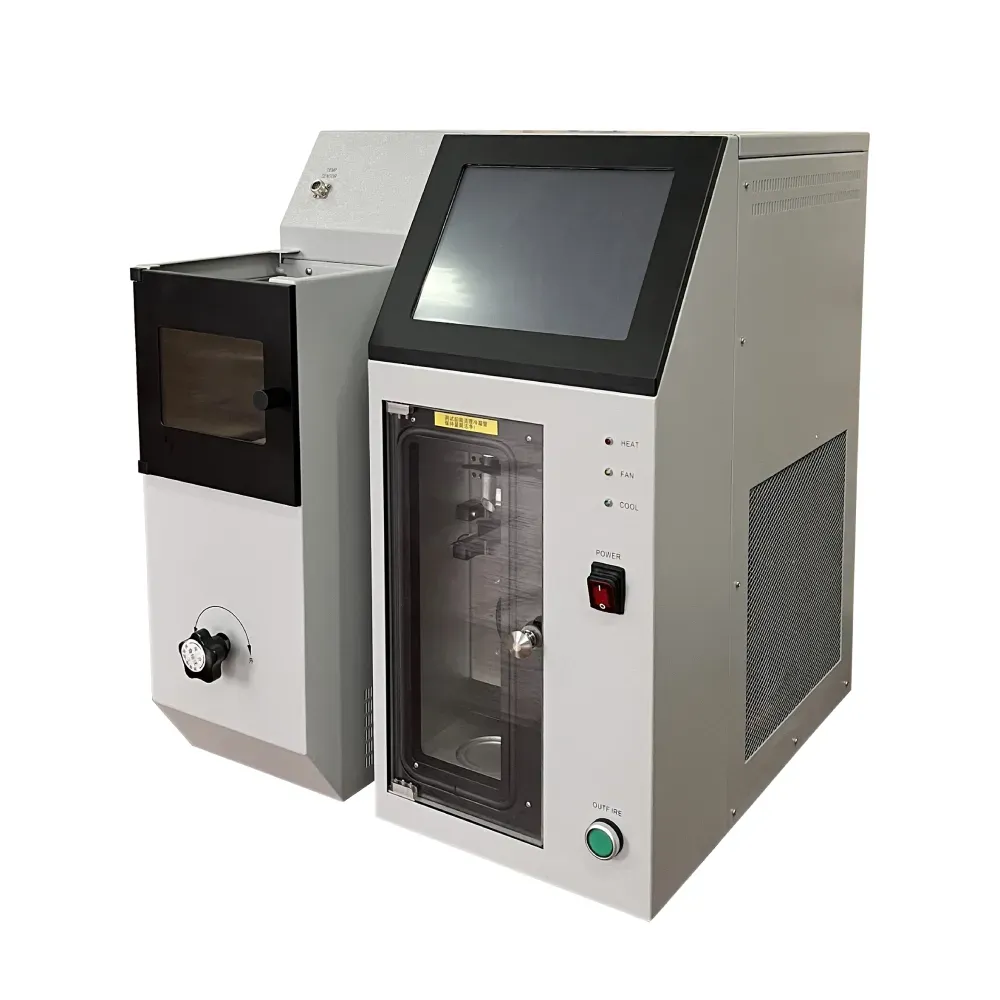
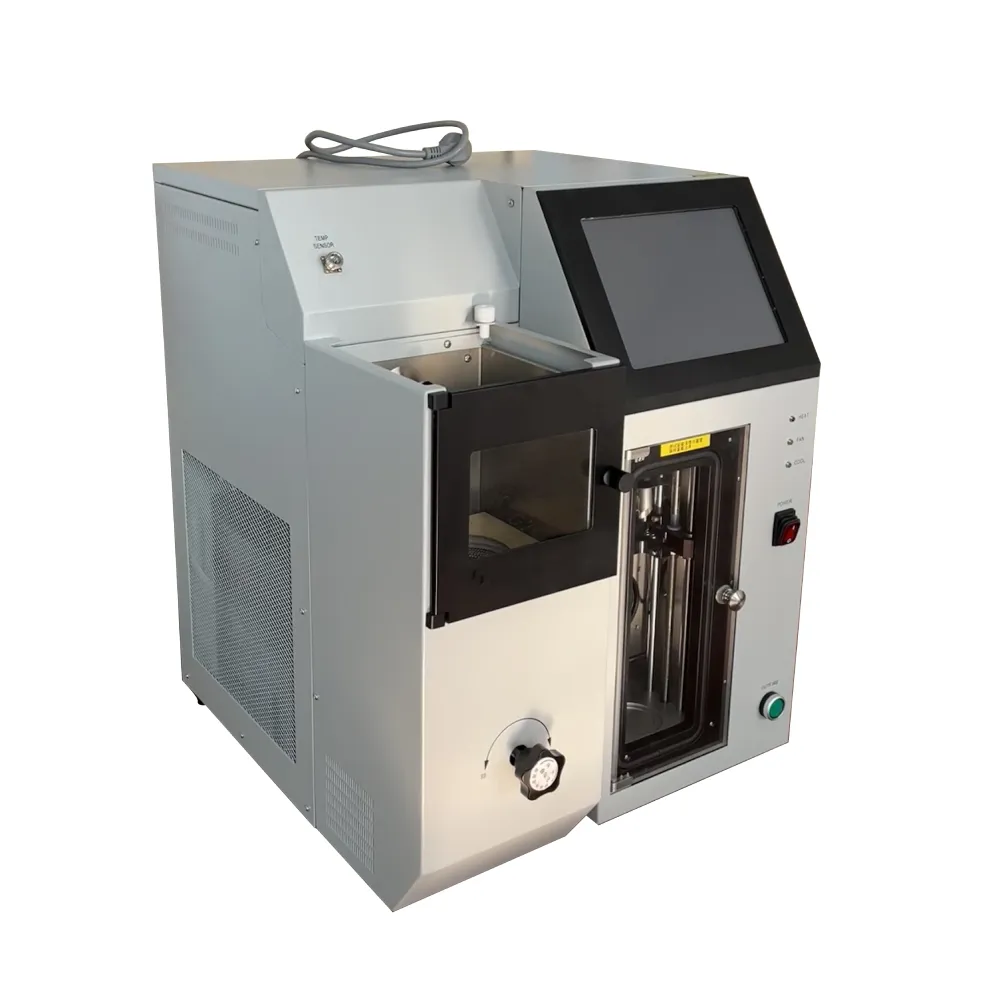
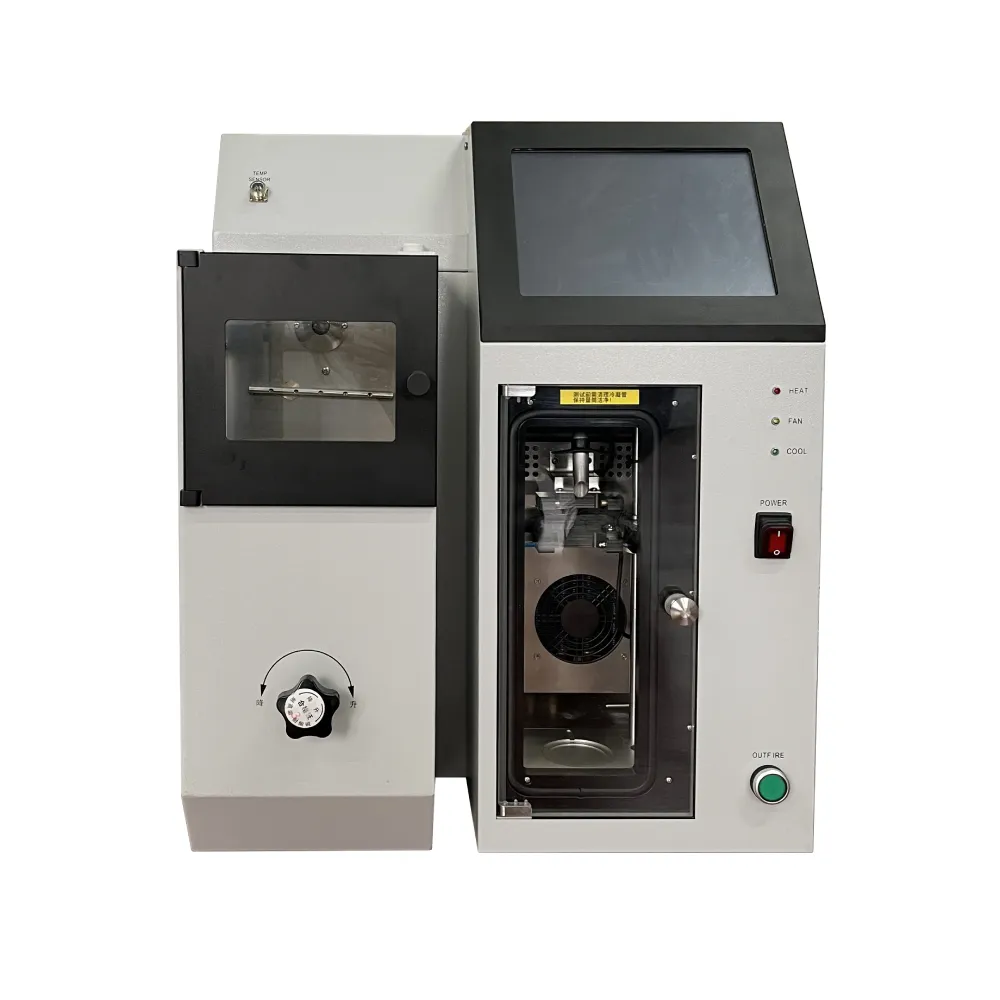
If you’re evaluating automatic distillation platforms for petroleum labs, you’ve probably noticed the market quietly shifting. Labs want fewer manual knobs, more reproducible curves, and cleaner audit trails. In fact, most buyers I speak with now ask first about D86 conformity and second about print logs. The PS-100Z Distillation Range Tester—built in Baoding, Hebei (Room 302, Building 5, Baoding Zhongguancun Digital Economy Industrial Park, No. 777 Lixing Street)—lands squarely in that sweet spot: hands-off heat control, steady distillation rate, and automatic recording.
Industry Trends and Why They Matter
The petroleum testing sector is consolidating around recognized methods—ASTM D86, IP 123, GB/T 6536, and (often) ISO 3405 alignment. Automation now means PID heating, controlled reflux ratios, and sensor redundancy. Many customers say they’ve cut operator variability by half when moving to automatic distillation, especially on gasoline and jet fuel where IBP/FBP drift used to be a headache.
PS-100Z at a Glance (Technical Core)
The PS-100Z automatically controls heating and distillation rate, captures temperatures via a high-accuracy probe (typ. Pt100), and records/prints all data. It complies with GB/T 6536 and aligns with ASTM D86 and IP 123. It’s designed for refined products: gasoline, diesel, kerosene, solvents—plus R&D blends when you need quick curve validation.
| Item | PS-100Z Distillation Range Tester (≈) |
|---|---|
| Standards | GB/T 6536; compliant with ASTM D86, IP 123 |
| Temp Sensor / Accuracy | Pt100-class input; ±0.1–0.2 °C (real-world use may vary) |
| Control | PID heating, automatic distillation rate control, condenser coolant monitoring |
| Data | Auto logging of IBP/FBP, recovery, loss; print/export options |
| Service Life | ≈5–8 years with annual calibration and routine maintenance |
Process Flow and Testing Method
- Materials: 100 mL petroleum sample; calibrated flask and receiver; D86 glassware.
- Method: Setup condenser, set heat ramp; collect temperature at defined recovery points; monitor IBP/FBP.
- Standards: GB/T 6536 / ASTM D86 / IP 123 protocols for safety, recovery, and loss.
- Quality checks: NIST-traceable thermometry (where available), coolant flow verification, leak test.
Sample test snapshot (gasoline, indicative): IBP 35.2 °C, 50% at 99.6 °C, FBP 207.8 °C, Recovery 95.0%, Loss 1.1%. Obviously, samples vary; that’s the point of automatic distillation—you see it, you trust it.
Application Scenarios
Refineries (batch release), terminals (receipt verification), QA/QC labs, university research, and fuel retail auditing. One lab manager told me, “We trimmed operator steps by ~30%,” which, honestly, tracks with what I’ve seen.
Vendor Landscape: A Quick, Honest Look
| Model | Standards | Automation | Data/Print | Notes (≈) |
|---|---|---|---|---|
| PS-100Z (Push) | GB/T 6536; ASTM D86; IP 123 | Full automatic heating/rate | Onboard logging & printing | Strong value; straightforward maintenance |
| Vendor A Automatic D86 Unit | ASTM D86; ISO 3405 | Full automation | PC software + print | Premium pricing; rich software suite |
| Vendor B Semi/Auto D86 | ASTM D86 | Semi to full auto options | Varies by model | Modular; upgrade path, cost adds up |
Customization, Compliance, and Support
- Customization: report templates, localization, optional calibration kits.
- Compliance: aligns with GB/T 6536, ASTM D86, IP 123; many labs also cite ISO 3405 equivalence.
- Service: typical annual calibration; spare glassware and seals reduce downtime.
Mini Case Study
Regional fuel terminal, diesel and gasoline throughput. After switching to automatic distillation with PS-100Z, they reported faster batch release by ≈12% and fewer retests (mainly due to standardized heat-up control). Not earth-shattering, but on a busy Tuesday, that’s gold.
Citations:
-
Find the Best Loop Impedance Tester for Sale and Ensure Electrical SafetyNewsMar.31,2026
-
Comprehensive Guide to Loop Impedance Meter for Electrical SafetyNewsMar.28,2026
-
Understanding and Choosing a Line Impedance Tester for Optimal Network PerformanceNewsMar.26,2026
-
Comprehensive Guide to Line Earth Loop Impedance Test for Electrical SafetyNewsMar.24,2026
-
Comprehensive Guide to Fault Loop Impedance Meter and Electrical SafetyNewsMar.21,2026
-
Comprehensive Guide to External Loop Impedance Test for Electrical SafetyNewsMar.19,2026


