 English



Automatic Pour Point Analyzer | Fast, Accurate, ASTM D97
Field Notes on Choosing an Automatic Pour Point Analyzer
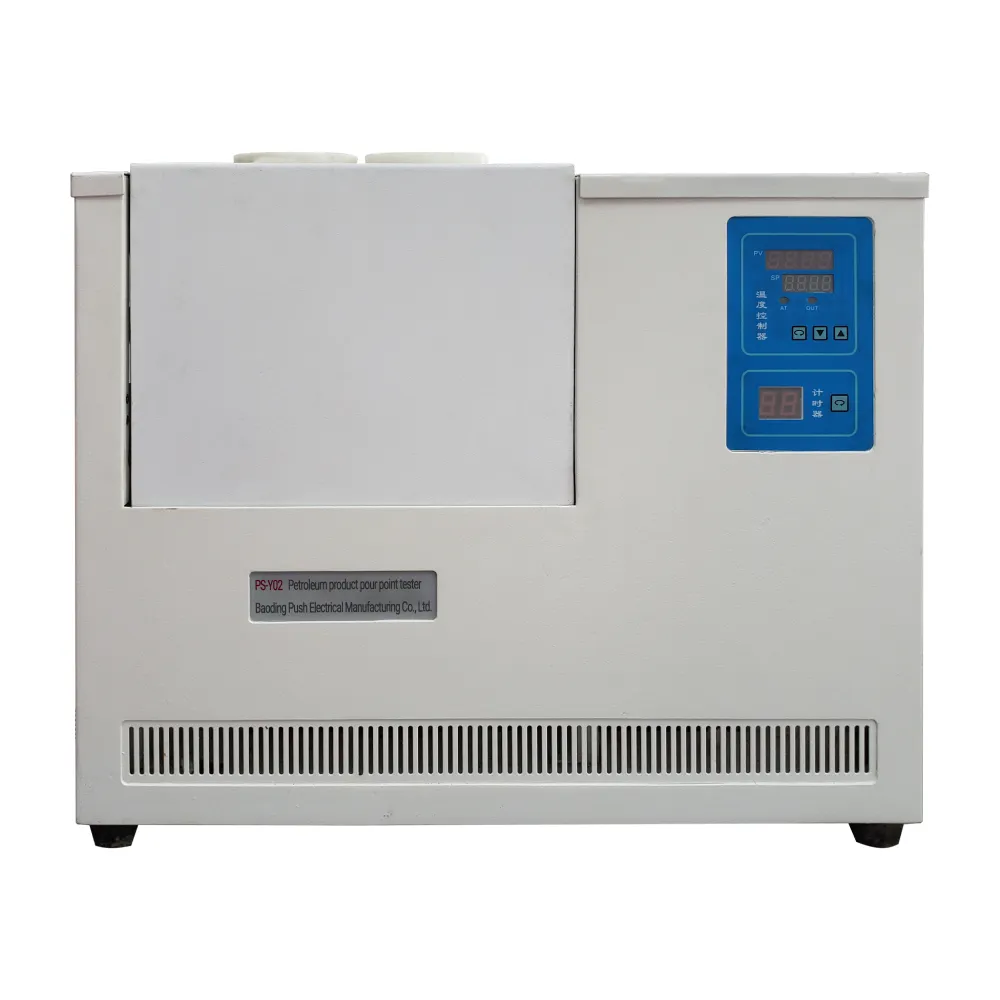
If you work with base oils, diesel, hydraulic fluids—or anything that has to behave on a cold morning—you’ll eventually need an automatic pour point analyzer. I’ve tested a fair share of units over the years, and lately I’ve spent time with the PS-JY02, a machine focused on ASTM D97/D2500 work. To be honest, it’s the little engineering decisions that matter: refrigeration stability, optical detection, and data traceability.
What’s special here?
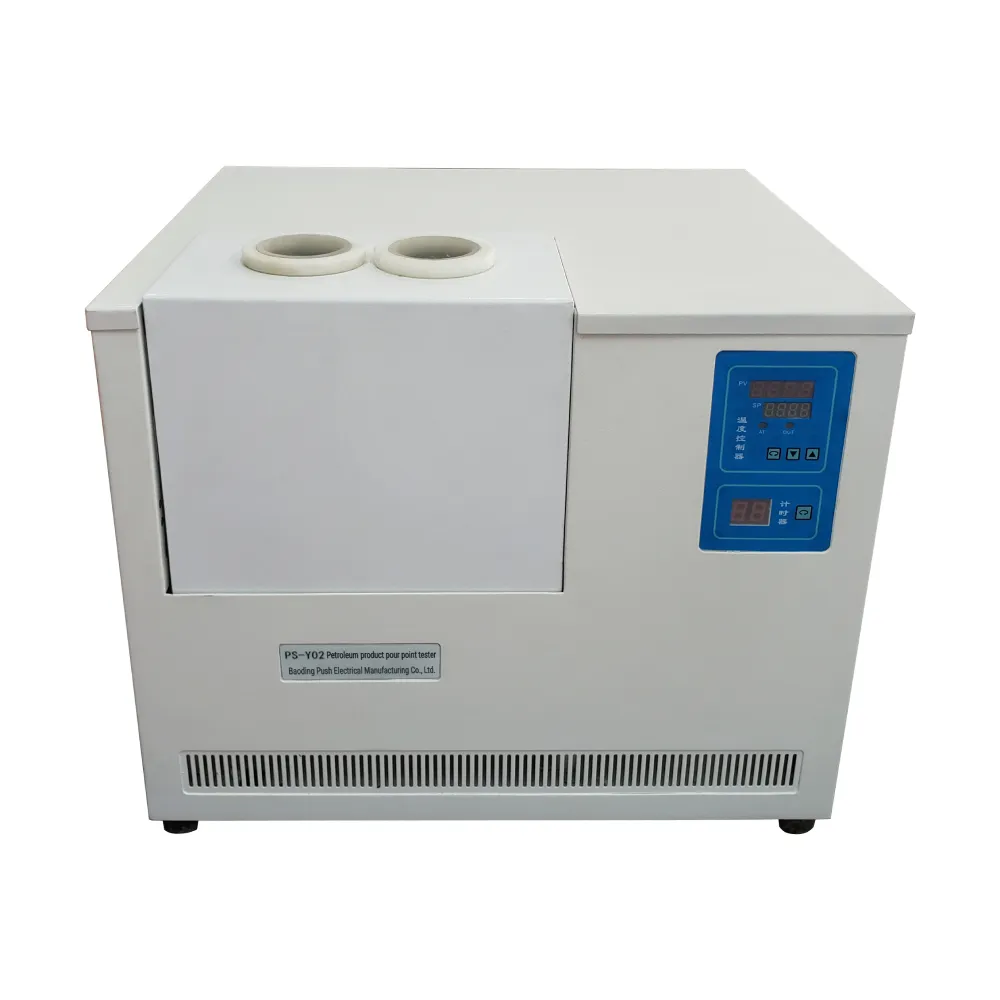
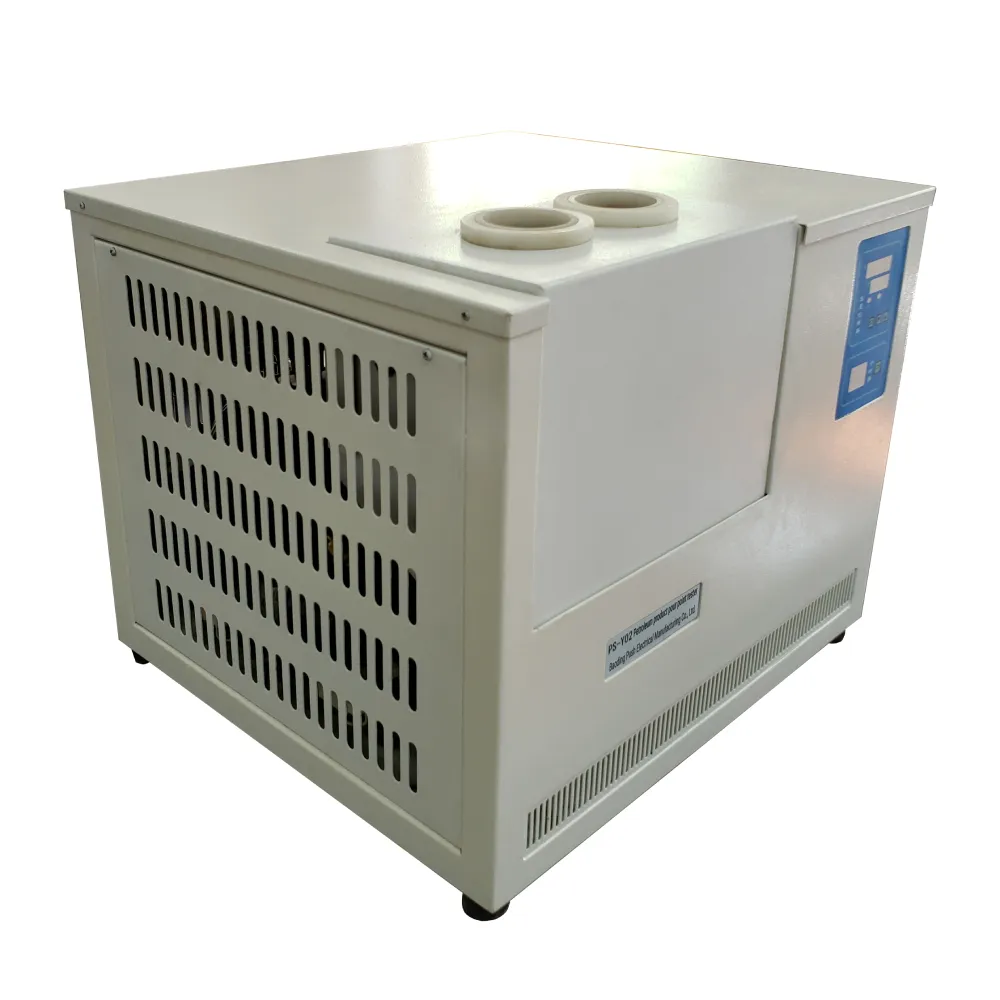
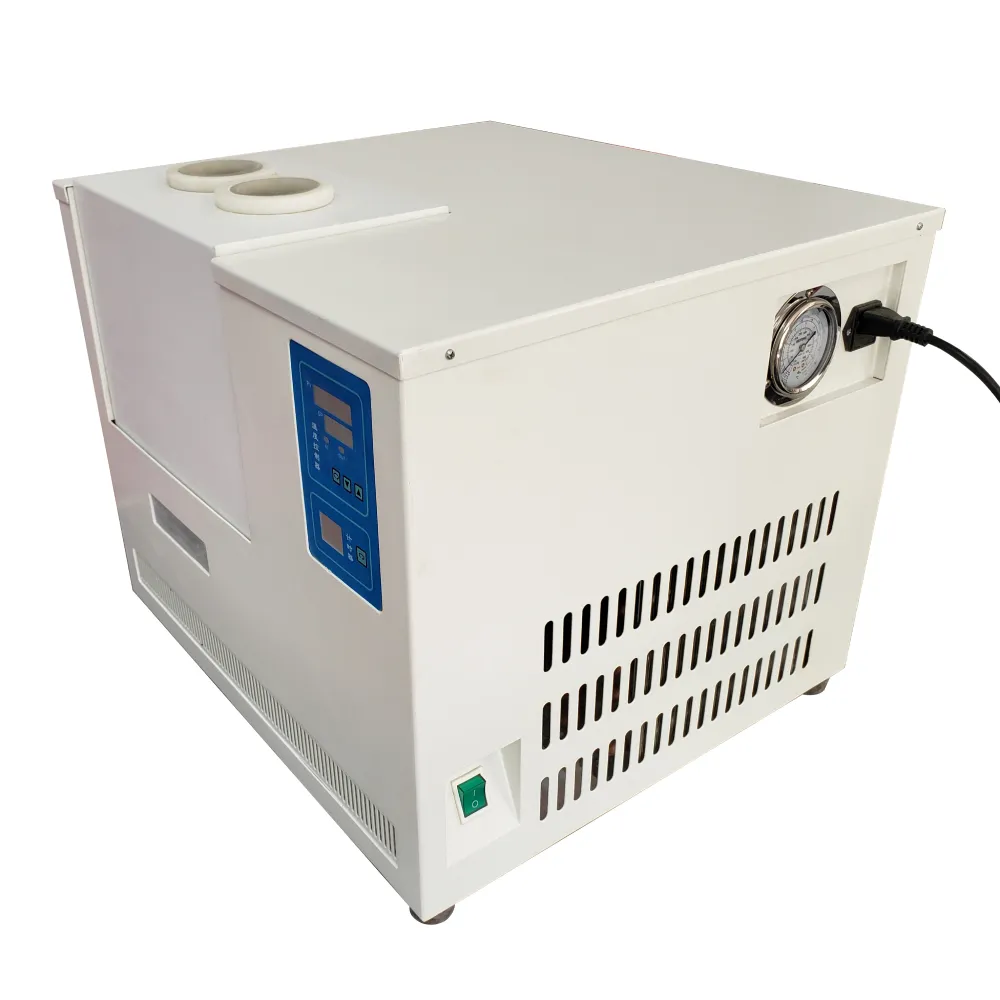
The PS-JY02 (origin: Room 302, Building 5, Baoding Zhongguancun DigitalEconomy Industrial Park, No. 777 Lixing Street, Jingxiu District, Baoding Hebei Province) runs a refrigeration cycle with an imported, totally enclosed compressor. In practice, that translates to predictable cooling ramps and fewer service headaches. Many customers say noise and frost-up are the silent killers; this design seems to tame both.
Industry trends (quick take)
- Shift to optical/algorithmic endpoint detection to reduce operator bias.
- Broader compliance beyond ASTM D97 to ISO 3016 and ASTM D5950 for automation.
- Connectivity for LIMS, audit trails, and 21 CFR Part 11–ready features (where applicable).
Process flow: materials and methods
Materials: petroleum base oils, diesel, jet fuel, marine fuels, transformer oil, synthetic lubricants. Methods: cool the sample at controlled increments (≈1–3 °C steps), use tilt or optical motion sensing to determine flow cessation. Testing standards include ASTM D97 (pour point), ASTM D5950 (automatic method), ASTM D2500 (cloud point), ISO 3016 (pour point), and IP 15. Service life in real labs is ≈8–10 years with routine maintenance and annual calibration.
Where it’s used
Refineries, lubricant blenders, power utilities, marine labs, aviation MROs, third-party test labs. Typical scenarios: certifying winter-grade diesel, qualifying new additive packages, monitoring waxy crude blends, and validating transformer oil specs in cold climates.
Product specifications (PS-JY02)
| Standards | ASTM D97, ASTM D2500; compatible with ISO 3016 (real-world use may vary) |
| Cooling system | Imported, totally enclosed compressor; refrigeration cycle for stable ramping |
| Temp control | Fine control with programmable steps; stability ≈±0.1–0.2 °C (typical) |
| Capacity | 2–4 positions (configurations available) |
| Data & I/O | Local storage; USB/Ethernet options for LIMS (if configured) |
| Certifications | Factory QC; CE/ISO 9001 support where required |
Vendor comparison (snapshot)
| Feature | PS-JY02 | Vendor A | Vendor B |
| Refrigeration stability | High (enclosed compressor) | Medium | Medium–High |
| D97/D2500 compliance | Yes | Yes | Yes |
| Multi-position bath | Optional | Optional | Fixed |
| LIMS connectivity | Available | Limited | Available |
Advantages and test data
Key advantages: stable cooling, reduced operator bias, and consistent repeatability. In a blended Group II/III base oil, we saw a pour point of −30 °C repeat within ≈1 °C across three runs—solid for day-to-day QC. Customers report fewer retests when switching from manual D97 to automatic pour point analyzer workflows.
Customization, service, and lifecycle
Options include multi-position baths, extended low-temperature packages, and data/security modules. Recommended: annual calibration to ASTM/ISO protocols, and compressor service every 24–36 months. Expected service life ≈8–10 years depending on duty cycle. Many labs request CE docs and ISO 9001 supplier certificates; available on order.
Two quick case notes
- Refinery, Northern Europe: switched to automatic pour point analyzer methods, cut winter-diesel release time by ≈20% with automated reporting.
- Transformer oil service company: improved consistency on −45 °C specs; fewer disputes with clients thanks to traceable data exports.
Standards and references:
- ASTM D97 – Standard Test Method for Pour Point of Petroleum Products. https://www.astm.org/d0097
- ASTM D2500 – Cloud Point of Petroleum Products. https://www.astm.org/d2500
- ASTM D5950 – Pour Point of Petroleum Products (Automatic Method). https://www.astm.org/d5950
- ISO 3016 – Petroleum products – Determination of pour point. https://www.iso.org/standard/69198.html
- IP 15 – Determination of Pour Point (Energy Institute). https://publishing.energyinst.org
-
Find the Best Loop Impedance Tester for Sale and Ensure Electrical SafetyNewsMar.31,2026
-
Comprehensive Guide to Loop Impedance Meter for Electrical SafetyNewsMar.28,2026
-
Understanding and Choosing a Line Impedance Tester for Optimal Network PerformanceNewsMar.26,2026
-
Comprehensive Guide to Line Earth Loop Impedance Test for Electrical SafetyNewsMar.24,2026
-
Comprehensive Guide to Fault Loop Impedance Meter and Electrical SafetyNewsMar.21,2026
-
Comprehensive Guide to External Loop Impedance Test for Electrical SafetyNewsMar.19,2026


