 English



BDV Testing Machine: Accurate Dielectric Strength Tester for Oil
The Critical Role of Dielectric Strength Testing in Modern Industrial Operations
In the high-stakes environment of electrical infrastructure, the reliability of insulating oil is paramount for the safe and efficient operation of power transformers, switchgear, and other high-voltage equipment. A fundamental metric in assessing this reliability is dielectric strength, which quantifies an insulating material's ability to withstand electrical stress without succumbing to breakdown. This crucial property is rigorously evaluated using a specialized bdv testing machine. As global energy demands escalate and existing grid infrastructure continues to age, the imperative for precise and proactive testing of insulating oils has never been greater, forming the cornerstone of predictive maintenance strategies that safeguard critical assets and ensure uninterrupted power supply.
The performance of an insulating oil, often referred to as oil bdv or breakdown voltage, is a direct indicator of its health and suitability for high-voltage applications. Contaminants such as moisture, dissolved gases, and fibrous particles can drastically lower this voltage, leading to partial discharges, flashovers, and ultimately, catastrophic equipment failure. Therefore, deploying a highly accurate dielectric strength tester is not just a regulatory compliance measure but a strategic investment in operational resilience. Businesses across sectors, including petrochemical, metallurgy, power generation, and water supply/drainage, rely on robust transformer oil bdv tester units to monitor oil quality, optimize maintenance schedules, and mitigate the substantial financial and safety risks associated with electrical breakdowns.
Introducing the PUSH Electrical PS-1003: Precision Engineering for BDV Testing
The PUSH Electrical PS-1003 Three-Cup Insulating Oil Dielectric Strength Tester embodies advanced technological integration designed to meet and exceed the stringent demands of industrial insulating oil analysis. This sophisticated bdv tester is engineered for unparalleled accuracy and repeatability in measuring the dielectric breakdown voltage of insulating fluids. Its innovative three-cup design allows for efficient parallel testing or rapid sequential analysis, significantly boosting throughput in environments where speed and precision are critical. Built to comply with leading international standards, the PS-1003 serves as a reliable cornerstone for comprehensive bdv testing programs, ensuring high confidence in reported results and subsequent operational decisions.
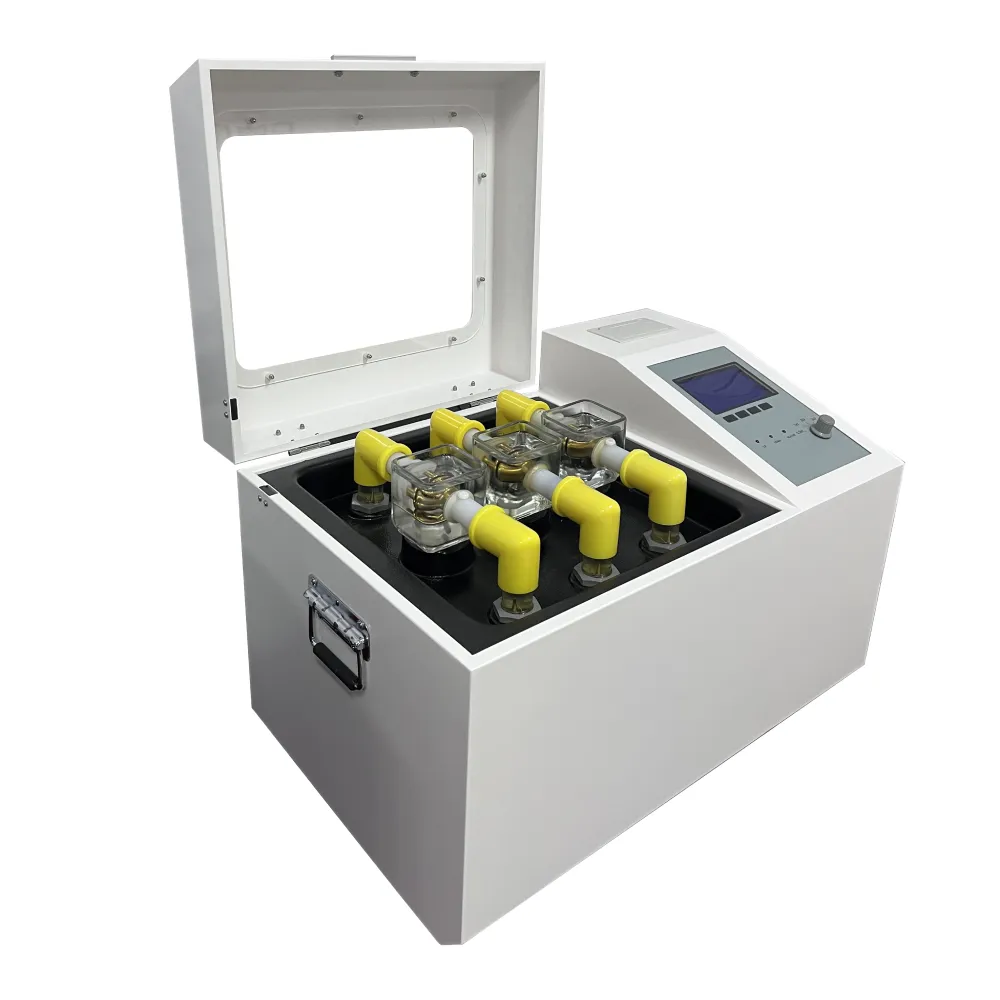
Figure 1: The PUSH Electrical PS-1003 Three-Cup Insulating Oil Dielectric Strength Tester.
Key Technical Parameters of PUSH Electrical PS-1003
| Parameter | Specification (PS-1003) |
|---|---|
| Output Voltage Range | 0-80 kV / 0-100 kV (Configurable) |
| Voltage Rise Rate | 2.0 kV/s, 2.5 kV/s, 3.0 kV/s, 3.5 kV/s (Selectable) |
| Measurement Accuracy | ±1% of reading ±0.2 kV |
| Number of Test Cups | Three (Standard) |
| Test Standards Compliance | IEC 60156, ASTM D1816, ASTM D877, GB/T507 |
| Data Storage Capacity | Up to 1000 test results |
| Operating Temperature | -10°C to +45°C |
These detailed specifications highlight the PS-1003's robust capabilities, making it an indispensable tool for maintaining the operational integrity of high-voltage electrical apparatus. The rigid adherence to international standards ensures that results from this bdv test kit are consistent and globally recognized, facilitating efficient asset management and cross-border operational comparability.
The Advanced Manufacturing Process Ensuring BDV Tester Reliability
The exceptional accuracy and long-term reliability of a PUSH Electrical bdv testing machine stem from an exacting manufacturing process, meticulously controlled from material selection through to final assembly and calibration. We utilize only high-grade, durable materials, including precision-machined aluminum alloys for the test chamber and high-purity insulating components, ensuring maximum stability and resistance to environmental degradation. Critical components undergo advanced manufacturing techniques, such as precision CNC machining, to achieve micron-level tolerances. This precision is paramount for guaranteeing the repeatable and accurate oil bdv test of transformer results that professionals rely on, minimizing potential sources of error inherent in less precisely manufactured units.
Every PUSH Electrical PS-1003 bdv test transformer is assembled by highly trained technicians adhering to strict quality control protocols, which are fully compliant with ISO 9001 quality management systems. Post-assembly, each unit undergoes an exhaustive series of functional tests and precise calibration against certified standards, aligning with both national and international electrical testing guidelines like ANSI. This rigorous validation process guarantees an extended operational lifespan, typically well over a decade with proper maintenance, significantly enhancing the return on investment for industrial clients. The robust construction and inherent anti-corrosion properties of the PS-1003 make it ideally suited for demanding industrial environments, including those found in petrochemical, metallurgy, power generation, and water utility sectors, where resilience to harsh conditions is non-negotiable.
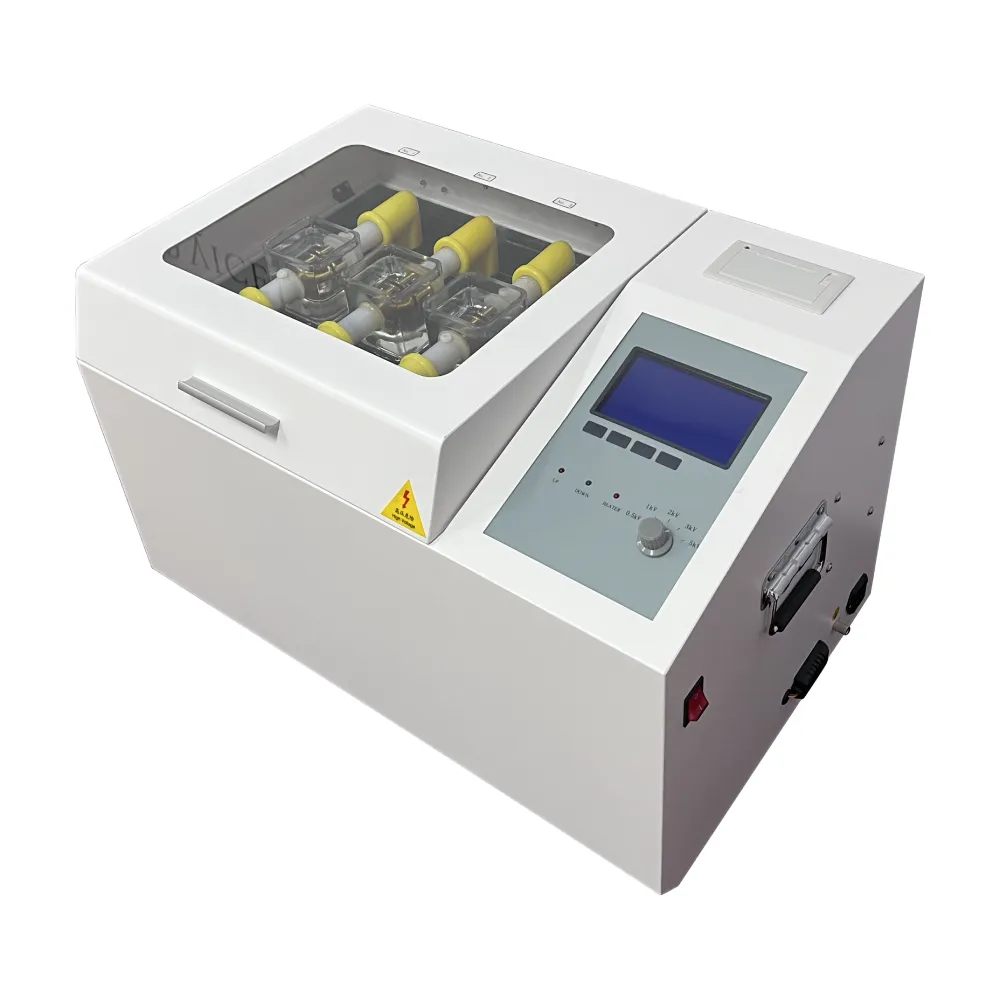
Figure 2: Precision engineering and assembly of a dielectric strength tester.
In typical operational scenarios, the PS-1003 offers distinct advantages. For instance, in petrochemical facilities, its robust design minimizes susceptibility to corrosion and chemical exposure, ensuring reliable performance where other instruments might degrade. In large power transmission grids, timely and accurate assessment of bdv transformer oil health directly supports energy efficiency initiatives by identifying insulation degradation early, which helps in preventing energy losses associated with compromised transformers and avoiding costly, unscheduled downtime. Its capability to provide precise readings under varied environmental conditions makes it a versatile and reliable choice for a broad spectrum of industrial applications.
Tailored Solutions and Comprehensive Support for Your BDV Testing Needs
The selection of an appropriate bdv testing machine is a strategic decision that profoundly impacts operational safety, regulatory compliance, and overall cost-efficiency. While the market presents various options, the crucial differentiating factors often lie in the instrument's accuracy, level of automation, and the quality of post-purchase support. PUSH Electrical recognizes the diverse and often highly specialized requirements of industrial clients. Beyond offering our high-performance PS-1003 bdv test kit, we excel in providing customized testing solutions. Our engineering team collaborates intimately with clients to develop configurations that integrate seamlessly with existing infrastructure, meet specific regulatory mandates, or perform optimally in unique, challenging operational environments, ensuring a perfect fit for every distinct need.
Our commitment to our clients extends far beyond the initial product delivery, encompassing a holistic approach to customer satisfaction and operational continuity. We understand that initial investment considerations, such as bdv tester price and bdv test kit price, are important. However, we emphasize the long-term value derived from the total cost of ownership, which is significantly reduced by our products' reliable performance, minimal maintenance requirements, and unparalleled expert support. PUSH Electrical provides robust warranty commitments, transparent delivery cycle explanations, and highly responsive customer support, including technical assistance, on-site training, and routine calibration services. This comprehensive support structure ensures that your investment in a PUSH Electrical bdv testing machine delivers sustained operational confidence and value for years.
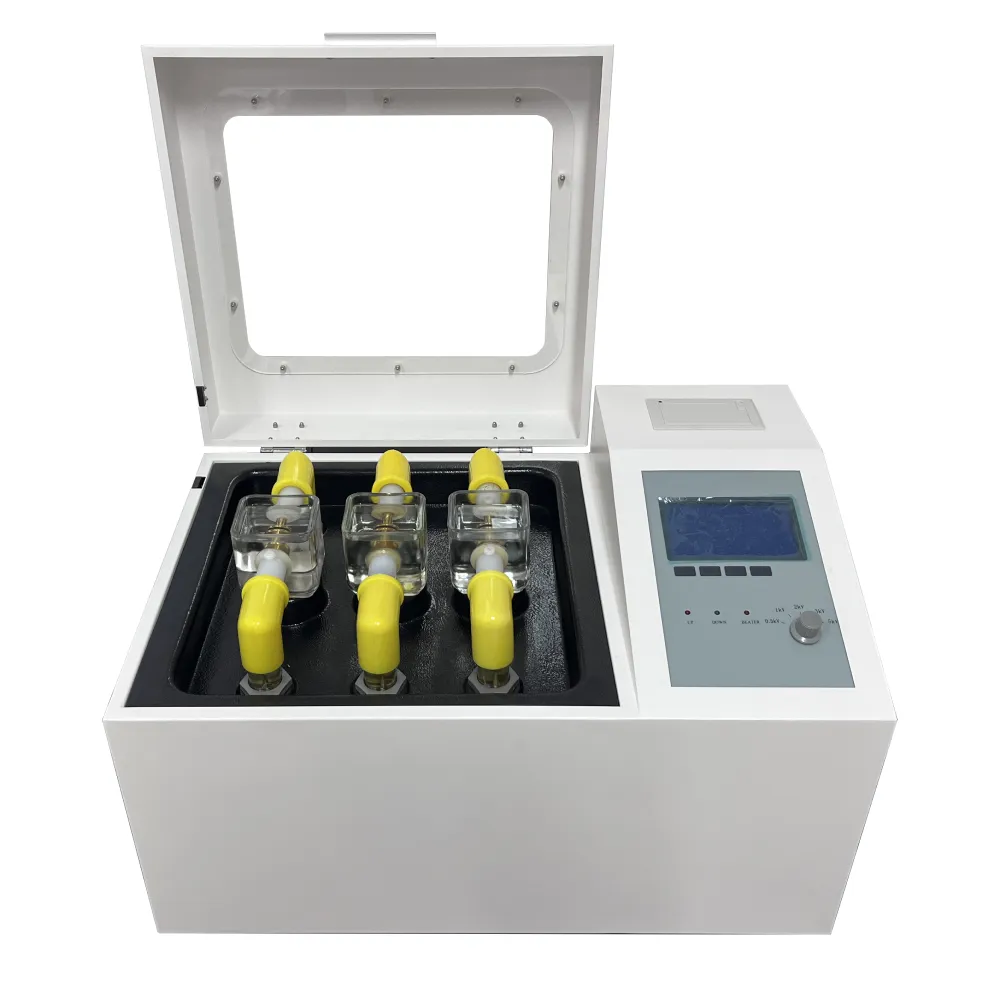
Figure 3: Comprehensive support and calibration services for dielectric strength testers.
Frequently Asked Questions (FAQ) about Insulating Oil BDV Testing
Q1: How often should transformer oil be tested using an oil bdv tester?
A1: The frequency of transformer oil bdv testing is dependent on several critical factors, including the transformer's age, its operational load, specific environmental conditions, and the original equipment manufacturer's recommendations. As a general guideline, newer transformers are often tested annually, while older, critical, or heavily loaded units may require semi-annual or even quarterly checks to ensure optimal performance. Adherence to industry standards such as IEC 60422 (Supervision and Maintenance Guide for Mineral Insulating Oils in Electrical Equipment) provides more precise guidelines.
Q2: What are the primary causes of low breakdown voltage in insulating oil?
A2: The most common culprits behind a diminished breakdown voltage are elevated moisture content, the presence of dissolved gases, and particulate contamination within the oil. Even minute quantities of water can drastically compromise the dielectric strength. Other contributing factors include the accumulation of oxidation byproducts, sludge formation, and cellulose fibers originating from insulation paper, which can serve as conductive pathways under high electrical stress. Regular bdv testing using a high-precision bdv test kit is crucial for early identification of these degrading conditions.
Q3: Can a bdv testing machine predict equipment failure effectively?
A3: While a bdv testing machine primarily quantifies the oil's current dielectric strength, a significant or sustained decline in BDV can indeed serve as a crucial early warning indicator of underlying issues that, if left unaddressed, could precipitate equipment failure. It forms an essential component of a holistic predictive maintenance strategy, which ideally also incorporates other diagnostic tests such as Dissolved Gas Analysis (DGA), Karl Fischer moisture content tests, and dissipation factor measurements. A consistent downward trend in oil bdv readings is a strong signal advocating for further in-depth investigation or immediate corrective action to avert costly outages.
Authoritative References and Industry Standards
- 1. IEEE Std C57.106™-2015: IEEE Guide for Acceptance and Maintenance of Insulating Mineral Oil in Transformers.
- 2. IEC 60156: Insulating liquids – Determination of the breakdown voltage at power frequency – Test method using automatic measuring equipment.
- 3. ASTM D877 / D1816: Standard Test Method for Dielectric Breakdown Voltage of Insulating Liquids at Commercial Power Frequencies.
- 4. Cigre Brochure 445: Insulating Liquid Properties and Their Maintenance.
-
Find the Best Loop Impedance Tester for Sale and Ensure Electrical SafetyNewsMar.31,2026
-
Comprehensive Guide to Loop Impedance Meter for Electrical SafetyNewsMar.28,2026
-
Understanding and Choosing a Line Impedance Tester for Optimal Network PerformanceNewsMar.26,2026
-
Comprehensive Guide to Line Earth Loop Impedance Test for Electrical SafetyNewsMar.24,2026
-
Comprehensive Guide to Fault Loop Impedance Meter and Electrical SafetyNewsMar.21,2026
-
Comprehensive Guide to External Loop Impedance Test for Electrical SafetyNewsMar.19,2026


