 English



Advanced Industrial Video Endoscope for HD Inspection
The Evolution and Imperative of Modern Industrial Video Endoscopes
In an era defined by relentless industrial advancement and an ever-increasing demand for efficiency, safety, and reliability, the critical role of non-destructive testing (NDT) has never been more pronounced. Central to this paradigm is the Industrial Video Endoscope, a sophisticated instrument that has revolutionized the way internal inspections are conducted across a myriad of complex machinery and inaccessible structures. These advanced diagnostic tools extend human vision into the most intricate and hazardous environments, providing real-time, high-resolution visual data without the need for costly and time-consuming disassembly. The evolution of industrial endoscopy has transitioned from rudimentary rigid borescopes to highly articulate, digital, and often multi-functional video systems that integrate seamlessly into modern maintenance and quality control protocols. Industry trends underscore a significant shift towards smart, interconnected devices, leveraging artificial intelligence (AI) for defect recognition, enhanced portability for fieldwork, and increasingly robust designs capable of withstanding extreme operational conditions. The global market for industrial inspection equipment, driven by stringent regulatory compliance, the imperative for predictive maintenance to minimize unscheduled downtime, and the escalating costs associated with production halts, continues to expand at a Compound Annual Growth Rate (CAGR) projected to exceed 6.5% through 2028, according to recent market analyses by Mordor Intelligence and Grand View Research. This growth is predominantly fueled by sectors such as aerospace, oil and gas, power generation, and automotive, all of which rely heavily on the precise and consistent performance of their assets. The integration of high-definition (HD) and ultra-high-definition (UHD) imaging, combined with advanced illumination techniques like variable intensity LED arrays and UV light capabilities, enables operators to detect even the most minute anomalies, from hairline cracks and corrosion to foreign object debris (FOD) and material fatigue, with unprecedented clarity. Furthermore, the adoption of Wi-Fi connectivity and cloud-based data storage facilitates collaborative inspections and remote expert consultations, streamlining decision-making processes and significantly reducing the logistical complexities of large-scale industrial operations. The modern Industrial Video Endoscope is no longer merely a visual aid; it is a comprehensive diagnostic platform, equipped with precise measurement capabilities, detailed data logging, and intuitive user interfaces, transforming routine inspections into strategic data acquisition missions. Its indispensable nature stems from its ability to enhance operational safety by identifying potential failures before they escalate, optimize maintenance schedules by enabling condition-based monitoring, and ultimately, safeguard valuable industrial assets, contributing substantially to operational efficiency and economic viability. The continued innovation in probe articulation, sensor miniaturization, and software analytics promises to further expand the utility and impact of these remarkable instruments, solidifying their status as cornerstone technologies in preventative industrial care.
The Manufacturing Process: Precision Engineering for Unrivaled Durability and Performance
The creation of a high-performance Industrial Video Endoscope is a testament to precision engineering, meticulous material science, and rigorous quality control, ensuring that each device can withstand the harsh realities of industrial environments while delivering unparalleled optical clarity and operational reliability. The manufacturing process begins with the careful selection of premium-grade materials, each chosen for its specific properties that contribute to the endoscope's robustness and longevity. For instance, probe shafts are typically constructed from aerospace-grade stainless steel or tungsten braiding, offering exceptional tensile strength, corrosion resistance, and flexibility, crucial for navigating complex internal geometries. The optical system, the heart of the endoscope, utilizes sophisticated sapphire lenses at the tip, known for their extreme hardness (Mohs scale 9) and scratch resistance, safeguarding the high-resolution CCD or CMOS sensors from abrasive particles and chemical exposure common in industrial settings. The illumination sources, typically high-intensity LEDs or fiber optics, are selected for their luminance, color accuracy, and energy efficiency, ensuring bright, uniform lighting even in pitch-black internal cavities. The manufacturing process itself involves several critical stages, each subjected to stringent quality assurance protocols. Initially, the micro-components, including the image sensor, lens train, and illumination fibers, are meticulously assembled under cleanroom conditions to prevent dust contamination, which could compromise image quality. This assembly often employs advanced bonding techniques and micro-welding processes to ensure structural integrity and waterproofing. Concurrently, the articulation mechanism, whether it's a 2-way, 4-way, or 360-degree all-way articulation system, is fabricated with extreme precision using CNC (Computer Numerical Control) machining. This ensures fluid, precise movement of the probe tip, crucial for comprehensive internal scanning. Materials like high-grade alloys and specialized polymers are used for gears and cables within the articulation system to minimize friction and wear over prolonged use. Once assembled, the probe assembly undergoes a series of rigorous sealing and pressure tests, often conforming to IP (Ingress Protection) standards like IP67 or IP68, guaranteeing resistance to dust and immersion in liquids, a fundamental requirement for applications in petrochemical plants or wastewater management. The control unit housing, which often incorporates a high-resolution LCD display, intuitive controls, and data storage capabilities, is typically precision-cast or machined from durable, impact-resistant plastics or lightweight alloys, designed for ergonomic handling and field portability. All components, from the smallest screw to the entire assembled unit, are subjected to multiple layers of inspection: raw material certification, in-process dimensional checks, functional testing of articulation and illumination, and final comprehensive performance validation. Compliance with international standards such as ISO 9001 for quality management systems and ANSI standards for specific product performance metrics is not just a benchmark but an integral part of the manufacturing philosophy. The projected lifespan of a well-engineered Industrial Video Endoscope can range from 5 to 10 years or more with proper maintenance, a testament to its robust design and material resilience. This longevity is particularly vital in industries like petrochemicals, metallurgy, and water supply/drainage, where the cost of equipment failure or replacement is substantial. In typical application scenarios, such as inspecting heat exchanger tubes in a petrochemical refinery, the corrosion-resistant materials and waterproof design of the endoscope ensure that it can operate effectively in aggressive chemical environments without degradation, providing accurate visual data that can lead to energy savings by identifying fouling and blockages, and significantly enhancing safety by detecting stress corrosion cracking before catastrophic failure. The design emphasis on anti-corrosion properties and high-temperature tolerance allows these instruments to inspect operational assets that might still be warm or contain residual fluids, reducing cool-down times and optimizing maintenance schedules, thus contributing directly to operational efficiency and minimized downtime.
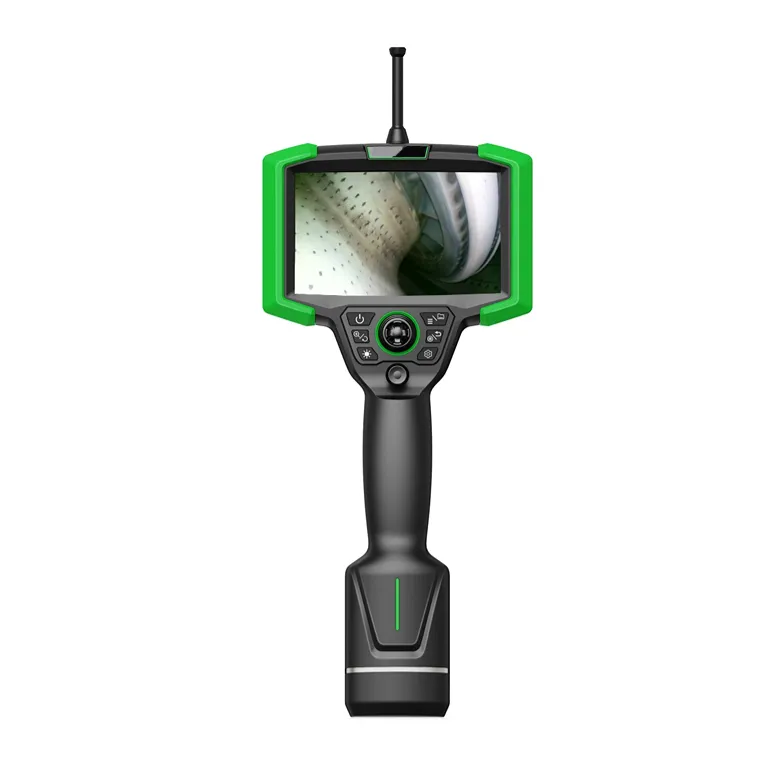
Core Technical Parameters: Deconstructing the Performance Metrics
Understanding the technical parameters of an Industrial Video Endoscope is paramount for selecting the right tool for specific inspection challenges. Each specification plays a critical role in the instrument's operational capability, image quality, and suitability for diverse industrial environments.
Probe Diameter & Length: The Gateway to Inaccessible Spaces
Probe diameter, typically ranging from as small as 2.0 mm up to 10 mm or more, dictates the smallest opening an endoscope can navigate. Smaller diameters are crucial for inspecting micro-components, fine castings, or narrow tube bundles, while larger diameters often accommodate more advanced optics, brighter illumination, or additional channels for tools. Probe length, available from 1 meter up to 30 meters or even longer for specialized applications like pipeline inspections, determines the depth to which an internal inspection can be performed. The choice of diameter and length is a direct function of the application's physical constraints.
Field of View (FOV) & Depth of Field (DOF): Capturing the Full Picture
FOV refers to the angular extent of the observable world that is seen at any given moment, typically ranging from 60° to 120°. A wider FOV allows for a broader perspective of the inspection area, reducing the need for excessive probe manipulation, while a narrower FOV can offer higher magnification of a specific area. DOF describes the range of distances from the probe tip within which objects appear acceptably sharp. A larger DOF is beneficial for general scanning and when the exact distance to the target is unknown, whereas a smaller DOF can provide superior detail for close-up examination of defects, often adjustable through manual or automatic focus mechanisms.
Articulation: Navigating Complex Geometries
Articulation refers to the ability of the probe tip to bend and maneuver. Common types include 2-way (up/down), 4-way (up/down/left/right), and 360-degree all-way articulation, offering varying degrees of flexibility to inspect internal surfaces and difficult-to-reach angles. Precise articulation, often controlled via a joystick or thumbwheel, is critical for thorough inspections, allowing operators to peer around corners, navigate bends, and focus on specific areas of interest without requiring multiple access points.
Resolution & Image Quality: The Clarity of Detail
The resolution of the integrated camera (CCD or CMOS sensor) is a primary determinant of image clarity, typically expressed in pixels (e.g., VGA, HD 720p, Full HD 1080p). Higher resolution allows for the detection of smaller defects and more precise measurement. Advanced models also feature enhanced dynamic range to capture details in both bright and dark areas, and digital noise reduction for cleaner images in low-light conditions. Frame rate, measured in frames per second (fps), affects the smoothness of live video feed, particularly important for moving objects or rapid scanning.
Light Source & Illumination Control: Illuminating the Unseen
Most modern industrial endoscopes utilize high-intensity LED light sources at the probe tip for direct, powerful illumination. The ability to adjust light intensity is crucial to prevent glare from reflective surfaces and to optimize visibility in varying environments. Some specialized endoscopes offer interchangeable lighting options, such as UV light for fluorescent penetrant inspection (FPI) or infrared (IR) for thermal mapping, expanding their diagnostic capabilities.
Operating Environment Specifications: Built for Extremes
This encompasses crucial parameters such as the operating temperature range (e.g., -10°C to +70°C, with some specialized probes tolerating up to 150°C for brief periods), and the Ingress Protection (IP) rating, which indicates resistance to dust and liquids. An IP67 rating signifies the probe is dust-tight and can withstand immersion in water up to 1 meter for 30 minutes, while an IP68 rating denotes even greater water resistance. These specifications are vital for ensuring reliable operation in harsh industrial conditions, from high-temperature engine components to submerged pipelines.
Power Source, Display, and Data Capabilities: Field Readiness and Analysis
Most portable Industrial Video Endoscopes are battery-powered, with battery life varying from 2 to 8 hours depending on usage and features. The integrated display unit typically ranges from 5 to 10 inches, with touch screen interfaces becoming increasingly common for ease of use. Crucially, modern endoscopes offer robust recording capabilities (still images and video) with ample internal storage or SD card slots. Many include advanced features such as digital zoom, image rotation, text annotation, and precise 2D or 3D measurement tools using laser or stereo optics, enabling quantitative analysis of defects and comprehensive report generation. The integration of Wi-Fi or USB connectivity further facilitates data transfer and remote collaboration.
Typical Industrial Video Endoscope Key Specifications Comparison
| Parameter | Standard Model | Advanced Model (High-Res) | Specialized Model (Small Dia./Long) |
|---|---|---|---|
| Probe Diameter | 6.0 mm | 8.0 mm (larger sensor) | 2.8 mm |
| Probe Length | 2.0 meters | 3.0 meters | 10.0 meters |
| Articulation | 2-Way (120°) | 4-Way (180° each) | 4-Way (160° each) |
| Image Resolution | VGA (640x480) | Full HD (1920x1080) | HD (1280x720) |
| Field of View (FOV) | 70° | 90° | 80° |
| Depth of Field (DOF) | 10 mm to ∞ | 8 mm to ∞ (Enhanced) | 5 mm to 100 mm (Close Focus) |
| Light Source | High-intensity White LED | Multi-angle Adaptive LED | Bright White LED (Small profile) |
| Operating Temp | -10°C to +60°C | -20°C to +80°C | 0°C to +50°C (Probe specific) |
| IP Rating (Probe) | IP67 | IP68 | IP67 |
| Battery Life | 4 hours | 6 hours | 3 hours (compact design) |
| Measurement Cap. | No (Visual Est.) | Stereo/Laser (2D) | Comparative |
| Connectivity | USB, SD Card | Wi-Fi, USB-C, HDMI | USB |
Diverse Application Scenarios and Profound Industry Impact
The versatility and technical capabilities of the Industrial Video Endoscope make it an indispensable tool across an extensive range of industries, significantly enhancing safety, efficiency, and reliability in critical operational contexts. Its ability to provide non-destructive visual inspection of inaccessible or hazardous areas translates directly into tangible benefits, from preventing catastrophic failures to optimizing maintenance schedules and ensuring regulatory compliance.
Aerospace Industry: Ensuring Airworthiness and Operational Safety
In aerospace, the precision of a Industrial Video Endoscope is critical for engine inspections, particularly for turbine blades, compressor sections, and combustion chambers. These inspections, often performed during routine maintenance checks (e.g., A, B, C, D checks), aim to detect minute cracks, foreign object debris (FOD), corrosion, or wear that could compromise flight safety. Its use eliminates the need for expensive and time-consuming engine disassembly, significantly reducing aircraft downtime. Furthermore, endoscopes are employed for inspecting airframes, landing gear components, fuel systems, and hydraulic lines, ensuring every critical part meets stringent aerospace quality standards. The ability to articulate the probe and capture high-definition images and videos provides undeniable evidence for maintenance records and regulatory audits, underpinning confidence in aircraft structural integrity and operational readiness.
Oil & Gas / Petrochemical: Safeguarding Infrastructure and Preventing Environmental Hazards
Within the oil and gas and petrochemical sectors, the Industrial Video Endoscope is a vital asset for maintaining the integrity of pipelines, pressure vessels, heat exchangers, and storage tanks. These instruments are routinely used to identify internal corrosion, pitting, cracks, blockages, or weld defects that could lead to leaks, explosions, or environmental contamination. For heat exchangers, endoscopic inspection can pinpoint fouling, scale buildup, or tube damage, which directly impacts energy efficiency and can cause unscheduled shutdowns. The ruggedized, explosion-proof (ATEX-certified models) and corrosion-resistant design of specialized endoscopes ensures safe operation in volatile and chemically aggressive environments, providing critical insights for predictive maintenance programs. This proactive approach not only prevents costly failures and production halts but also ensures compliance with strict environmental and safety regulations, safeguarding both personnel and the planet.
Power Generation: Ensuring Continuous Energy Supply
In power plants, whether fossil fuel, nuclear, or renewable energy facilities, endoscopes play a crucial role in inspecting boiler tubes, steam turbines, generators, and nuclear reactor components. They are used to detect erosion, cracking, material fatigue, and foreign objects within turbine blades or generator windings that could lead to inefficiencies or catastrophic breakdowns. For nuclear facilities, specialized radiation-hardened endoscopes allow for remote inspection of critical components, minimizing human exposure while ensuring the structural integrity of vital systems. By identifying potential issues during scheduled outages, power plant operators can perform targeted repairs, preventing forced outages and ensuring the continuous and reliable supply of energy, which has profound economic implications.
Automotive Industry: Driving Quality and Performance
Automotive manufacturing and maintenance benefit significantly from Industrial Video Endoscopes. They are used for inspecting engine blocks, cylinder bores, casting defects, transmission systems, and body cavities for weld integrity or corrosion. During engine diagnostics, an endoscope can quickly assess cylinder wear, valve issues, or piston damage without dismantling the engine, providing accurate insights for repair strategies. In quality control, they ensure the integrity of complex assemblies and identify manufacturing flaws that might otherwise go undetected, guaranteeing the reliability and safety of vehicles. This translates into enhanced product quality, reduced warranty claims, and improved customer satisfaction.
Manufacturing & Quality Control: Precision in Production
Across general manufacturing, endoscopes are essential for inspecting internal welds, mold cavities, hydraulic systems, and complex machined parts. They enable the detection of burrs, blockages, surface finish imperfections, or tool wear within internal channels that are otherwise inaccessible. This capability is vital for maintaining product quality, ensuring components meet design specifications, and troubleshooting production line issues efficiently. Their application leads to higher manufacturing yields, reduced scrap rates, and improved overall process control.
Infrastructure (Water Supply & Drainage): Maintaining Essential Services
In critical infrastructure, especially in water supply and drainage systems, the Industrial Video Endoscope is employed to assess the internal condition of pipes, conduits, and sewerage systems. They can identify blockages, pipe deterioration, root intrusion, cracks, or structural defects that could lead to leaks, contamination, or service disruptions. This preventative inspection reduces the need for disruptive and costly excavation, allowing for targeted repairs and ensuring the continuous, safe delivery of essential services. The waterproof design and ability to navigate long, winding pipes make them ideal for municipal and industrial water management.
In summary, the pervasive use of Industrial Video Endoscopes underscores their profound impact on operational excellence. By facilitating rapid, non-destructive inspection, they enhance safety protocols, significantly reduce downtime by enabling predictive maintenance, lower operational costs by minimizing the need for extensive disassembly, and ensure compliance with ever-evolving industry standards. This translates into more resilient infrastructure, safer working environments, and a significant boost to industrial productivity and profitability across the globe.
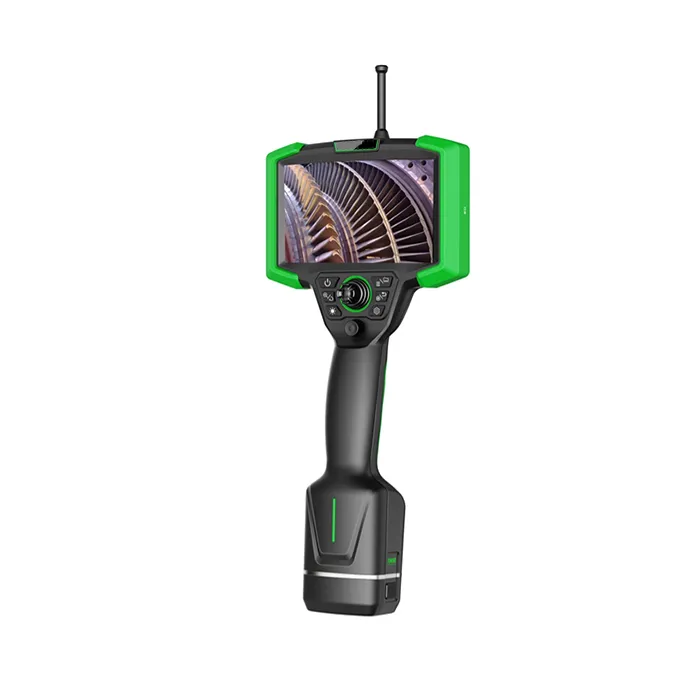
Unpacking Technical Advantages: Why Advanced Industrial Video Endoscopes Stand Apart
The continuous evolution of Industrial Video Endoscope technology has yielded a generation of instruments that offer distinct technical advantages over their predecessors and conventional inspection methods. These advancements are not merely incremental improvements but represent a fundamental shift in capabilities, directly impacting efficiency, diagnostic accuracy, and overall operational safety for B2B decision-makers and technical personnel.
Superior Image Quality and Illumination: Revealing Hidden Details
Modern Industrial Video Endoscopes boast high-definition (HD) or even Full HD (1080p) imaging sensors, a significant leap from older VGA or analog systems. This dramatically increased pixel count translates into sharper, clearer images and videos, allowing operators to detect even the minutest defects—such as micro-cracks, pitting corrosion as small as 0.1mm, or subtle discoloration—that would be imperceptible with lower resolutions. Coupled with this is advanced illumination technology, primarily high-intensity, adjustable LED light sources integrated at the probe tip. These LEDs offer superior brightness and longevity compared to traditional halogen or HID lamps, often providing up to 10,000 hours of use. Furthermore, intelligent illumination control, including adaptive brightness and anti-glare algorithms, optimizes light distribution to prevent oversaturation on reflective surfaces and ensure uniform visibility across the inspection area. Some systems incorporate multi-spectral lighting (e.g., UV and white light) for specialized applications like fluorescent penetrant inspection (FPI), further enhancing defect visibility. This superior image quality and controlled illumination are paramount for accurate diagnosis and precise measurement, reducing ambiguity in inspection results.
Advanced Articulation and Maneuverability: Unparalleled Access
The sophistication of probe articulation mechanisms has reached new heights. While 2-way articulation was once standard, most high-end industrial video endoscopes now feature 4-way or even 360-degree all-way articulation, controllable via intuitive joysticks or precision dials. This allows the operator to precisely steer the probe tip around complex internal geometries, past obstacles, and into recessed areas with unprecedented ease. For instance, inspecting the leading edge of a turbine blade or the internal weld of a pipe elbow requires this degree of maneuverability to ensure every surface is comprehensively covered without repeated insertions or additional access points. The smooth, precise, and robust articulation system, often employing tungsten braided sheathing for enhanced durability, significantly reduces inspection time and the risk of probe damage, making the process more efficient and safer.
Durability and Environmental Resilience: Engineered for Harsh Realities
Unlike consumer-grade devices, industrial video endoscopes are built to withstand the rigorous demands of harsh environments. This includes robust construction materials like aerospace-grade stainless steel, high-wear-resistant tungsten braiding for the probe shaft, and sapphire or hardened glass lenses at the tip, which offer exceptional resistance to abrasion, impact, and corrosive chemicals. High IP (Ingress Protection) ratings, typically IP67 or IP68 for the probe, ensure the devices are fully dust-tight and can withstand immersion in water or other liquids, making them suitable for inspecting tanks, pipelines, or submerged machinery. Furthermore, they are engineered to operate reliably across a wide range of extreme temperatures, from sub-zero conditions (-20°C) to elevated temperatures (+80°C or even higher for specialized probes), minimizing cool-down times for hot components. This inherent durability translates into a lower total cost of ownership (TCO) due to reduced repair frequencies and extended operational lifespan.
Integrated Data Management and Reporting Capabilities: From Inspection to Insight
Modern Industrial Video Endoscopes are comprehensive data acquisition and analysis platforms. Beyond capturing high-quality still images and video, they often feature advanced measurement tools (e.g., stereo measurement, laser measurement, comparative measurement) that allow precise quantification of defects such as crack lengths, pit depths, or object dimensions directly on the captured image. Integrated software enables on-screen annotation, digital zoom, image rotation, and side-by-side comparison with reference images. Crucially, built-in data storage (internal memory, SD card) and connectivity options (USB, Wi-Fi, HDMI) facilitate seamless transfer of inspection data for detailed reporting, archiving, and remote collaboration. Many systems can generate professional inspection reports directly from the device or via accompanying PC software, streamlining documentation and compliance processes. This robust data handling capability transforms raw visual data into actionable insights, driving better maintenance decisions.
Ergonomics, Portability, and Cost-Benefit: Optimized for Field Use and ROI
Despite their advanced capabilities, contemporary industrial video endoscopes are designed with user ergonomics and portability in mind. Lightweight designs, balanced grips, and intuitive controls minimize operator fatigue during extended inspections. Long-lasting, rechargeable batteries ensure field readiness, often providing 4-8 hours of continuous operation. The significant cost-benefit of deploying these advanced instruments lies in their ability to facilitate predictive and preventative maintenance. By enabling early detection of issues, they prevent costly unscheduled downtime, reduce the need for extensive disassembly (saving labor and material costs), and extend the operational life of valuable assets. For example, a single undetected crack in a turbine blade could lead to millions in repair costs and lost production, dwarfing the investment in a high-quality Industrial Video Endoscope. The ROI is further amplified by enhanced safety, reduced liability, and improved regulatory compliance, all contributing to a stronger bottom line for industrial operations.
Manufacturer Comparison and Strategic Selection: Partnering for Performance
Choosing the right manufacturer and the appropriate Industrial Video Endoscope is a critical decision that impacts not only inspection efficiency but also long-term operational costs and safety. The market offers a diverse range of suppliers, each with unique strengths. A strategic selection process involves evaluating several key factors beyond mere product specifications to ensure a sustainable and valuable partnership.
Reputation and Industry Experience: The Foundation of Trust
A manufacturer's reputation and years of experience in the industrial inspection field are strong indicators of their expertise and reliability. Companies with a long track record, particularly those serving critical industries like aerospace, energy, and defense, have a proven history of developing robust, high-performance instruments. Look for evidence of consistent innovation, active participation in industry associations, and a strong portfolio of successful client engagements. For example, a company with over 20 years in the NDT sector, trusted by numerous Fortune 500 enterprises, often brings unparalleled understanding of specific industry challenges and technical requirements, translating into highly optimized product designs and solutions.
Product Range and Customization Capabilities: Tailored Solutions
While standard Industrial Video Endoscope models meet many needs, complex industrial environments often demand bespoke solutions. A strong manufacturer offers a comprehensive product range that covers various probe diameters, lengths, articulation types, and resolution options. More importantly, they should possess significant customization capabilities. This might include tailoring probe materials for extreme temperatures or corrosive chemicals, integrating specialized lighting (e.g., UV, IR), adapting software for specific data analysis and reporting requirements, or even developing integrated robotic systems for automated inspection. The ability to provide a tailored solution ensures maximum efficiency and accuracy for unique inspection challenges, avoiding the need for workarounds or compromise.
After-Sales Support and Calibration Services: Sustaining Performance
The purchase of an Industrial Video Endoscope is an investment that requires ongoing support. Evaluate manufacturers based on their commitment to comprehensive after-sales service, including technical support, prompt repair services, availability of spare parts, and regular calibration. Regular calibration, especially for models with measurement capabilities, is crucial to maintain accuracy and ensure compliance with quality standards (e.g., ISO 17025). A manufacturer with global service centers or a strong network of certified partners can significantly reduce downtime during maintenance or repair, ensuring the longevity and reliability of your equipment.
Compliance and Certifications: Assuring Quality and Safety
Adherence to international quality and safety standards is non-negotiable. Look for manufacturers whose products are certified to relevant standards such as ISO 9001 (Quality Management System), CE marking (European conformity), RoHS (Restriction of Hazardous Substances), and specific industry certifications like ATEX for explosive atmospheres, if applicable. These certifications demonstrate a commitment to manufacturing excellence, product safety, and environmental responsibility, providing assurance of the endoscope's performance and suitability for regulated industrial environments.
Technological Innovation and R&D Investment: Future-Proofing Your Investment
The pace of technological advancement in NDT is rapid. A forward-thinking manufacturer invests significantly in Research and Development (R&D) to integrate cutting-edge technologies like artificial intelligence for automated defect detection, enhanced 3D modeling from inspection data, and improved battery technologies. Partnering with such a manufacturer ensures that your inspection capabilities remain at the forefront, leveraging the latest innovations to improve efficiency and diagnostic precision. This R&D commitment also signals a manufacturer's long-term viability and dedication to the industry.
Pricing vs. Value Proposition: Beyond the Sticker Price
While price is always a consideration, the true cost of an Industrial Video Endoscope encompasses its total cost of ownership (TCO). A lower upfront cost may translate into higher maintenance, repair, or replacement expenses due to inferior durability or lack of support. Evaluate the overall value proposition, considering factors like product lifespan, reliability, after-sales support, technological capabilities that reduce inspection time, and the potential for preventing costly downtime or failures. Investing in a high-quality, reliable endoscope from a reputable manufacturer ultimately yields a far superior return on investment through enhanced productivity, safety, and asset longevity. For example, some manufacturers might offer slightly more economical solutions focusing on basic functionality, while others specialize in premium, ultra-ruggedized systems with advanced analytics. The best choice aligns with the specific inspection demands, operational environment, and long-term strategic goals of the purchasing organization.
Customization and Bespoke Solutions: Tailoring Precision for Unique Challenges
While standard configurations of an Industrial Video Endoscope address a broad spectrum of inspection requirements, the reality of complex industrial environments often presents unique challenges that demand tailored solutions. Recognizing this, leading manufacturers offer extensive customization and bespoke design services, transforming the endoscope from a general diagnostic tool into a highly specialized instrument perfectly matched to specific operational needs. This commitment to customized solutions is a hallmark of true expertise and a deep understanding of varied industry applications.
Addressing Specific Probe Requirements: Dimensions and Materials
One of the most common areas for customization revolves around the probe itself. This can involve developing specific probe diameters (e.g., ultra-thin 1.8mm for micro-casting inspection or larger 12mm for broader area coverage) or highly unusual lengths (e.g., 50 meters for extensive pipeline runs, or very short, rigid sections for direct bore inspection). Beyond dimensions, the material composition of the probe can be tailored for extreme environments. For instance, probes designed for high-temperature applications (up to 150°C or even higher for short durations) may incorporate specialized heat-resistant alloys or cooling jackets. Similarly, for inspections in highly corrosive chemical environments (e.g., acid tanks, wastewater treatment facilities), the probe sheathing and tip materials can be engineered from specific chemically resistant alloys or polymers, ensuring durability and preventing cross-contamination or degradation of the device. This material specificity directly influences the longevity and reliability of the Industrial Video Endoscope in demanding scenarios.
Specialized Illumination and Optical Configurations: Seeing What Others Can't
Customization extends to advanced illumination and optical systems. While white light LEDs are standard, bespoke solutions might integrate UV (ultraviolet) lighting for identifying cracks using fluorescent penetrants (FPI), or IR (infrared) lighting for inspecting in complete darkness or for thermal signature analysis. For applications requiring specific viewing angles or magnifications, custom-designed optical heads can be developed, including forward-viewing, side-viewing, or interchangeable tip adapters that allow for varied fields of view or depth of field depending on the inspection target. Some applications might even require sterile probes for medical device manufacturing inspection, necessitating specific materials and sterilization-compatible designs.
Integration with Robotics and Automated Systems: The Future of Inspection
For large-scale or repetitive inspection tasks, an Industrial Video Endoscope can be integrated into robotic platforms or automated inspection systems. This involves not only custom mechanical interfaces but also software development to enable communication and control between the endoscope and the robotic arm or crawler. Such integrations are particularly valuable in hazardous environments (e.g., nuclear power plants, unexploded ordnance sites) or for inspecting vast structures (e.g., large diameter pipes, aircraft wings), significantly enhancing safety, speed, and consistency of inspections. This bespoke integration transforms manual inspection into a precision-automated process, reducing human error and improving data capture repeatability.
Software Adaptations and Data Management: Tailored Analytics
Beyond hardware, the software accompanying an Industrial Video Endoscope can be customized to meet specific reporting, data analysis, or integration needs. This could involve developing specialized measurement algorithms for unique defect types, customizing report templates to align with internal company standards or regulatory requirements, or creating APIs (Application Programming Interfaces) to seamlessly integrate inspection data with existing enterprise resource planning (ERP) or maintenance management systems (CMMS). Such software customization ensures that the data collected is immediately actionable and fits effortlessly into the client’s existing digital ecosystem, maximizing the utility and ROI of the inspection equipment.
The Consultation Process: A Collaborative Approach
The process of developing a bespoke Industrial Video Endoscope solution typically begins with an in-depth consultation. Experts from the manufacturing company work closely with the client's engineering and maintenance teams to thoroughly understand the specific inspection challenge, environmental conditions, regulatory constraints, and desired outcomes. This collaborative approach ensures that the customized solution is not merely a technical modification but a holistic engineering response that delivers optimal performance and long-term value. By partnering with a manufacturer capable of such profound customization, businesses can acquire inspection tools that are not just state-of-the-art but are perfectly engineered to overcome their most challenging operational hurdles, truly setting them apart in their respective industries.
Real-World Application Case Studies: Proving the Value of Industrial Video Endoscopes
The theoretical advantages of an Industrial Video Endoscope are powerfully underscored by real-world application case studies, where these instruments have delivered tangible, measurable benefits across diverse industrial sectors. These examples illustrate how precise internal visual inspections translate directly into enhanced safety, significant cost savings, and optimized operational efficiency.
Case Study 1: Petrochemical Refinery - Preventing Catastrophic Failure and Saving Millions
A major petrochemical refinery in the Gulf Coast region faced recurring issues with fouling and early-stage corrosion in its heat exchangers, which are critical for temperature regulation in refining processes. Traditional inspection methods required extensive dismantling, leading to 3-5 days of unplanned downtime for each heat exchanger, costing the refinery approximately $2 million per day in lost production. The company invested in an advanced Industrial Video Endoscope system featuring a long, flexible probe (8mm diameter, 15 meters length) with stereo measurement capabilities and a corrosion-resistant sheath (IP68 rated). During a routine 8-hour inspection window (that previously would have taken days), the endoscope was inserted into several heat exchanger tubes. Operators quickly identified early-stage localized pitting corrosion and minor fouling that was not detectable externally. Critically, the stereo measurement feature allowed them to accurately quantify the depth and area of corrosion, enabling precise repair planning. By detecting these issues proactively, the refinery was able to schedule targeted, localized repairs during a planned outage, avoiding unscheduled shutdowns entirely. This single preventative intervention, facilitated by the Industrial Video Endoscope, saved the refinery an estimated $6-10 million in potential lost production and avoided the safety risks associated with sudden equipment failure. This case exemplifies the power of predictive maintenance enabled by high-precision visual inspection.
Case Study 2: Aerospace Manufacturing - Halving Engine Inspection Time
An aerospace company specializing in jet engine maintenance was struggling with the extensive time required for internal engine inspections, particularly for turbine blade and combustion liner integrity checks. Their existing rigid borescopes offered limited flexibility and low image resolution, necessitating multiple inspection points and often leading to inconclusive results that required further, more invasive procedures. Upon adopting a state-of-the-art Industrial Video Endoscope with 4-way articulation, Full HD (1080p) resolution, and a dedicated 6.0mm diameter probe optimized for jet engine access, the inspection process was revolutionized. The superior articulation allowed a single operator to navigate complex internal passages of the engine, reaching all critical components—from the compressor section to the exhaust—without requiring any engine disassembly. The crystal-clear HD imagery enabled immediate, confident identification of minor foreign object debris (FOD) and hairline cracks on turbine blades. Through detailed time-motion studies, the company reported a remarkable 50% reduction in total engine inspection time, dropping from an average of 8 hours to just 4 hours per engine. This efficiency gain not only significantly reduced labor costs but also dramatically improved aircraft turnaround times, contributing to higher operational readiness for their airline clients. This success story highlights how advanced Industrial Video Endoscope technology directly impacts operational speed and diagnostic certainty in high-stakes environments.
Case Study 3: Power Plant - Preventing Unscheduled Downtime through Early Detection
A large coal-fired power plant faced the challenge of ensuring the integrity of its steam turbine blades, where even minute cracks could propagate rapidly under operational stress, leading to catastrophic failure and unscheduled plant shutdown. Manual inspections during planned outages were labor-intensive and often failed to detect early-stage defects in hard-to-reach areas. The plant implemented a rugged, high-articulation Industrial Video Endoscope system (8mm diameter probe, 360-degree all-way articulation) with a specific focus on high-temperature tolerance. During a scheduled bi-annual inspection, the endoscope was maneuvered into the turbine casing without requiring the full removal of the turbine rotor. The operator meticulously scanned individual turbine blades, leveraging the endoscope's precise articulation and powerful illumination. In one critical instance, a hairline crack, less than 2mm in length, was identified at the root of a low-pressure turbine blade, an area traditionally very difficult to inspect without extensive disassembly. The high-resolution image captured by the Industrial Video Endoscope provided conclusive evidence. Based on this early detection, the plant was able to procure the necessary replacement blade and schedule its installation during the remainder of the planned outage. Had this defect gone undetected, engineers estimated it could have led to a forced outage lasting several weeks, resulting in millions of dollars in lost revenue and emergency repair costs. This real-world scenario demonstrates the invaluable role of the Industrial Video Endoscope in enabling timely, preventative maintenance that safeguards critical assets and ensures continuous power generation.
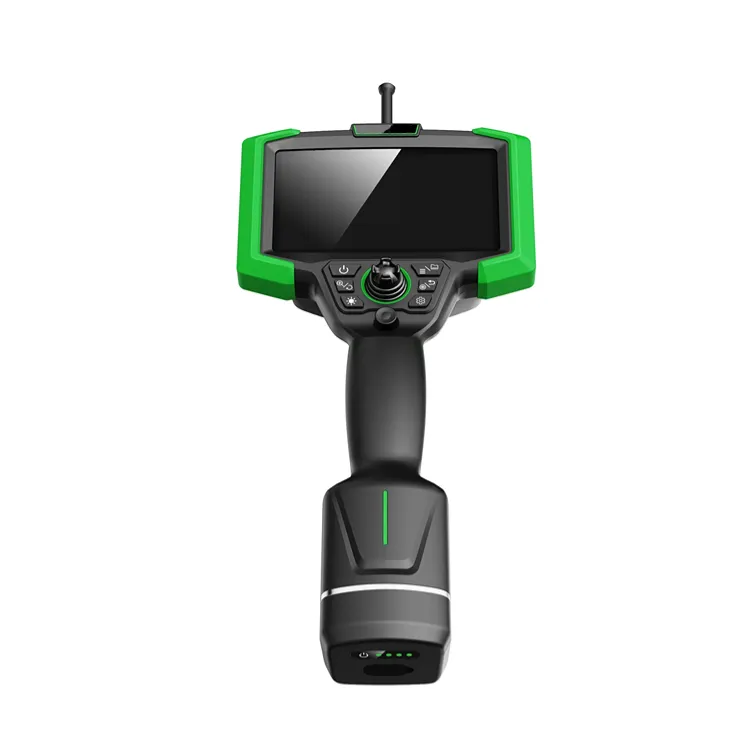
Trustworthiness and Comprehensive Customer Support: Our Commitment to Your Success
At the core of any successful B2B partnership is unwavering trust, built upon transparent operations, reliable product quality, and robust support systems. For critical industrial equipment like the Industrial Video Endoscope, the commitment of the supplier to customer success extends far beyond the point of sale. We understand that our instruments are integral to your operational safety, efficiency, and regulatory compliance, and our support infrastructure is designed to reflect this responsibility.
Frequently Asked Questions (FAQ)
-
Q: What is the typical lead time for an Industrial Video Endoscope order?
A: Our standard models typically have a lead time of 2-4 weeks from order confirmation, depending on current inventory and customization requirements. For highly specialized or bespoke solutions, delivery schedules are determined during the consultation phase, typically ranging from 6-12 weeks to account for design, prototyping, and rigorous testing. We prioritize transparent communication regarding delivery timelines and keep clients informed at every stage of the process. -
Q: What kind of warranty do you offer on your Industrial Video Endoscopes?
A: We stand by the quality and durability of our products. All new Industrial Video Endoscope systems come with a comprehensive 12-month manufacturer's warranty covering defects in materials and workmanship from the date of purchase. Extended warranty options and service contracts are also available to provide long-term peace of mind and minimize unexpected repair costs. Our warranty terms are clearly outlined in our sales agreements, ensuring full transparency. -
Q: How do I get technical support or service for my endoscope?
A: Our dedicated customer support team is available via phone, email, and a dedicated online portal during business hours. We offer technical assistance, troubleshooting guidance, and remote diagnostics to resolve most issues promptly. For repairs or calibration, we operate state-of-the-art service centers staffed by factory-trained technicians. We also provide on-site training and technical workshops to ensure your team can maximize the potential of your Industrial Video Endoscope. -
Q: Are your endoscopes compliant with industry standards?
A: Absolutely. Our manufacturing processes adhere to stringent international quality management systems, including ISO 9001:2015. Our products are designed and tested to comply with relevant industry standards such as CE, RoHS, and often ATEX for intrinsically safe applications where required. Specific product certifications are provided with each unit, ensuring regulatory compliance for your operations. We continuously monitor and adapt to evolving industry standards to ensure our products remain at the forefront of safety and performance.
Streamlined Delivery Cycle and Logistics
Our logistics team works diligently to ensure efficient and timely delivery of your Industrial Video Endoscope systems. From order processing to final shipment, every step is meticulously managed to minimize delays. We leverage a robust global distribution network and partner with reputable freight carriers to ensure secure and expedited delivery to your operational site. For international shipments, we manage all necessary documentation and customs procedures to facilitate a smooth import process, providing you with tracking information and regular updates. Our commitment to transparent delivery schedules ensures you can plan your operations with confidence, knowing precisely when your critical inspection equipment will arrive.
Unwavering Quality Assurance and After-Sales Service Commitment
Every Industrial Video Endoscope undergoes multi-stage quality control checks throughout its manufacturing process, from raw material inspection to final product performance testing. This rigorous approach, certified under ISO 9001, ensures that each unit meets our exacting standards for durability, precision, and reliability. Beyond the initial purchase, our commitment to your satisfaction is paramount. Our dedicated after-sales service includes a comprehensive warranty, readily available spare parts, and expert repair services performed by certified technicians. We offer preventative maintenance plans and calibration services to ensure your equipment operates at peak performance throughout its lifespan, safeguarding your investment and minimizing unexpected downtime. Our long-term partnerships with leading industrial clients, some spanning over a decade, stand as a testament to our consistent product quality and reliable support. We believe that true trustworthiness is built not just on superior products, but on a steadfast commitment to customer success and a readily available, expert support infrastructure.
Conclusion: Pioneering the Future of Industrial Inspection
The modern Industrial Video Endoscope has transcended its origins as a simple visual aid to become an indispensable, multifaceted diagnostic platform, critical for maintaining the health and integrity of industrial assets across a vast spectrum of sectors. Its evolution, driven by relentless innovation in optics, materials science, and digital processing, continues to redefine the boundaries of non-destructive testing. From the aerospace sector demanding unparalleled precision in engine diagnostics to the petrochemical industry requiring robust solutions for corrosive environments, and power generation plants seeking to prevent unscheduled downtime, the sophisticated capabilities of these instruments are proving transformative. By offering high-definition imaging, precise articulation, integrated measurement tools, and robust data management, they empower maintenance professionals and quality control engineers to make informed, data-driven decisions swiftly and accurately, significantly reducing labor-intensive disassembly, mitigating safety risks, and optimizing operational schedules. The strategic selection of a high-quality Industrial Video Endoscope is not merely a procurement decision but a long-term investment in operational resilience, safety compliance, and sustained profitability. As industries continue to embrace digitalization and advanced automation, the future of industrial inspection will undoubtedly see further integration of AI for automated defect recognition, enhanced portability through miniaturization, and seamless connectivity for remote expert collaboration and predictive analytics. These advancements promise to further solidify the position of the Industrial Video Endoscope as a cornerstone technology in the proactive maintenance and quality assurance strategies of tomorrow's industrial landscape, ensuring the longevity and optimal performance of critical infrastructure worldwide.
References & Further Reading:
- American Society for Nondestructive Testing (ASNT) - About NDT
- Mordor Intelligence: Industrial Borescope Market - Global Industry Trends & Forecast
- Grand View Research: Industrial Borescopes Market Size, Share & Trends Analysis Report
- SAE Technical Paper: Advances in Video Borescope Technology for Aerospace Applications (Example of relevant academic content)
-
Find the Best Loop Impedance Tester for Sale and Ensure Electrical SafetyNewsMar.31,2026
-
Comprehensive Guide to Loop Impedance Meter for Electrical SafetyNewsMar.28,2026
-
Understanding and Choosing a Line Impedance Tester for Optimal Network PerformanceNewsMar.26,2026
-
Comprehensive Guide to Line Earth Loop Impedance Test for Electrical SafetyNewsMar.24,2026
-
Comprehensive Guide to Fault Loop Impedance Meter and Electrical SafetyNewsMar.21,2026
-
Comprehensive Guide to External Loop Impedance Test for Electrical SafetyNewsMar.19,2026


