 English



Advanced GC Gas Chromatography Systems for Precise Analysis
In the realm of analytical chemistry, precision, reliability, and speed are paramount. Among the diverse analytical techniques, gc gas chromatography stands out as a cornerstone technology for separating and analyzing volatile and semi-volatile compounds. From ensuring product quality in manufacturing to safeguarding environmental health, the applications of gas chromatography are vast and continuously expanding. This comprehensive guide delves into the intricate world of GC, exploring its foundational principles, cutting-edge advancements, and its pivotal role across various industries. We will specifically highlight the PS-9001 Gas Chromatograph, an exemplary system engineered for demanding analytical challenges, demonstrating its unparalleled performance and the meticulous craftsmanship behind its creation.
The Evolving Landscape of Gas Chromatography: Trends and Transformations
The field of gas chromatography is dynamic, driven by ever-increasing demands for higher sensitivity, faster analysis times, and improved data handling. Current industry trends reflect a strong push towards miniaturization, automation, and the integration of GC with other powerful analytical techniques. The advent of hyphenated systems like gc gcms (Gas Chromatography-Mass Spectrometry) has revolutionized complex sample analysis, offering superior identification and quantification capabilities. This synergy allows for comprehensive component identification, even in highly complex matrices.
Furthermore, there's a growing emphasis on "green chemistry" principles, leading to the development of more environmentally friendly GC methods, such as those using hydrogen as a carrier gas or requiring smaller sample volumes. The increasing need for real-time process monitoring in industries like petrochemicals and pharmaceuticals is also fueling innovations in online and portable gas chromatography systems. The market for gas chromatography products is projected to grow steadily, with a significant compound annual growth rate (CAGR) driven by rising demand in environmental monitoring, food safety, and life sciences. Data from industry reports indicate a global GC market size reaching over $4 billion by 2028, underscoring its indispensable role in modern analytical science.
Unveiling the Core: Technical Parameters of Modern Gas Chromatographs
Understanding the technical parameters is crucial for selecting the right gas chromatography system. These specifications dictate the instrument's performance, versatility, and suitability for specific applications. Key parameters include:
- Oven Temperature Range & Control: Determines the volatility range of compounds that can be analyzed. Precision in temperature control (e.g., ±0.01°C) is critical for reproducible retention times.
- Detector Types: Different detectors offer varying sensitivities and selectivities. Common types include:
- FID (Flame Ionization Detector): Highly sensitive for most organic compounds.
- TCD (Thermal Conductivity Detector): Universal detector for all compounds, including inorganic gases.
- ECD (Electron Capture Detector): Highly sensitive for halogenated compounds.
- NPD (Nitrogen Phosphorus Detector): Selective for nitrogen and phosphorus-containing compounds.
- FPD (Flame Photometric Detector): Selective for sulfur and phosphorus-containing compounds.
- Injection Port Options: Split/Splitless for capillary columns, packed column injectors, on-column injection, PTV (Programmable Temperature Vaporizer).
- Flow Control: Electronic Pneumatic Control (EPC) for precise and reproducible carrier gas and detector gas flows.
- Software & Data Handling: User-friendly interface, robust data acquisition, processing, and reporting capabilities.
- Sensitivity & Detection Limits (DL): The smallest amount of analyte that can be reliably detected.
- Linearity & Dynamic Range: The concentration range over which the detector response is proportional to the analyte concentration.
- Reproducibility & Repeatability: Measures the consistency of results over multiple analyses.
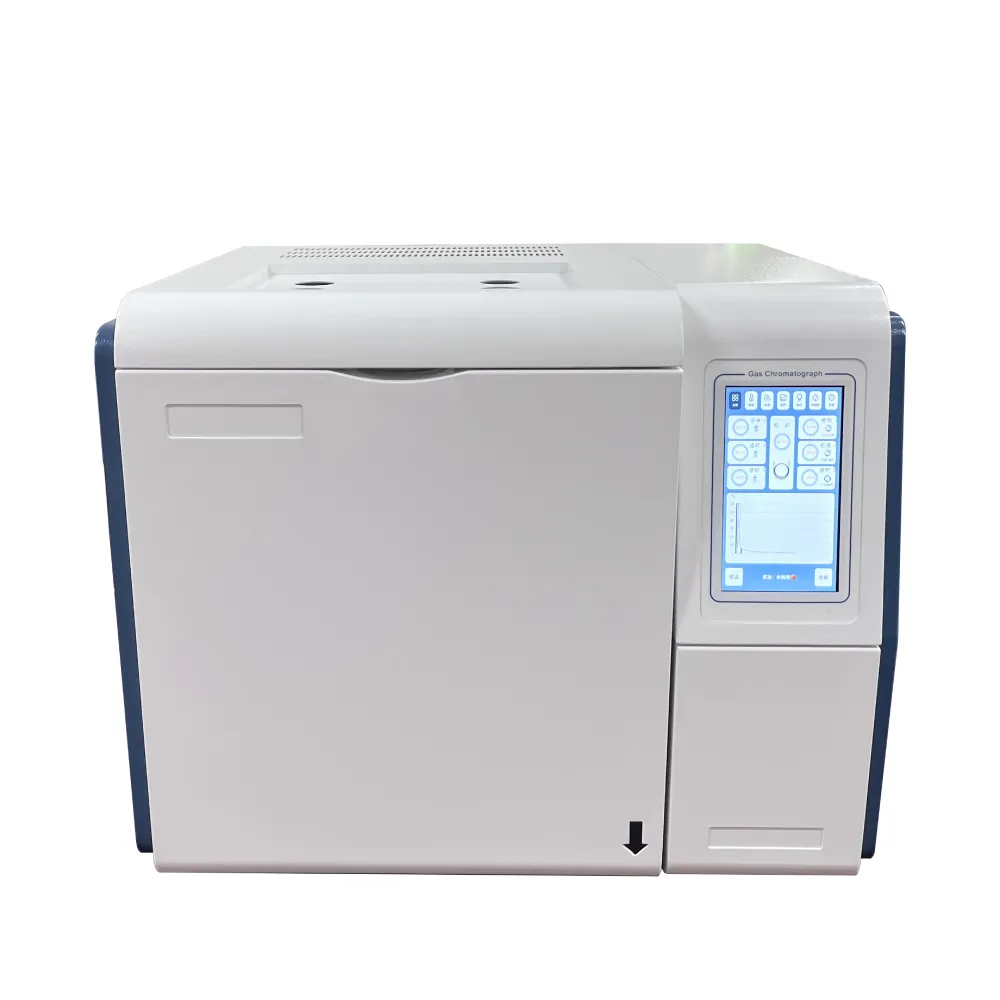
Below is a comparative table of typical parameters found in high-performance gas chromatography instruments:
| Parameter | Typical Range (High-Performance GC) | Relevance |
|---|---|---|
| Oven Temp. Range | Ambient +5°C to 450°C | Determines boiling points of compounds that can be analyzed. |
| Temp. Program Rates | 0.1°C/min to 120°C/min | Impacts separation speed and efficiency. |
| FID Detection Limit | < 1.5 pg C/s | Sensitivity for organic compounds. |
| TCD Detection Limit | < 500 pg/mL (for propane) | Universal detector sensitivity. |
| EPC Accuracy | < ±0.5% full scale | Ensures stable retention times and peak areas. |
| Injection Volume | 0.1 µL to 100 µL (with autosampler) | Flexibility for varying sample concentrations. |
| Max. Columns Supported | 2-3 (simultaneously) | Allows for multi-dimensional GC or parallel analysis. |
Diverse Applications of Gas Chromatography
The versatility of gas chromatography makes it indispensable across numerous industries. Its ability to separate and quantify components in complex mixtures provides critical insights for quality control, research, and regulatory compliance. Here are some key application scenarios:
- Petroleum & Petrochemical: Analyzing natural gas composition, refinery gas analysis (RGA), crude oil characterization, analysis of fuels (gasoline, diesel), and monitoring impurities in chemical processes. This ensures product specifications are met and processes are optimized.
- Environmental Monitoring: Detecting and quantifying volatile organic compounds (VOCs) in air, water, and soil samples. Performing a rigorous gas chromatography test is crucial for assessing air quality, identifying groundwater contamination, and analyzing hazardous waste. GC is central to understanding and mitigating pollution.
- Food & Beverage: Flavor and fragrance analysis, identifying adulterants in oils and spirits, pesticide residue analysis, and quality control of raw materials and finished products. For example, ensuring the absence of harmful compounds in produce.
- Pharmaceutical & Biomedical: Purity analysis of active pharmaceutical ingredients (APIs), residual solvent analysis in drugs, impurity profiling, and analyzing metabolites in biological samples. GC ensures drug safety and efficacy according to strict regulatory guidelines like USP or EP.
- Forensics: Analyzing samples from crime scenes, such as accelerants in arson investigations, drugs of abuse in toxicology, and identifying unknown substances. The precision of gas chromatography gc ms is vital in forensic labs.
- Chemical Industry: Quality control of raw materials, intermediates, and final products, process monitoring, and identifying reaction by-products.
PS-9001 Gas Chromatograph: Engineered for Excellence
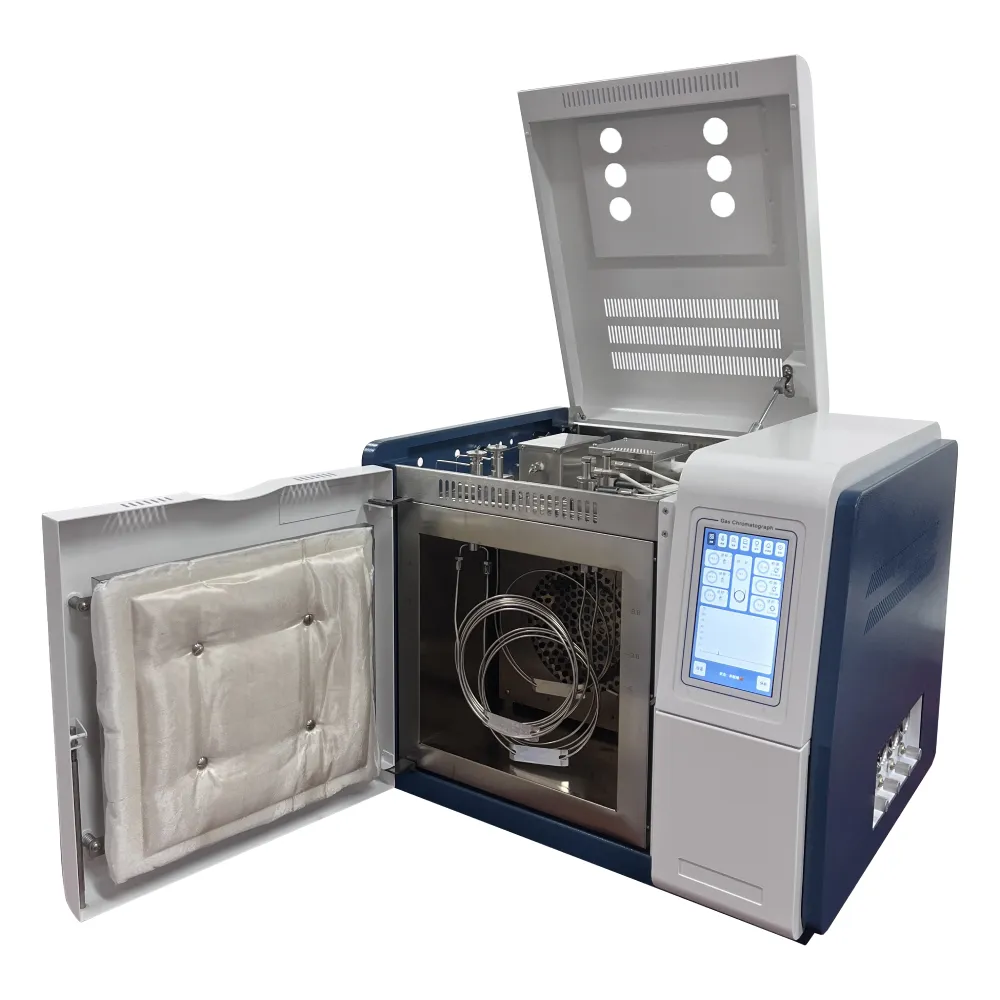
The PS-9001 Gas Chromatograph, available at https://www.pushtester.com/ps-9001-gas-chromatograph.html, represents the pinnacle of modern gas chromatography technology. Designed for laboratories demanding high performance, robust reliability, and ease of use, the PS-9001 integrates advanced features with intuitive operation, making it suitable for a wide array of applications from routine quality control to complex research. Its modular design allows for flexible configurations, catering to diverse analytical needs.
The Anatomy of Precision: Manufacturing Process of a PS-9001 Gas Chromatograph
The creation of a high-performance gas chromatography system like the PS-9001 is a meticulous process, combining cutting-edge engineering with stringent quality control. Each stage is designed to ensure the highest levels of precision, durability, and analytical performance. This commitment to excellence guarantees a long lifespan and consistent results.
1. Component Sourcing & Material Selection: The foundation of a reliable GC begins with sourcing premium-grade materials. For critical flow paths and detector components, high-purity, inert materials such as 316L stainless steel, fused silica, and specialized polymers (e.g., PEEK, PTFE) are selected to prevent adsorption or reaction with analytes. These materials are chosen for their corrosion resistance and thermal stability, ensuring the integrity of the sample as it traverses the system. All materials meet or exceed industry standards like ASTM for material specifications.
2. Precision Machining & Fabrication: Core components like the oven chamber, injector blocks, and detector bodies undergo advanced manufacturing processes.
- CNC Machining: Computer Numerical Control (CNC) machining is extensively used to mill and shape parts with micron-level precision. This ensures exact dimensions for optimal gas flow, leak-free connections, and consistent thermal profiles within the oven and detectors.
- Forging/Casting: For certain components requiring exceptional strength and intricate shapes, such as valve bodies or specialized fittings, forging or precision casting techniques might be employed, followed by secondary machining for final dimensions.
- Surface Treatment: Internal surfaces of flow paths are often treated (e.g., passivation, SilcoNert coating) to render them inert, minimizing active sites that could interfere with sensitive analyses.
3. Sub-Assembly and Integration: Individual modules – the injector, oven, detector(s), and electronic pneumatic control (EPC) system – are assembled in cleanroom environments to prevent contamination. Highly skilled technicians, adhering to strict protocols, carefully integrate these components. Wiring harnesses are meticulously routed, and fluidic connections are hand-tightened to precise torque specifications to ensure leak integrity.
4. Advanced Electronics & Software Integration: The brain of the PS-9001, its electronic control unit, is assembled with industrial-grade components. Proprietary firmware and user-friendly software are then loaded and configured, enabling precise control over oven temperature, gas flows, and detector parameters. This integration ensures seamless communication and data acquisition.
5. Rigorous Testing & Calibration: Every PS-9001 undergoes a multi-stage testing and calibration process to validate its performance against published specifications and international standards like ISO 17025 for calibration laboratories.
- Leak Testing: Critical flow paths are tested for leaks using helium mass spectrometry to ensure absolute integrity, preventing sample loss or atmospheric contamination.
- Thermal Performance Test: The oven's heating and cooling rates, temperature stability, and uniformity are precisely measured to guarantee reproducible chromatographic separations.
- Detector Characterization: Each detector (FID, TCD, etc.) is individually characterized for sensitivity, linearity, signal-to-noise ratio, and stability using certified gas standards.
- Chromatographic Performance Test: A standard test mixture is injected to verify overall system performance, including retention time reproducibility, peak shape, and resolution. This is a crucial gas chromatography test for final validation.
- Electrical Safety & Environmental Testing: The instrument is tested to ensure compliance with electrical safety standards (e.g., CE marking) and operational stability under various environmental conditions.
6. Final Quality Control & Certification: Before packaging, a final comprehensive inspection is performed. Each PS-9001 carries certifications like CE marking, signifying its compliance with European health, safety, and environmental protection standards. Our manufacturing facilities are ISO 9001 certified, reflecting our commitment to a robust quality management system.
Applicable Industries: The robust design and manufacturing rigor make the PS-9001 ideal for continuous operation in demanding industries such as petrochemical, environmental analysis, pharmaceutical QC, and metallurgy (e.g., gas analysis in steel production). Its long anticipated usage lifespan, often exceeding 10-15 years with proper maintenance, significantly reduces the total cost of ownership.
Advantages in Practice: The superior manufacturing process translates directly into tangible benefits. The highly efficient oven design contributes to energy saving by rapidly reaching and maintaining target temperatures. The use of inert, corrosion-resistant materials throughout the flow path ensures consistent results even with aggressive samples, offering exceptional anti-corrosion properties and minimal sample degradation. This meticulous attention to detail at every stage ensures the PS-9001 delivers unparalleled accuracy and longevity.
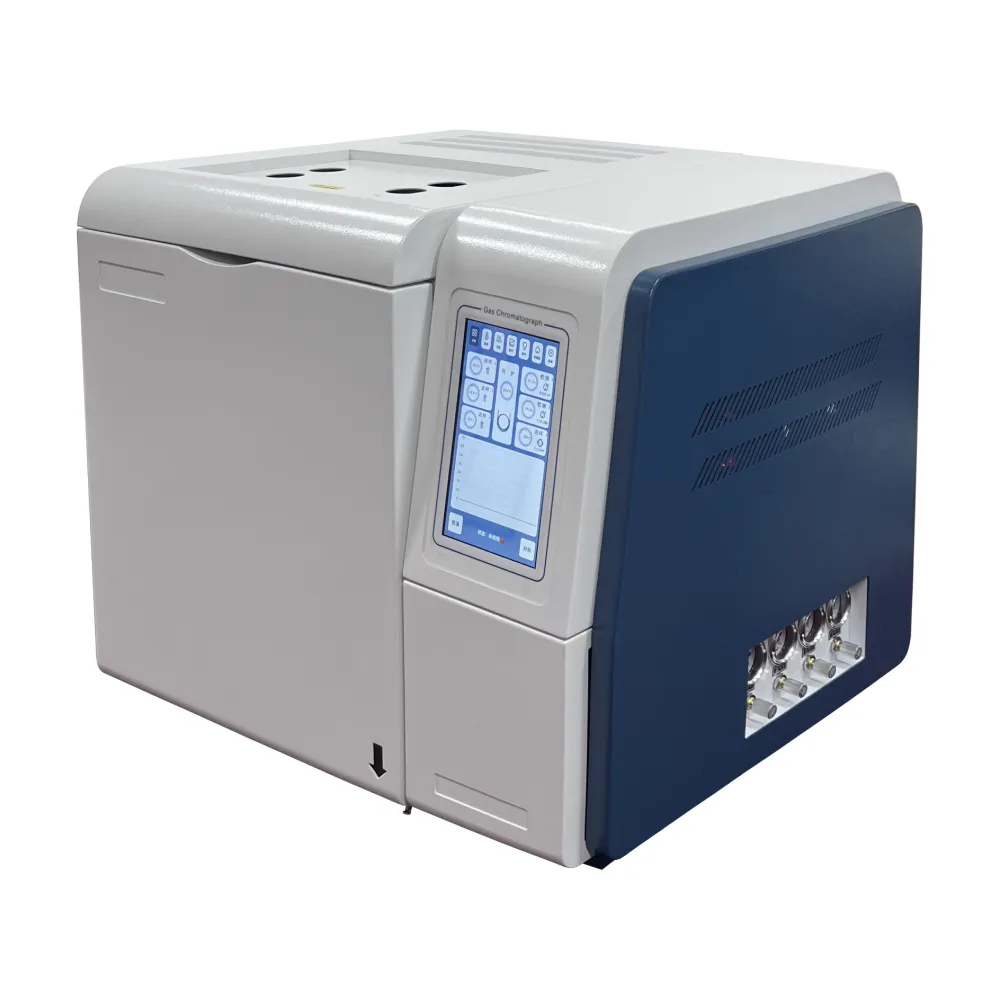
Technical Specifications of PS-9001 Gas Chromatograph
| Feature | PS-9001 Specification | Benefit |
|---|---|---|
| Oven Temp. Range | Ambient +5°C to 450°C | Wide application range for volatile & semi-volatile compounds. |
| Temp. Control Precision | ±0.01°C | Exceptional reproducibility of retention times. |
| Oven Ramp Rates | Up to 120°C/min | Fast analysis cycles, increasing throughput. |
| Detector Options | FID, TCD, ECD, FPD, NPD (up to 3 simultaneous) | Versatility for diverse analytical requirements. |
| FID Detection Limit | < 1.0 pg C/s (Toluene) | Ultra-sensitive detection for trace organics. |
| EPC Channels | Up to 10 channels | Precise and stable control of all gases. |
| User Interface | Touchscreen & PC Software | Intuitive operation and powerful data processing. |
| Data Storage | Integrated & Networkable | Secure data management and accessibility. |
Technical Advantages of the PS-9001
The PS-9001 is designed with a suite of technical advantages that set it apart:
- Superior Sensitivity and Resolution: Thanks to its optimized flow path design, advanced detector technology, and precise temperature control, the PS-9001 achieves lower detection limits and better peak separation, critical for complex sample analysis.
- Robust and Reliable Design: Built with industrial-grade components and undergoing rigorous testing, the PS-9001 ensures long-term stability and minimal downtime, translating to higher productivity in your lab.
- User-Friendly Software: The intuitive chromatographic workstation software simplifies method development, data acquisition, and post-run analysis, reducing the learning curve for new users and enhancing overall efficiency.
- Modular and Expandable: Its modular architecture allows for easy upgrades and customization, from adding new detectors to integrating an autosampler or a headspace unit, making it a future-proof investment. This also facilitates the customization of your gas chromatography system to evolve with your needs.
- Reduced Carrier Gas Consumption: Intelligent flow control systems optimize gas usage, leading to significant operational cost savings and contributing to a greener lab environment.
Navigating the Market: PS-9001 vs. Competitors
Choosing a gas chromatography system involves weighing various factors, including performance, features, support, and gas chromatography price. The PS-9001 offers a compelling balance of these, providing premium performance without the premium cost often associated with high-end systems. Below is a comparative overview:
| Feature/Attribute | PS-9001 Gas Chromatograph | Competitor A (High-End) | Competitor B (Mid-Range) |
|---|---|---|---|
| Oven Control Precision | ±0.01°C | ±0.01°C | ±0.05°C |
| Max. Detectors | 3 | 3-4 | 2 |
| FID DL (pg C/s) | < 1.0 | < 1.0 | < 2.0 |
| EPC Channels | Up to 10 | Up to 12 | Up to 6 |
| User Interface | Touchscreen & PC | Advanced PC Software | Basic PC Software |
| Modularity/Expandability | Excellent | Excellent | Good |
| Technical Support | Comprehensive, global | Comprehensive, global | Regional |
| Relative Price | Competitive | High | Mid |
| Warranty | 1 Year Standard | 1 Year Standard | 1 Year Standard |
As evident from the table, the PS-9001 stands toe-to-toe with high-end systems in critical performance areas while offering a more favorable gas chromatography price, making it an exceptional value proposition. For laboratories considering a gc gcms setup, the PS-9001 is an ideal front-end GC, seamlessly integrating with various MS detectors.
Beyond the Standard: Customized Solutions with PS-9001
Pushtester understands that standard configurations may not always meet unique analytical challenges. That's why we offer extensive customization options for the PS-9001 Gas Chromatograph. Our team of experienced engineers and application specialists works closely with clients to design bespoke gas chromatography systems tailored to specific requirements. This includes:
- Application-Specific Column Configurations: Selecting and pre-installing the optimal GC columns (capillary or packed) for your target analytes and matrix.
- Specialized Detector Combinations: Integrating unique combinations of detectors or specific detectors not commonly found in standard packages for niche applications.
- Automated Sample Introduction Systems: Adding headspace samplers, purge & trap systems, pyrolysis units, or multi-sample autosamplers to enhance throughput and automation.
- Software Integration: Developing custom drivers or interfaces for seamless integration with Laboratory Information Management Systems (LIMS) or other data platforms.
- Turnkey Solutions: Providing a complete analytical package, including method development, calibration, and initial training specific to your sample types.
Our commitment to customized solutions ensures that you acquire not just a product, but a complete analytical solution perfectly aligned with your operational needs, optimizing your workflow and results.
Real-World Impact: PS-9001 Application Cases
The PS-9001 Gas Chromatograph has proven its capability in diverse real-world scenarios, delivering accurate and reliable results that empower our clients.
Case Study 1: Natural Gas Analysis in Petrochemical Industry
A leading petrochemical company required precise and rapid analysis of natural gas composition (methane, ethane, propane, butane, etc.) to optimize production and ensure quality. They deployed a customized PS-9001 gas chromatography system equipped with a TCD and dual columns. The system consistently provided accurate results, with typical analysis times of less than 5 minutes per sample. "The PS-9001 has significantly improved our efficiency and data reliability," reported their QC manager. "Its robust design handles continuous operation effortlessly, and the data it provides is crucial for our process control." This directly contributed to energy saving by enabling real-time adjustments to refining parameters.
Case Study 2: Environmental Monitoring of VOCs in Air
An environmental consulting firm needed to conduct routine gas chromatography test for volatile organic compounds (VOCs) in ambient air samples collected from industrial zones. They opted for a PS-9001 coupled with an ECD for halogenated VOCs and an FID for general organic compounds. The system's high sensitivity allowed for accurate quantification of VOCs at sub-ppb levels, crucial for regulatory compliance and public health assessments. The firm noted, "The PS-9001's stability and ease of method development were instrumental in expanding our testing capabilities and meeting stringent environmental standards."
Case Study 3: Pesticide Residue Analysis in Food Products
A food safety laboratory purchased the PS-9001 to enhance their capacity for multi-residue pesticide analysis in fruits and vegetables. By configuring the PS-9001 with both an ECD and an FPD, they could simultaneously screen for a wide range of organochlorine and organophosphorus pesticides. The system’s reliable performance and intuitive software streamlined their workflow. "The PS-9001 has become a workhorse in our lab," stated the lab director. "Its accuracy ensures consumer safety, and the technical support from Pushtester has been exceptional." The inert flow path material ensures excellent anti-corrosion performance, vital for aggressive food extracts.
Ensuring Trust and Authority: Our Commitment to You
At Pushtester, our commitment extends beyond delivering high-performance gas chromatography products. We prioritize establishing trust and demonstrating our authority through rigorous standards, unwavering support, and transparent processes.
Authoritativeness: Expertise Backed by Standards
With decades of experience in analytical instrumentation, Pushtester has built a reputation for innovation and quality. Our manufacturing processes are ISO 9001:2015 certified, ensuring that every PS-9001 Gas Chromatograph is produced under stringent quality management systems, from design to delivery. We collaborate with leading research institutions and industry bodies to stay at the forefront of gas chromatography method development and application. Our instruments are designed to comply with relevant international standards, including CE marking for electrical safety and EMC compatibility, and our calibration processes align with ISO 17025 guidelines, providing traceable and accurate results.
Trustworthiness: Our Service Promise
- Delivery Timeline: Upon order confirmation, the typical delivery timeline for a PS-9001 Gas Chromatograph is approximately 4-8 weeks, depending on customization requirements and current order volume. We maintain transparent communication throughout the production and shipping phases.
- Warranty Commitment: Each PS-9001 Gas Chromatograph comes with a standard one (1) year warranty covering parts and labor, reflecting our confidence in the product's quality and durability. Extended warranty options are available for long-term peace of mind.
- Comprehensive Customer Support: Our dedicated global support team offers 24/7 technical assistance. From initial installation and operational training to routine maintenance and troubleshooting, our certified engineers are available via phone, email, and remote diagnostics. We maintain a comprehensive inventory of gas chromatography supplies and spare parts, ensuring prompt resolution of any issues and minimizing downtime.
- Training & Education: We provide extensive training programs, both on-site and virtually, to ensure your team is proficient in operating and maintaining the PS-9001, maximizing its potential in your laboratory.
Frequently Asked Questions (FAQ)
To further enhance your understanding of gas chromatography and the PS-9001, here are answers to some common professional questions:
- Q1: What is the typical lifespan of a PS-9001 gas chromatography system?
- A1: With proper maintenance and regular servicing, a PS-9001 Gas Chromatograph is designed for a lifespan of 10-15 years or more. Its robust construction and high-quality components ensure long-term reliability.
- Q2: What are the primary maintenance requirements for the PS-9001?
- A2: Routine maintenance typically includes replacing septa, liners, and columns as needed, cleaning the detector, and checking for leaks. Annual preventive maintenance by a certified technician is recommended to ensure optimal performance and extend the instrument's life. We also provide comprehensive maintenance guides and training.
- Q3: Can the PS-9001 be integrated with a GC-MS system (gc gcms)?
- A3: Yes, the PS-9001 is designed with full compatibility for seamless integration with various Mass Spectrometry (MS) detectors, forming a powerful gc gcms system for advanced compound identification and quantification. We can assist with the necessary interface configurations.
- Q4: What types of columns are compatible with the PS-9001?
- A4: The PS-9001 is compatible with a wide range of capillary columns (e.g., fused silica columns with various stationary phases) and packed columns. The versatile injector and oven design accommodate industry-standard column dimensions, allowing flexibility for diverse applications.
- Q5: How does Pushtester ensure the accuracy and calibration of its gas chromatography products?
- A5: Every PS-9001 undergoes factory calibration using certified reference materials and traceable standards. Our calibration procedures adhere to ISO 17025 guidelines. We also provide calibration kits and offer on-site calibration services to ensure continued accuracy in your operational environment.
- Q6: What are the power requirements for the PS-9001?
- A6: The PS-9001 typically operates on standard laboratory power supplies, such as 220-240V AC, 50/60 Hz, with a dedicated circuit recommended for stable operation. Specific power consumption varies based on configuration (e.g., number of detectors, oven temperature), but it's designed for energy efficiency.
- Q7: Does Pushtester offer on-site installation and training?
- A7: Yes, Pushtester provides professional on-site installation, operational qualification (OQ), and comprehensive training programs globally. Our certified engineers ensure your PS-9001 is set up correctly and your team is fully proficient in its operation and basic troubleshooting.
The Future of Precision Analysis: Embracing GC Excellence
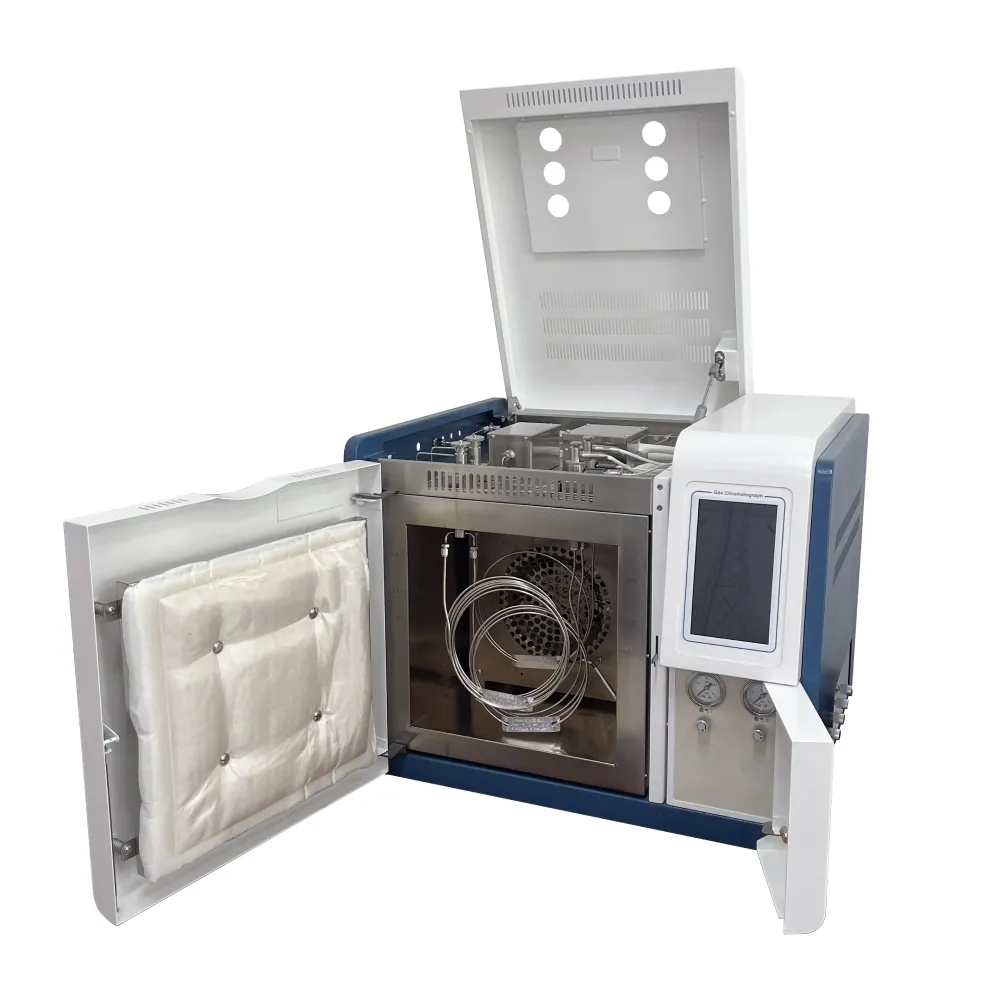
The gc gas chromatography technique continues to evolve, pushing the boundaries of analytical precision and efficiency. The PS-9001 Gas Chromatograph embodies this evolution, offering a robust, versatile, and high-performance solution for a broad spectrum of analytical challenges. Whether you are conducting routine quality control, complex research, or precise environmental monitoring, the PS-9001 is designed to deliver reliable and accurate results, providing critical insights that drive progress in your field. Its advanced features, coupled with Pushtester's unwavering commitment to quality and customer support, make it an invaluable asset for any laboratory.
By investing in the PS-9001, you are not just acquiring a gas chromatography system; you are partnering with a gas chromatography supplier dedicated to your success, offering a full range of gas chromatography supplies and expertise to support your analytical journey. Explore the full capabilities of the PS-9001 and discuss your specific needs with our experts today.
References & Further Reading:
- "Trends in gas chromatography instrumentation." Journal of Chromatography A, Vol. 1421, 2015, pp. 1-13. https://www.sciencedirect.com/journal/journal-of-chromatography-a
- "Modern Gas Chromatography Principles and Techniques." LCGC North America. https://www.chromatographyonline.com/
- "Gas Chromatography: A Practical Primer." Chromatography Today. https://www.chromatographytoday.com/
-
Find the Best Loop Impedance Tester for Sale and Ensure Electrical SafetyNewsMar.31,2026
-
Comprehensive Guide to Loop Impedance Meter for Electrical SafetyNewsMar.28,2026
-
Understanding and Choosing a Line Impedance Tester for Optimal Network PerformanceNewsMar.26,2026
-
Comprehensive Guide to Line Earth Loop Impedance Test for Electrical SafetyNewsMar.24,2026
-
Comprehensive Guide to Fault Loop Impedance Meter and Electrical SafetyNewsMar.21,2026
-
Comprehensive Guide to External Loop Impedance Test for Electrical SafetyNewsMar.19,2026


