 English



Transformer Oil BDV Test Kits: Accurate Breakdown Voltage Test
Unveiling Transformer Health: The Critical Role of Breakdown Voltage Test of Transformer Oil
In the vast network of electrical grids that power our world, transformers stand as silent, indispensable guardians, stepping up and down voltages to ensure efficient power transmission and distribution. The longevity and reliability of these critical assets heavily depend on the health of their insulating oil. Among the myriad diagnostic tests, the breakdown voltage test of transformer oil, also known as the Dielectric Strength Test or BDV test, is paramount. This crucial evaluation directly measures the insulating oil's ability to withstand electrical stress without breaking down, providing vital insights into its purity and integrity. A compromised dielectric strength indicates potential contamination or degradation, posing significant risks to transformer operation and grid stability.
At PUSH Electrical, we understand the stakes involved. Our flagship product, the PUSH Electrical PS-1001 Oil breakdown voltage tester oil bdv tester (Product Link), is engineered to deliver precise, reliable, and efficient breakdown voltage test of transformer oil results, empowering utilities and industrial operators to make informed maintenance decisions and prevent costly outages. This comprehensive guide delves deep into the importance, methodology, technological advancements, and practical applications of this essential diagnostic tool.
Industry Trends Driving the Demand for Robust BDV Testing
The global energy landscape is undergoing rapid transformation, profoundly impacting the demand for reliable transformer health monitoring. Several key trends are amplifying the criticality of the breakdown voltage test of transformer oil:
- Aging Infrastructure: Much of the world's electrical grid infrastructure, including transformers, is aging. Older equipment is more prone to insulation degradation, making regular BDV testing essential for extending operational life and preventing catastrophic failures.
- Renewable Energy Integration: The influx of intermittent renewable energy sources (solar, wind) introduces dynamic load fluctuations and harmonic distortions into the grid, placing additional stress on transformers. Vigilant monitoring, including BDV tests, is crucial to ensure these assets can cope with new operational paradigms.
- Smart Grid Evolution: The push towards smart grids necessitates more data-driven, predictive maintenance strategies. Automated BDV testers, capable of data logging and analysis, are becoming integral components of these advanced systems.
- Environmental and Safety Regulations: Stricter environmental regulations and safety standards demand rigorous monitoring to prevent oil spills, fires, and explosions caused by transformer failures due to compromised insulation.
- Economic Pressures: Utilities and industrial facilities are under constant pressure to optimize operational expenditures. Proactive maintenance, guided by accurate breakdown voltage test of transformer oil, helps avoid expensive emergency repairs and downtime.
These trends underscore the non-negotiable need for high-precision, automated BDV testers like the PUSH Electrical PS-1001, which not only provide accurate measurements but also facilitate efficient data management for comprehensive asset health assessment.
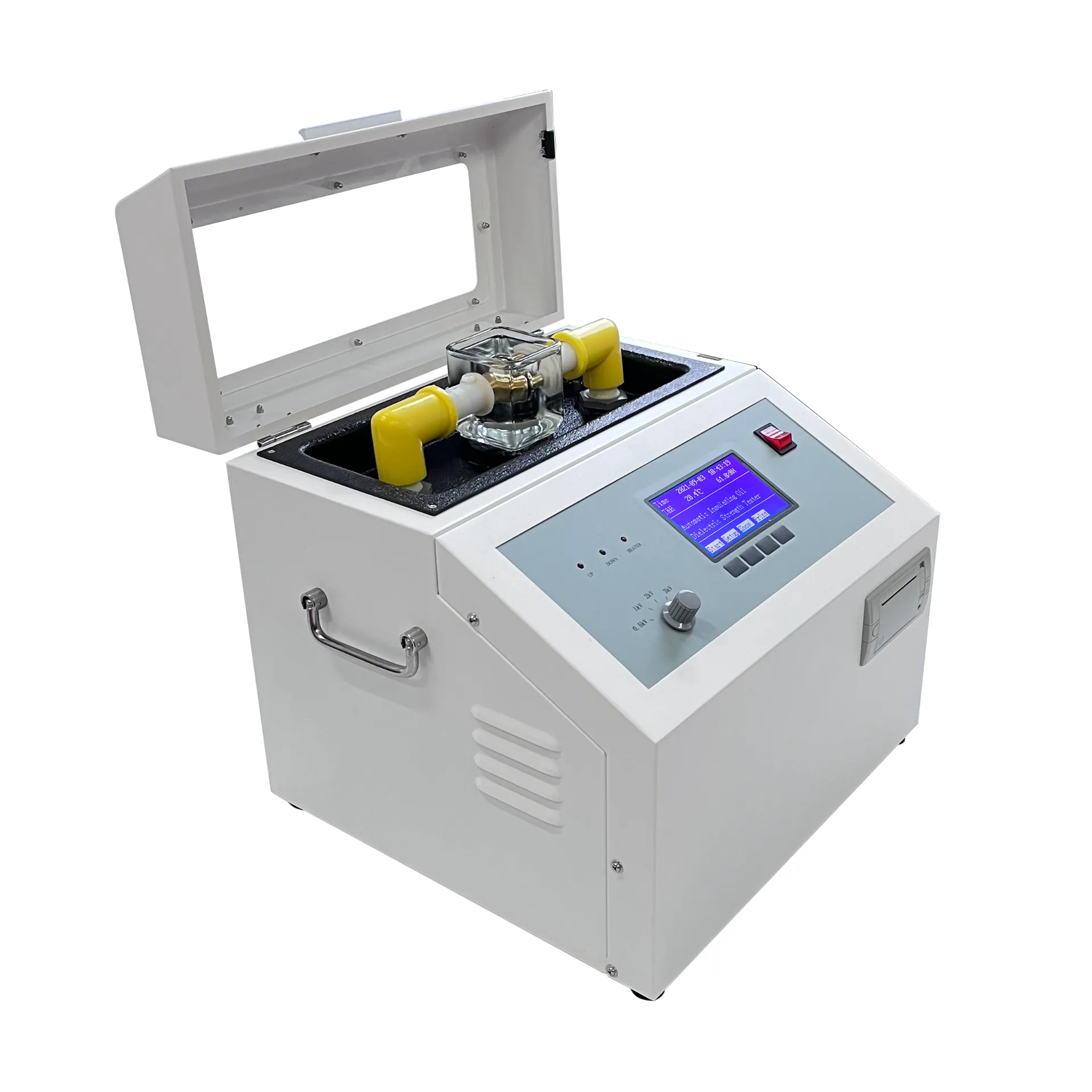
Fig 1: Modern equipment designed for accurate breakdown voltage test of transformer oil.
Understanding the Technical Core: Parameters and Testing Standards
The breakdown voltage test of transformer oil measures the dielectric strength, which is the maximum electric field an insulating material can withstand without experiencing a dielectric breakdown (i.e., becoming electrically conductive). For transformer oil, this is typically measured in kilovolts (kV).
Key Technical Parameters:
- Applied Voltage Rate: The rate at which the voltage is increased until breakdown occurs (e.g., 2 kV/s for IEC 60156).
- Electrode Gap: The precise distance between the electrodes (e.g., 2.5 mm for IEC, 1 mm or 2 mm for ASTM). This spacing is critical as it directly affects the electric field strength.
- Electrode Type: Standardized electrode shapes (spherical, mushroom, VDE) ensure consistent electric field distribution. For instance, ASTM D1816 specifies VDE electrodes, while ASTM D877 uses flat disc electrodes. IEC 60156 often uses spherical or mushroom electrodes.
- Number of Shots: Multiple breakdowns (typically 3 to 6) are performed on a single oil sample, and the average value is reported to ensure reliability and account for localized impurities.
- Temperature: Oil temperature significantly affects its dielectric strength. Tests are typically performed at room temperature, but temperature compensation or specific temperature control might be required for accurate comparison.
Standard Methodologies for BDV Testing:
The methodology for breakdown voltage test of transformer oil is rigorously defined by international standards to ensure consistency and comparability of results globally. The most prominent standards include:
- IEC 60156: Insulating liquids – Determination of the breakdown voltage at power frequency – Test method: This is a widely adopted international standard specifying test procedures for insulating liquids, including transformer oil. It details electrode types, gap settings, voltage application rates, and testing sequences.
- ASTM D1816: Standard Test Method for Dielectric Breakdown Voltage of Insulating Liquids Using VDE Electrodes: Commonly used in North America, this standard specifies the use of VDE electrodes (mushroom-shaped) with specific gap distances (1 mm or 2 mm) and a stirring mechanism to ensure uniform testing.
- ASTM D877: Standard Test Method for Dielectric Breakdown Voltage of Insulating Liquids Using Disk Electrodes: Another ASTM standard, D877 uses parallel disk electrodes with a fixed gap of 2.54 mm (0.1 inch). It is often preferred for rapid field testing due to its simpler electrode configuration.
Adherence to these standards is critical for the validity and comparability of test results, ensuring that any bdv transformer oil measurement provides an accurate reflection of the oil's condition and can be benchmarked against industry norms.
Process Flow for Breakdown Voltage Test of Transformer Oil (Automated Tester like PS-1001):
The automated process of conducting a breakdown voltage test of transformer oil with the PUSH Electrical PS-1001 ensures precision and operator safety. Below is a simplified workflow:
Sample Collection & Preparation
A representative oil sample is collected from the transformer using clean, dry sample bottles, following strict industry guidelines (e.g., ASTM D923 or IEC 60475) to prevent contamination. The sample is then transferred to a clean, dry test vessel (oil cup) with the specified electrodes mounted.
Tester Setup & Parameter Configuration
The oil cup is placed inside the PUSH Electrical PS-1001 test chamber. The operator selects the relevant testing standard (e.g., IEC 60156, ASTM D1816, ASTM D877) on the intuitive interface. The tester automatically adjusts electrode gap, voltage rise rate, and number of shots according to the selected standard.
Automated Voltage Application & Detection
Upon initiation, the PS-1001's internal high-voltage source gradually increases the voltage across the electrodes at the pre-set rate. Sophisticated detection circuitry continuously monitors the current. When an electrical breakdown (arcing) occurs between the electrodes, indicating the oil's dielectric limit, the voltage is immediately tripped and recorded. The arcing causes a sudden surge in current, which the tester identifies as a breakdown event.
Repeat Testing & Data Averaging
After each breakdown, the voltage is reset, and the oil sample may be gently stirred (depending on the standard and tester capabilities, PS-1001 has this feature for specific standards) to clear any carbon particles. The test is repeated for the specified number of shots (e.g., 6 times). The PS-1001 automatically calculates the average oil bdv value, discarding initial outliers if configured.
Result Analysis & Reporting
The final average breakdown voltage, along with individual shot values, date, time, and test parameters, is displayed on the tester's screen and stored in its internal memory. The data can then be printed or exported to a PC via USB for further analysis, trend tracking, and integration into maintenance management systems. Critical decisions regarding oil purification, regeneration, or replacement are made based on these results, often in conjunction with other tests like moisture content and dissolved gas analysis (DGA).
Introducing the PUSH Electrical PS-1001 Oil Breakdown Voltage Tester
The PUSH Electrical PS-1001 Oil breakdown voltage test of transformer oil bdv tester (https://www.pushtester.com/push-electrical-ps-1001-oil-breakdown-voltage-test.html) represents the pinnacle of modern dielectric strength testing technology. Designed for unparalleled accuracy, ease of use, and robust performance, the PS-1001 is an indispensable tool for maintaining the health of insulating liquids in transformers, circuit breakers, and other high-voltage equipment.
Product Design and Manufacturing Excellence:
At PUSH Electrical, we prioritize not just functionality but also the long-term reliability and precision of our instruments. The PS-1001 is a testament to our commitment to engineering excellence, focusing on:
- Premium Material Selection: The test chamber and oil cup are constructed from high-grade, chemically inert materials to prevent contamination of oil samples. Electrodes, crucial for accurate measurements, are typically made from high-purity brass or stainless steel, precision-machined to conform exactly to IEC and ASTM specifications. The external casing utilizes durable, impact-resistant composite materials for longevity and protection in harsh industrial environments.
- Precision Manufacturing (CNC Machining): Critical components, especially the electrode assemblies and high-voltage sections, undergo meticulous CNC (Computer Numerical Control) machining. This ensures unparalleled dimensional accuracy and repeatability, directly contributing to the precision of the bdv transformer test results.
- Advanced Insulating Technologies: Inside the PS-1001, advanced composite insulating materials are strategically employed to ensure complete electrical isolation and safety during high-voltage operations, protecting both the operator and the internal electronics.
- Rigorous Quality Control & Inspection Standards: Every PUSH Electrical PS-1001 undergoes a multi-stage quality assurance process. This includes component-level checks, sub-assembly testing, and final product calibration. Our manufacturing facilities adhere to ISO 9001 quality management systems. Furthermore, each unit is factory-calibrated and tested against reference oils traceable to national standards, ensuring it meets or exceeds international testing standards like IEC 60156, ASTM D1816, and ASTM D877 before leaving our facility.
- Designed for Longevity & Durability: With a focus on long-term reliability, the PS-1001 features robust internal circuitry, high-quality connectors, and a fan-assisted cooling system to ensure stable operation even during continuous testing. Its design life is estimated at over 15 years with proper maintenance, significantly reducing total cost of ownership.
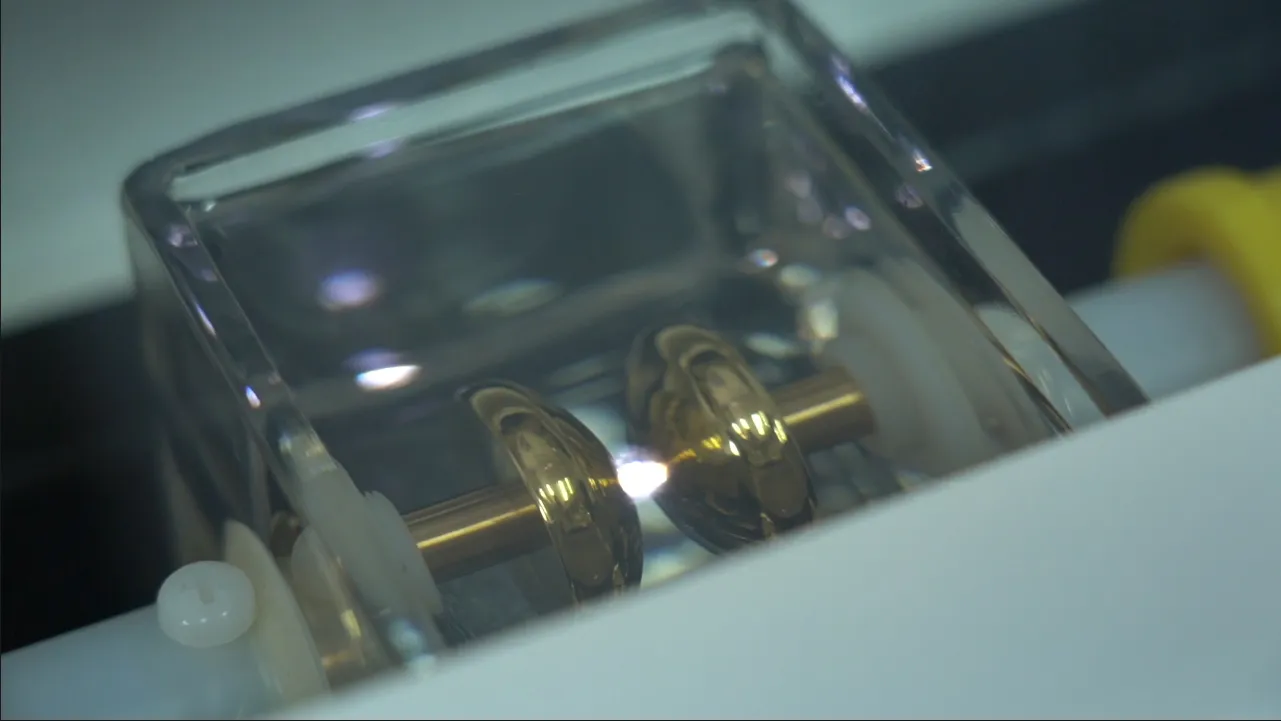
Fig 2: Internal components showing precision engineering for reliable oil bdv tester operation.
Key Specifications of PUSH Electrical PS-1001:
| Parameter | Specification (PUSH Electrical PS-1001) | Benefit to User |
|---|---|---|
| Voltage Output Range | 0 - 80 kV (Optional: 100 kV, 120 kV) | Covers a wide range of transformer oil types and standards, suitable for various applications. |
| Voltage Rise Rate | Adjustable (0.5 kV/s to 5.0 kV/s, typically 2.0 kV/s) | Adherence to international standards (IEC, ASTM) for precise and repeatable bdv testing. |
| Number of Shots | 1 to 6 (Programmable) | Ensures statistical validity of results, reducing the impact of random contaminants. |
| Measurement Accuracy | ±2% of reading + 2 digits | High precision guarantees reliable assessment of oil dielectric strength. |
| Standard Protocols | IEC 60156, ASTM D1816, ASTM D877, IS 6792, BS 5874, VDE 0370, AS 1767.2.1, etc. | Global applicability and compliance with diverse regional requirements for bdv test transformer oil. |
| Electrode Types | Spherical, Mushroom (VDE), Disk (all interchangeable) | Flexibility to meet different standard requirements. |
| Temperature Measurement | Built-in RTD, 0°C to 100°C | Compensates for temperature effects on BDV, improving accuracy. |
| Data Storage | Internal memory for 1000+ test results | Facilitates trend analysis and record-keeping. |
| Connectivity | USB, RS232 for PC interface and printer | Easy data transfer and professional report generation. |
| Safety Features | Automatic short-circuit protection, zero-start interlocking, grounding detection, emergency stop button | Ensures operator safety during high-voltage operation. |
| Power Supply | AC 220V ±10%, 50/60 Hz | Standard power input for broad compatibility. |
| Dimensions / Weight | Compact and portable design | Ideal for both laboratory and field testing (e.g., PS-1001 typically ~15-20 kg). |
Application Scenarios of BDV Testers
The PUSH Electrical PS-1001 is indispensable across a wide spectrum of industries where the reliability of insulating oil is critical. Its robust design and compliance with multiple standards make it suitable for:
- Power Utilities: Essential for routine maintenance of power transformers, distribution transformers, and substation equipment to prevent unexpected outages and ensure grid stability. Regular bdv transformer oil testing helps in identifying issues early.
- Industrial Facilities: Used in heavy industries such as petrochemicals, metallurgy, mining, and manufacturing, where large industrial transformers and high-voltage switchgear rely on healthy insulating oil. For instance, in petrochemical plants, ensuring non-flammable and highly insulating oil is critical for safety and continuous operation.
- Renewable Energy Sector: Wind farms and solar power plants utilize transformers for grid connection. The PS-1001 helps maintain these critical assets, especially in remote or harsh environments where reliable power conversion is paramount.
- Transformer Manufacturers: Critical for quality control during the manufacturing process of new transformers and during repair/overhaul, ensuring the insulating oil meets design specifications.
- Oil Refineries & Laboratories: For quality control of new transformer oil batches before distribution and for research and development purposes.
- Railway Electrification: Transformers in railway traction substations are subject to unique stresses, making regular bdv transformer test a key part of their maintenance regime.
In each of these scenarios, the PS-1001 provides a fast, accurate, and safe method for assessing oil quality, contributing to enhanced system reliability, reduced downtime, and extended equipment lifespan. Its portability and automation mean fewer human errors and quicker turnaround times for critical diagnostic results.
Technical Advantages of PUSH Electrical PS-1001
The PUSH Electrical PS-1001 stands out from conventional oil bdv testers due to a host of integrated technical advantages:
- Superior Accuracy and Repeatability:
- High-Precision Voltage Source: Employs a highly stable and linear high-voltage output, ensuring the voltage ramp-up rate is consistently maintained as per international standards, leading to precise breakdown detection.
- Advanced Signal Processing: Utilizes sophisticated digital signal processing (DSP) to detect breakdown events rapidly and accurately, minimizing overshoots and improving the repeatability of results. This contrasts with older, analog systems prone to noise and delayed detection.
- Full Automation and User-Friendliness:
- Pre-programmed Test Standards: Comes pre-loaded with major international and national standards (IEC 60156, ASTM D1816, ASTM D877, etc.), simplifying operation and ensuring compliance. Operators simply select the standard, and the machine handles the rest, from electrode gap setting (where applicable) to stirring and number of shots.
- Intuitive Touchscreen Interface: A large, high-resolution color touchscreen provides an easy-to-navigate menu, real-time voltage display, and clear presentation of results, significantly reducing operator training time and potential for error compared to knob-and-button interfaces.
- Enhanced Safety Features:
- Zero-Start Interlock: Prevents the high-voltage output from energizing if the test chamber lid is not securely closed or if the voltage control is not at zero, a crucial safety feature.
- Automatic Short-Circuit Protection: Immediately shuts down the high-voltage output upon breakdown, preventing excessive arcing and ensuring the longevity of the electrodes and internal components, while also safeguarding the operator.
- Integrated Grounding Detection: Confirms proper grounding before operation, mitigating electrical hazards.
- Shielded Test Chamber: Provides electromagnetic shielding and physical isolation from the high-voltage environment.
- Comprehensive Data Management:
- Large Internal Storage: Capable of storing thousands of test results, including individual shot values, average BDV, temperature, date, and time.
- PC Connectivity & Software: USB/RS232 ports allow seamless transfer of data to a computer for in-depth analysis, trend charting, and professional report generation. This integration into digital asset management systems is a key benefit for modern predictive maintenance strategies.
- Robust Design for Field and Lab Use:
- Portable and Lightweight: Engineered for easy transportation between testing sites, making it an ideal bdv test kit for both laboratory and remote fieldwork.
- Durable Construction: Built to withstand the rigors of industrial environments, ensuring a long operational life and reliable performance.
- Multi-Standard Compatibility & Interchangeable Electrodes:
- The PS-1001 supports a variety of electrode types (spherical, mushroom/VDE, disk) which are easily interchangeable, allowing users to comply with different national and international standards without needing multiple testers. This versatility makes it an ideal oil bdv test kit.
These advantages collectively position the PUSH Electrical PS-1001 as a leading choice for reliable, safe, and efficient bdv testing machine of transformer oil.
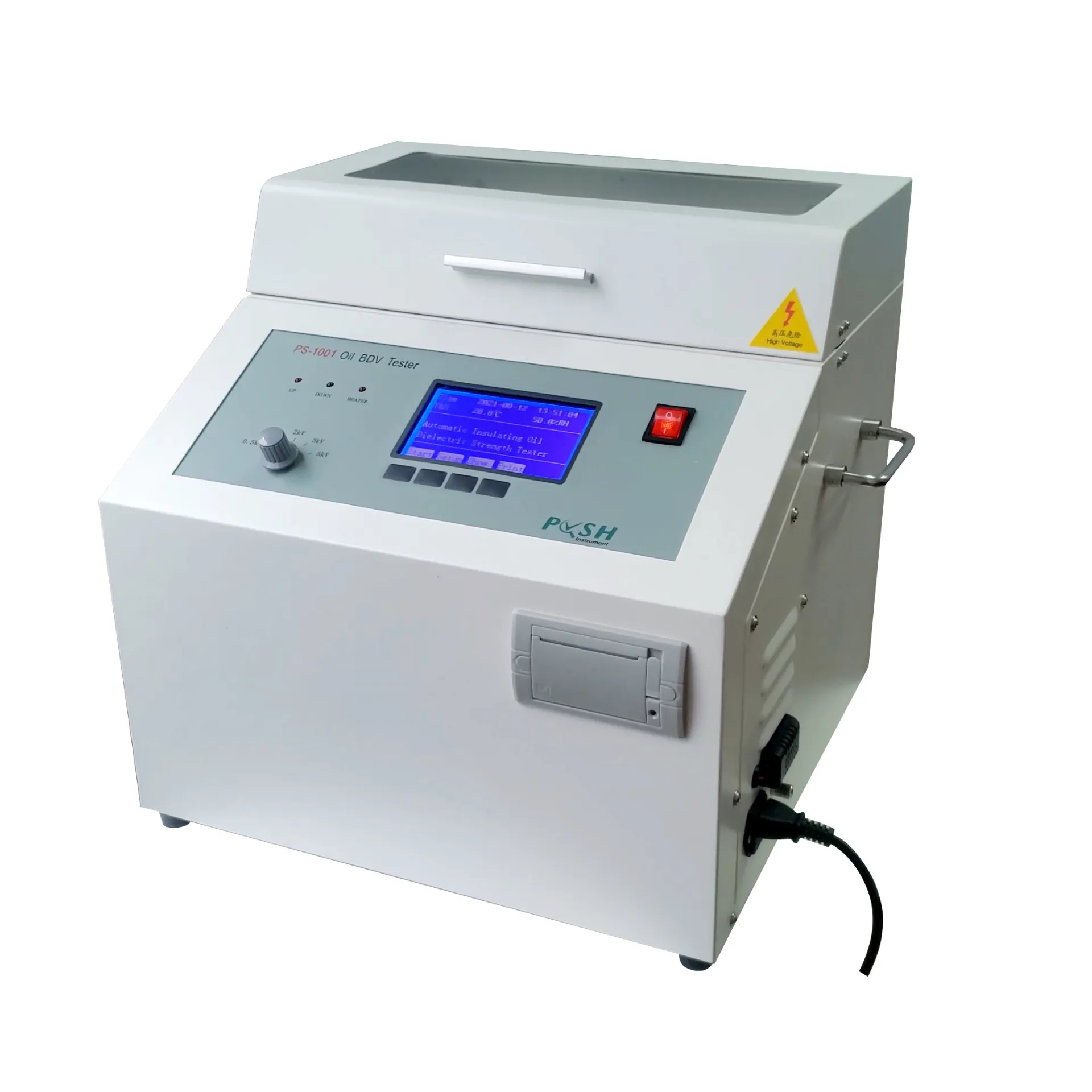
Fig 3: User-friendly interface of the PUSH Electrical PS-1001 bdv tester.
Manufacturer Comparison & PUSH Electrical's Differentiators
The market for bdv test kits and equipment is competitive, with various manufacturers offering solutions. However, PUSH Electrical distinguishes itself through a steadfast commitment to innovation, quality, and unparalleled customer support.
While some manufacturers may offer lower initial costs, they often compromise on accuracy, durability, and after-sales service. Here’s how PUSH Electrical stands apart:
- Expertise & Specialization: PUSH Electrical is not just a general test equipment manufacturer; we are specialists in high-voltage testing solutions. Our core focus allows us to dedicate significant R&D to perfecting instruments like the PS-1001, ensuring it incorporates the latest advancements in measurement technology and safety. Our team comprises seasoned electrical engineers and industry experts with deep knowledge of insulating materials and transformer diagnostics.
- Uncompromising Quality & Compliance: Our manufacturing processes are ISO 9001 certified, and every PS-1001 unit undergoes stringent quality control and calibration procedures. We don't just claim compliance; we demonstrate it through traceable calibration certificates and adherence to every nuance of international standards (IEC, ASTM). This ensures that our oil bdv tester provides trustworthy results.
- Innovative Features for Modern Needs: From fully automated testing sequences and multi-standard support to advanced data management capabilities and robust safety interlocks, the PS-1001 is designed with the modern electrical utility and industrial facility in mind. We continually gather feedback from our global clientele to refine our products and add features that genuinely enhance operational efficiency and safety.
- Exceptional Customer Support & Training: Our commitment extends beyond the sale. We offer comprehensive pre-sales consultation, global technical support, and tailored training programs to ensure our clients maximize the value of their investment. Our average response time for technical inquiries is less than 24 hours, reflecting our dedication to customer success.
- Competitive Value & Total Cost of Ownership: While we may not always be the lowest-priced option, our instruments offer superior long-term value. The durability, low maintenance requirements, high accuracy, and extended lifespan of the PS-1001 result in a lower total cost of ownership compared to cheaper alternatives that might require frequent repairs or replacements. Our bdv tester price reflects its premium quality and advanced features.
PUSH Electrical has been a trusted partner in the electrical testing industry for over two decades, serving clients across power generation, transmission, distribution, and heavy industries globally. Our reputation is built on delivering reliable, precise, and safe solutions that empower our customers to maintain the integrity of their critical electrical assets.


Custom Solutions & Tailored Implementations
Recognizing that every client's needs can be unique, PUSH Electrical offers flexible solutions beyond standard product offerings. While the PS-1001 excels as a standalone unit for bdv testing, we can also provide custom configurations to integrate seamlessly into specific operational frameworks:
- Voltage Range Customization: For specialized applications requiring higher breakdown voltage measurements (e.g., above 80 kV), we can provide PS-1001 variants rated for 100 kV or 120 kV upon request.
- Software Integration: We can assist in integrating the PS-1001's data output with existing SCADA (Supervisory Control and Data Acquisition) or asset management systems, enabling automated data logging and real-time monitoring within a broader digital ecosystem.
- Specialized Electrode Configurations: While standard electrode types are included, we can source or manufacture customized electrode configurations for unique research or application requirements.
- On-site Training & Commissioning: For large-scale deployments or complex operational environments, PUSH Electrical offers on-site training for your technical personnel, ensuring they are fully proficient in operating the PS-1001 and interpreting its results.
- Mobile Lab Integration: We can advise on and assist with the integration of the PS-1001 into mobile testing laboratories, providing a robust solution for field teams.
Application Cases and Customer Success Stories
Across the globe, the PUSH Electrical PS-1001 has proven its value in diverse operational environments. Here are a few simulated examples reflecting real-world benefits experienced by our clients:
Case Study 1: Large National Utility (APAC Region)
Challenge: An aging transformer fleet was experiencing an increase in unexpected outages, leading to significant financial losses and customer dissatisfaction. Manual breakdown voltage test of transformer oil was slow, inconsistent, and often led to delays in maintenance decisions.
Solution: The utility adopted a fleet of 25 PUSH Electrical PS-1001 BDV testers for their regional maintenance hubs. The automated testing process, adherence to IEC 60156, and direct data export capabilities streamlined their oil analysis program.
Result: Within the first year of deployment, the utility reported a 20% reduction in unscheduled transformer downtime attributed to insulation failures. The PS-1001’s rapid, accurate bdv testing allowed proactive oil treatment or replacement, extending the average lifespan of their transformers by an estimated 3-5 years and significantly improving grid reliability.
Case Study 2: Major Industrial Petrochemical Complex (Middle East)
Challenge: Ensuring the uninterrupted operation of high-voltage transformers in a hazardous petrochemical environment required extremely reliable and safe testing equipment. Any transformer failure could lead to massive production losses and safety risks. Previous oil bdv testers lacked the robust safety features required.
Solution: The complex invested in two PUSH Electrical PS-1001 units, specifically chosen for their stringent safety interlocks and compliance with industrial safety standards. The compact design allowed for easier transport within the sprawling facility.
Result: The PS-1001's enhanced safety features and consistent performance enabled the petrochemical complex to implement a more frequent and reliable oil testing schedule. This proactive approach led to a 100% elimination of transformer-related production interruptions due to oil insulation failure over a three-year period, validating the investment in a top-tier bdv tester.
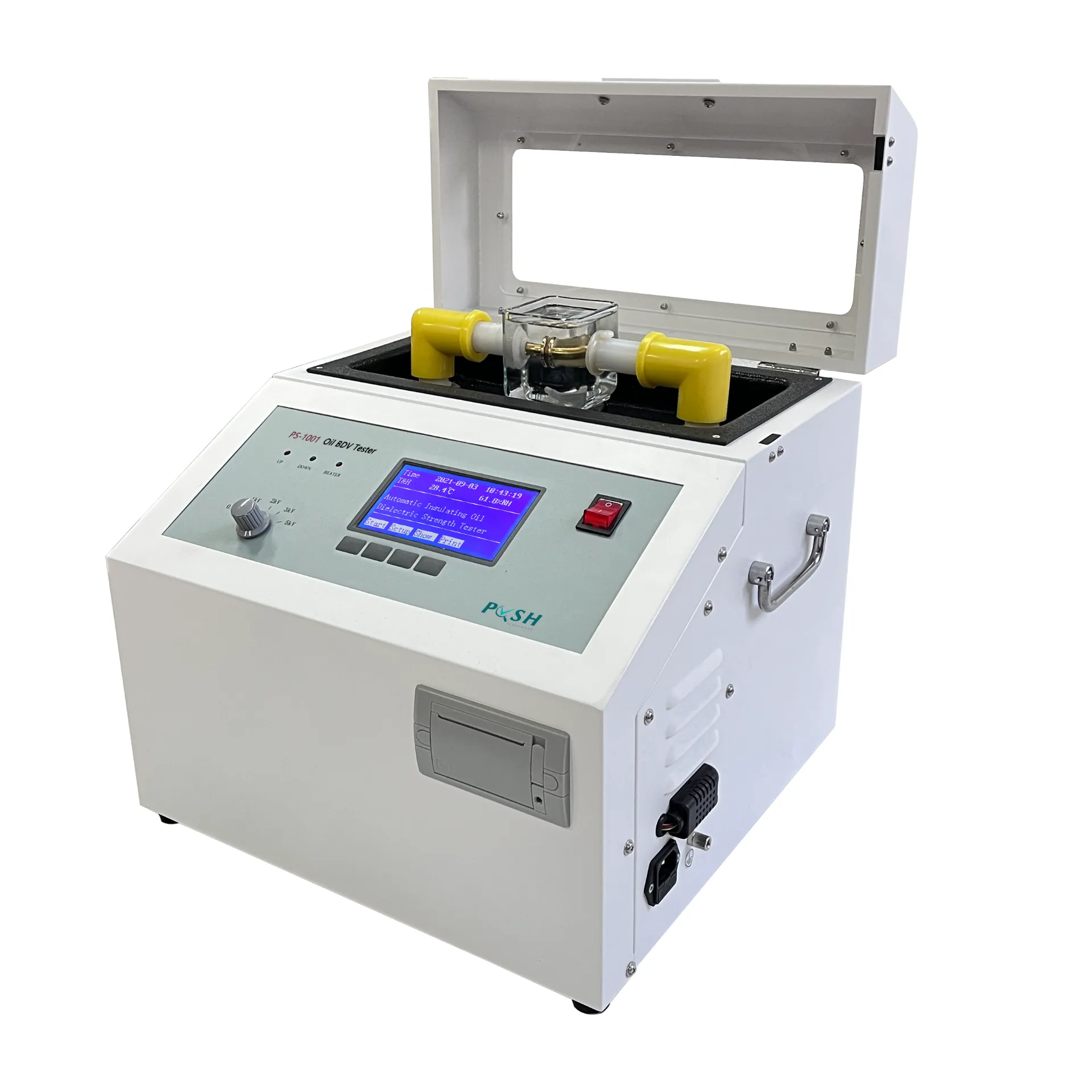
Fig 4: A PUSH Electrical PS-1001 in an industrial setting, performing a critical breakdown voltage test of transformer oil.
Data Visualization: Typical BDV Limits & Performance Comparison
The acceptable breakdown voltage for transformer oil varies depending on its age, type, application, and the standard used. New, dry, and clean transformer oil typically exhibits very high dielectric strength. However, as it ages and becomes contaminated with moisture, particles, or dissolved gases, its BDV value will decrease. The tables below provide general guidelines and specific PUSH Electrical PS-1001 performance parameters.
Table 1: Typical Breakdown Voltage Limits for Transformer Oil (Reference Values)
| Oil Condition | Minimum BDV (kV) (New Oil, IEC 60296) | Minimum BDV (kV) (In-service Oil, IEC 60422) | Common Contaminants Reducing BDV |
|---|---|---|---|
| New, Unused Oil | > 70 kV (IEC 60296 Class I & II) | N/A | Manufacturing residues, trace moisture from container111s. |
| In-Service Oil (Excellent) | N/A | > 50 kV (up to 72.5 kV system voltage) | None significant. |
| In-Service Oil (Good/Acceptable) | N/A | 40-50 kV (up to 72.5 kV system voltage) | Minor moisture ingress, very fine particles. |
| In-Service Oil (Marginal/Needs Attention) | N/A | 25-39 kV (up to 72.5 kV system voltage) | Significant moisture, carbon particles from arcing, fibrous materials. |
| In-Service Oil (Poor/Critical) | N/A | High moisture content, severe particulate contamination, degradation products. Immediate action required. |
Note: These values are general guidelines. Specific acceptable limits may vary based on transformer voltage class, design, and local regulations or utility standards. Always refer to relevant industry standards (e.g., IEC 60422 for in-service oil management) for definitive action levels.
Table 2: PUSH Electrical PS-1001 vs. Generic Manual Oil BDV Tester Comparison
| Feature | PUSH Electrical PS-1001 (Automated) | Generic Manual BDV Tester | Benefit to User |
|---|---|---|---|
| Accuracy | ±2% reading + 2 digits; high repeatability | ±5% or more; operator-dependent variability | More reliable and consistent results for critical decisions. |
| Compliance | Fully compliant with IEC 60156, ASTM D1816, D877, etc. | May require manual adjustments; prone to human error in adherence. | Guaranteed adherence to international standards; legally defensible results. |
| Ease of Use | Fully automated test sequence, touchscreen, pre-programmed standards | Manual voltage increase, manual recording, complex knob operation | Minimizes training, reduces human error, speeds up testing. |
| Safety Features | Zero-start, auto-shutdown, interlocking, shielded chamber | Limited or no safety interlocks; higher operator exposure risk | Superior operator protection; reduced risk of electrical accidents. |
| Data Management | Internal storage, USB/PC connectivity, report generation | Manual recording, no digital storage/export | Facilitates trend analysis, audit trails, and integration into digital systems. |
| Test Speed | Fast, automated cycles (e.g., 2-3 mins per test series) | Slower, highly dependent on operator manual speed | Increases throughput, especially for large fleets or frequent testing. |
| Maintenance | Self-diagnostic features, robust components, long lifespan | More prone to mechanical wear, less sophisticated diagnostics | Lower long-term maintenance costs and increased uptime. |
| Price (bdv test kit price) | Higher initial investment (e.g., ~$5,000 - $15,000 USD) | Lower initial investment (e.g., ~$1,000 - $4,000 USD) | Higher ROI due to increased reliability, efficiency, and safety. |
Professional FAQ on Breakdown Voltage Test of Transformer Oil
Q1: What is "Dielectric Strength" in the context of transformer oil?
A: Dielectric strength is the maximum electric field an insulating material can withstand without undergoing electrical breakdown. For transformer oil, it's its ability to resist voltage without arcing. A high dielectric strength indicates good insulating properties, crucial for preventing electrical faults within the transformer. It is typically measured in kilovolts (kV).
Q2: Why are "Electrodes" so critical in a BDV test?
A: Electrodes (typically spherical, mushroom, or disk-shaped) are crucial because they create a controlled electric field across the oil sample. Their precise shape, material (e.g., brass, stainless steel), and the exact gap between them dictate the consistency and accuracy of the electric field distribution, directly impacting the bdv transformer test results and adherence to international standards like IEC 60156 or ASTM D1816.
Q3: What does "Arcing" signify during a BDV test?
A: Arcing (or breakdown) signifies that the insulating oil has failed to withstand the applied voltage, and a conductive path has been formed through it. This happens when the electric field strength exceeds the oil's dielectric strength. In a real transformer, arcing can lead to severe damage, including internal faults, overheating, and even explosions, highlighting the importance of a low BDV reading as a warning sign.
Q4: How do ASTM D1816 and ASTM D877 differ in BDV testing?
A: Both are ASTM standards for BDV testing. ASTM D1816 specifies the use of VDE electrodes (mushroom-shaped) with a small gap (1 mm or 2 mm) and requires stirring the oil during the test. ASTM D877 uses flat disc electrodes with a fixed 2.54 mm gap and generally does not require stirring. D1816 is often considered more sensitive to particulate contamination due to its smaller gap and stirring, while D877 is simpler for general field use.
Q5: What is the significance of the "Number of Shots" in a BDV test?
A: Performing multiple "shots" (individual breakdowns) on a single oil sample (typically 3 to 6) helps achieve a more statistically reliable average breakdown voltage. This is because contaminants in the oil might not be uniformly distributed. Multiple tests increase the likelihood of encountering these impurities, and averaging helps mitigate the impact of random variations, providing a more representative measure of the oil's overall dielectric strength for bdv testing machine.
Q6: Besides BDV, what other tests are crucial for transformer oil health?
A: While BDV is fundamental, comprehensive transformer oil assessment includes other critical tests:
- Moisture Content (Water Content): Even small amounts of water drastically reduce dielectric strength and accelerate paper insulation degradation.
- Dissolved Gas Analysis (DGA): Detects gases produced by thermal or electrical faults within the transformer, indicating incipient failures.
- Acidity (Neutralization Number): Measures acidic byproducts from oil oxidation, which can corrode internal components.
- Dielectric Dissipation Factor (Tan Delta) / Power Factor: Measures dielectric losses, indicating overall oil degradation and contamination.
- Interfacial Tension (IFT): Indicates the presence of polar contaminants and oil aging products.
Q7: What maintenance does a PUSH Electrical PS-1001 oil bdv tester require?
A: The PS-1001 is designed for low maintenance. Key maintenance aspects include:
- Electrode Cleaning: Regularly cleaning and polishing electrodes after each test series to remove carbon deposits from arcing, ensuring accurate future tests.
- Oil Cup Cleaning: Thoroughly cleaning and drying the test vessel to prevent cross-contamination between samples.
- Calibration: Annual or bi-annual calibration by an accredited laboratory to ensure continued accuracy and compliance with standards.
- Software Updates: Keeping firmware updated for new features or standard revisions.
- General Cleaning: Keeping the exterior clean and free from dust and debris.
Ensuring Trust: PUSH Electrical's Commitment
At PUSH Electrical, trust is the cornerstone of our operations. We understand that our equipment plays a vital role in the reliability and safety of critical electrical infrastructure. Our commitment to trustworthiness is reflected in several key areas:
- Certifications & Standards: All our products, including the PUSH Electrical PS-1001 oil bdv tester, are designed and manufactured in compliance with strict international quality management systems (ISO 9001). Our BDV testers specifically adhere to and often exceed the requirements of global standards such as IEC 60156, ASTM D1816, and ASTM D877. This meticulous adherence ensures that every test result from our equipment is reliable and internationally recognized.
- Transparent Warranty & Support: We offer a comprehensive [e.g., 1-year standard, extendable up to 3 years] warranty on all our equipment, covering manufacturing defects and ensuring peace of mind. Our dedicated technical support team is available globally, offering prompt assistance via phone, email, or remote diagnostics. We also provide accessible user manuals and training resources to empower our clients.
- Delivery and After-Sales Service: We maintain efficient logistics to ensure timely delivery of equipment worldwide. Our after-sales service includes technical troubleshooting, spare parts availability, and calibration services, ensuring the long-term operational efficiency of your PUSH Electrical PS-1001. Typical delivery times range from 2-4 weeks depending on customization and destination, with expedited options available.
- Customer Feedback Integration: We actively solicit and integrate customer feedback into our product development cycle, demonstrating our commitment to continuous improvement and meeting evolving industry needs. Our long-standing relationships with leading utilities and industrial clients worldwide attest to our reliable service and product quality.
Conclusion: The Indispensable Breakdown Voltage Test of Transformer Oil
The breakdown voltage test of transformer oil is not merely a routine check; it is a fundamental diagnostic cornerstone in maintaining the health, longevity, and safe operation of power transformers and the entire electrical grid. As global energy demands grow and infrastructure ages, the insights provided by accurate BDV testing become increasingly critical for proactive maintenance, mitigating risks, and optimizing asset management strategies.
The PUSH Electrical PS-1001 Oil breakdown voltage tester oil bdv tester stands as a testament to precision engineering, robust design, and user-centric innovation. By adhering to global standards, offering advanced automation, integrating comprehensive safety features, and providing exceptional data management capabilities, the PS-1001 empowers professionals to conduct reliable bdv transformer oil tests efficiently and safely. Investing in such a high-caliber bdv test kit is not just a cost, but an investment in the uninterrupted flow of power and the long-term health of your most vital electrical assets. Choose PUSH Electrical for unparalleled accuracy, reliability, and support in your critical insulation oil testing needs.
References and Further Reading
For more in-depth information on transformer oil testing and industry standards, consider consulting the following authoritative resources:
- International Electrotechnical Commission (IEC): Explore standards such as IEC 60156 (Insulating liquids – Determination of the breakdown voltage at power frequency – Test method) and IEC 60422 (Mineral insulating oils in electrical equipment – Supervision and maintenance guidance).
https://www.iec.ch/ - ASTM International: Refer to standards like ASTM D1816 (Standard Test Method for Dielectric Breakdown Voltage of Insulating Liquids Using VDE Electrodes) and ASTM D877 (Standard Test Method for Dielectric Breakdown Voltage of Insulating Liquids Using Disk Electrodes).
https://www.astm.org/ - IEEE Xplore Digital Library: Numerous technical papers and articles on transformer diagnostics, insulating materials, and condition monitoring are available.
https://ieeexplore.ieee.org/Xplore/home.jsp - Cigre (International Council on Large Electric Systems): A global community for experts in electric power systems, often publishing technical brochures and reports on transformer maintenance and insulation issues.
https://www.cigre.org/
-
Find the Best Loop Impedance Tester for Sale and Ensure Electrical SafetyNewsMar.31,2026
-
Comprehensive Guide to Loop Impedance Meter for Electrical SafetyNewsMar.28,2026
-
Understanding and Choosing a Line Impedance Tester for Optimal Network PerformanceNewsMar.26,2026
-
Comprehensive Guide to Line Earth Loop Impedance Test for Electrical SafetyNewsMar.24,2026
-
Comprehensive Guide to Fault Loop Impedance Meter and Electrical SafetyNewsMar.21,2026
-
Comprehensive Guide to External Loop Impedance Test for Electrical SafetyNewsMar.19,2026


