 English



-
 Afrikaans
 -
 Albanian
 -
 Amharic
 -
 Arabic
 -
 Armenian
 -
 Azerbaijani
 -
 Basque
 -
 Belarusian
 -
 Bengali
 -
 Bosnian
 -
 Bulgarian
 -
 Catalan
 -
 Cebuano
 -
 China
China -
 China (Taiwan)
 -
 Corsican
 -
 Croatian
 -
 Czech
Czech -
 Danish
 -
 Dutch
Dutch -
 English
 -
 Esperanto
 -
 Estonian
 -
 Finnish
 -
 French
 -
 Frisian
 -
 Galician
 -
 Georgian
 -
 German
 -
 Greek
Greek -
 Gujarati
 -
 Haitian Creole
 -
 hausa
hausa -
 hawaiian
 -
 Hebrew
 -
 Hindi
Hindi -
 Miao
Miao -
 Hungarian
 -
 Icelandic
 -
 igbo
igbo -
 Indonesian
 -
 irish
irish -
 Italian
 -
 Japanese
 -
 Javanese
 -
 Kannada
 -
 kazakh
 -
 Khmer
Khmer -
 Rwandese
 -
 Korean
 -
 Kurdish
 -
 Kyrgyz
 -
 Lao
Lao -
 Latin
Latin -
 Latvian
 -
 Lithuanian
 -
 Luxembourgish
 -
 Macedonian
 -
 Malgashi
 -
 Malay
Malay -
 Malayalam
 -
 Maltese
 -
 Maori
Maori -
 Marathi
 -
 Mongolian
 -
 Myanmar
 -
 Nepali
 -
 Norwegian
 -
 Norwegian
 -
 Occitan
 -
 Pashto
 -
 Persian
 -
 Polish
 -
 Portuguese
 -
 Punjabi
 -
 Romanian
 -
 Russian
 -
 Samoan
 -
 Scottish Gaelic
 -
 Serbian
 -
 Sesotho
 -
 Shona
Shona -
 Sindhi
 -
 Sinhala
 -
 Slovak
 -
 Slovenian
 -
 Somali
 -
 Spanish
 -
 Sundanese
 -
 Swahili
 -
 Swedish
 -
 Tagalog
 -
 Tajik
Tajik -
 Tamil
Tamil -
 Tatar
Tatar -
 Telugu
 -
 Thai
Thai -
 Turkish
 -
 Turkmen
 -
 Ukrainian
 -
 Urdu
Urdu -
 Uighur
 -
 Uzbek
Uzbek -
 Vietnamese
 -
 Welsh
Welsh -
 Bantu
Bantu -
 Yiddish
 -
 Yoruba
 -
 Zulu
Zulu
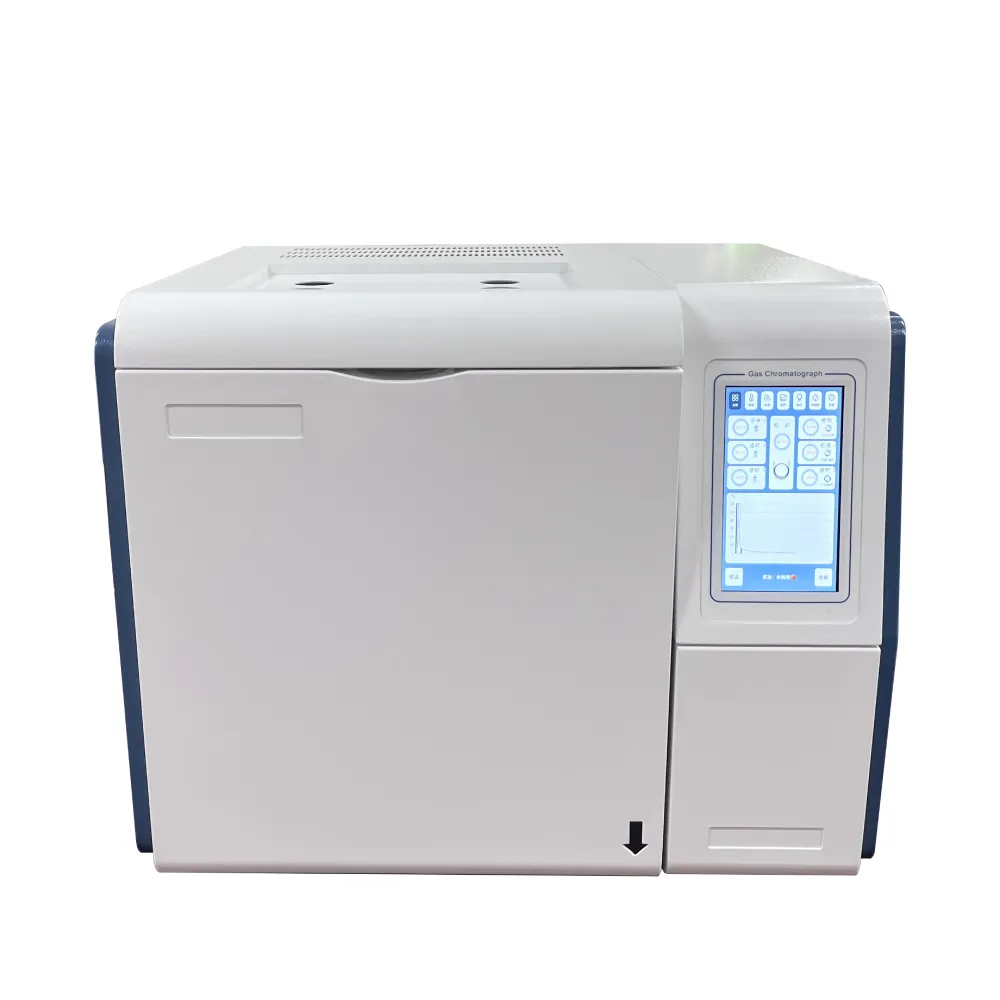
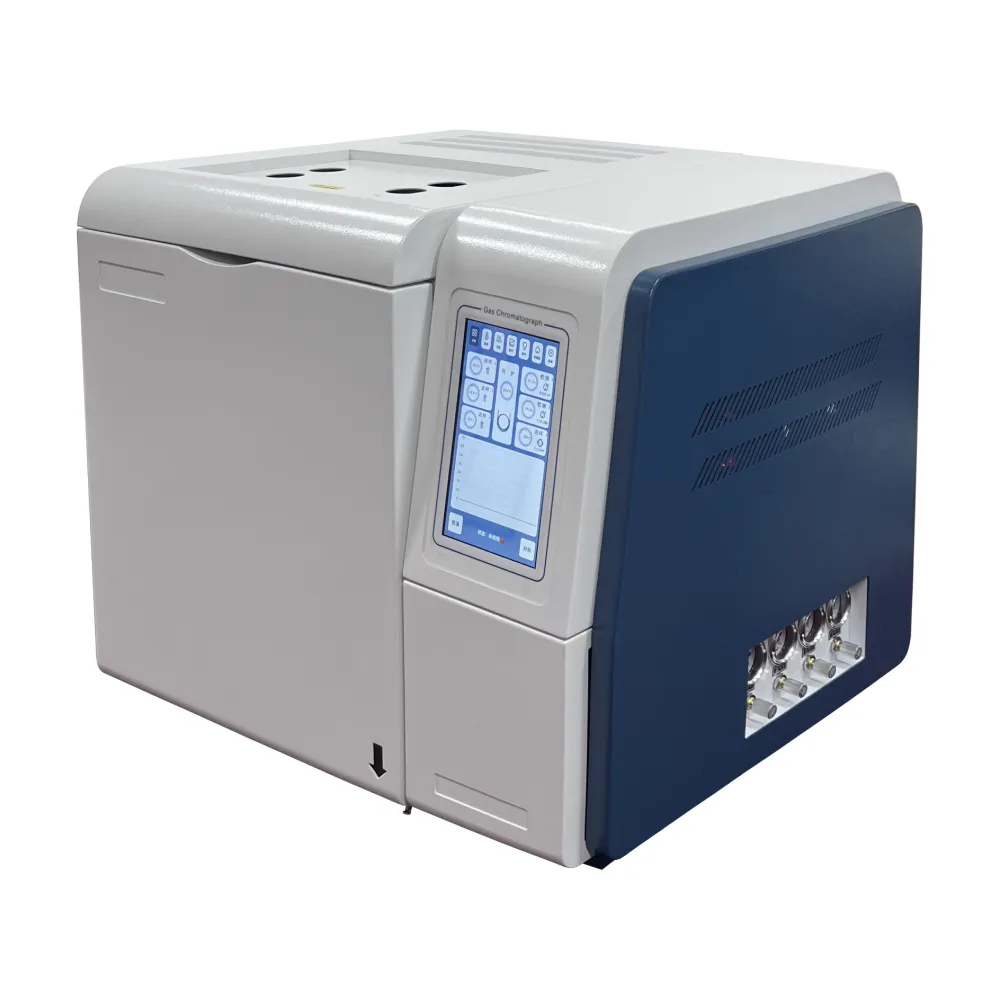
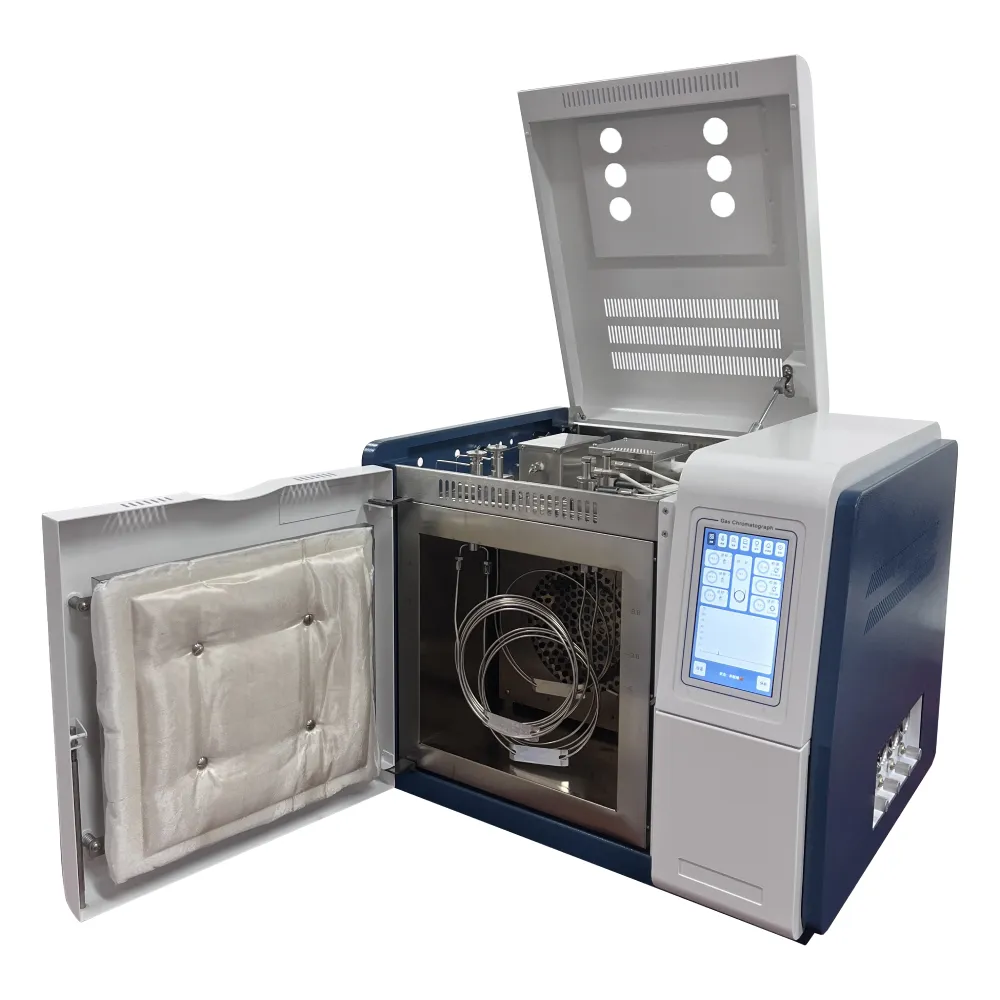
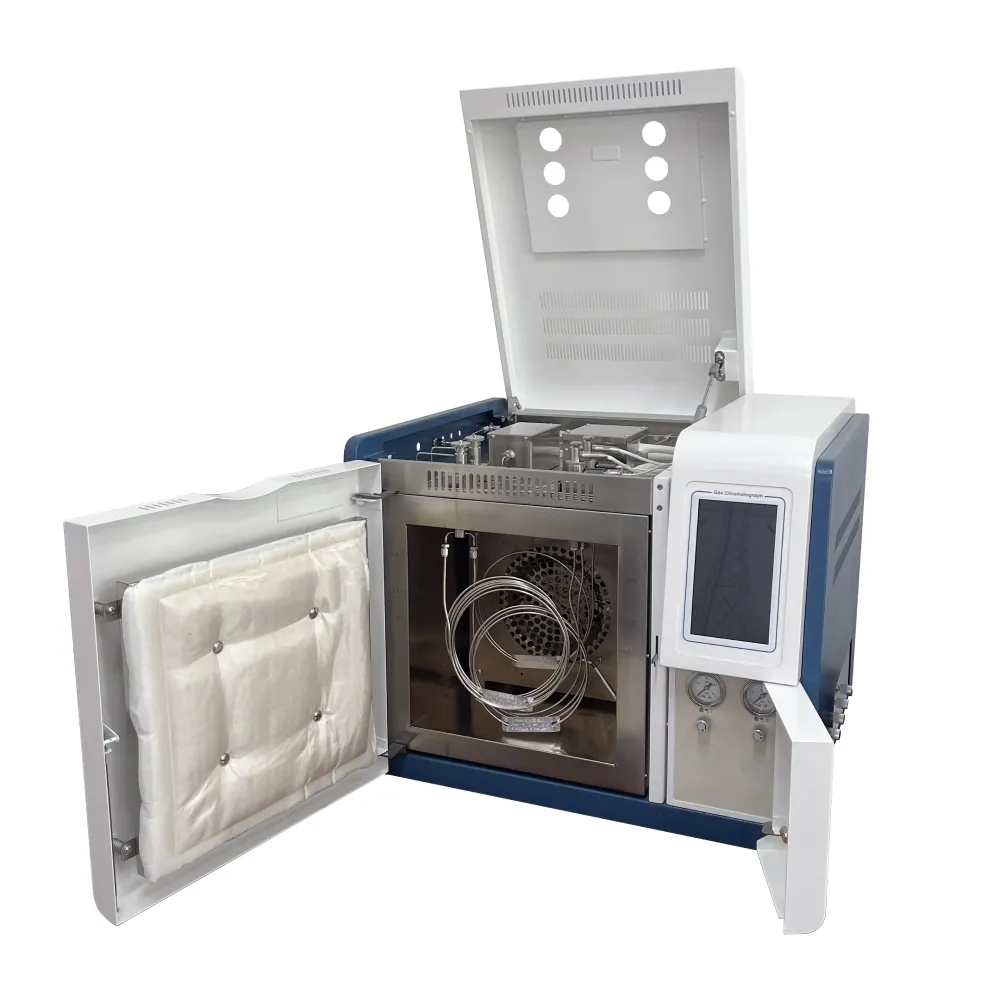
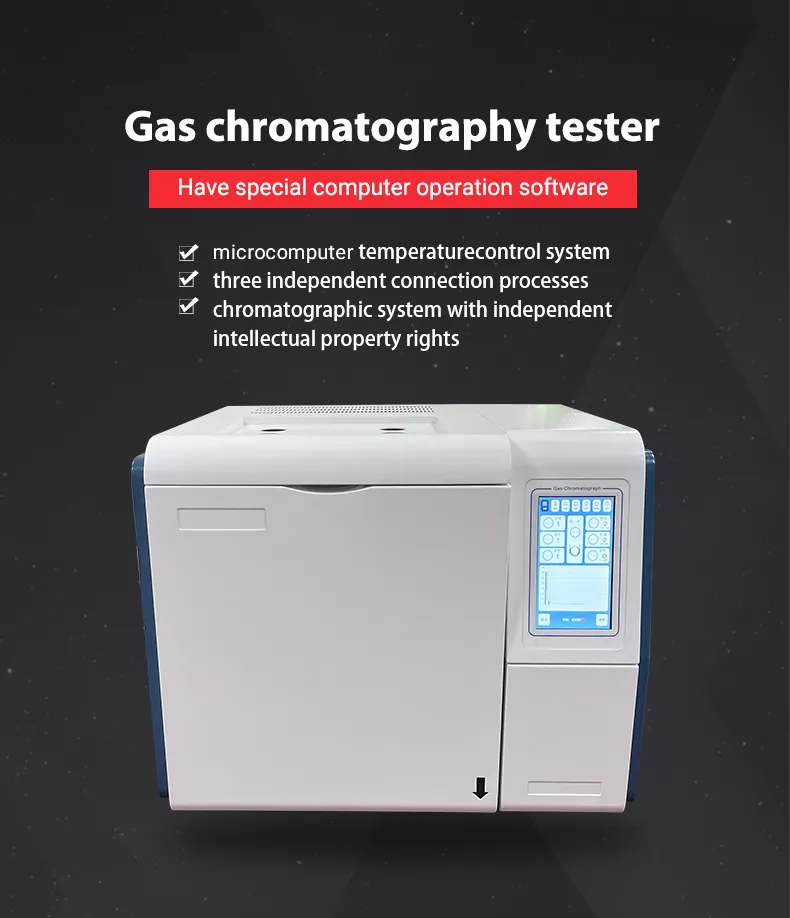
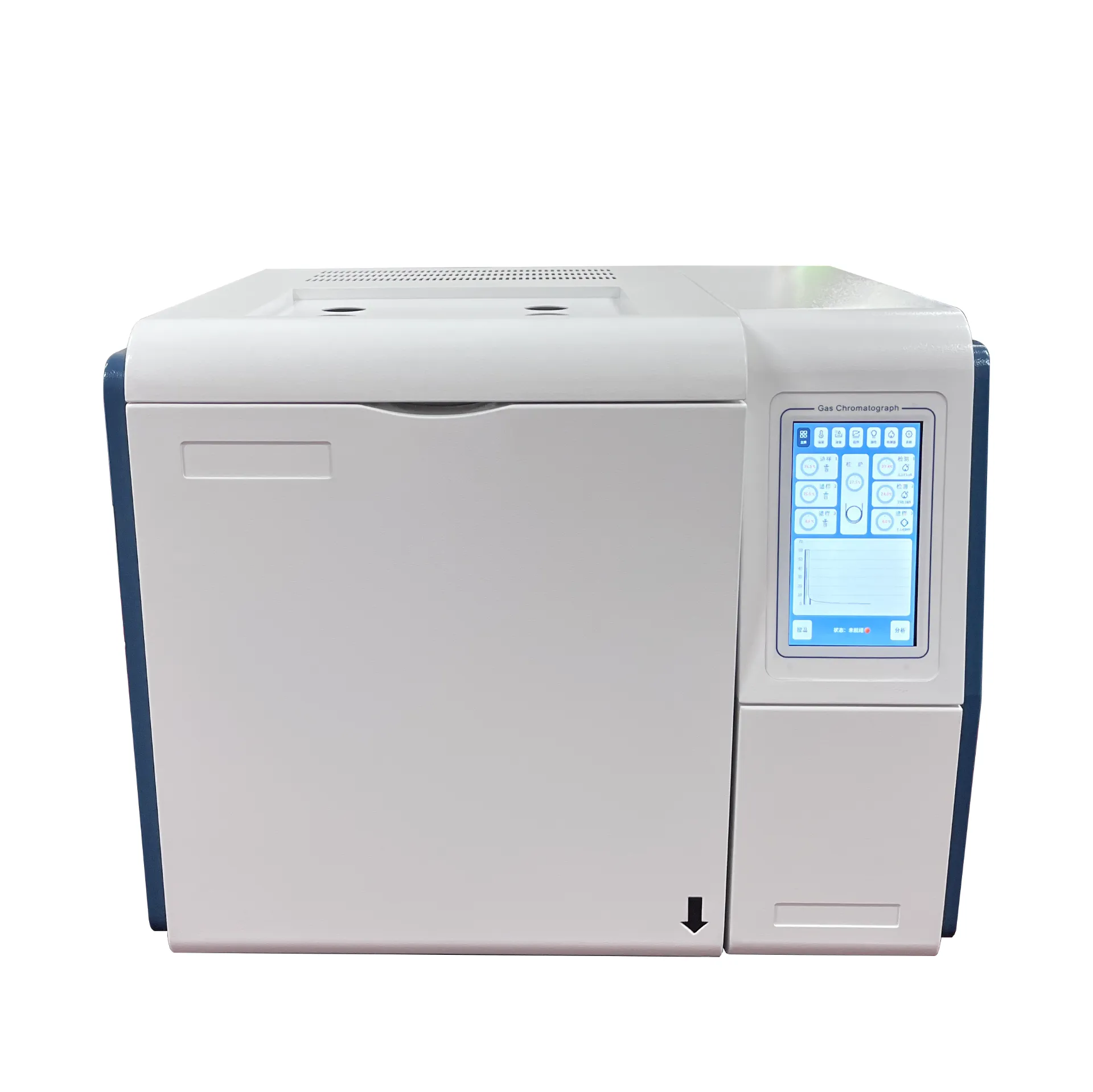
1, Wide variety of detector units
It can be equipped with a variety of detectors to meet the analysis needs of different fields. The leading injection port design is suitable for a variety of sampling methods, such as headspace sampling, thermal analysis sampling, etc., and is easily capable of analyzing various samples.
2, Powerful detection of its extension function
The detector and its control components adopt a unitized combination design, and the extended control mode system is plug-and-play.
3, Ultra-efficient rear door design
The intelligent rear door temperature control system ensures the stability of the column chamber temperature in any area, and the cooling speed is fast, which can realize the real near room temperature operation.
It has a powerful self-diagnosis function when starting up, intuitive display of fault information, power failure storage protection function, automatic screen saver and anti-power interference ability
- Temperature control area: 8-way independent temperature control system, with automatic temperature protection function, independent small column oven heating area can be set
- Screen size: 7-inch industrial color LCD screen
- Language: Chinese/English two operating systems
- Column box, gasification chamber, detector temperature range: room temperature +5°C ~ 450°C
- Temperature setting accuracy: 0.1°C
- Maximum heating rate: 80°C/min
- Cooling speed: from 350°C to 50°C<5min
- Intelligent rear door: stepless adjustment of air volume in and out
- Program heating order: 16 order (expandable)
- The longest run time: 999.99min
- Injection mode: capillary column split/splitless injection (with diaphragm purge function), - packed column injection, valve injection, gas/liquid automatic sampling system, etc.
- Injection valve: It can be equipped with multiple automatic control valves for automatic sequence operation
- Number of detectors: 4
- Detector type: FID, TCD, ECD, FPD, NPD, PDHID, PED, etc.
Hydrogen Flame Detector (FID)
Minimum detection limit: ≤3.0*10-12g/s (n-hexadecane/isooctane)
Dynamic linear range: ≥107
With fire detection and automatic re-ignition function
Wide-range logarithmic amplifier circuit to improve the linear range
Thermal Conductivity Detector (TCD)
Sensitivity: ≥10000mv.mL/mg (benzene/toluene)
Dynamic linear range: ≥105
Micro-cavity design, small dead volume, high sensitivity, with gas cut-off protection function
Flame Photometric Detector (FPD)
Minimum detection limit: S≤2×10-11 g/s (methyl parathion)
P≤1×10-12 g/s (methyl parathion)
Dynamic linear range: S≥103; P≥104
The internal pipeline is fully passivated, and there is no cold spot for organic phosphorus
gas chromatography gas
gas chromatography gc ms
gas chromatography method
gas chromatography price
gas chromatography products
gas chromatography supplier
gas chromatography supplies
gas chromatography system
gas chromatography test
gc chromatography
gc gas chromatography
gc gcms
-
 Find the Best Loop Impedance Tester for Sale and Ensure Electrical SafetyWhen ensuring electrical safety, accurate loop impedance testing is crucial. Whether you’re an electrician, a facilities manager, or a safety inspector, having a reliable loop impedance tester for sale is essential. This article will guide you through the key considerations when purchasing a loop impedance tester, explore the different types available, and highlight the benefits of choosing a high-quality instrument. Understanding the nuances of these testers will help you make an informed decision and ensure compliance with safety regulations.Detail
 -
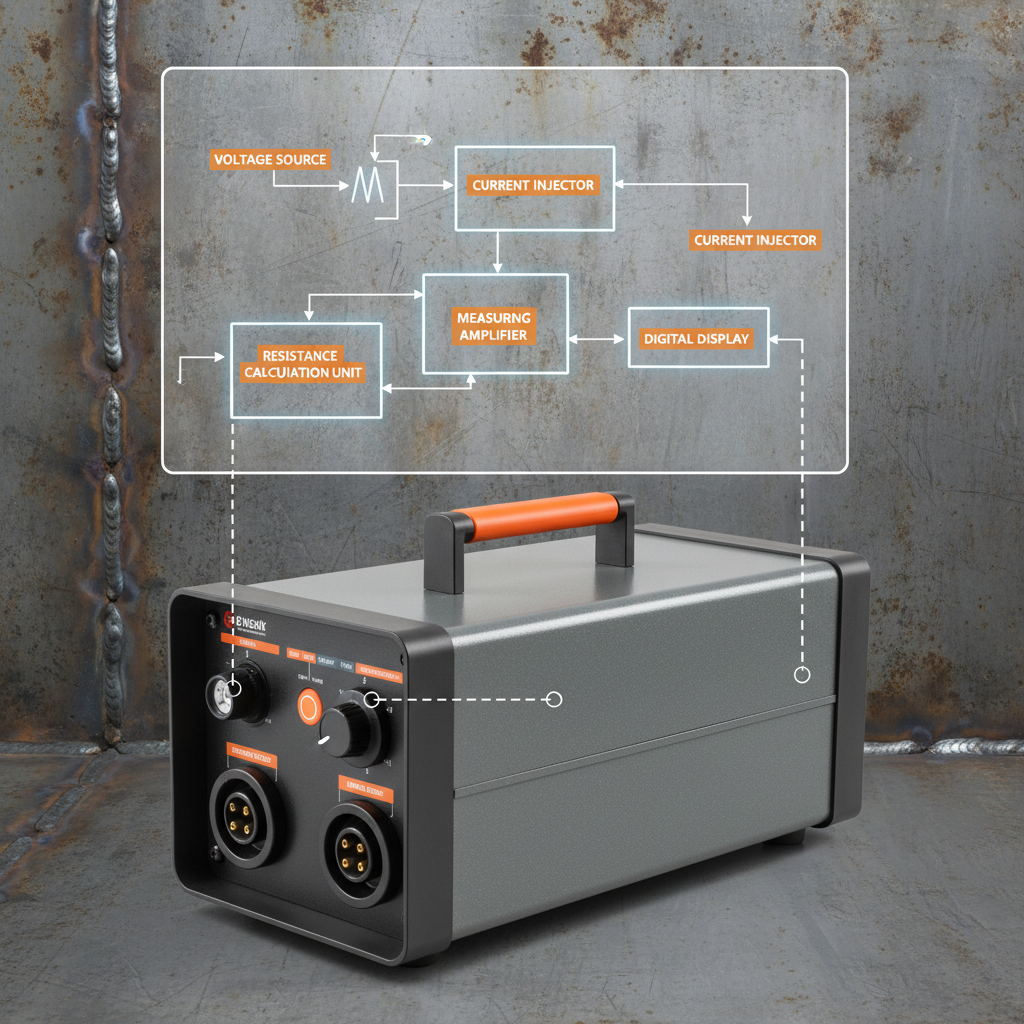 Comprehensive Guide to Loop Impedance Meter for Electrical SafetyEnsuring electrical safety is paramount in any installation, and a loop impedance meter is a crucial tool for achieving this. This device measures the total impedance of the earth fault loop, helping to verify that protective devices will operate correctly under fault conditions. In this article, we'll explore what a loop impedance meter is, how it works, its applications, factors influencing measurements, choosing the right meter, and the importance of regular testing. Investing in a quality meter from Push Tester is a step towards safer electrical systems.Detail
 -
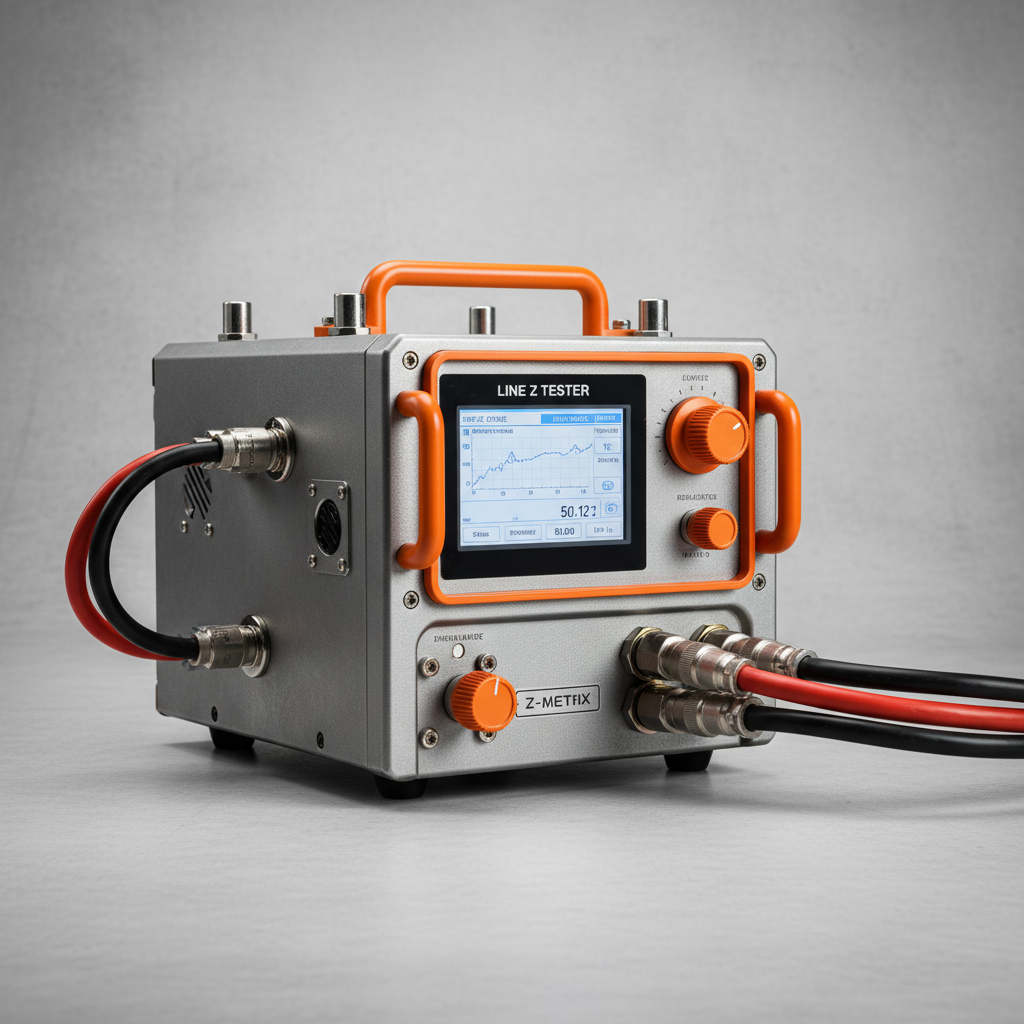 Understanding and Choosing a Line Impedance Tester for Optimal Network PerformanceIn the realm of telecommunications and electrical engineering, maintaining the integrity of transmission lines is paramount. A line impedance tester is a crucial instrument for ensuring optimal signal transmission and preventing costly network disruptions. This article delves into the world of line impedance testing, exploring its importance, applications, types of testers, and what to look for when making a purchase. Ensuring accurate impedance measurements is essential for efficient and reliable network performance. Choosing the right tester can significantly impact troubleshooting speed and the overall quality of your infrastructure. A line impedance tester, also known as a cable impedance analyzer, is a device used to measure the characteristic impedance of coaxial cables, twisted pair cables, and other transmission lines. Impedance, measured in ohms, represents the opposition to the flow of alternating current. Maintaining the correct impedance (typically 50 or 75 ohms) is vital for minimizing signal reflections, ensuring efficient power transfer, and preventing signal degradation. Mismatched impedance can lead to signal loss, ghosting, and reduced network performance. Regular testing helps identify faults and maintain network integrity.Detail


