 Ingarihi



-
 Afrikaans
 -
 Albanian
 -
 Amharic
 -
 Arabic
 -
 Armenian
 -
 Azerbaijani
 -
 Basque
 -
 Belarusian
 -
 Bengali
 -
 Bosnian
 -
 Bulgarian
 -
 Catalan
 -
 Cebuano
 -
 China
China -
 China (Taiwan)
 -
 Corsican
 -
 Croatian
 -
 Czech
Czech -
 Danish
 -
 Dutch
Dutch -
 English
 -
 Esperanto
 -
 Estonian
 -
 Finnish
 -
 French
 -
 Frisian
 -
 Galician
 -
 Georgian
 -
 German
 -
 Greek
Greek -
 Gujarati
 -
 Haitian Creole
 -
 hausa
hausa -
 hawaiian
 -
 Hebrew
 -
 Hindi
Hindi -
 Miao
Miao -
 Hungarian
 -
 Icelandic
 -
 igbo
igbo -
 Indonesian
 -
 irish
irish -
 Italian
 -
 Japanese
 -
 Javanese
 -
 Kannada
 -
 kazakh
 -
 Khmer
Khmer -
 Rwandese
 -
 Korean
 -
 Kurdish
 -
 Kyrgyz
 -
 Lao
Lao -
 Latin
Latin -
 Latvian
 -
 Lithuanian
 -
 Luxembourgish
 -
 Macedonian
 -
 Malgashi
 -
 Malay
Malay -
 Malayalam
 -
 Maltese
 -
 Maori
Maori -
 Marathi
 -
 Mongolian
 -
 Myanmar
 -
 Nepali
 -
 Norwegian
 -
 Norwegian
 -
 Occitan
 -
 Pashto
 -
 Persian
 -
 Polish
 -
 Portuguese
 -
 Punjabi
 -
 Romanian
 -
 Russian
 -
 Samoan
 -
 Scottish Gaelic
 -
 Serbian
 -
 Sesotho
 -
 Shona
Shona -
 Sindhi
 -
 Sinhala
 -
 Slovak
 -
 Slovenian
 -
 Somali
 -
 Spanish
 -
 Sundanese
 -
 Swahili
 -
 Swedish
 -
 Tagalog
 -
 Tajik
Tajik -
 Tamil
Tamil -
 Tatar
Tatar -
 Telugu
 -
 Thai
Thai -
 Turkish
 -
 Turkmen
 -
 Ukrainian
 -
 Urdu
Urdu -
 Uighur
 -
 Uzbek
Uzbek -
 Vietnamese
 -
 Welsh
Welsh -
 Bantu
Bantu -
 Yiddish
 -
 Yoruba
 -
 Zulu
Zulu
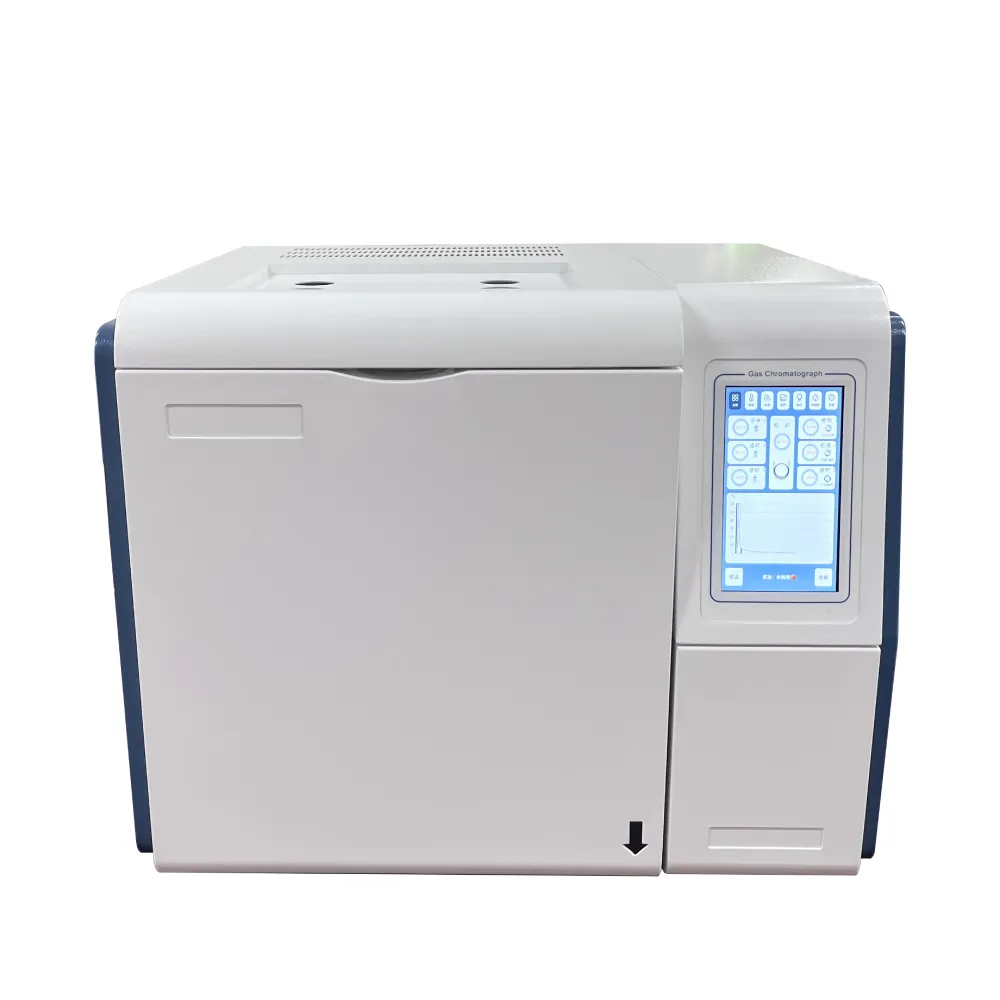
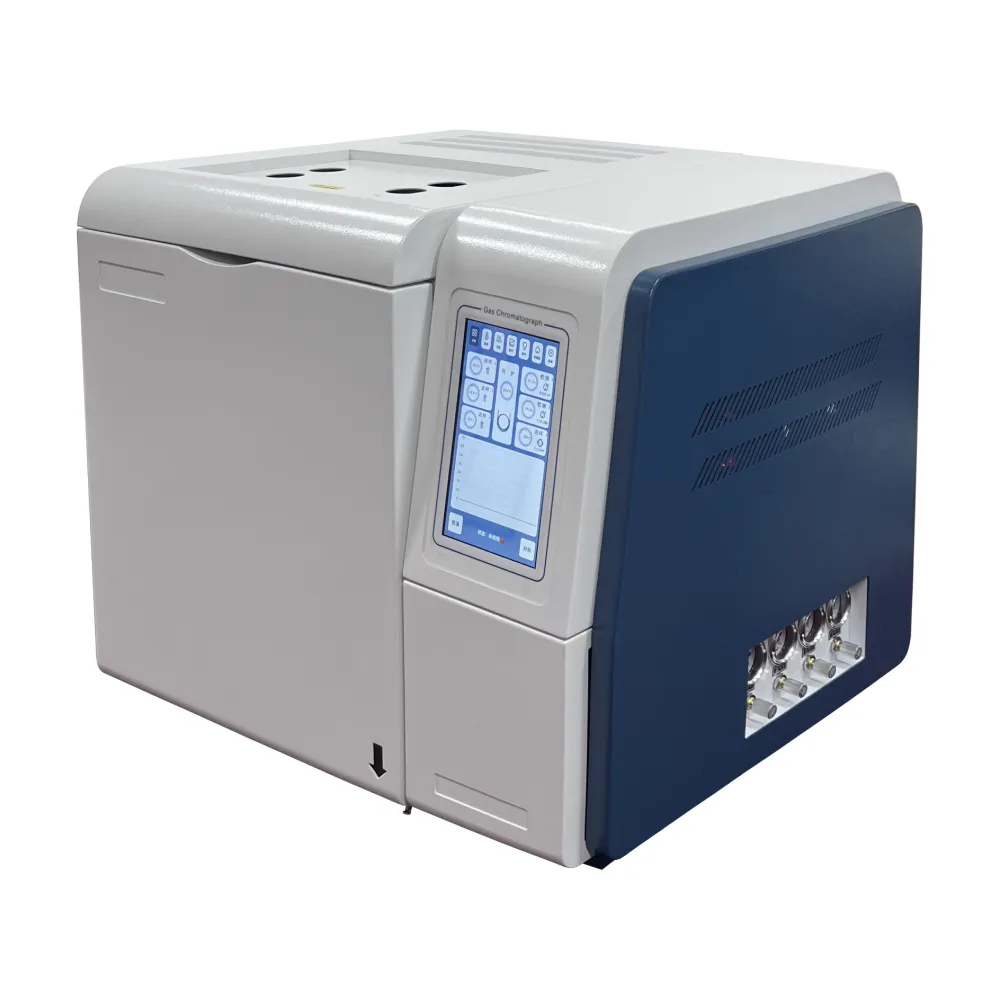
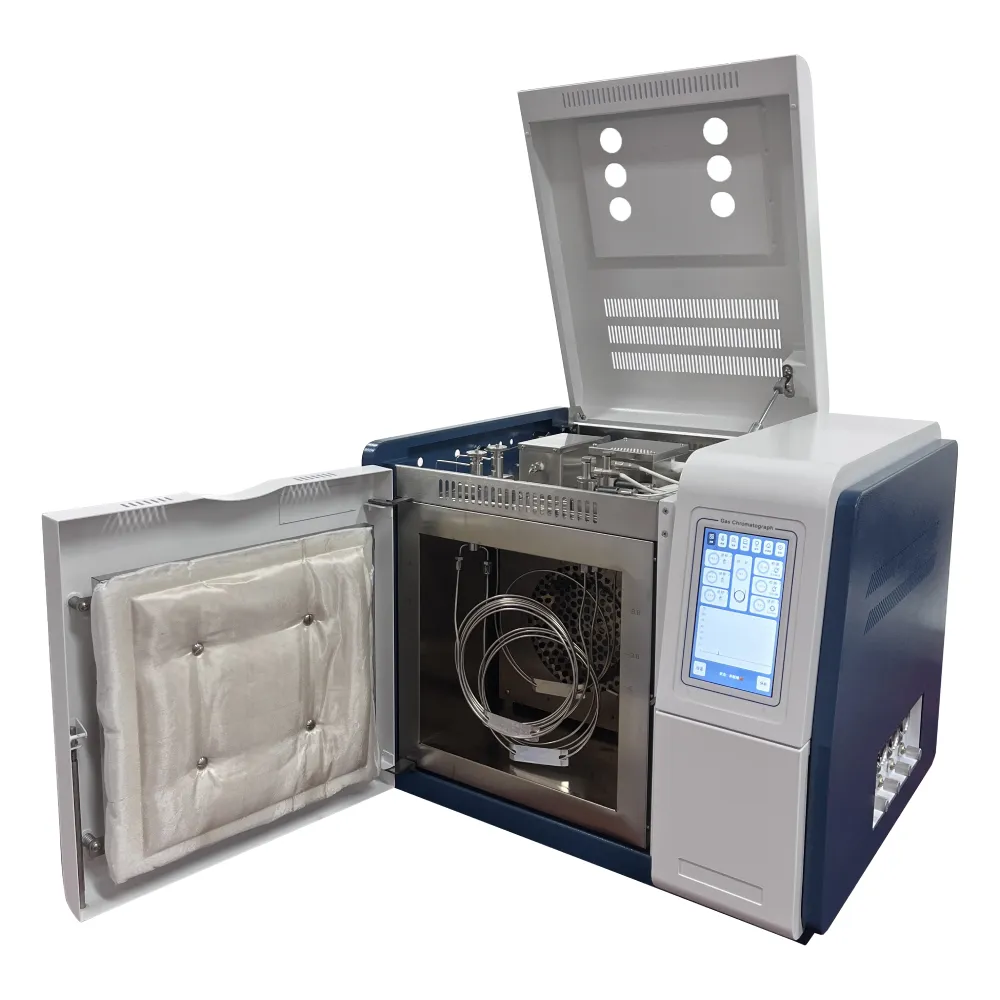
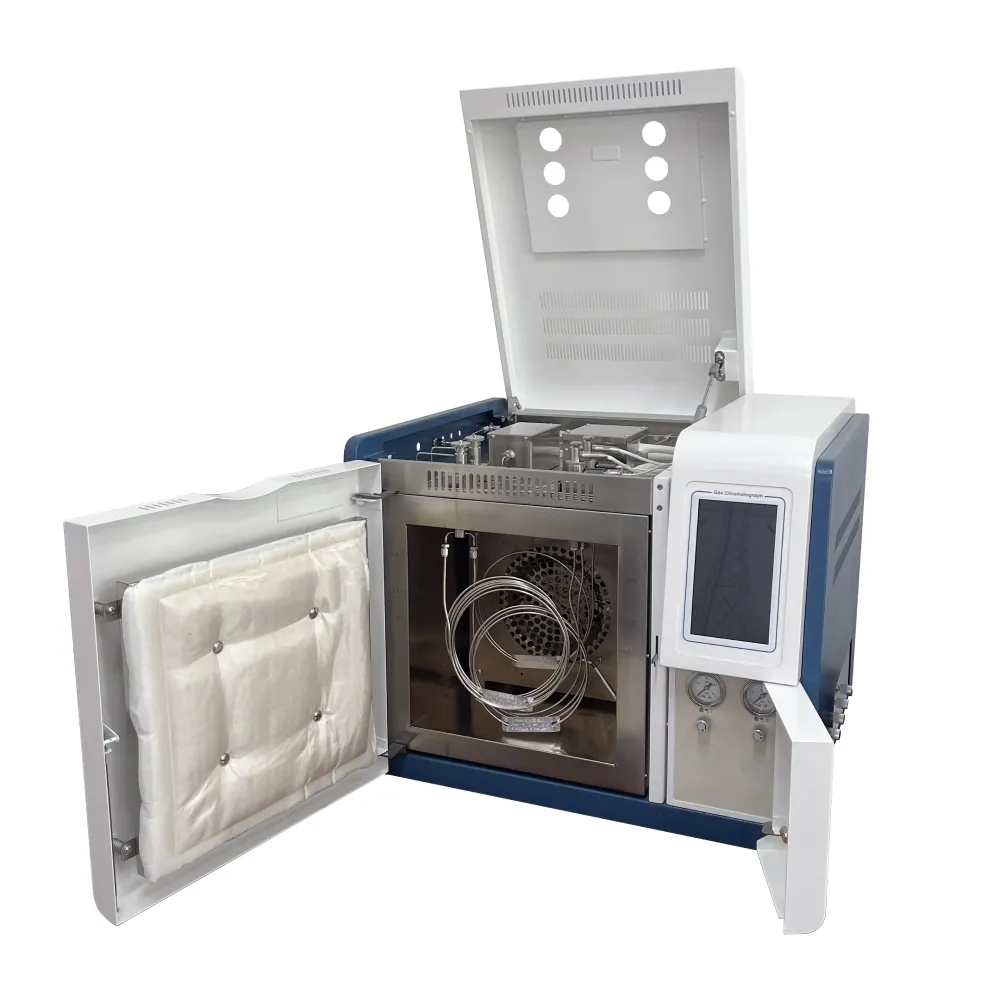
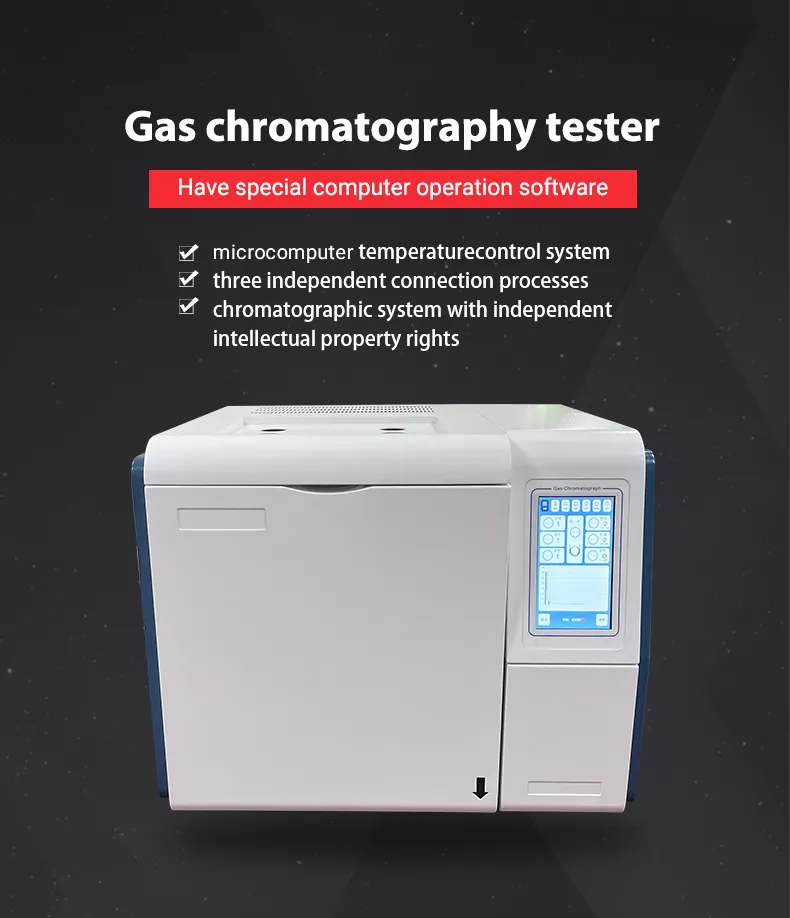
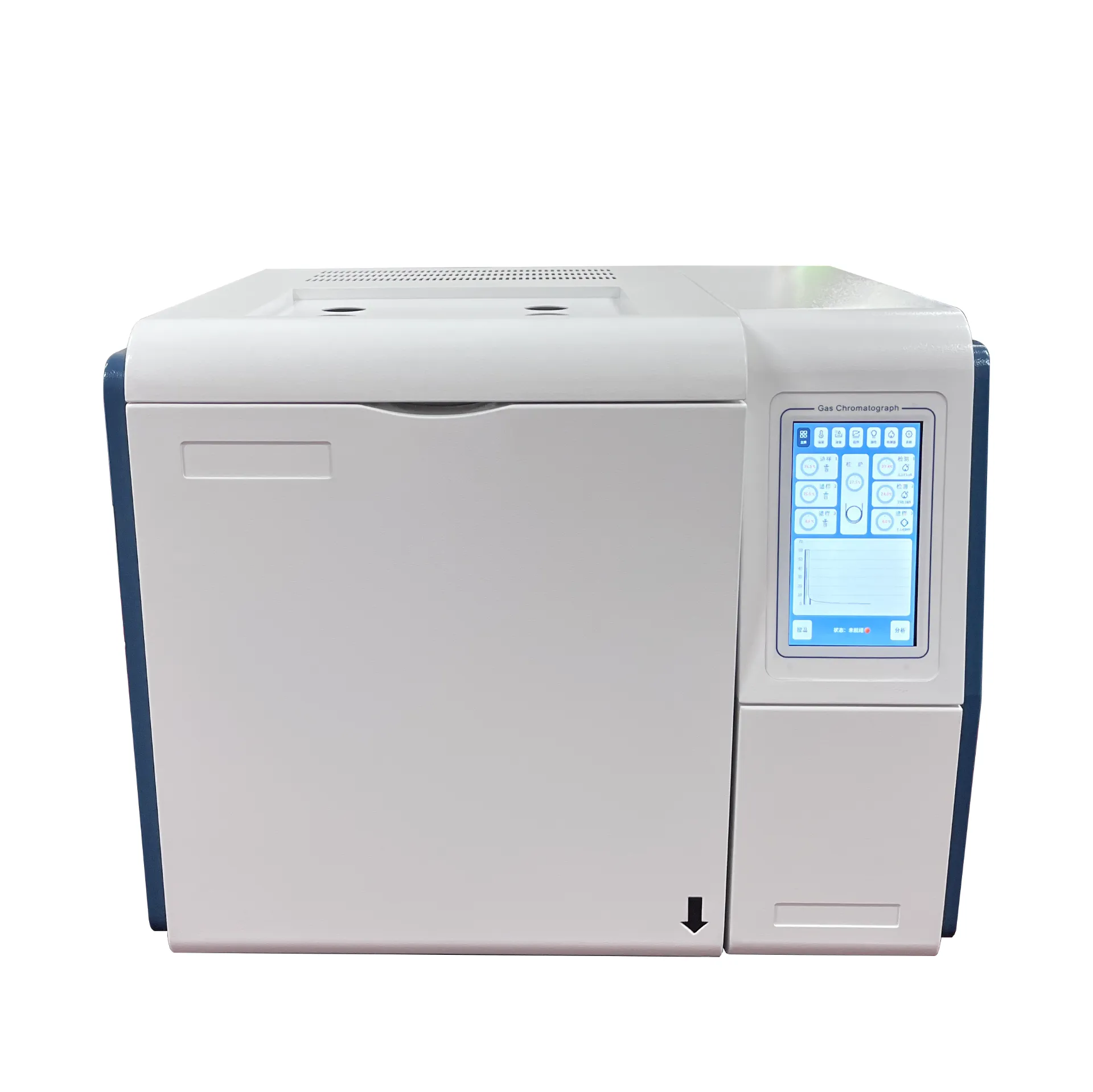
1, He maha nga momo momo momo waeine
Ka taea te whakauru ki te maha o nga kaitahuri hei whakatutuki i nga hiahia tātaritanga o nga waahi rereke. He pai te hoahoa tauranga werohanga mo te maha o nga tikanga tauira, penei i te tauira mokowāwaewae, te tauira tātari waiariki, me etahi atu, he ngawari ki te tarai i nga momo tauira.
2, Te kitenga kaha o tana mahi toronga
Ko te kaitirotiro me ona waahanga whakahaere ka tango i te hoahoa whakakotahitanga, a ko te punaha aratau mana whakahaere he mono-a-takaro.
3, Ultra-pai hoahoa tatau muri
Ko te punaha whakahaere pāmahana tatau o muri e whakarite ana i te pumau o te pāmahana o te ruuma pou i roto i nga waahi katoa, a he tere te tere o te whakamahana, ka taea te mohio ki te mahi i te pāmahana rūma tata.
He kaha te mahi tātari whaiaro i te wa e tiimata ana, te whakaatu mohiotanga o nga korero he, te mahi tiaki rokiroki kore hiko, te tiaki mata aunoa me te kaha aukati i te mana.
- Te waahi mana o te pāmahana: 8-ara te punaha whakahaere pāmahana motuhake, me te mahi tiaki pāmahana aunoa, ka taea te whakarite te waahi whakamahana oumu pou iti motuhake.
- Rahi mata: 7-inihi mata LCD tae ahumahi
- Reo: Hainamana/Ingarihi e rua nga punaha whakahaere
- Column box, gasification chamber, detector temperature range: room temperature +5°C ~ 450°C
- Temperature setting accuracy: 0.1°C
- Maximum heating rate: 80°C/min
- Cooling speed: from 350°C to 50°C<5min
- Te tatau o muri mohio: te whakatikatika i te hau ki roto me waho
- Raupapa whakamahana: 16 ota (whakawhanui)
- Te wa roa rawa atu: 999.99min
- Injection mode: capillary column split/splitless injection (with diaphragm purge function), - packed column injection, valve injection, gas/liquid automatic sampling system, etc.
- Wero werohanga: Ka taea te whakauru ki te maha o nga waahi whakahaere aunoa mo te mahi raupapa aunoa
- Te maha o nga kaitirotiro: 4
- Momo kaitirotiro: FID, TCD, ECD, FPD, NPD, PDHID, PED, etc.
Kaipupuri mura hauwai (FID)
Minimum detection limit: ≤3.0*10-12g/s (n-hexadecane/isooctane)
Dynamic linear range: ≥107
Ma te kitenga ahi me te mahi whaka-aunoa
Awheawhe-a-whare te ara iahiko whakakaha logarithmic hei whakapai ake i te awhe raina
Pūtirotiro Hanga Weahanga (TCD)
Sensitivity: ≥10000mv.mL/mg (benzene/toluene)
Dynamic linear range: ≥105
Ko te hoahoa moroiti-kowha, te iti o te riipene mate, te tairongo teitei, me te mahi tiaki hau tapahi-atu
Pūtirotiro Whakaahua mura (FPD)
Minimum detection limit: S≤2×10-11 g/s (methyl parathion)
P≤1×10-12 g/s (methyl parathion)
Dynamic linear range: S≥103; P≥104
Ko te paipa o roto kua tino pahemo, a kaore he waahi makariri mo te ūkuikui waro
gas chromatography gas
gas chromatography gc ms
gas chromatography method
gas chromatography price
gas chromatography products
gas chromatography supplier
gas chromatography supplies
gas chromatography system
gas chromatography test
gc chromatography
gc gas chromatography
gc gcms
-
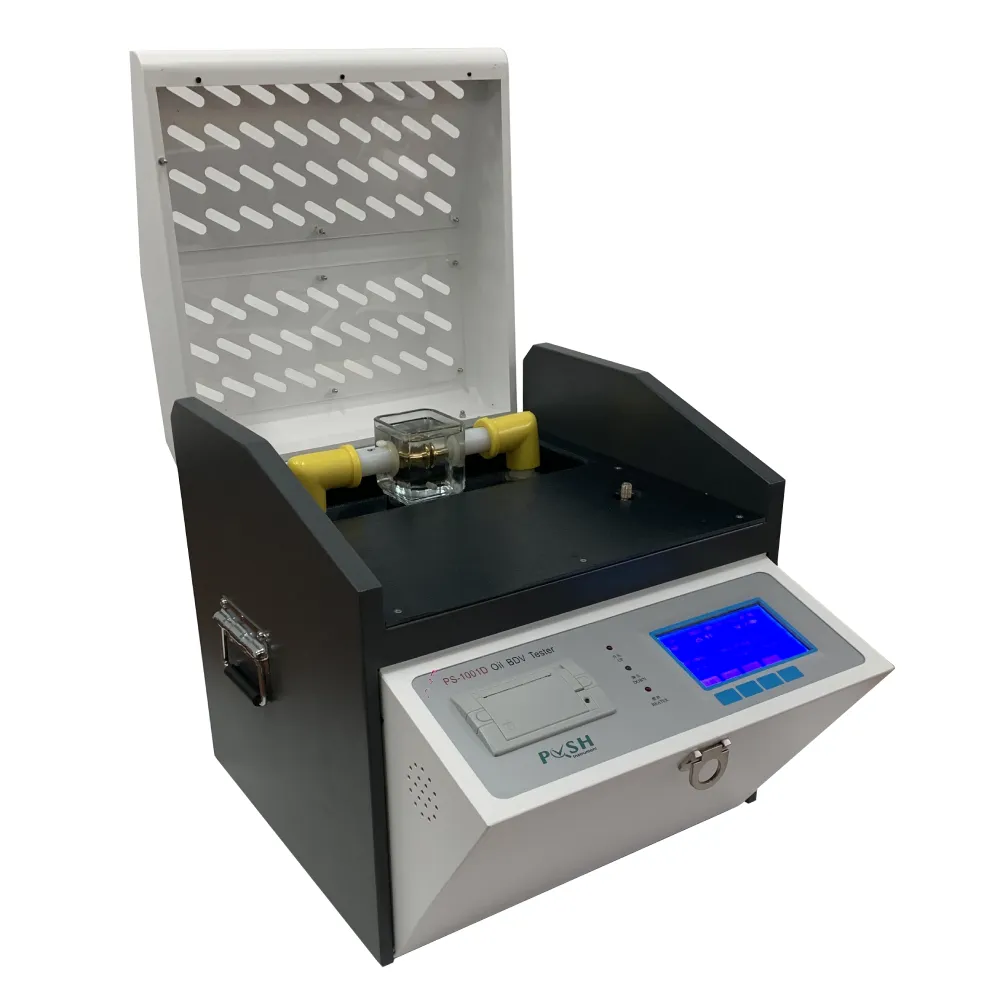
 Find the Best Loop Impedance Tester for Sale and Ensure Electrical SafetyWhen ensuring electrical safety, accurate loop impedance testing is crucial. Whether you’re an electrician, a facilities manager, or a safety inspector, having a reliable loop impedance tester for sale is essential. This article will guide you through the key considerations when purchasing a loop impedance tester, explore the different types available, and highlight the benefits of choosing a high-quality instrument. Understanding the nuances of these testers will help you make an informed decision and ensure compliance with safety regulations.Taipitopito
 -
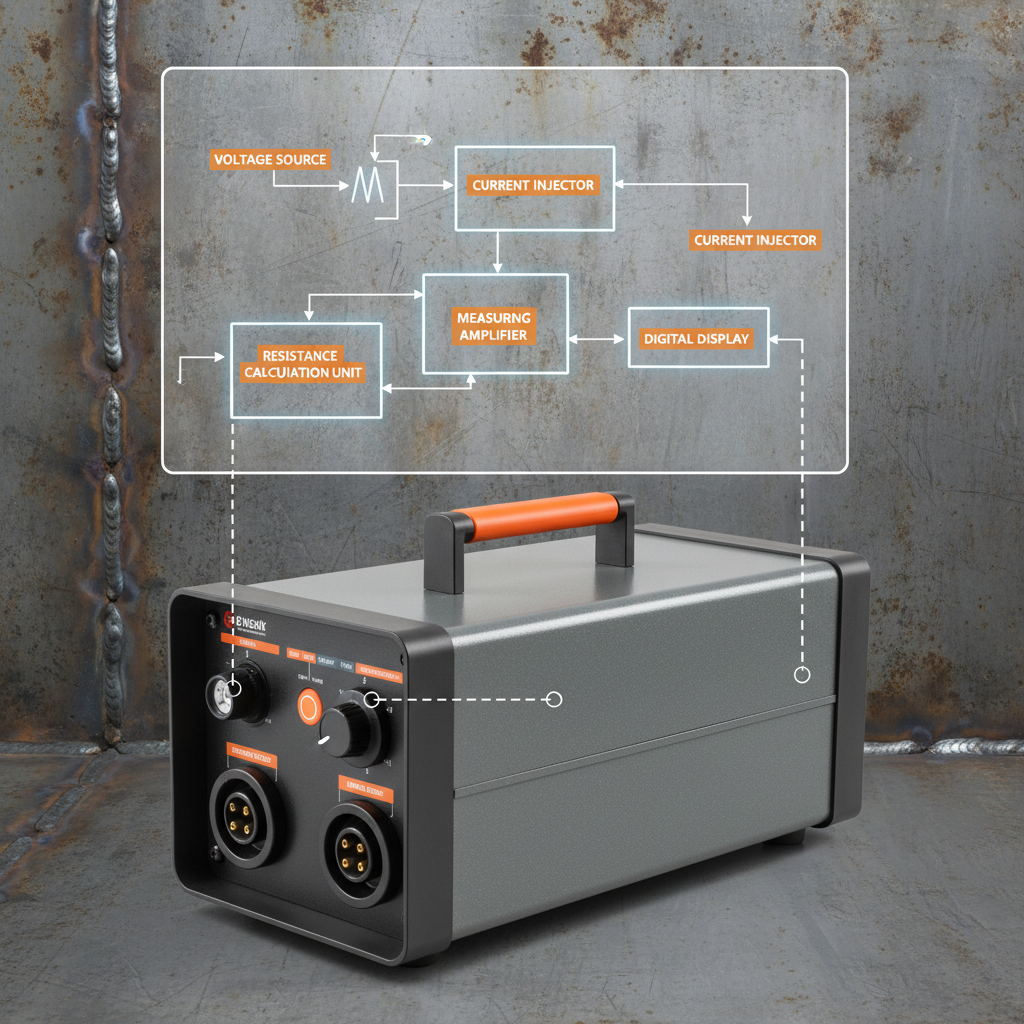 Comprehensive Guide to Loop Impedance Meter for Electrical SafetyEnsuring electrical safety is paramount in any installation, and a loop impedance meter is a crucial tool for achieving this. This device measures the total impedance of the earth fault loop, helping to verify that protective devices will operate correctly under fault conditions. In this article, we'll explore what a loop impedance meter is, how it works, its applications, factors influencing measurements, choosing the right meter, and the importance of regular testing. Investing in a quality meter from Push Tester is a step towards safer electrical systems.Taipitopito
 -
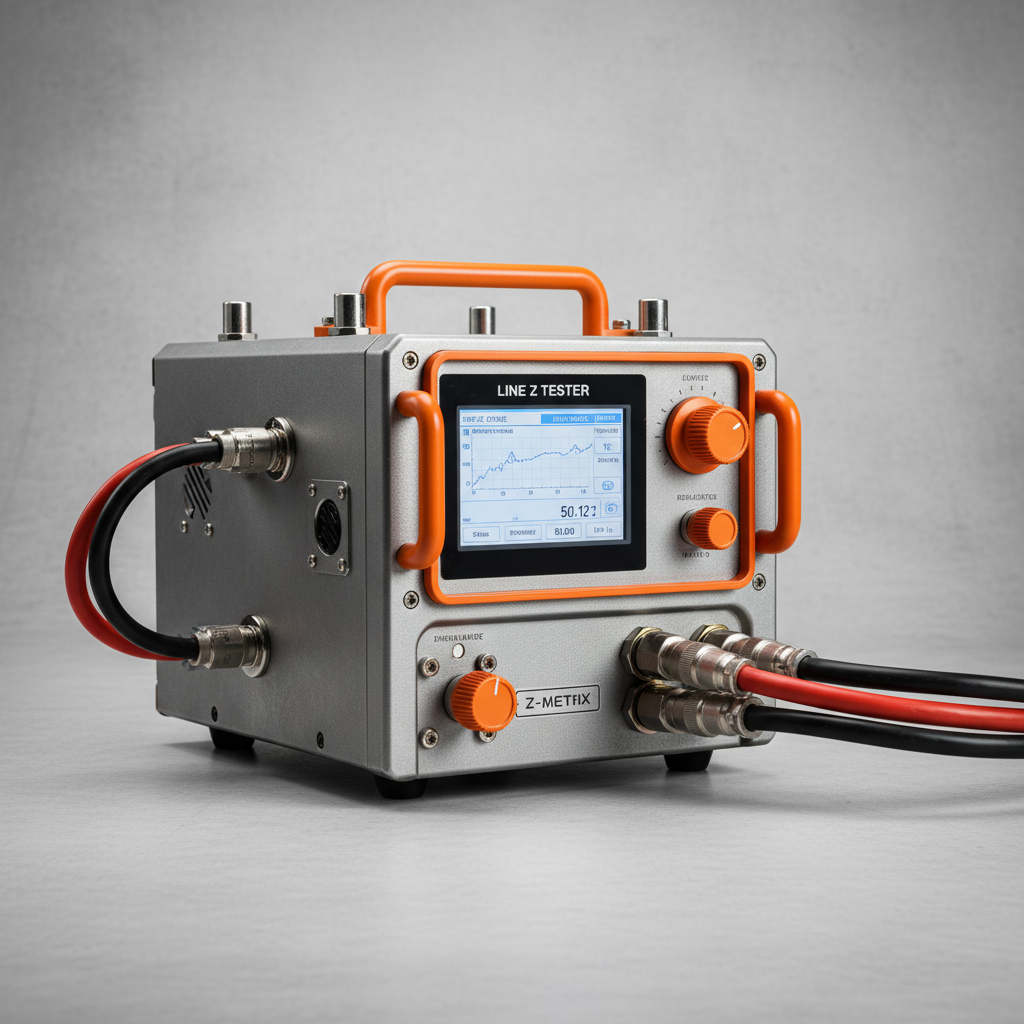 Understanding and Choosing a Line Impedance Tester for Optimal Network PerformanceIn the realm of telecommunications and electrical engineering, maintaining the integrity of transmission lines is paramount. A line impedance tester is a crucial instrument for ensuring optimal signal transmission and preventing costly network disruptions. This article delves into the world of line impedance testing, exploring its importance, applications, types of testers, and what to look for when making a purchase. Ensuring accurate impedance measurements is essential for efficient and reliable network performance. Choosing the right tester can significantly impact troubleshooting speed and the overall quality of your infrastructure. A line impedance tester, also known as a cable impedance analyzer, is a device used to measure the characteristic impedance of coaxial cables, twisted pair cables, and other transmission lines. Impedance, measured in ohms, represents the opposition to the flow of alternating current. Maintaining the correct impedance (typically 50 or 75 ohms) is vital for minimizing signal reflections, ensuring efficient power transfer, and preventing signal degradation. Mismatched impedance can lead to signal loss, ghosting, and reduced network performance. Regular testing helps identify faults and maintain network integrity.Taipitopito


