 English



BDV Transformer Oil Tester – Fast, Accurate, IEC-Compliant
Real-World Notes on Bdv Transformer Oil Testing
Every lab tech I know has one gripe: downtime. That’s why the PS-1006 Six Cup Insulation Oil BDV Tester has been making the rounds in utility and OEM circles. It runs six samples in parallel and, frankly, that throughput matters when you’ve got a commissioning deadline and a pallet of drums staring back at you.
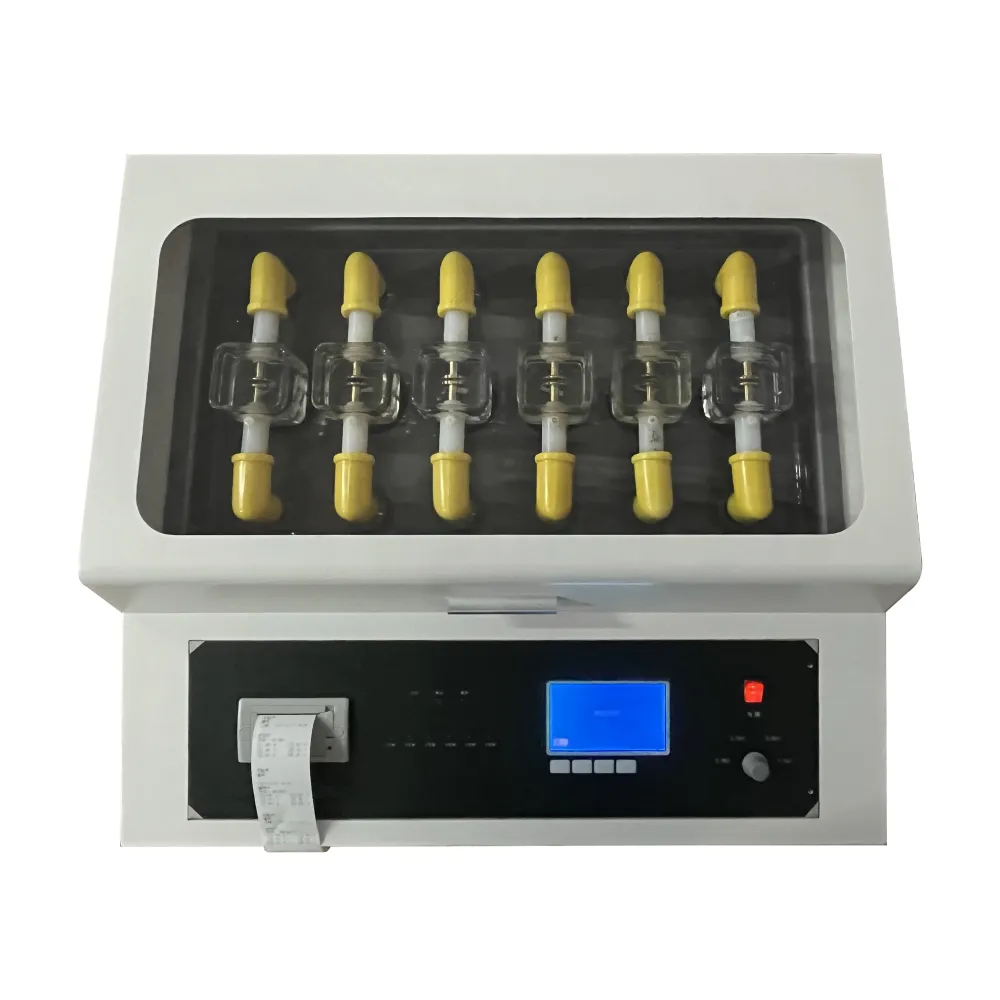
What it is, and why it’s trending
The PS-1006 from Baoding (origin: Room 302, Building 5, Baoding Zhongguancun DigitalEconomy Industrial Park, No. 777 Lixing Street, Jingxiu District, Baoding Hebei Province) is a six-cup dielectric strength tester for insulating oils. It complies with ASTM D1816 and ASTM D877—those are the go-to BDV methods. You can swap electrode heads (flat, spherical, hemispherical), which sounds niche but actually matters if you’re aligning test method to fleet standards. Many customers say the UI is straightforward; results look consistent across cups, which I also like.
Typical specs (field-proven, lab-friendly)
| Model | PS-1006 Six Cup Insulation Oil BDV Tester |
| Standards | ASTM D1816, ASTM D877; optional methods ≈ IEC 60156 (check config) |
| Electrodes | Flat / spherical / hemispherical (selectable) |
| Sample positions | 6 simultaneous cups |
| Voltage & ramp | Typical BDV tester range ≈ 0–80 kV; ramp per method (real-world use may vary—confirm pre-purchase) |
| Data | Automatic breakdown detect, averaging over multiple shots, print/export options (varies by package) |
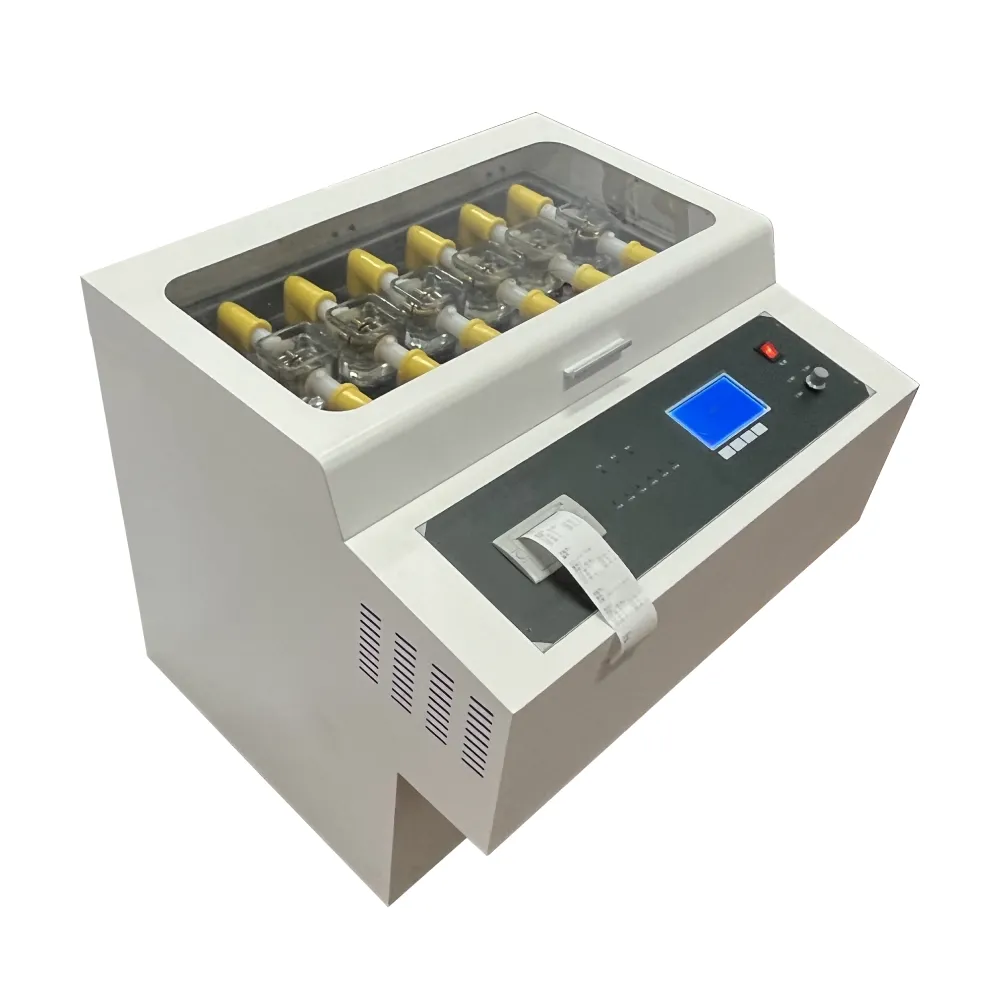
How labs actually run Bdv Transformer Oil tests
- Materials: mineral insulating oil, natural ester, or silicone oil (per asset spec).
- Prep: filter if required, degas, and rest. Remove moisture—seriously, humidity skews BDV fast.
- Method: choose D1816 (spherical/hemispherical, smaller gap, oil stirred) or D877 (flat electrodes, different gap). Ramp rate and gap follow the standard.
- Run: six cups in parallel; take multiple breakdowns per cup; the instrument averages.
- Validation: verify against reference oil; log temperature; export data to LIMS if you’ve set that up.
Example field data (illustrative): new mineral oil ≈ 70 kV (D1816, 1 mm gap); aged tank oil ≈ 22 kV; after dehydration/filtration it bounced back to ≈ 55 kV. Not bad. Of course, your mileage varies with moisture, particles, and aging by-products.
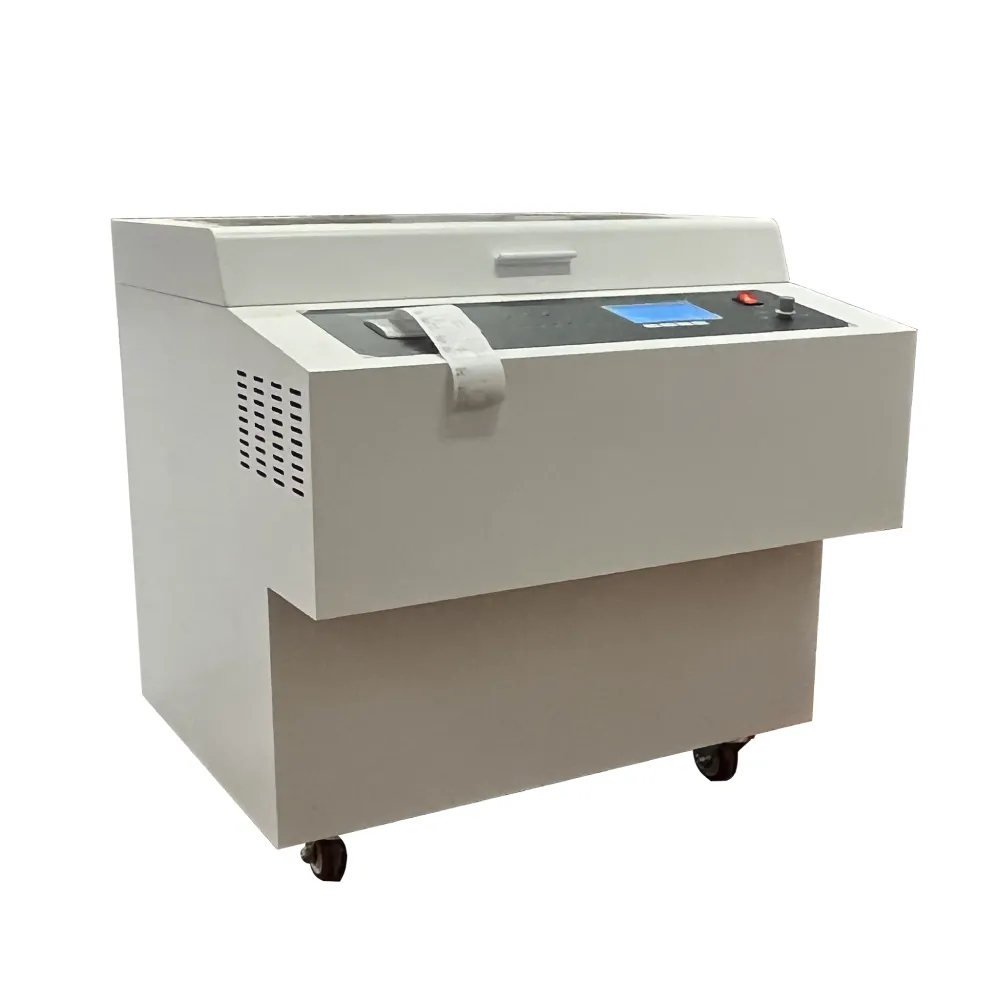
Where it’s used
Utilities (transmission, distribution), transformer OEMs, refurb shops, wind and solar substations, rail traction, steel mills, mining—anywhere BDV is a release or maintenance gate. Test intervals? I’ve seen quarterly for critical HV fleets; annually for smaller stations; after any oil processing event is a must.
Vendor comparison (sketch from recent buys)
| Vendor/Model | Cups | Standards | Notes |
|---|---|---|---|
| PS-1006 (PUSHTESTER) | 6 | ASTM D1816/D877 | High throughput; three electrode options |
| Brand X Single-Cup | 1 | ASTM D1816 | Lower cost; slower for batch labs |
| Brand Y Three-Cup | 3 | ASTM D1816/IEC 60156 | Mid-throughput; decent for mobile labs |
Customization, compliance, and what buyers ask
- Electrode kits: flat, spherical, hemispherical; electrode gap gauges.
- Method presets: D1816/D877; some sites request IEC-style profiles.
- Data handling: printer, CSV/USB export, LIMS hooks—ask for it up front.
- Certificates: look for CE marking and a factory calibration report; ISO/IEC 17025-traceable calibration available from many labs.
Customer feedback? It seems that the six-cup design cuts turnaround by ≈50–70% versus single-cup units, especially in commissioning campaigns.
Quick case snapshots
Utility substation retrofit: ran 48 samples in one shift, flagged three drums below 30 kV, prevented a costly energization delay. To be honest, that paid for the instrument right there.
Wind farm O&M: mobile crew used the tester post-oil processing; BDV rose from mid-20s to >50 kV (D1816), enabling same-day return to service.
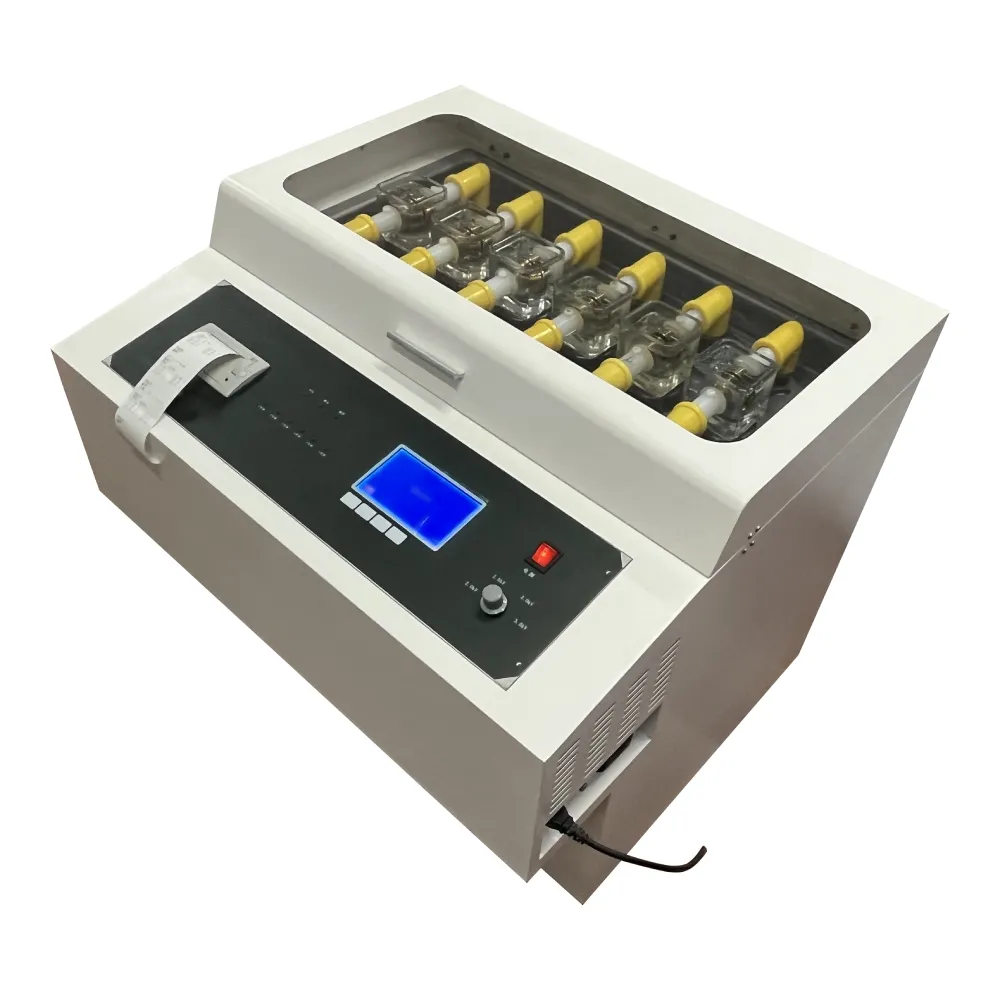
Bottom line: if Bdv Transformer Oil testing is a bottleneck, the PS-1006’s parallel workflow and standards alignment make it a pragmatic upgrade.
References
- ASTM D1816 – Standard Test Method for Dielectric Breakdown Voltage of Insulating Liquids Using VDE Electrodes.
- ASTM D877 – Standard Test Method for Dielectric Breakdown Voltage of Insulating Liquids Using Disk Electrodes.
- IEC 60156 – Insulating liquids: Determination of breakdown voltage at power frequency.
- IEEE Std C57.106 – Guide for Acceptance and Maintenance of Insulating Mineral Oil in Electrical Equipment.
- IEC 60296 – Fluids for electrotechnical applications – Mineral insulating oils for electrical equipment.
-
Find the Best Loop Impedance Tester for Sale and Ensure Electrical SafetyNewsMar.31,2026
-
Comprehensive Guide to Loop Impedance Meter for Electrical SafetyNewsMar.28,2026
-
Understanding and Choosing a Line Impedance Tester for Optimal Network PerformanceNewsMar.26,2026
-
Comprehensive Guide to Line Earth Loop Impedance Test for Electrical SafetyNewsMar.24,2026
-
Comprehensive Guide to Fault Loop Impedance Meter and Electrical SafetyNewsMar.21,2026
-
Comprehensive Guide to External Loop Impedance Test for Electrical SafetyNewsMar.19,2026


