 English



Digital Insulation Tester: Accurate & Safe Electrical Testing
The Indispensable Role of Modern Insulation Testers in Industrial Reliability
In the intricate landscape of industrial operations, the integrity of electrical systems is paramount to safety, efficiency, and continuous production. A critical tool in ensuring this integrity is the insulation tester, a device designed to measure the electrical resistance of insulation between electrical conductors and ground, or between different conductors. This measurement helps identify potential insulation breakdown, preventing costly equipment failures, hazardous electrical shocks, and extensive downtime. Modern insulation testers, often referred to as digital insulation resistance meters, offer unparalleled precision, diagnostic capabilities, and user-friendliness, making them indispensable across numerous sectors.
From commissioning new installations to routine preventative maintenance and troubleshooting existing systems, the application of a reliable insulation tester is a cornerstone of robust electrical asset management. This document delves into the manufacturing processes, technical specifications, application advantages, and strategic considerations for selecting and implementing advanced insulation testing solutions.
Manufacturing Process of a High-Precision Insulation Tester
The production of a sophisticated insulation tester involves a multi-stage process, focusing on precision engineering, material selection, and rigorous quality control to ensure accuracy and durability.
1. Component Sourcing and Material Selection
Key materials include high-grade plastics for robust casings (e.g., ABS, polycarbonate for impact resistance), high-purity copper for internal wiring and test leads to ensure minimal resistance and accurate current flow, and specialized silicones or elastomers for insulation on leads and probes to withstand high voltages and environmental stressors. Precision resistors, capacitors, and microcontrollers are sourced from certified electronic component manufacturers.
2. Printed Circuit Board (PCB) Assembly
This critical stage involves the automated surface-mount technology (SMT) or through-hole assembly of electronic components onto the PCB. This includes the high-voltage generation circuit, current measurement circuitry, signal conditioning, and the digital processing unit responsible for calculations and display. Automated optical inspection (AOI) ensures solder joint integrity and component placement accuracy.
3. Mechanical Casing Fabrication
Housings are typically manufactured via injection molding of high-impact polymers, ensuring IP (Ingress Protection) ratings suitable for industrial environments (e.g., IP54 or IP65). CNC machining may be employed for intricate details, ensuring precise fit for displays, buttons, and input/output ports. Ergonomic design is crucial for field use.
4. Final Assembly and Calibration
The assembled PCB is integrated into the mechanical casing, followed by the installation of the LCD display, user interface buttons, and battery compartment. Test leads and probes are connected and insulated. Calibration is performed using traceable reference standards, ensuring measurements conform to specified accuracies across the full range of test voltages and resistance values.
5. Rigorous Testing and Quality Assurance
Each insulation tester undergoes a battery of tests: functional testing, safety testing (dielectric strength, ground bond, leakage current), environmental testing (temperature, humidity, vibration), and electromagnetic compatibility (EMC) testing. Compliance with international standards such as ISO 17025 for calibration laboratories, IEC 61010 for safety requirements, and ANSI/NCSL Z540-1 ensures product reliability and accuracy. The typical service life of a well-maintained industrial-grade insulation tester exceeds 5-7 years, with proper calibration intervals extending its utility.
Target Industries & Advantages:
- Petrochemical: Critical for motor, cable, and transformer insulation integrity in hazardous environments, reducing explosion risks and ensuring continuous energy supply. Advantage: Enhanced safety and operational uptime.
- Metallurgy: Essential for heavy machinery, induction furnaces, and power distribution systems, preventing short circuits in high-temperature, high-vibration settings. Advantage: Energy saving through reduced current leakage and corrosion resistance of components.
- Water Supply & Drainage: Ensures reliable operation of pump motors, control panels, and underground cabling, preventing failures due to moisture ingress. Advantage: Corrosion resistance, extended equipment lifespan, and reliable water service delivery.
- Renewable Energy (Solar/Wind): Vital for inspecting solar array cabling, inverter insulation, and wind turbine generator windings to maintain efficiency and prevent catastrophic failures. Advantage: Maximized energy harvesting and grid stability.
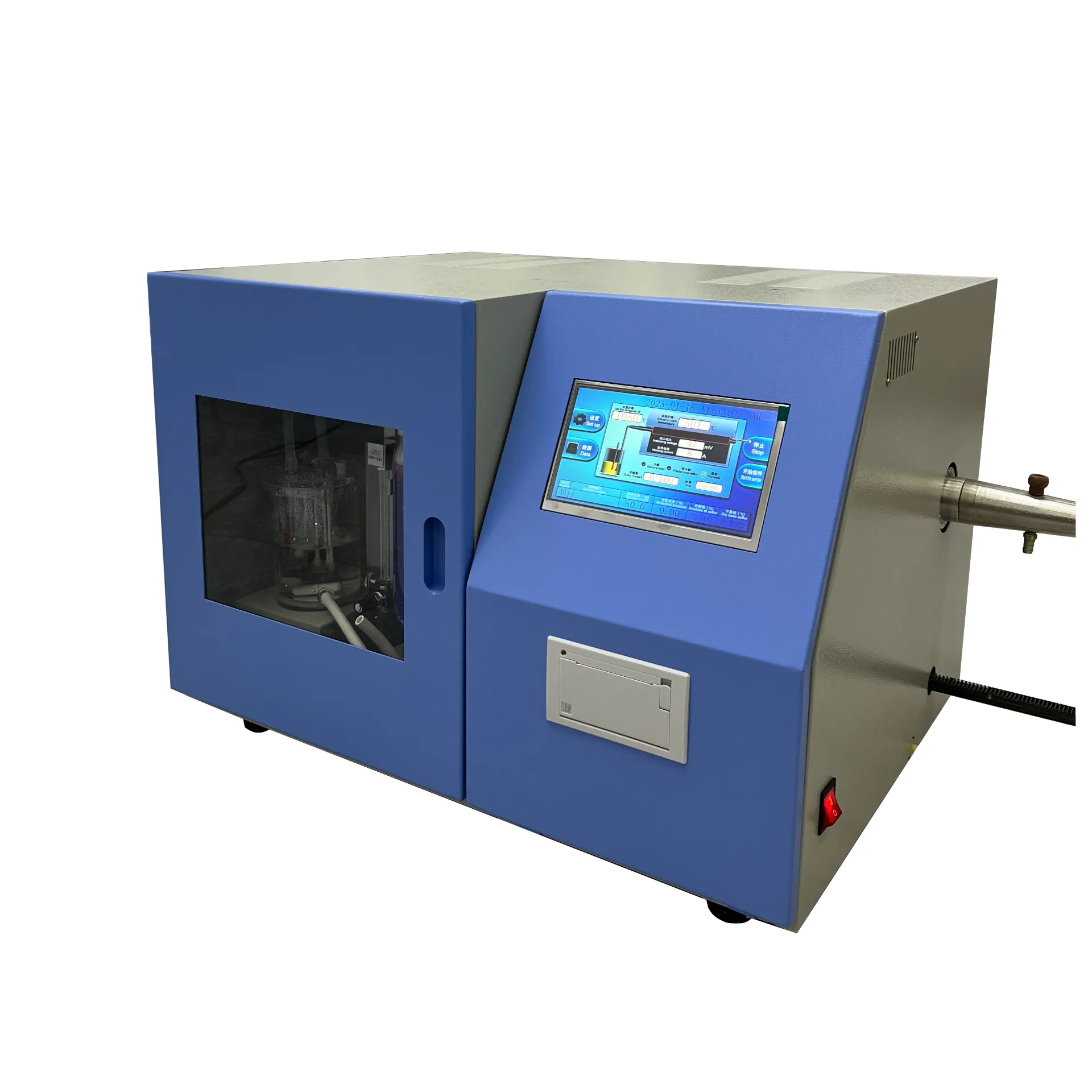
Industry Trends in Digital Insulation Testers
The landscape of insulation testing is continually evolving, driven by demands for higher accuracy, enhanced safety, and seamless integration into modern industrial ecosystems. Key trends for digital insulation testers include:
- Increased Voltage Ranges: As high-voltage DC systems (e.g., EV infrastructure, large-scale solar) become prevalent, testers now offer outputs up to 10 kV and beyond, catering to diverse applications.
- Advanced Diagnostic Functions: Beyond basic insulation resistance, modern units incorporate Polarization Index (PI), Dielectric Absorption Ratio (DAR), Step Voltage Testing (SV), and Dielectric Discharge (DD) measurements. These functions provide deeper insights into insulation condition, especially in aged or contaminated systems, offering predictive maintenance capabilities.
- Wireless Connectivity and Data Management: Bluetooth and Wi-Fi capabilities allow for remote operation, real-time data streaming to mobile devices or cloud platforms, and automated report generation. This enhances efficiency and reduces manual transcription errors.
- Enhanced Safety Features: Automatic discharge of capacitive energy, live circuit detection, and ruggedized casings with higher IP ratings (e.g., IP67 for water and dust resistance) are becoming standard, protecting both the operator and the equipment.
- User-Friendly Interfaces: Large, backlit LCDs, intuitive menu navigation, and graphical displays simplify complex diagnostic procedures, making sophisticated testing accessible to a broader range of technicians.
Technical Specifications and Parameters
Understanding the core technical parameters of an insulation tester is crucial for effective application and accurate results. Below is a table illustrating typical specifications for professional-grade digital insulation testers.
Typical Insulation Tester Specifications
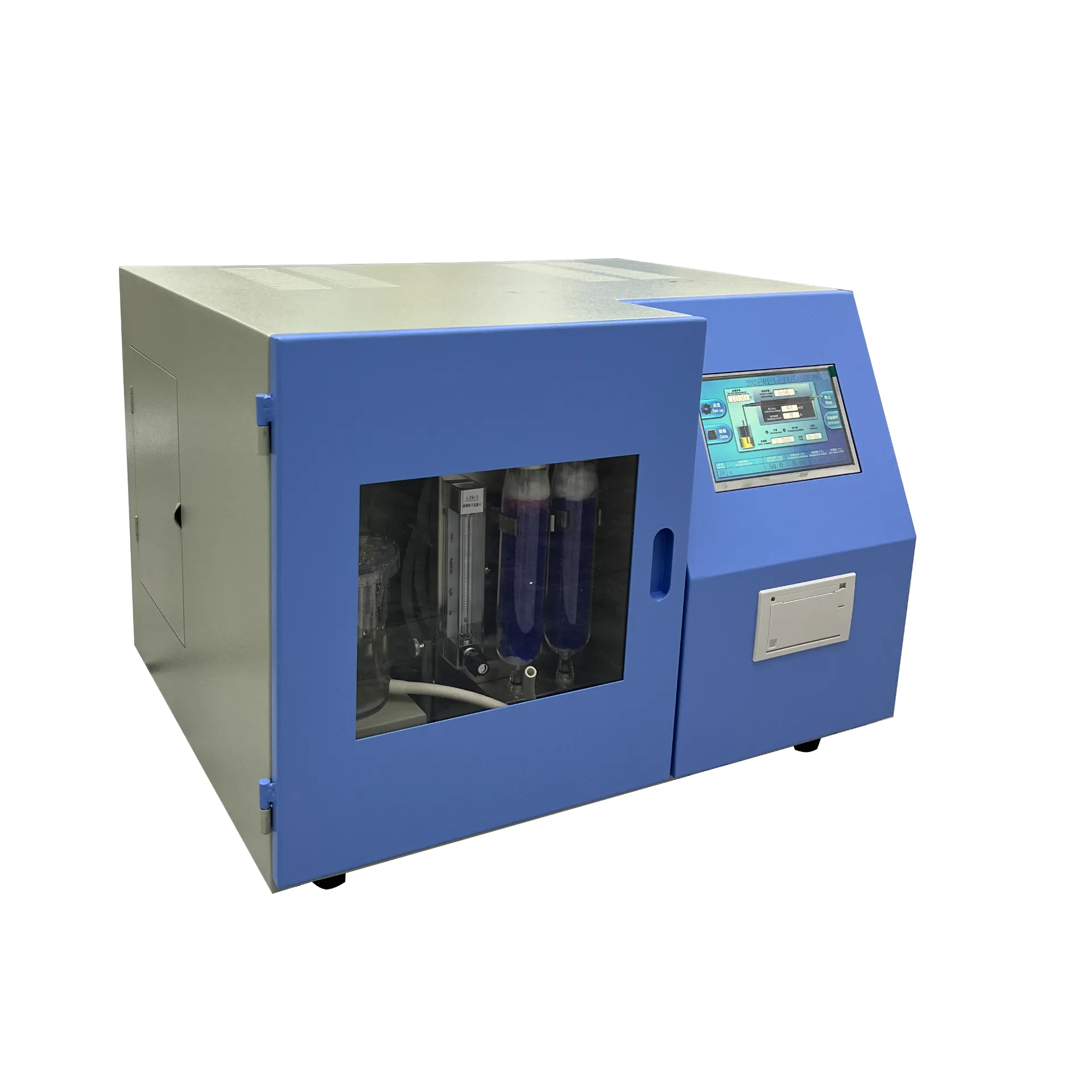
Application Scenarios and Technical Advantages
The versatility of modern insulation testers makes them invaluable across a broad spectrum of industrial and commercial applications.
Typical Usage Scenarios:
- Commissioning New Electrical Installations: Verifying insulation integrity of cables, switchgear, motors, and transformers before energization to ensure compliance with design specifications and safety standards.
- Routine Preventative Maintenance: Regularly testing critical assets (e.g., motor windings, power cables, control circuits) to detect gradual insulation degradation, allowing for scheduled repairs before catastrophic failure.
- Troubleshooting Faulty Equipment: Pinpointing insulation faults in machinery, identifying the exact location of a ground fault or short circuit, significantly reducing diagnostic time.
- Quality Control in Manufacturing: Ensuring the insulation of components (e.g., coils, transformers, wire harnesses) meets quality benchmarks during production.
- Electrical Contractor Services: Providing certified test results for client projects, demonstrating adherence to safety regulations and workmanship.
Key Technical Advantages:
- Enhanced Safety: Built-in safety features like automatic discharge and live circuit detection minimize risks to personnel and equipment.
- Predictive Maintenance: Advanced diagnostic tests (PI, DAR, SV) enable early detection of insulation deterioration, moving from reactive repairs to predictive maintenance strategies. This reduces unexpected downtime by up to 70% and maintenance costs by 25%.
- Data-Driven Decisions: Integrated data logging and software analysis tools facilitate trend monitoring, historical comparison, and comprehensive reporting, supporting informed asset management decisions.
- Compliance Assurance: Helps organizations adhere to strict regulatory standards (e.g., NFPA 70B, IEEE 43) for electrical safety and equipment maintenance, avoiding penalties and ensuring operational longevity.
- Operational Efficiency: Quick and accurate measurements, combined with remote control capabilities, significantly reduce test times and labor requirements.
Vendor Comparison: Choosing the Right Insulation Tester
When selecting an insulation tester, B2B decision-makers face a spectrum of options. While specific brand names are beyond the scope, a comparison based on features, capabilities, and target applications can guide procurement.
Insulation Tester Comparison Matrix (Generic Categories)
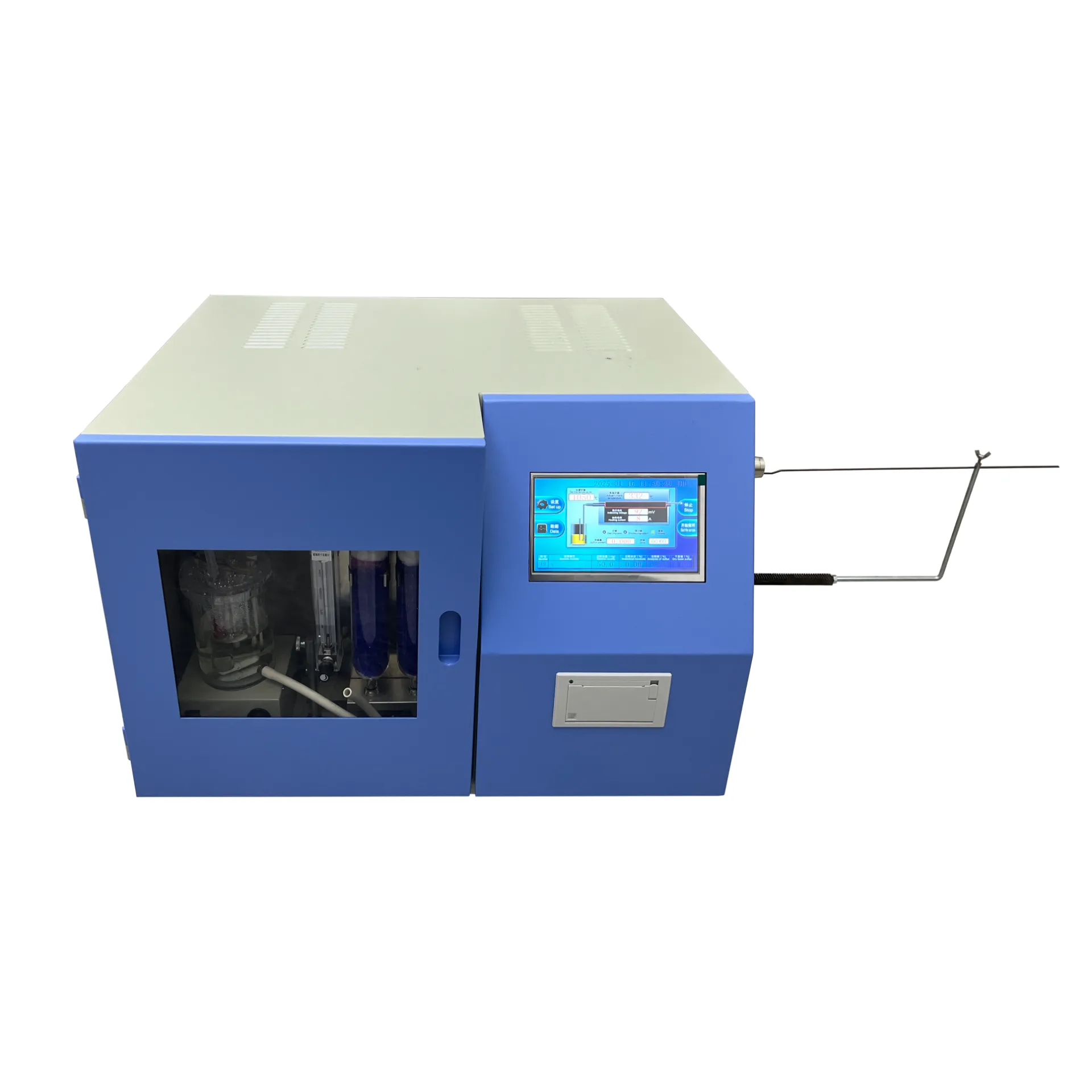
Customized Solutions and Application Case Studies
Recognizing that no two industrial applications are identical, leading manufacturers of insulation testers offer customized solutions tailored to specific client needs.
Customization Options:
- Specific Test Voltage Profiles: For unique equipment insulation classes or legacy systems that require non-standard test voltages.
- Environmental Hardening: Testers designed for extreme temperatures, high humidity, corrosive atmospheres, or explosive environments, often requiring specialized coatings, seals, and intrinsically safe designs.
- Software Integration: API development for seamless integration with existing SCADA, CMMS (Computerized Maintenance Management Systems), or enterprise asset management (EAM) platforms. This facilitates automated data transfer and centralized reporting.
- Specialized Test Leads & Probes: Custom lengths, specialized insulation, or unique terminal connectors for challenging access points or high-current applications.
- Branding & User Interface Customization: For large enterprise clients, options for custom branding, language settings, or pre-configured test sequences to streamline operations.
Application Case Studies (Illustrative):
Case Study 1: Large-Scale Wind Farm Maintenance
A leading renewable energy company faced recurring unscheduled downtime due to insulation failures in wind turbine generators and associated cabling. Implementing a fleet of high-voltage digital insulation testers with PI and DAR diagnostic capabilities, along with integrated cloud data logging, transformed their maintenance strategy. By conducting quarterly insulation tests and trending the results, they identified deteriorating insulation in specific generator windings before failure occurred. This enabled planned maintenance during low-wind periods, reducing unexpected downtime by 40% and saving approximately $1.2 million annually in avoided repair costs and lost generation.
Case Study 2: Petrochemical Plant Motor Fleet Management
A petrochemical facility with thousands of critical motors operating in harsh, corrosive environments struggled with motor failures. They deployed ruggedized insulation testers with IP67 ratings and advanced diagnostic features. Custom test procedures were developed to assess motor insulation resistance under various operational parameters. The ability to perform Step Voltage (SV) tests provided insights into localized insulation weaknesses, particularly sensitive to chemical exposure. This proactive approach led to a 30% reduction in motor-related failures and extended the average lifespan of their motor assets by two years, enhancing overall plant safety and productivity.
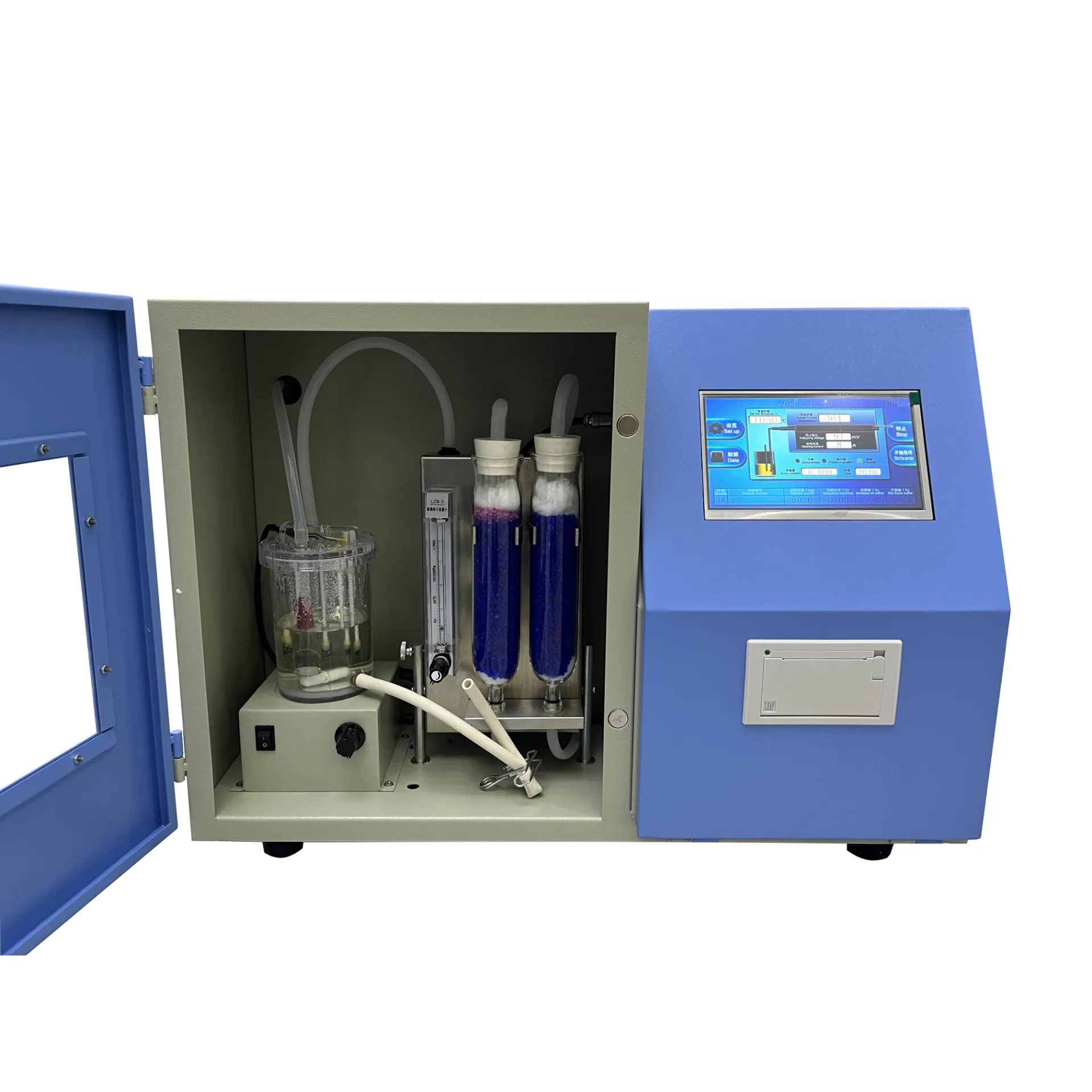
Ensuring Trust and Reliability: FAQ, Logistics, and Support
Establishing trust with B2B clients requires more than just high-quality products; it demands transparency, commitment, and robust support infrastructure.
Frequently Asked Questions (FAQ):
- Q: How often should an insulation tester be calibrated?
A: We recommend annual calibration to ensure continued accuracy and compliance with industry standards like ISO/IEC 17025. For heavily used or critical applications, a semi-annual check may be advisable. - Q: What is the significance of PI and DAR tests?
A: Polarization Index (PI) and Dielectric Absorption Ratio (DAR) tests provide insights into the dryness and cleanliness of insulation over time, differentiating between surface moisture/contamination and actual insulation degradation. High PI and DAR values generally indicate good insulation. - Q: Can the insulation tester be used on live circuits?
A: Absolutely not. All insulation testing must be performed on de-energized circuits for safety reasons. Most modern testers include a live circuit detection feature that prevents testing if voltage is present, alerting the operator to a potential hazard. - Q: Is training available for advanced features?
A: Yes, we offer comprehensive training modules, both on-site and remote, covering basic operation to advanced diagnostic interpretation for our range of digital insulation testers.
Lead Time and Fulfillment:
Standard orders for our professional-grade insulation testers typically have a lead time of 2-4 weeks, depending on model and quantity. Expedited shipping options are available upon request. For customized solutions or large-volume orders, a detailed production and delivery schedule will be provided post-consultation and order confirmation. We maintain robust supply chain management to minimize delays and ensure timely delivery.
Warranty Commitments:
All our insulation testers come with a standard 3-year manufacturer's warranty covering defects in materials and workmanship. Extended warranty options and service contracts are available to provide comprehensive coverage and peace of mind for the operational lifespan of your equipment.
Customer Support and After-Sales Service:
Our dedicated technical support team is available 24/7 via phone, email, and live chat to assist with any operational queries, troubleshooting, or technical guidance. We also offer comprehensive after-sales service, including calibration, repair services, and spare parts availability, ensuring minimal disruption to your operations. Our service centers are ISO 9001 certified, guaranteeing high standards of service quality.
Conclusion
The modern insulation tester stands as a critical investment for any organization reliant on electrical infrastructure. Its evolution into a sophisticated diagnostic tool, incorporating advanced features, robust safety measures, and seamless data integration, underscores its role in ensuring operational continuity, optimizing maintenance strategies, and upholding stringent safety standards. By understanding the manufacturing rigor, technical capabilities, and comprehensive support offered by reputable providers, businesses can make informed decisions that safeguard their assets and personnel for years to come.
References
- IEEE Std 43-2000, "Recommended Practice for Testing Insulation Resistance of Rotating Machinery."
- International Electrotechnical Commission (IEC) 61010-1:2010, "Safety requirements for electrical equipment for measurement, control and laboratory use – Part 1: General requirements."
- National Fire Protection Association (NFPA) 70B: Recommended Practice for Electrical Equipment Maintenance, 2023 Edition.
- Fluke Corporation White Paper, "Insulation Resistance Testing: The Basics."
- Megger, "A Stitch in Time... Insulation Testing for Electrical Equipment."
-
Find the Best Loop Impedance Tester for Sale and Ensure Electrical SafetyNewsMar.31,2026
-
Comprehensive Guide to Loop Impedance Meter for Electrical SafetyNewsMar.28,2026
-
Understanding and Choosing a Line Impedance Tester for Optimal Network PerformanceNewsMar.26,2026
-
Comprehensive Guide to Line Earth Loop Impedance Test for Electrical SafetyNewsMar.24,2026
-
Comprehensive Guide to Fault Loop Impedance Meter and Electrical SafetyNewsMar.21,2026
-
Comprehensive Guide to External Loop Impedance Test for Electrical SafetyNewsMar.19,2026


