 English



Precision TTR Test: Transformer Turns Ratio Meter & Tester
The Critical Role of Transformer Turns Ratio Testing in Modern Grids
In the intricate architecture of modern electrical grids and industrial power systems, transformers serve as indispensable components, facilitating the efficient transmission and distribution of electrical energy. Their reliability is paramount for ensuring grid stability, operational continuity, and safety. A fundamental diagnostic procedure for assessing transformer health and integrity is the ttr test, or Transformer Turns Ratio test.
This essential measurement provides a direct indication of the transformer's winding condition, identifying potential issues such as shorted turns, open windings, incorrect tap settings, or manufacturing defects. As global energy demands surge and infrastructure ages, the need for precise and reliable diagnostic tools like the ttr tester becomes even more critical. Industry trends, including the integration of renewable energy sources, the push for smart grids, and the increasing emphasis on predictive maintenance, further underscore the importance of accurate transformer health assessments to prevent costly outages and extend asset lifecycles.
This article delves into the intricacies of transformer TTR testing, its technical specifications, application scenarios, and the advanced solutions offered by equipment such as the PUSH Electrical PS-BB103 Transformer turns ratio tester TTR.
Understanding the TTR Test: Principles and Importance
The turns ratio of a transformer is the ratio of the number of turns in the primary winding to the number of turns in the secondary winding. Ideally, this ratio should be consistent with the nameplate value. The ttr test is a direct comparison of the voltage ratio across the transformer windings, which directly corresponds to the turns ratio. This measurement is crucial for several reasons:
- Detecting Winding Faults: Deviations from the expected turns ratio can indicate shorted turns within a winding, which can lead to localized heating, insulation degradation, and eventual transformer failure.
- Verifying Tap Changer Operation: On-load and off-load tap changers are vital for voltage regulation. A ttr electrical testing confirms that the tap changer is operating correctly across all positions and that connections are sound.
- Identifying Open Windings or Incorrect Connections: The test can quickly pinpoint open circuits or incorrect internal connections made during manufacturing or repair.
- Assessing Overall Transformer Health: By comparing current and historical TTR readings, maintenance professionals can trend the transformer's condition and predict potential issues before they escalate.
Performing a reliable ttr test on transformer ensures that the unit will perform as designed, preventing inefficiencies and potential catastrophic failures that can lead to significant financial losses and power disruptions.
Technical Specifications: PUSH Electrical PS-BB103 Transformer Turns Ratio Tester TTR
The PUSH Electrical PS-BB103 is a state-of-the-art ttr tester engineered for high-precision transformer turns ratio measurements. Designed with the needs of B2B professionals in mind, it combines robust construction with advanced analytical capabilities to deliver accurate and reliable data in the field or laboratory.
Key features include a wide measurement range, high accuracy, automatic winding connection identification, and user-friendly operation via a large LCD display. Its rugged casing ensures durability in harsh industrial environments, while advanced algorithms provide stable and repeatable measurements, even in the presence of strong interference.
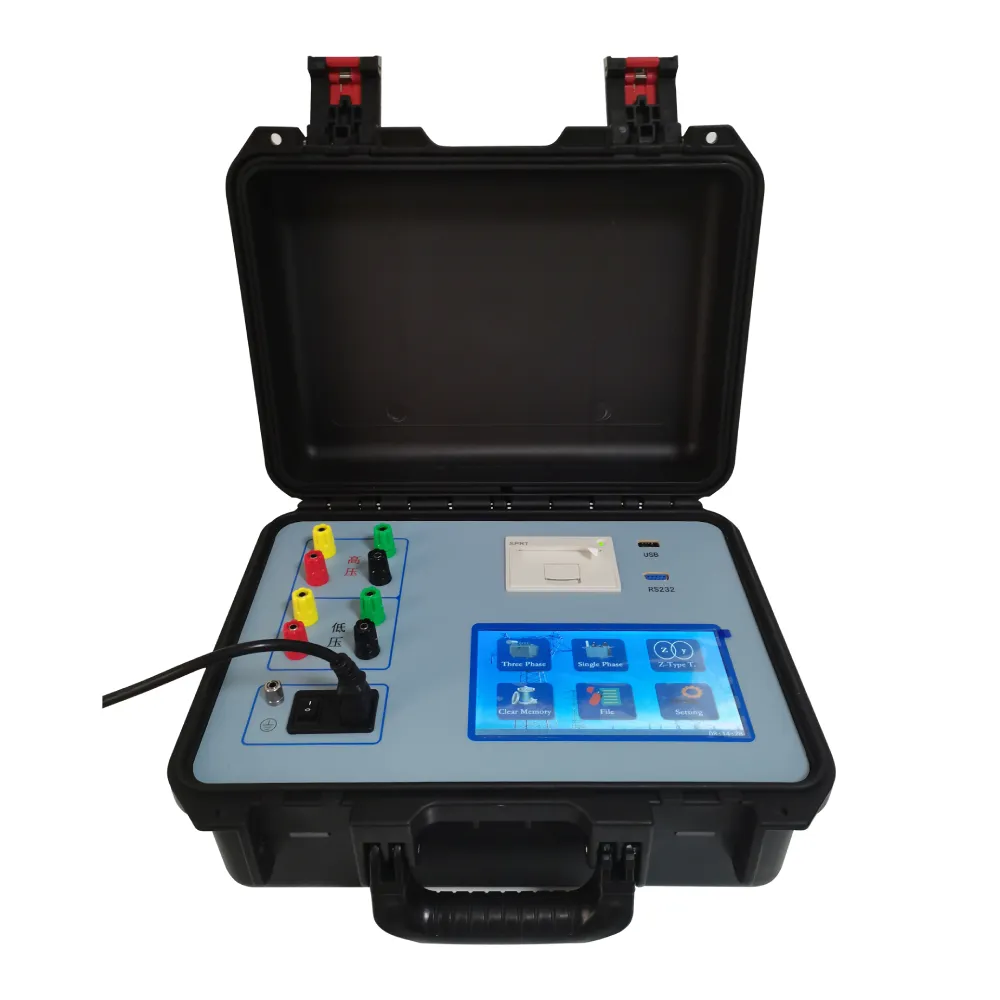
Figure 1: PUSH Electrical PS-BB103 Transformer Turns Ratio Tester in operation.
Product Specification Table: PUSH Electrical PS-BB103
| Parameter | Specification |
|---|---|
| Measurement Range | 0.9 to 10000 (Automatic range selection) |
| Accuracy | 0.9-1000: ±0.1% + 1 digit 1000-5000: ±0.2% + 1 digit 5000-10000: ±0.3% + 1 digit |
| Test Voltage | 120V (AC), 100V (AC), 10V (AC), 1V (AC) (Optional based on winding) |
| Measurement Speed | Typically 3 seconds per phase |
| Display | Large color LCD with backlight |
| Data Storage | Internal memory for thousands of test results |
| Interface | USB for data transfer to PC |
| Power Supply | AC 220V ±10%, 50Hz/60Hz; Internal Li-ion battery (optional) |
| Operating Temperature | -10°C to 50°C |
| Dimensions/Weight | Portable, typically < 10 kg |
Application Scenarios and Industry Impact
The versatility of the PUSH Electrical PS-BB103 transformer turns ratio meter makes it an indispensable tool across a broad spectrum of industries and application scenarios:
- Power Utilities & Transmission: For routine maintenance, commissioning new power transformers, and troubleshooting existing units in substations and generation plants.
- Industrial Plants: Essential for petrochemical, metallurgy, mining, and manufacturing facilities to maintain the reliability of their critical power transformers, ensuring continuous operation and preventing costly downtime.
- Renewable Energy Farms: In solar and wind farms, where transformers play a crucial role in stepping up generated voltage for grid integration, accurate transformer turns ratio checks ensure optimal performance and energy yield.
- Transformer Manufacturers: For quality control during the manufacturing process, factory acceptance tests (FAT), and pre-shipment inspections to guarantee product integrity.
- Service & Repair Companies: After any transformer repair or winding replacement, a comprehensive ttr test of power transformer is mandatory to verify correct assembly and functionality before re-energization.
In these scenarios, the PS-BB103 contributes to significant advantages, including enhanced operational safety, minimized energy losses due to faulty windings (leading to energy savings), extended service life of assets, and superior corrosion resistance due to early detection of internal issues that could compromise insulation and lead to deterioration.
Technical Advantages and Compliance
PUSH Electrical's commitment to innovation is evident in the technical advantages offered by the PS-BB103 ttr transformer turns ratio tester. Its advanced digital signal processing (DSP) technology ensures high measurement stability and immunity to electromagnetic interference, a common challenge in substation environments. The instrument adheres to stringent international testing standards such as IEEE C57.12.90 for Test Code for Liquid-Immersed Distribution, Power, and Regulating Transformers, and IEC 60076-1 for Power Transformers – Part 1: General. Compliance with such standards underscores its reliability and ensures data validity for critical decision-making.
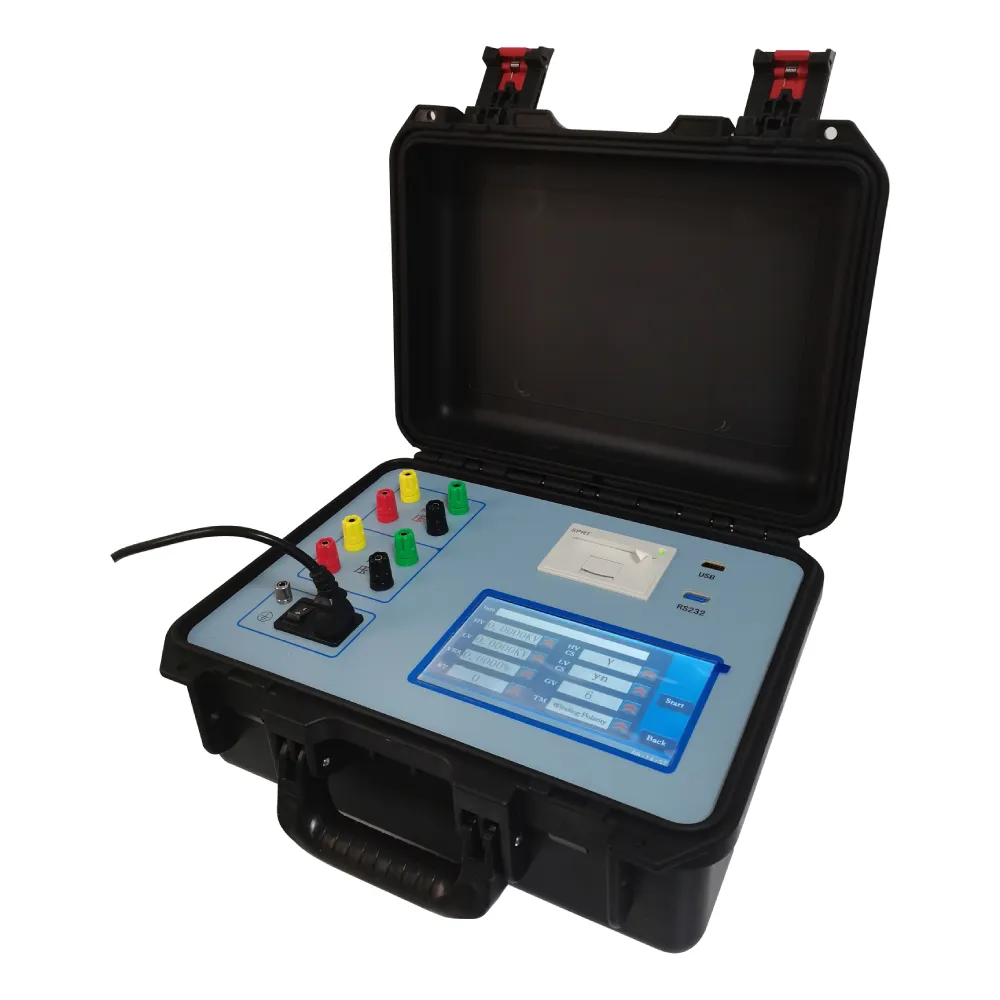
Figure 2: Precision testing with a PUSH Electrical TTR tester ensures optimal transformer performance.
Beyond standards, the PS-BB103 offers features like intelligent three-phase measurement, automatic vector group detection, and temperature compensation, which enhance accuracy and speed. This is crucial for busy maintenance crews who need to quickly and confidently assess the condition of multiple transformers during routine checks or emergency situations.
Vendor Comparison: PUSH Electrical vs. Industry Benchmarks
When selecting a turns ratio meter, purchasers weigh various factors from accuracy and features to ease of use and after-sales support. The PUSH Electrical PS-BB103 consistently demonstrates superior value:
TTR Tester Comparison Table
| Feature | PUSH Electrical PS-BB103 | Typical Competitor A | Typical Competitor B |
|---|---|---|---|
| Measurement Range | 0.9 - 10000 | 1 - 5000 | 0.8 - 8000 |
| Accuracy (mid-range) | ±0.1% | ±0.2% | ±0.15% |
| Test Voltage (Max) | 120V AC | 100V AC | 80V AC |
| Measurement Speed | ~3 seconds/phase | ~5 seconds/phase | ~4 seconds/phase |
| Display | Color LCD | Monochrome LCD | Color LCD (smaller) |
| Data Storage | Thousands of tests | Hundreds of tests | Limited |
| Connectivity | USB | USB (basic) | None/Proprietary |
| Portability | High (lightweight & rugged) | Moderate | High |
This comparison highlights the PUSH Electrical PS-BB103's broader measurement range, superior accuracy, and faster operation, making it a highly competitive and reliable choice for demanding applications.
Customized Solutions and Manufacturing Excellence
PUSH Electrical understands that specific project requirements may necessitate tailored solutions. While the PS-BB103 offers exceptional standard features, we can discuss customization options such as specialized test lead lengths, integration protocols for existing asset management systems, or custom reporting templates to align with internal compliance needs. Our dedicated engineering team works closely with clients to develop solutions that optimize testing workflows and data analysis.
The manufacturing process of the PUSH Electrical PS-BB103 transformer turns ratio tester reflects a commitment to quality and longevity. We employ high-grade, durable materials, and precision manufacturing techniques, including advanced CNC machining for critical components, to ensure robustness and accuracy. Each unit undergoes rigorous in-house calibration and testing, adhering to ISO 9001 quality management standards and CE certification requirements, guaranteeing that the instrument meets the highest performance and safety benchmarks. This meticulous approach to production ensures a long service life and reliable performance in diverse operating conditions, from extreme temperatures in remote substations to high-humidity industrial environments.
Application Case Study: Preventing Catastrophic Failure with TTR Test
A large petrochemical complex in the Middle East experienced intermittent voltage regulation issues on a critical 10 MVA step-down transformer supplying power to its primary distillation unit. Traditional diagnostic methods failed to pinpoint the exact cause, leading to increasing operational concerns and potential production losses.
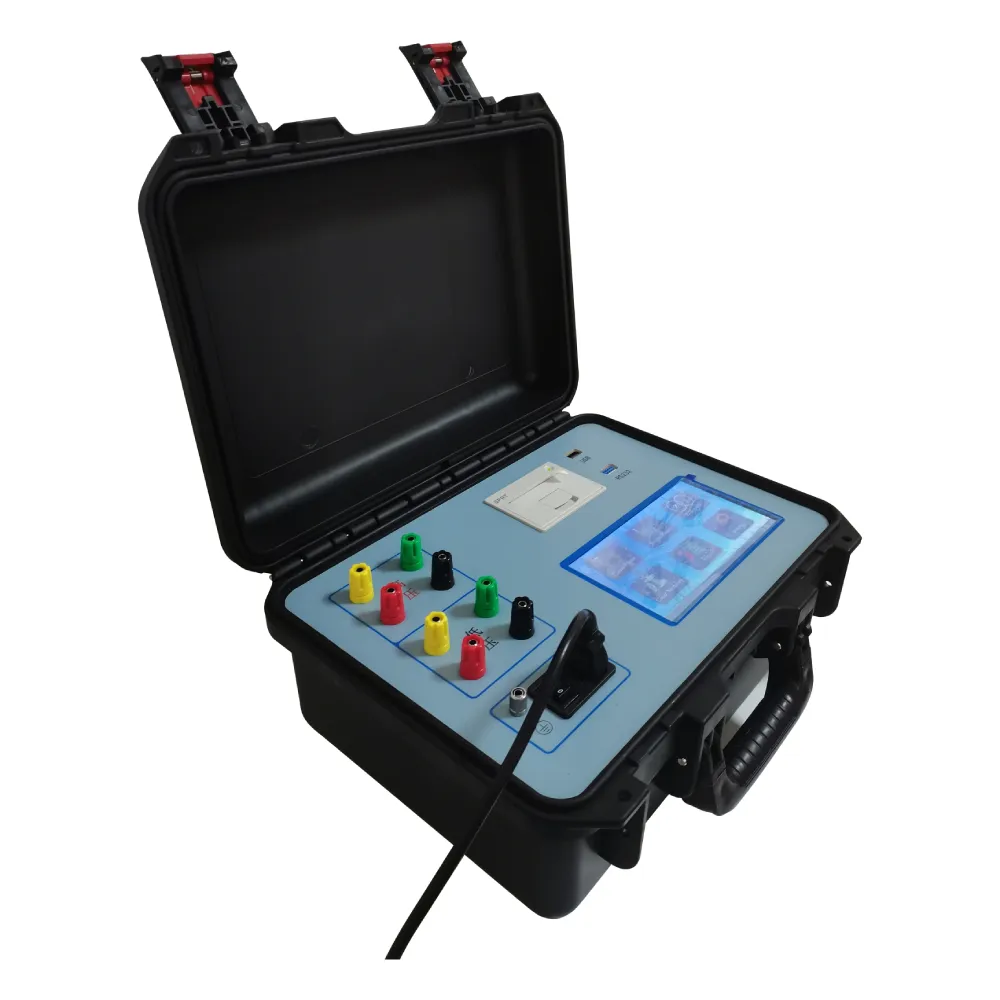
Figure 3: On-site transformer inspection utilizing advanced TTR testing equipment.
Using a PUSH Electrical PS-BB103 turns ratio tester, the facility's maintenance team performed a comprehensive ttr test in transformer across all taps. The test quickly revealed significant deviations in the turns ratio on two specific taps of the high-voltage winding, particularly on one phase, pointing to several shorted turns. The readings were consistently outside the acceptable 0.5% tolerance, confirming a severe internal winding fault.
This precise diagnosis allowed the complex to proactively schedule an outage for transformer repair, replacing the faulty winding before it led to a catastrophic failure. The early detection not only saved the company millions in potential production losses and repair costs but also averted significant safety risks. The PS-BB103's rapid measurement capability and clear data presentation were instrumental in achieving this swift and accurate diagnosis, significantly extending the asset's service life and ensuring robust plant operations.
Trustworthiness and Support: PUSH Electrical Commitment
Frequently Asked Questions (FAQ)
-
Q: How often should a transformer turns ratio test be performed?
A: The frequency depends on the transformer's age, criticality, and service conditions. Generally, it's recommended during commissioning, after major repairs, and as part of an annual or biennial preventive maintenance program. For critical assets, more frequent checks may be warranted. -
Q: What are the acceptable tolerances for TTR measurements?
A: Industry standards typically allow for a deviation of ±0.5% from the nameplate ratio. Any deviation greater than this often indicates a problem that requires further investigation. Specific manufacturer guidelines may also apply. -
Q: Can a TTR tester be used on all types of transformers?
A: Yes, advanced TTR testers like the PUSH Electrical PS-BB103 are designed to test a wide range of power, distribution, and instrument transformers, including three-phase units, and can handle various winding configurations.
Lead Time and Fulfillment
PUSH Electrical maintains efficient production schedules to ensure timely delivery of our instruments. Standard lead times for the PS-BB103 typically range from 2-4 weeks, depending on order volume and current stock levels. Expedited shipping options are available upon request to meet urgent project deadlines.
Warranty and After-Sales Support
Every PUSH Electrical PS-BB103 Transformer turns ratio tester is backed by a comprehensive 1-year warranty against manufacturing defects. Our commitment extends beyond the sale with a dedicated team of technical support specialists available to assist with setup, operation, troubleshooting, and software updates. We offer remote assistance and readily available spare parts to ensure minimal downtime and maximum operational efficiency for our clients. PUSH Electrical is a trusted partner for long-term asset reliability.
Conclusion
The ttr test set is an indispensable tool in the arsenal of any power system professional, providing critical insights into the health and integrity of transformers. The PUSH Electrical PS-BB103 Transformer turns ratio tester TTR stands out as a leading solution, offering unparalleled accuracy, speed, and reliability. By adhering to international standards, incorporating advanced technology, and providing robust after-sales support, PUSH Electrical empowers industries to optimize their transformer maintenance strategies, enhance grid resilience, and ensure the long-term operational success of their power infrastructure.
References
- IEEE C57.12.90™-2022 - IEEE Standard for Test Code for Liquid-Immersed Distribution, Power, and Regulating Transformers.
- IEC 60076-1:2011 - Power transformers – Part 1: General.
- ANSI/NETA ATS-2021 - Standard for Acceptance Testing Specifications for Electrical Power Equipment and Systems.
- Electric Power Research Institute (EPRI). Transformer Monitoring and Diagnostics.
-
Find the Best Loop Impedance Tester for Sale and Ensure Electrical SafetyNewsMar.31,2026
-
Comprehensive Guide to Loop Impedance Meter for Electrical SafetyNewsMar.28,2026
-
Understanding and Choosing a Line Impedance Tester for Optimal Network PerformanceNewsMar.26,2026
-
Comprehensive Guide to Line Earth Loop Impedance Test for Electrical SafetyNewsMar.24,2026
-
Comprehensive Guide to Fault Loop Impedance Meter and Electrical SafetyNewsMar.21,2026
-
Comprehensive Guide to External Loop Impedance Test for Electrical SafetyNewsMar.19,2026


