 English



Flash Point Equipment: Faster, Safer, ASTM-Compliant?
Choosing Flash Point Equipment that Lab Teams Actually Like Using
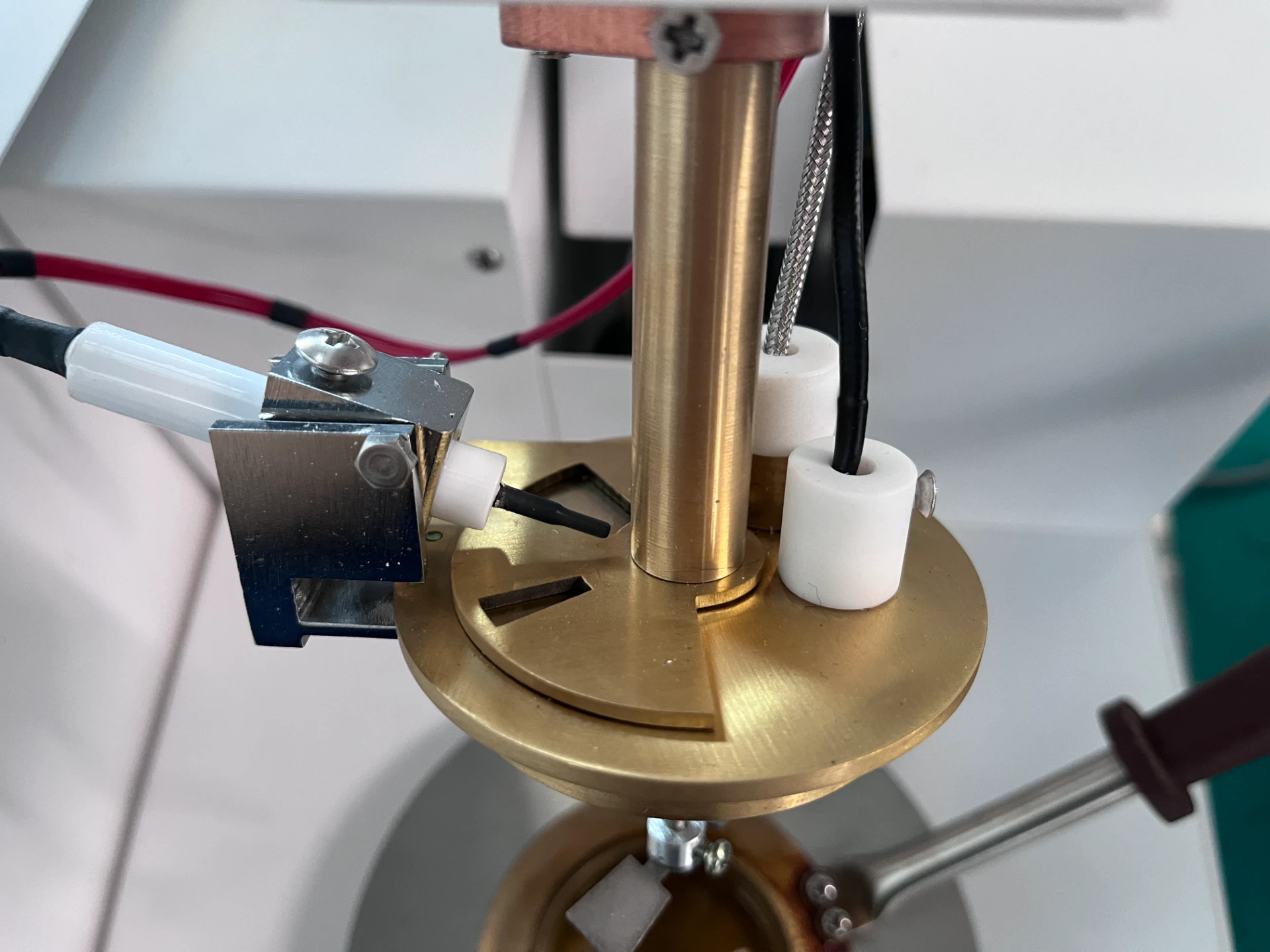
If you’re weighing your options on flash point equipment, here’s the model that keeps coming up in my field notes: the PUSH Electrical ASTM D93 Close Cup Flash Point Tester. It’s made in Baoding, Hebei (Room 302, Building 5, Baoding Zhongguancun DigitalEconomy Industrial Park, No. 777 Lixing Street, Jingxiu District), and—honestly—that factory has been quietly building a reputation for reliable, practical lab instruments.
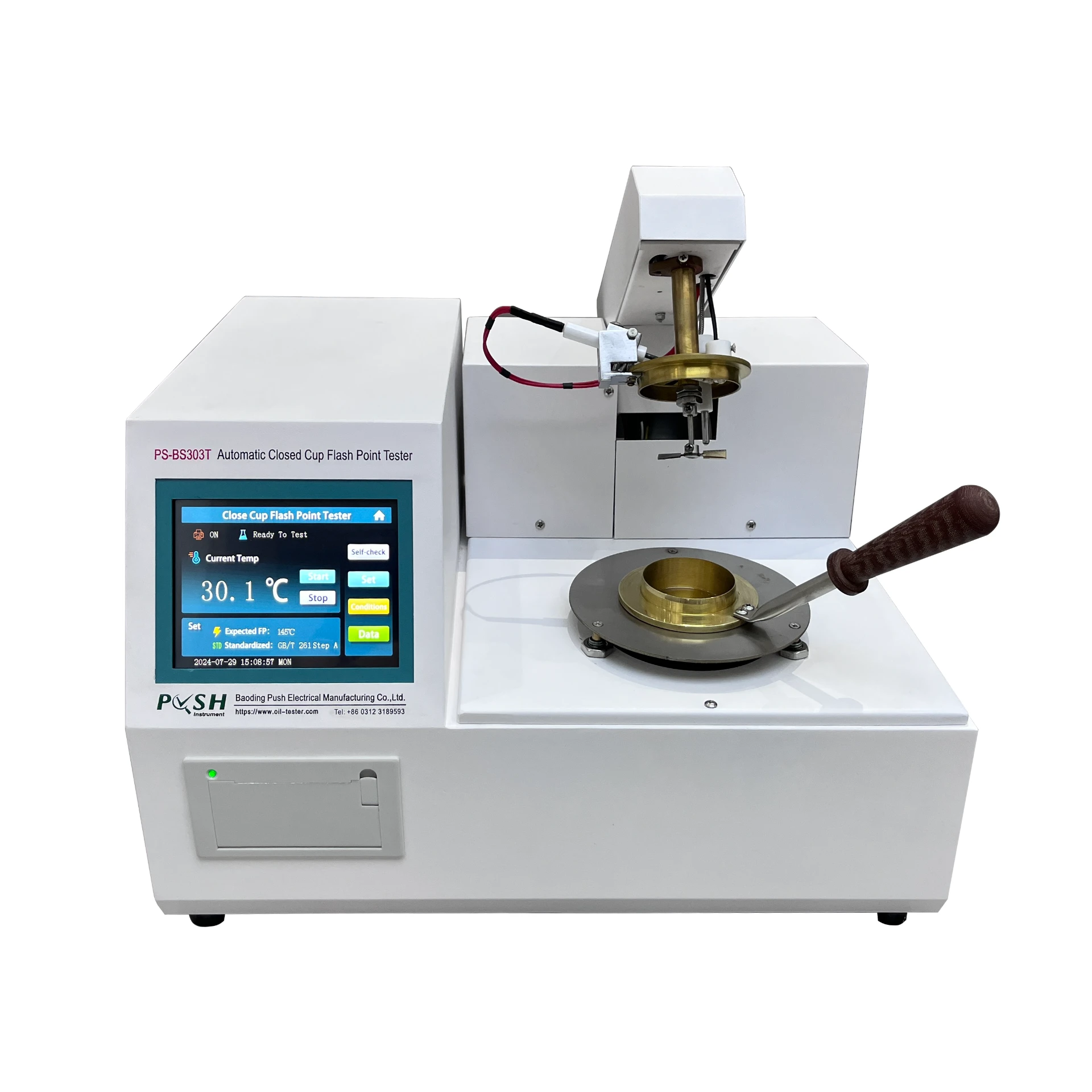
Why closed cup now? Industry trends at a glance
With tighter safety governance and data integrity rules, labs are shifting to closed-cup systems (ASTM D93 / ISO 2719) for fuels, lubricants, and process oils. The push is toward automated heating profiles, traceable records (USB/RS-232), and—this matters—repeatable ignition detection. In practice, flash point equipment is now as much about data defensibility as it is about temperature.
Key specs (real-world values may vary)
| Product | PUSH Electrical ASTM D93 Close Cup Flash Point Tester |
| Standards | ASTM D93 A/B/C; ISO 2719; GB/T 261; IP 34 |
| Temp range | ≈ Ambient to 400°C (controlled ramp) |
| Ignition | Electric ignitor (optional gas flame) |
| Stirring | Programmable per procedure A/B/C |
| Cup/cover | Brass, per Pensky–Martens geometry |
| Sample volume | ≈ 75 mL, filled to mark |
| I/O | USB, RS‑232, printer support |
| Power | AC 110/220 V, 50/60 Hz |
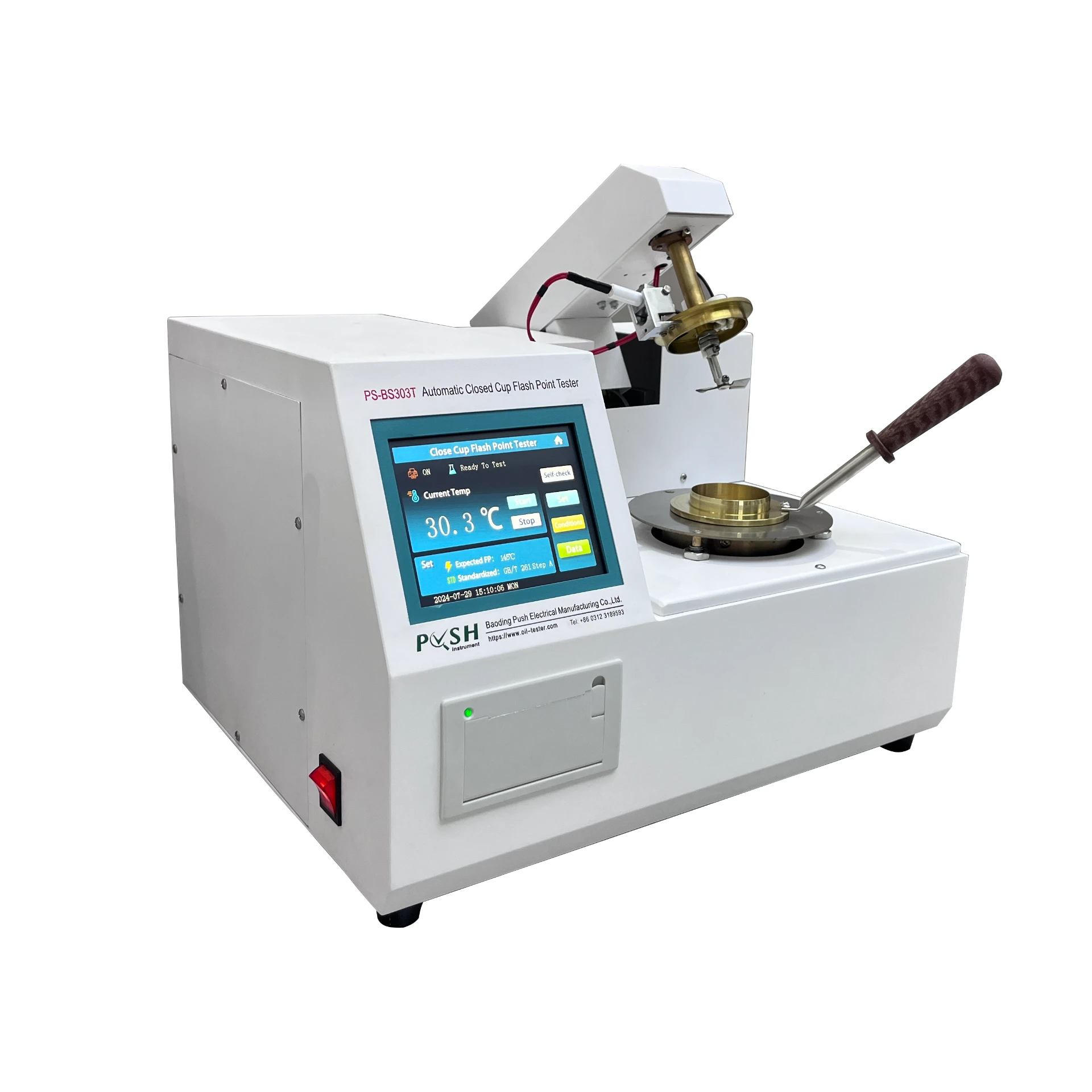
How labs run it: process flow and methods
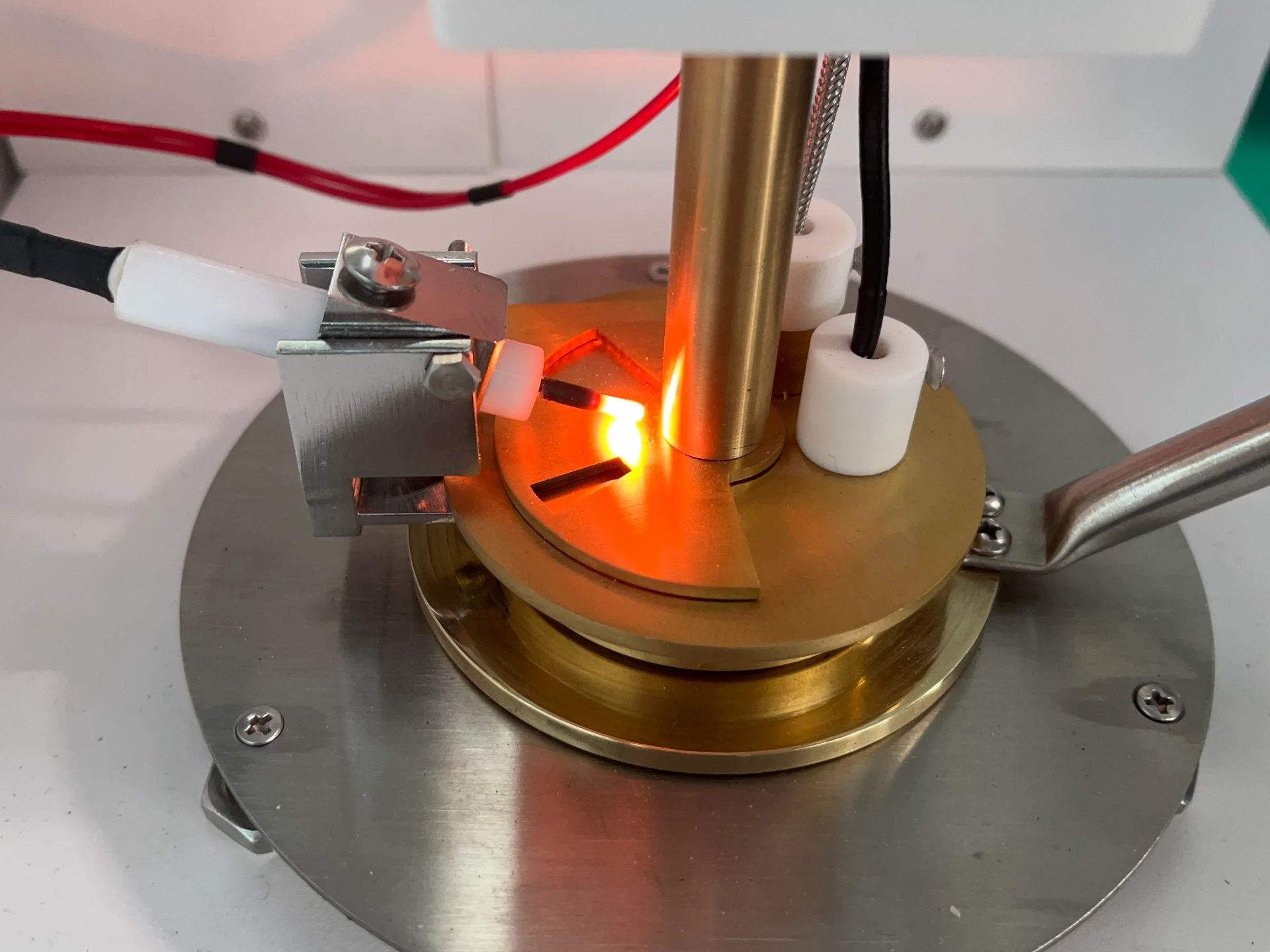
Materials: brass cup and cover assembly with shutter, thermometer/PT100 probe, electric ignitor, sealed heating well. Method: load ≈75 mL sample, set D93 Procedure (A for fuels with low viscosity; B for residual oils; C for biodiesel blends), apply specified stirring and ramp rate, introduce the test flame at timed intervals until a distinct flash appears. Then, if required, heat to fire point—sustained 5 s burn—to confirm handling class.
Testing standards and service life: built for ASTM D93/ISO 2719 compliance; with routine maintenance (clean cup, verify stir rate, annual temperature verification), service life typically 7–10 years. Industries using flash point equipment: refineries, blending terminals, aviation fuel QA, lube compounding, paints/inks, cosmetics, and EHS compliance labs.
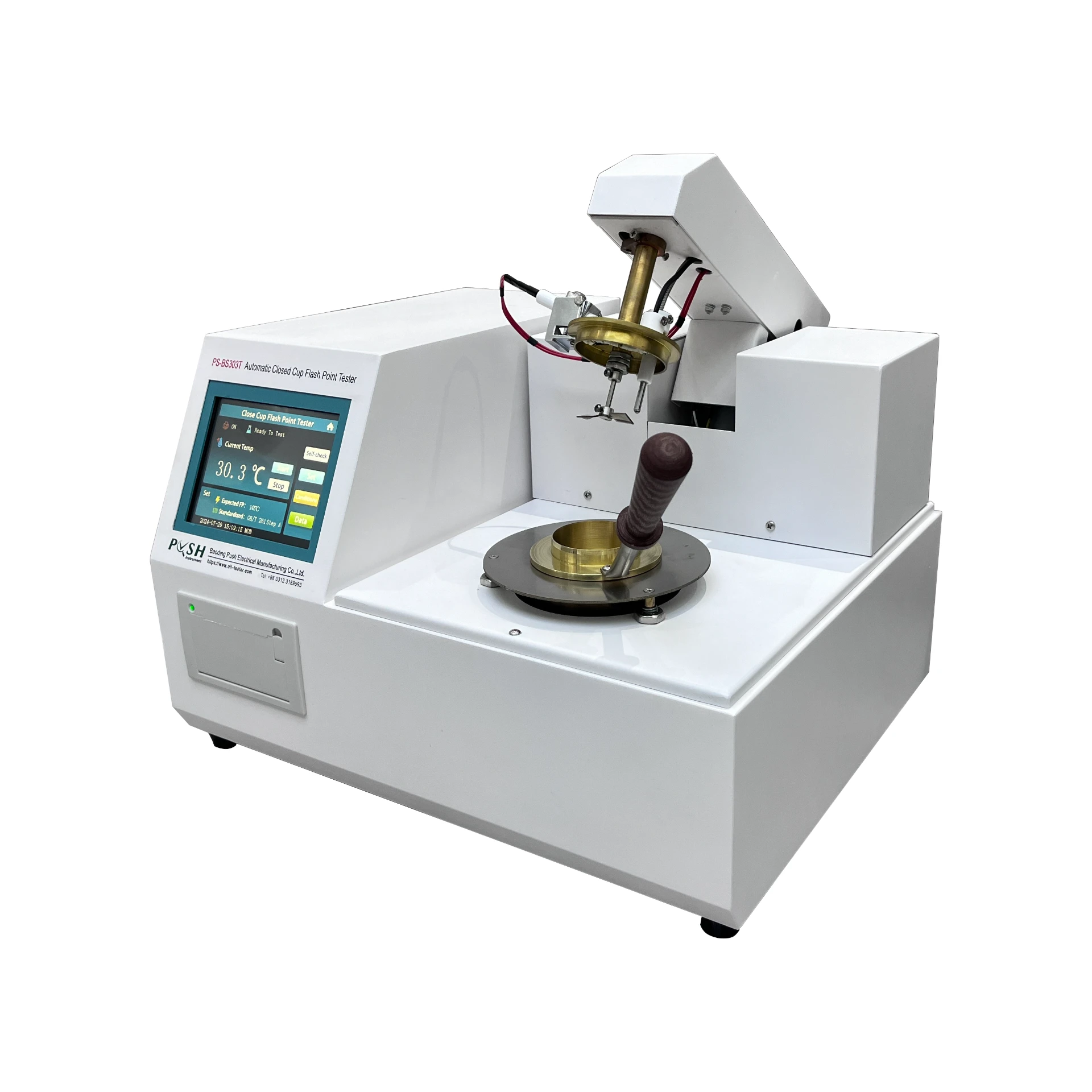
Applications, data, and a couple of quick cases
- Diesel: typical flash ≈ 60–80°C; our sample set last quarter averaged 70.3°C (n=12, r ≈ 1.0°C).
- Jet A-1: spec around 38°C minimum; labs target ≥ 40°C to be safe.
- B100 biodiesel: often > 100°C; seen 168–180°C on fresh lots.
Case 1 (terminal): A mid-size fuel terminal flagged off-spec kerosene. Retest on the PUSH unit, Procedure A, confirmed 35.9°C—below internal 38°C limit—preventing a risky shipment. Case 2 (cosmetics): A solvent blend for fragrances drifted 3°C lower after a supplier change; the closed cup result helped purchasing renegotiate specs. Small story, big savings.
Vendor snapshot (indicative, around-market)
| Vendor | Method/Range | Automation | Data/Connectivity | Price Tier |
| PUSH (China) | ASTM D93 A/B/C; up to ≈400°C | Auto heat, stir, ignition | USB/RS‑232/Printer | Value |
| EU Brand (ISO 2719 CC) | ISO 2719; ≈ 0–400°C | Auto; advanced UI | Ethernet/LIMS | Premium |
| US Brand (D93 CC) | ASTM D93; high-temp kits | Auto; self-diagnostics | USB/Ethernet | High |
Customization and compliance
Options I’ve seen customers request: 110/220 V switchable power, multilingual UI, corrosion‑resistant cup sets for aggressive additives, extended temp probes, bar-coded sample IDs, and on-site ISO/ASTM method training. Certifications: CE, ISO 9001 manufacturing; typical labs calibrate annually against ASTM/ISO reference materials. Several customers report the PUSH unit integrates cleanly with their LIMS via serial-to-USB adapters—nice touch.
Final take
For routine petroleum QA and EHS checkpoints, flash point equipment like the PUSH D93 tester hits the accuracy/price sweet spot. It’s not flashy (pun intended), but it is dependable—and in lab work, that’s what keeps product moving and auditors happy.
Authoritative citations
- ASTM D93: Standard Test Methods for Flash Point by Pensky-Martens Closed Cup Tester.
- ISO 2719: Determination of flash point — Pensky-Martens closed cup method.
- NFPA 30: Flammable and Combustible Liquids Code (classification guidance).
- GB/T 261: Determination of flash point — Pensky-Martens closed cup method (China).
- IP 34: Determination of flash point — Pensky-Martens closed cup (Energy Institute).
-
Find the Best Loop Impedance Tester for Sale and Ensure Electrical SafetyNewsMar.31,2026
-
Comprehensive Guide to Loop Impedance Meter for Electrical SafetyNewsMar.28,2026
-
Understanding and Choosing a Line Impedance Tester for Optimal Network PerformanceNewsMar.26,2026
-
Comprehensive Guide to Line Earth Loop Impedance Test for Electrical SafetyNewsMar.24,2026
-
Comprehensive Guide to Fault Loop Impedance Meter and Electrical SafetyNewsMar.21,2026
-
Comprehensive Guide to External Loop Impedance Test for Electrical SafetyNewsMar.19,2026


