 English



-
 Afrikaans
 -
 Albanian
 -
 Amharic
 -
 Arabic
 -
 Armenian
 -
 Azerbaijani
 -
 Basque
 -
 Belarusian
 -
 Bengali
 -
 Bosnian
 -
 Bulgarian
 -
 Catalan
 -
 Cebuano
 -
 China
China -
 China (Taiwan)
 -
 Corsican
 -
 Croatian
 -
 Czech
Czech -
 Danish
 -
 Dutch
Dutch -
 English
 -
 Esperanto
 -
 Estonian
 -
 Finnish
 -
 French
 -
 Frisian
 -
 Galician
 -
 Georgian
 -
 German
 -
 Greek
Greek -
 Gujarati
 -
 Haitian Creole
 -
 hausa
hausa -
 hawaiian
 -
 Hebrew
 -
 Hindi
Hindi -
 Miao
Miao -
 Hungarian
 -
 Icelandic
 -
 igbo
igbo -
 Indonesian
 -
 irish
irish -
 Italian
 -
 Japanese
 -
 Javanese
 -
 Kannada
 -
 kazakh
 -
 Khmer
Khmer -
 Rwandese
 -
 Korean
 -
 Kurdish
 -
 Kyrgyz
 -
 Lao
Lao -
 Latin
Latin -
 Latvian
 -
 Lithuanian
 -
 Luxembourgish
 -
 Macedonian
 -
 Malgashi
 -
 Malay
Malay -
 Malayalam
 -
 Maltese
 -
 Maori
Maori -
 Marathi
 -
 Mongolian
 -
 Myanmar
 -
 Nepali
 -
 Norwegian
 -
 Norwegian
 -
 Occitan
 -
 Pashto
 -
 Persian
 -
 Polish
 -
 Portuguese
 -
 Punjabi
 -
 Romanian
 -
 Russian
 -
 Samoan
 -
 Scottish Gaelic
 -
 Serbian
 -
 Sesotho
 -
 Shona
Shona -
 Sindhi
 -
 Sinhala
 -
 Slovak
 -
 Slovenian
 -
 Somali
 -
 Spanish
 -
 Sundanese
 -
 Swahili
 -
 Swedish
 -
 Tagalog
 -
 Tajik
Tajik -
 Tamil
Tamil -
 Tatar
Tatar -
 Telugu
 -
 Thai
Thai -
 Turkish
 -
 Turkmen
 -
 Ukrainian
 -
 Urdu
Urdu -
 Uighur
 -
 Uzbek
Uzbek -
 Vietnamese
 -
 Welsh
Welsh -
 Bantu
Bantu -
 Yiddish
 -
 Yoruba
 -
 Zulu
Zulu
High Voltage Withstand Test: A Must for Industrial Equipment
Industrial machinery operates in demanding environments where electrical reliability is crucial. One of the most effective ways to ensure the safety and performance of electrical equipment is through high voltage withstand testing. These tests verify that electrical components can handle extreme voltage conditions without insulation breakdown, preventing costly failures and unplanned downtime. Whether using a DC hipot test voltage, performing a DC withstand test, conducting a DC withstand voltage test, or selecting the right DC hipot tester, understanding these tests is essential for maintaining industrial operations.
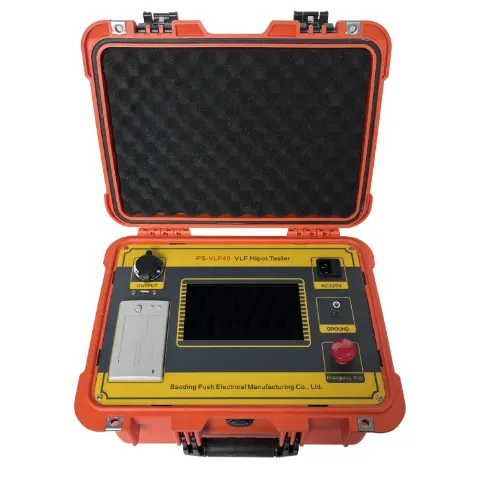
DC Hipot Test Voltage: Ensuring Equipment Durability
The DC hipot test voltage is a critical parameter in evaluating the insulation strength of industrial electrical systems. This test involves applying a controlled high-voltage DC charge to cables, transformers, motors, and other electrical components to detect weak points in the insulation before they cause failures.
Unlike AC testing, which generates continuous voltage fluctuations, DC hipot testing applies a steady voltage that allows for precise fault detection. If an insulation breakdown occurs during the test, it indicates a risk of short circuits, power failures, or even fire hazards. By setting the correct DC hipot test voltage, industries can ensure that their equipment meets safety standards and operates reliably under high electrical stress.
Regular DC hipot testing is particularly important in industries such as manufacturing, aerospace, and energy production, where electrical failures can halt operations and result in significant financial losses. Preventive testing helps identify potential issues early, reducing the likelihood of unexpected breakdowns and costly downtime.
DC Withstand Test: Preventing Equipment Failures
The DC withstand test is a non-destructive testing method used to assess the ability of electrical equipment to endure prolonged high-voltage exposure. Unlike other tests that apply increasing voltage levels until failure occurs, the DC withstand test applies a fixed voltage for a specified duration to check insulation integrity.
This test is especially useful for high-voltage industrial systems, including generators, switchgear, and power distribution networks. By applying a steady DC withstand test voltage, technicians can determine whether an electrical component can handle real-world operational conditions without experiencing premature insulation failure.
Industries that rely on heavy machinery benefit greatly from DC withstand testing because it ensures long-term reliability. A failure in a high-voltage system can lead to production delays, safety risks, and expensive repairs. By conducting DC withstand tests during routine maintenance, businesses can proactively address insulation issues before they lead to major failures.
DC Withstand Voltage Test: Meeting Safety and Compliance Standards
The DC withstand voltage test is a fundamental requirement for industrial electrical systems, ensuring that equipment complies with industry safety regulations. Electrical insulation must be robust enough to handle both expected operating conditions and unexpected voltage surges. This test subjects components to high DC voltage levels, verifying their ability to withstand extreme electrical stress.
One key advantage of the DC withstand voltage test is its ability to detect insulation weaknesses without causing damage to the equipment being tested. By applying a controlled high voltage, this test confirms whether an electrical system meets national and international safety standards, such as IEEE, IEC, and UL regulations.
Failure to perform routine DC withstand voltage testing can result in severe consequences, including power disruptions, equipment damage, and workplace accidents. Industrial facilities that adhere to proper testing protocols benefit from increased operational stability, reduced repair costs, and improved worker safety.
DC Hipot Tester: Choosing the Right Equipment for Reliable Testing
Selecting the right DC hipot tester is crucial for performing accurate and reliable high-voltage withstand tests. These testers generate controlled high-voltage DC output to evaluate the insulation performance of cables, transformers, motors, and other electrical components.
A high-quality DC hipot tester offers several advantages:
-
Precision voltage control: Ensures that the correct DC hipot test voltageis applied for accurate insulation assessment.
-
Safety features: Includes automatic shutdown mechanisms to prevent overvoltage damage.
-
Portability: Allows for on-site testing in industrial facilities.
-
Compliance with standards: Ensures adherence to industry regulations for safety and performance.
By investing in a reliable DC hipot tester, industries can streamline their preventive maintenance programs, detect insulation failures early, and extend the lifespan of critical equipment. Regular testing with a high-quality hipot tester helps avoid unexpected failures, keeping production lines running smoothly and minimizing costly downtime.
For industries that depend on high-voltage electrical systems, high voltage withstand testing is an essential part of maintenance and safety assurance. Whether performing a DC hipot test voltage assessment, a DC withstand test, a DC withstand voltage test, or using an advanced DC hipot tester, these procedures help prevent electrical failures, improve equipment reliability, and reduce costly downtime.
Regular high-voltage testing ensures that industrial machinery operates safely under extreme electrical conditions, preventing insulation failures that could disrupt production and lead to financial losses. By implementing a robust high voltage withstand testing program, businesses can protect their assets, maintain compliance with safety standards, and ensure uninterrupted operations.
Looking for reliable DC hipot testers and industrial testing solutions? Visit our website today to explore our range of high-quality electrical testing equipment designed to keep your operations running safely and efficiently!
-
Find the Best Loop Impedance Tester for Sale and Ensure Electrical SafetyNewsMar.31,2026
-
Comprehensive Guide to Loop Impedance Meter for Electrical SafetyNewsMar.28,2026
-
Understanding and Choosing a Line Impedance Tester for Optimal Network PerformanceNewsMar.26,2026
-
Comprehensive Guide to Line Earth Loop Impedance Test for Electrical SafetyNewsMar.24,2026
-
Comprehensive Guide to Fault Loop Impedance Meter and Electrical SafetyNewsMar.21,2026
-
Comprehensive Guide to External Loop Impedance Test for Electrical SafetyNewsMar.19,2026


