 English



-
 Afrikaans
 -
 Albanian
 -
 Amharic
 -
 Arabic
 -
 Armenian
 -
 Azerbaijani
 -
 Basque
 -
 Belarusian
 -
 Bengali
 -
 Bosnian
 -
 Bulgarian
 -
 Catalan
 -
 Cebuano
 -
 China
China -
 China (Taiwan)
 -
 Corsican
 -
 Croatian
 -
 Czech
Czech -
 Danish
 -
 Dutch
Dutch -
 English
 -
 Esperanto
 -
 Estonian
 -
 Finnish
 -
 French
 -
 Frisian
 -
 Galician
 -
 Georgian
 -
 German
 -
 Greek
Greek -
 Gujarati
 -
 Haitian Creole
 -
 hausa
hausa -
 hawaiian
 -
 Hebrew
 -
 Hindi
Hindi -
 Miao
Miao -
 Hungarian
 -
 Icelandic
 -
 igbo
igbo -
 Indonesian
 -
 irish
irish -
 Italian
 -
 Japanese
 -
 Javanese
 -
 Kannada
 -
 kazakh
 -
 Khmer
Khmer -
 Rwandese
 -
 Korean
 -
 Kurdish
 -
 Kyrgyz
 -
 Lao
Lao -
 Latin
Latin -
 Latvian
 -
 Lithuanian
 -
 Luxembourgish
 -
 Macedonian
 -
 Malgashi
 -
 Malay
Malay -
 Malayalam
 -
 Maltese
 -
 Maori
Maori -
 Marathi
 -
 Mongolian
 -
 Myanmar
 -
 Nepali
 -
 Norwegian
 -
 Norwegian
 -
 Occitan
 -
 Pashto
 -
 Persian
 -
 Polish
 -
 Portuguese
 -
 Punjabi
 -
 Romanian
 -
 Russian
 -
 Samoan
 -
 Scottish Gaelic
 -
 Serbian
 -
 Sesotho
 -
 Shona
Shona -
 Sindhi
 -
 Sinhala
 -
 Slovak
 -
 Slovenian
 -
 Somali
 -
 Spanish
 -
 Sundanese
 -
 Swahili
 -
 Swedish
 -
 Tagalog
 -
 Tajik
Tajik -
 Tamil
Tamil -
 Tatar
Tatar -
 Telugu
 -
 Thai
Thai -
 Turkish
 -
 Turkmen
 -
 Ukrainian
 -
 Urdu
Urdu -
 Uighur
 -
 Uzbek
Uzbek -
 Vietnamese
 -
 Welsh
Welsh -
 Bantu
Bantu -
 Yiddish
 -
 Yoruba
 -
 Zulu
Zulu
HOT PRODUCTS
Since precision testing instruments entered China in the 1990s, it has become a rapidly developing industry among emerging industries. It is widely used in various fields of the national economy such as metallurgy, electric power, coal, chemical industry, petroleum, transportation, construction, textile, food, medicine, agriculture, environmental protection and people’s daily life. Product quality, an important tool for improving economic efficiency and management level occupy an important position in the national economy.
The types of inspection and testing equipment can be divided into many categories according to the difference of the industry, and they all play a vital role in their respective fields. The same is true for the common oil testing in petrochemical industry. In the equipment, lubricating oil protects the equipment. key parts and improve their operating status, lubricating oil is like blood in the human body, and the health of the human body can be understood through blood tests. Similarly, routine oil analysis can help companies obtain valuable equipment status information. Through regular testing, companies or users can monitor oil conditions to ensure optimal service life for machines and other critical equipment.
There is also power equipment, which is the hub and channel in the transmission and distribution network. During the use of the equipment, there will be aging, disrepair, and hidden troubles. However, these situations cannot be ruled out one by one by the human eye and the experience of the staff. Special power equipment testing is required to detect these hidden power safety hazards and organize manpower to eliminate them in time. In electric operation, electric safety is always a string that is taut for electric people. The detection of electrical equipment actually plays a role in preventing and discovering hidden dangers. Therefore, the inspection of electrical equipment (ie, the preventive test of electrical equipment) is very important.
PUSH is a professional oil tester, electric equipment and accessories manufacturer and trader. Focusing on the design, development, manufacturing and marketing of testing instruments, it has been committed to providing users with high-quality products and perfect technical services. In addition to the oil tester product line, PUSH can also provide OEM customized services according to user needs. PUSH’s complete and mature product development experience can provide you with quick oil tester application guidance and suggestions, and provide users with high-quality, high-precision, cost-effective products.
▁ Oil tester ▁
The main indicators of oil detection include: dielectric strength, dielectric loss, viscosity, flash point, moisture, acid value, mechanical impurities, oxidation stability, etc.
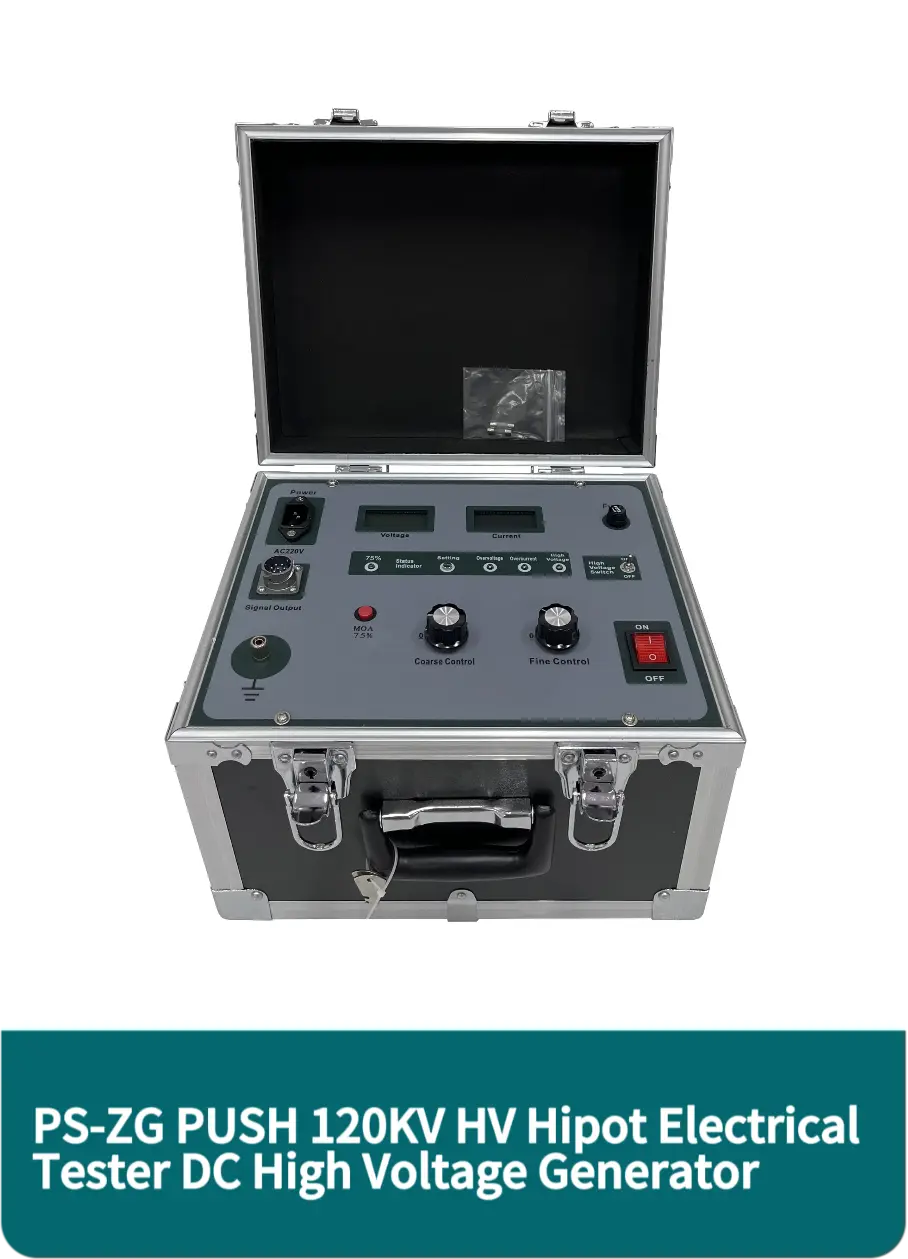
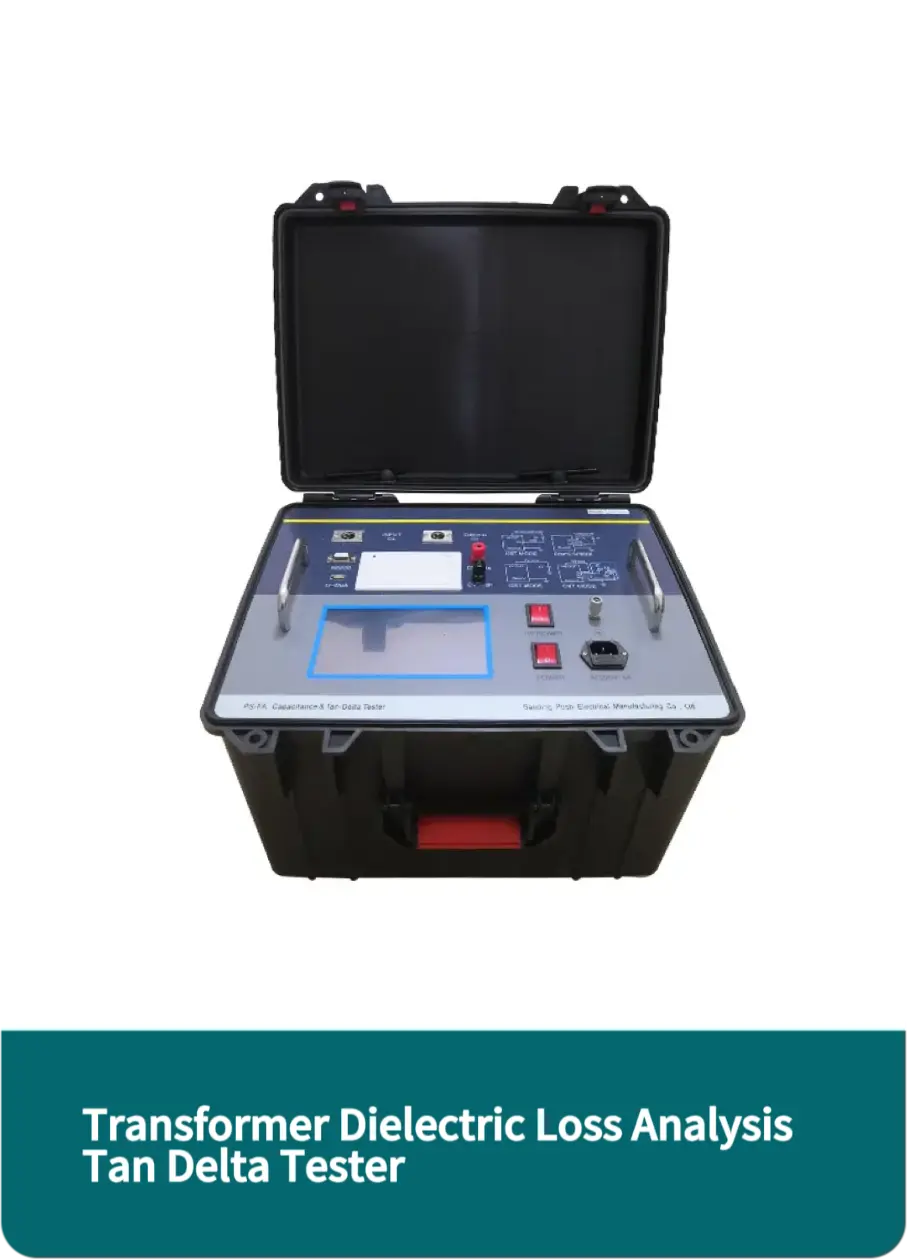
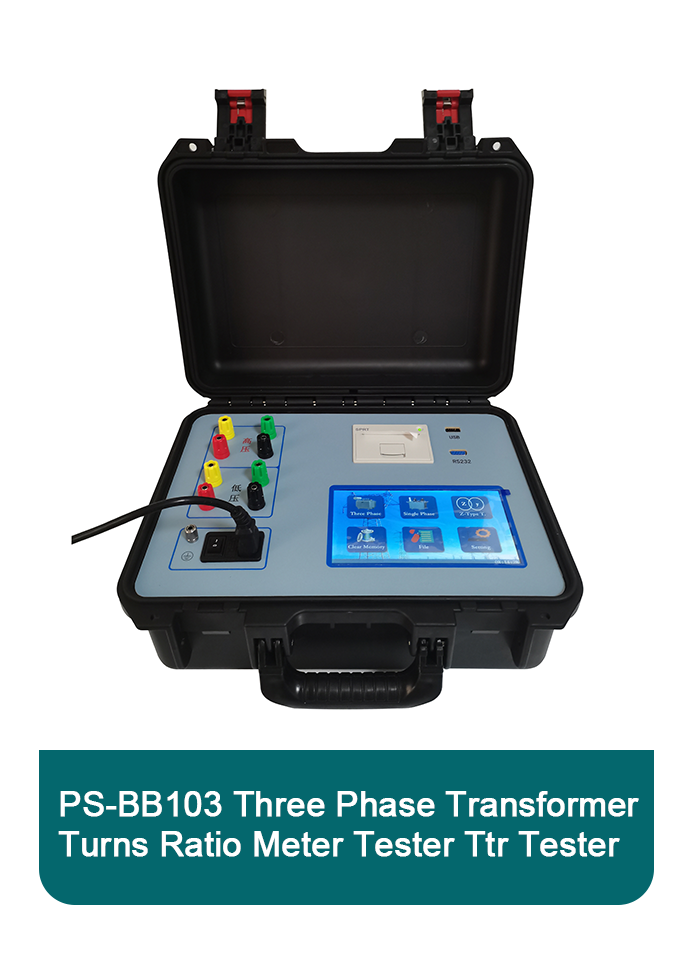
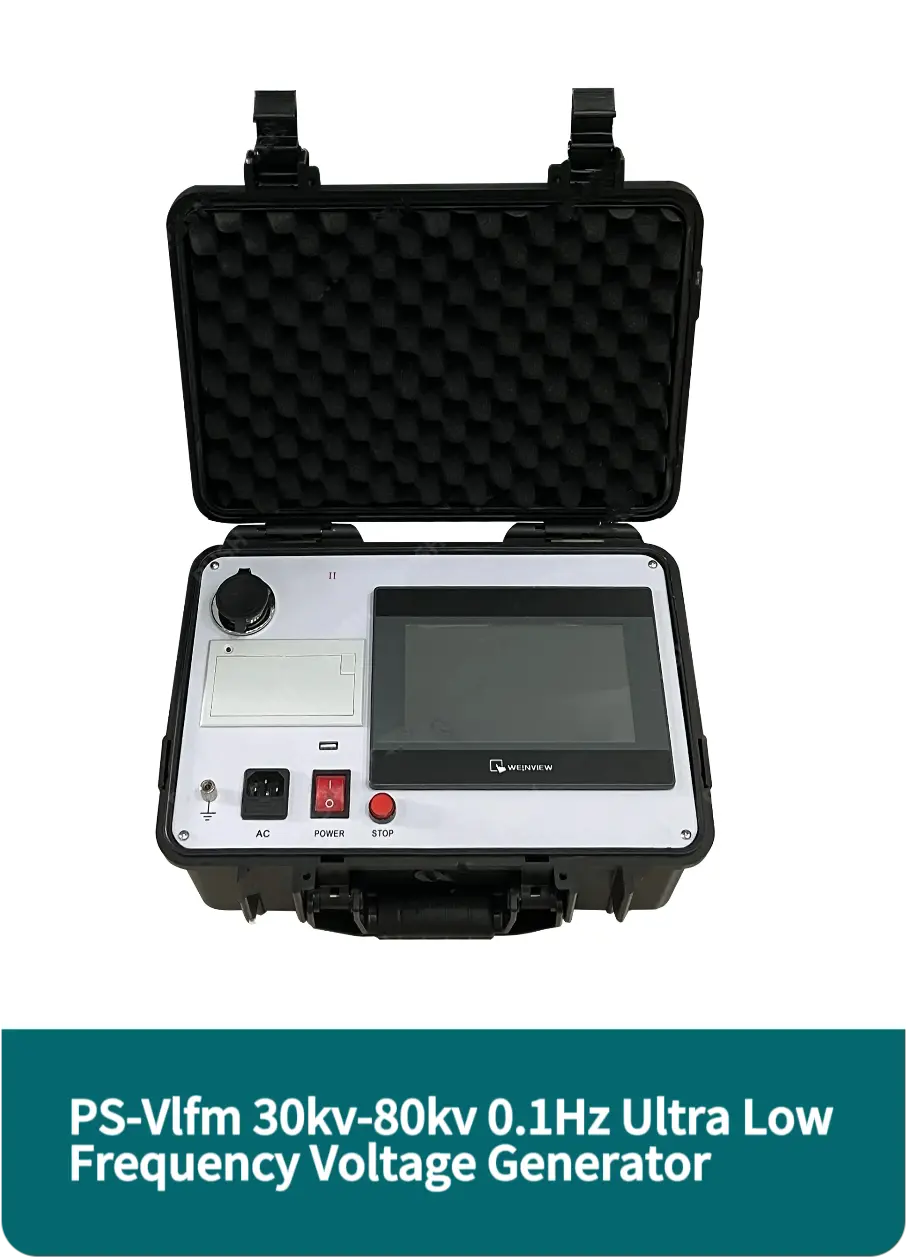
▁ Electric equipment ▁
The preventive test of power equipment refers to the regular inspection or test of the equipment that has been put into operation according to the specified test conditions (such as the specified test equipment, environmental conditions, test methods and test voltages, etc.), test items, and test cycles. Discover hidden dangers of electrical equipment in operation, prevent accidents or damage to electrical equipment. It is an important measure to judge whether the power equipment can continue to be put into operation and ensure safe operation.
-
Find the Best Loop Impedance Tester for Sale and Ensure Electrical SafetyNewsMar.31,2026
-
Comprehensive Guide to Loop Impedance Meter for Electrical SafetyNewsMar.28,2026
-
Understanding and Choosing a Line Impedance Tester for Optimal Network PerformanceNewsMar.26,2026
-
Comprehensive Guide to Line Earth Loop Impedance Test for Electrical SafetyNewsMar.24,2026
-
Comprehensive Guide to Fault Loop Impedance Meter and Electrical SafetyNewsMar.21,2026
-
Comprehensive Guide to External Loop Impedance Test for Electrical SafetyNewsMar.19,2026


