 English



-
 Afrikaans
 -
 Albanian
 -
 Amharic
 -
 Arabic
 -
 Armenian
 -
 Azerbaijani
 -
 Basque
 -
 Belarusian
 -
 Bengali
 -
 Bosnian
 -
 Bulgarian
 -
 Catalan
 -
 Cebuano
 -
 China
China -
 China (Taiwan)
 -
 Corsican
 -
 Croatian
 -
 Czech
Czech -
 Danish
 -
 Dutch
Dutch -
 English
 -
 Esperanto
 -
 Estonian
 -
 Finnish
 -
 French
 -
 Frisian
 -
 Galician
 -
 Georgian
 -
 German
 -
 Greek
Greek -
 Gujarati
 -
 Haitian Creole
 -
 hausa
hausa -
 hawaiian
 -
 Hebrew
 -
 Hindi
Hindi -
 Miao
Miao -
 Hungarian
 -
 Icelandic
 -
 igbo
igbo -
 Indonesian
 -
 irish
irish -
 Italian
 -
 Japanese
 -
 Javanese
 -
 Kannada
 -
 kazakh
 -
 Khmer
Khmer -
 Rwandese
 -
 Korean
 -
 Kurdish
 -
 Kyrgyz
 -
 Lao
Lao -
 Latin
Latin -
 Latvian
 -
 Lithuanian
 -
 Luxembourgish
 -
 Macedonian
 -
 Malgashi
 -
 Malay
Malay -
 Malayalam
 -
 Maltese
 -
 Maori
Maori -
 Marathi
 -
 Mongolian
 -
 Myanmar
 -
 Nepali
 -
 Norwegian
 -
 Norwegian
 -
 Occitan
 -
 Pashto
 -
 Persian
 -
 Polish
 -
 Portuguese
 -
 Punjabi
 -
 Romanian
 -
 Russian
 -
 Samoan
 -
 Scottish Gaelic
 -
 Serbian
 -
 Sesotho
 -
 Shona
Shona -
 Sindhi
 -
 Sinhala
 -
 Slovak
 -
 Slovenian
 -
 Somali
 -
 Spanish
 -
 Sundanese
 -
 Swahili
 -
 Swedish
 -
 Tagalog
 -
 Tajik
Tajik -
 Tamil
Tamil -
 Tatar
Tatar -
 Telugu
 -
 Thai
Thai -
 Turkish
 -
 Turkmen
 -
 Ukrainian
 -
 Urdu
Urdu -
 Uighur
 -
 Uzbek
Uzbek -
 Vietnamese
 -
 Welsh
Welsh -
 Bantu
Bantu -
 Yiddish
 -
 Yoruba
 -
 Zulu
Zulu
Oil Test Equipment
In industrial operations, every drop of oil matters. That’s where oil test equipment plays a critical role. Designed to monitor lubricant condition in real time, these devices are essential for preventive maintenance, early fault detection, and maximizing machinery lifespan.
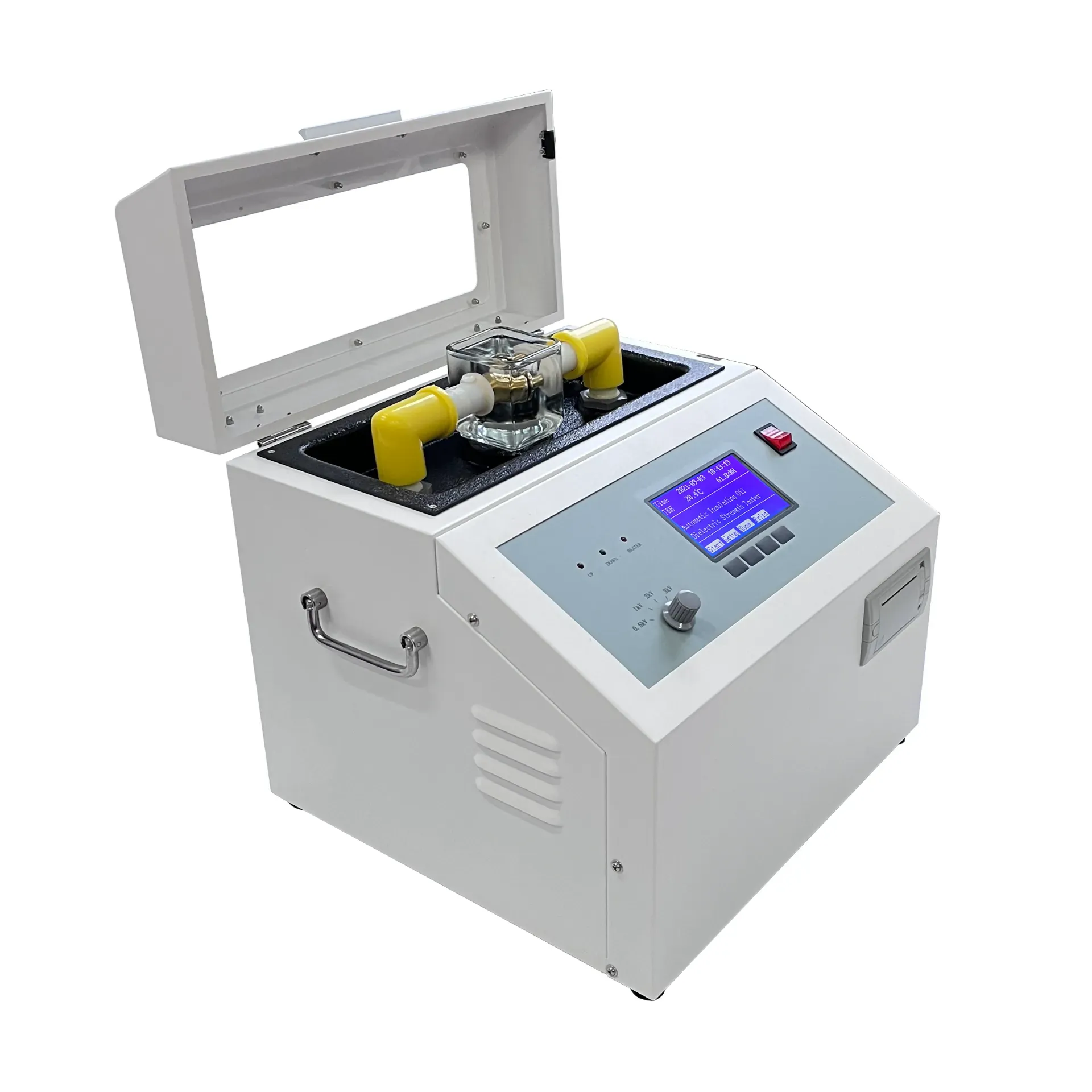
Modern oil test equipment offers a range of testing capabilities, including moisture detection, wear metal analysis, particle count, and viscosity measurement. This helps maintenance teams and engineers identify contamination, degradation, or improper viscosity levels before they lead to failures.
With advanced sensors and easy-to-use interfaces, today’s oil test equipment brings lab-level accuracy right to your facility—or even to the field. Many devices are portable and rugged, ideal for on-site oil analysis in harsh environments. Whether you're running a factory, managing heavy-duty trucks, or servicing turbines, investing in quality oil test equipment means better insights, lower costs, and fewer surprises.
Understanding Portable Oil Analysis Equipment Price and Value
When it comes to budgeting for diagnostics, the portable oil analysis equipment price varies based on features, accuracy, and brand reputation. Entry-level models may cost a few hundred dollars, while high-end systems with full-spectrum analysis and data logging capabilities can range into the thousands.
But cost isn’t the only consideration. The portable oil analysis equipment price should be evaluated in terms of return on investment. A mid-range analyzer that detects oil contamination or incorrect viscosity early could prevent catastrophic machinery failure and avoid tens of thousands in downtime and repairs.
It’s also important to consider whether the device requires consumables, calibration kits, or software subscriptions. Some vendors bundle training and support, while others charge extra for data interpretation or upgrades. When choosing your analyzer, balance upfront costs with long-term value, considering what insights the device can deliver and how it fits your workflow.
Precision in the Palm of Your Hand: Oil Viscosity Measuring Instrument Explained
One of the most crucial parameters in oil analysis is viscosity—and the oil viscosity measuring instrument is the tool that delivers accurate results on-site and in seconds. These devices are indispensable for technicians in the automotive, marine, power generation, and manufacturing industries.
An oil viscosity measuring instrument determines how easily oil flows under certain conditions. This property affects everything from fuel efficiency to equipment wear. If oil becomes too thin or too thick, it can’t properly lubricate components, leading to overheating, friction, or failure.
Handheld viscometers use technologies like vibration, flow time, or rotational methods to deliver precise viscosity readings at set temperatures. Some advanced models even correct viscosity automatically for temperature variation. The key benefit is immediate insight—no waiting for lab reports. Technicians can verify oil suitability instantly and take corrective action, whether it’s topping off, replacing the oil, or troubleshooting deeper issues.
Elevating Industrial Standards with Oil Viscosity Testing Equipment
For labs, large-scale workshops, or high-demand applications, oil viscosity testing equipment provides deeper, more comprehensive data. These benchtop or modular systems are used for both quality control and R&D, offering exacting standards of measurement across a wide range of oil types and temperatures.
Unlike handheld instruments, high-grade oil viscosity testing equipment often supports programmable test cycles, automatic sample loading, and full data integration. These systems can test base oil formulations, hydraulic fluids, engine oils, and synthetic lubricants with minimal human error.
Industries such as aerospace, oil & gas, and OEM manufacturing rely on oil viscosity testing equipment to ensure compliance with ISO, ASTM, or SAE standards. The ability to test multiple properties—including viscosity index, pour point, and oxidation stability—gives engineers a full profile of lubricant performance. With the growing focus on efficiency and sustainability, this equipment is no longer optional—it’s a cornerstone of quality assurance.
Smart Integration: Making Oil Test Equipment Part of Predictive Maintenance
The real power of oil test equipment is unlocked when it becomes part of a predictive maintenance ecosystem. Integrating real-time oil data with IoT platforms or maintenance software allows engineers to automate alerts, schedule servicing, and anticipate failures before they occur.
By coupling oil viscosity testing equipment with asset monitoring systems, facilities can achieve better uptime, lower operating costs, and improved safety. In many cases, portable units feed directly into cloud-based dashboards, offering instant visibility across fleets, departments, or entire sites.
The future of industrial reliability lies in intelligent diagnostics—and oil test equipment is at the heart of that shift. From handheld tools for technicians to fully automated lab-grade stations, these instruments don’t just analyze oil—they empower smarter decisions at every level of operation.
Oil test equipment FAQs
What is oil test equipment used for?
Oil test equipment is used to assess the condition of lubricating oils in machinery, engines, or industrial systems. It helps detect contamination, viscosity changes, water content, and wear particles, allowing maintenance teams to make informed decisions. This testing prevents failures, reduces downtime, and extends the life of critical equipment.
How much does portable oil analysis equipment typically cost?
The portable oil analysis equipment price depends on its capabilities. Basic field kits can range from $300–$800, while advanced digital analyzers with multi-parameter testing can cost between $1,500 and $6,000 or more. Factors influencing price include the number of tests it can perform, its accuracy, durability, and whether software or calibration tools are included.
How does an oil viscosity measuring instrument work?
An oil viscosity measuring instrument determines how easily oil flows under certain conditions, typically at a specific temperature. It may use methods like capillary flow, rotational resistance, or vibration to measure viscosity in centistokes (cSt). The result helps determine whether the oil has degraded or is appropriate for continued use in specific equipment.
What's the difference between handheld and lab-grade oil viscosity testing equipment?
Handheld oil viscosity testing equipment is portable, fast, and ideal for on-site testing. It's suitable for daily monitoring but may lack the full precision and automation of lab-grade systems. Lab-grade equipment offers higher accuracy, programmable features, and broader testing capabilities, making it better for R&D, quality control, and standardized testing in industrial settings.
Can oil test equipment integrate with maintenance systems?
Yes, many modern oil test equipment models can connect to digital maintenance systems through Bluetooth, USB, or cloud-based platforms. This allows for real-time monitoring, automated alerts, data logging, and predictive maintenance scheduling. Integration enhances overall asset management and supports data-driven decision-making.
-
Find the Best Loop Impedance Tester for Sale and Ensure Electrical SafetyNewsMar.31,2026
-
Comprehensive Guide to Loop Impedance Meter for Electrical SafetyNewsMar.28,2026
-
Understanding and Choosing a Line Impedance Tester for Optimal Network PerformanceNewsMar.26,2026
-
Comprehensive Guide to Line Earth Loop Impedance Test for Electrical SafetyNewsMar.24,2026
-
Comprehensive Guide to Fault Loop Impedance Meter and Electrical SafetyNewsMar.21,2026
-
Comprehensive Guide to External Loop Impedance Test for Electrical SafetyNewsMar.19,2026
oil test equipment
Understanding Oil Test Equipment Ensuring Quality and Safety in Oil Analysis
In the oil industry, ensuring the quality and safety of petroleum products is paramount. One of the fundamental ways this is achieved is through the use of specialized oil test equipment, which plays a critical role in the assessment and monitoring of oil characteristics. This equipment helps in determining the composition, stability, and overall fitness of oil for various applications, including transport, refining, and consumption.
Oil test equipment covers a wide range of instruments and devices designed to evaluate different properties of oil. Common tests include viscosity, flash point, density, and impurity levels. For instance, viscometers are essential in measuring the viscosity of oil, which indicates its thickness and flow characteristics under varied temperatures and conditions. Viscosity is a crucial parameter that affects the performance of lubricants and fuels in engines and machinery.
Another important aspect is the flash point, which determines the temperature at which oil can produce enough vapor to ignite. This property is vital for safety, especially in handling and storage. Flash point testers provide reliable measurements to prevent hazards during the transportation and usage of combustible materials. The density of the oil, typically measured using a hydrometer, offers insights into its composition and can help identify any contamination or blending with undesirable substances.
Furthermore, modern oil testing employs sophisticated equipment such as gas chromatographs and mass spectrometers. These devices enable precise analysis of the molecular composition of oil, allowing for the detection of any contaminants or additives. Such analyses are essential not just for quality control but also for regulatory compliance, as the industry is governed by strict environmental standards.
oil test equipment
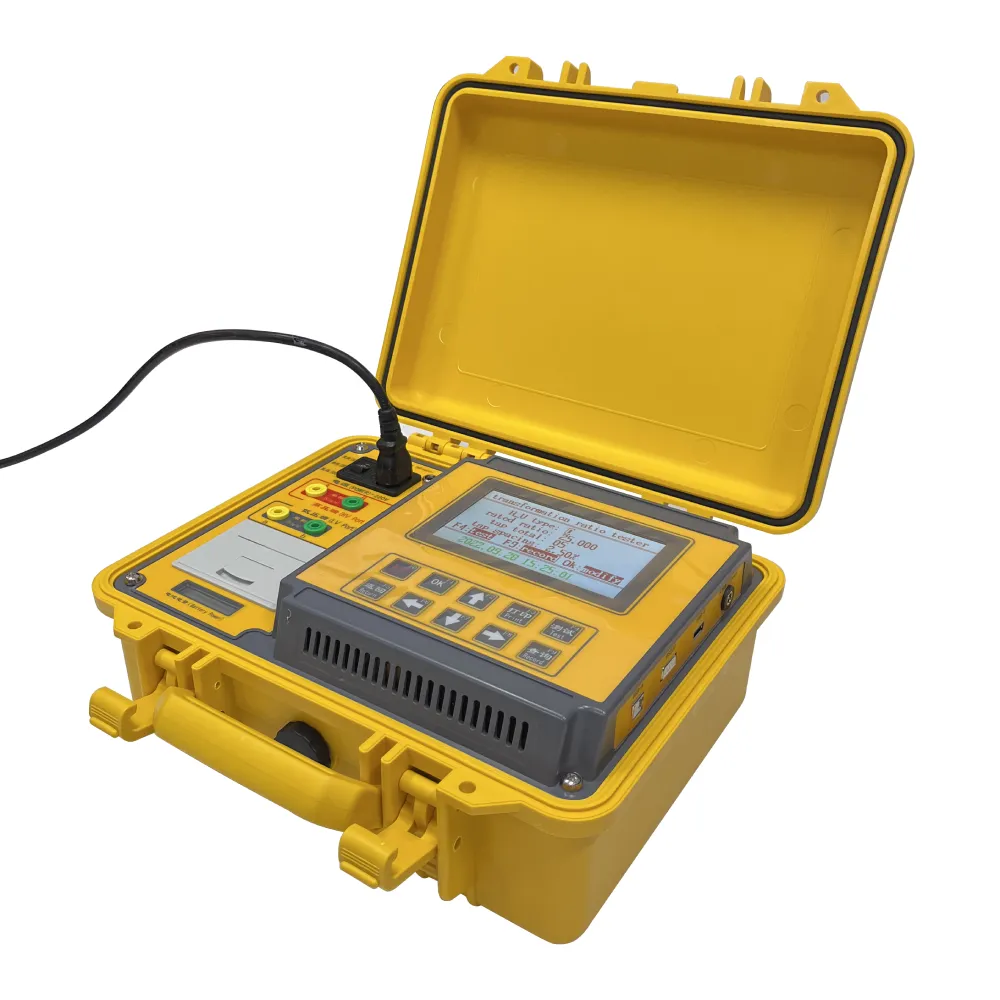
In addition to these tests, oil test equipment is also pivotal in routine monitoring during the oil production and refining process
. By consistently analyzing samples, operators can detect deviations in product quality and take timely action, thus minimizing waste and preventing potential failures in machinery or during transportation. This continuous monitoring is essential for maintaining efficiency and safety standards.The technological advancement in oil test equipment has led to the development of portable and automated testing devices. These innovations enable on-site testing, which saves time and reduces the need for samples to be sent to labs for analysis. Field-testing capabilities enhance the responsiveness of operators to detect issues as they arise, ensuring that any discrepancies are addressed immediately.
As environmental concerns escalate, the role of oil test equipment becomes even more critical. Ensuring that oil products meet environmental regulations not only safeguards public health but also helps companies avoid hefty fines and reputational damage. Thus, investing in high-quality oil test equipment is not just a matter of compliance, but also a strategic business decision.
In conclusion, oil test equipment is an integral component of the petroleum industry, responsible for ensuring the quality and safety of oil products. By understanding and employing the right testing methodologies and technologies, businesses can enhance their operational efficiency, maintain product integrity, and adhere to regulations. As the industry continues to evolve, the importance of reliable and accurate oil testing will remain a cornerstone of safe and efficient oil production and usage.
-
Find the Best Loop Impedance Tester for Sale and Ensure Electrical SafetyNewsMar.31,2026
-
Comprehensive Guide to Loop Impedance Meter for Electrical SafetyNewsMar.28,2026
-
Understanding and Choosing a Line Impedance Tester for Optimal Network PerformanceNewsMar.26,2026
-
Comprehensive Guide to Line Earth Loop Impedance Test for Electrical SafetyNewsMar.24,2026
-
Comprehensive Guide to Fault Loop Impedance Meter and Electrical SafetyNewsMar.21,2026
-
Comprehensive Guide to External Loop Impedance Test for Electrical SafetyNewsMar.19,2026


