 English



Comprehensive Guide to Ground Impedance Testers for Electrical System Safety
Understanding Ground Impedance Testers: A Comprehensive Guide
Ground impedance is a critical factor in ensuring the safety and effectiveness of electrical systems. High ground impedance can lead to dangerous voltages, ineffective grounding, and potential equipment failure. A ground impedance tester is an essential tool for verifying the integrity of grounding connections. This article will delve into the importance of ground impedance testing, the types of testers available, applications across various industries, and how to choose the right tester for your needs. Protecting your systems and personnel starts with accurate ground impedance measurements.
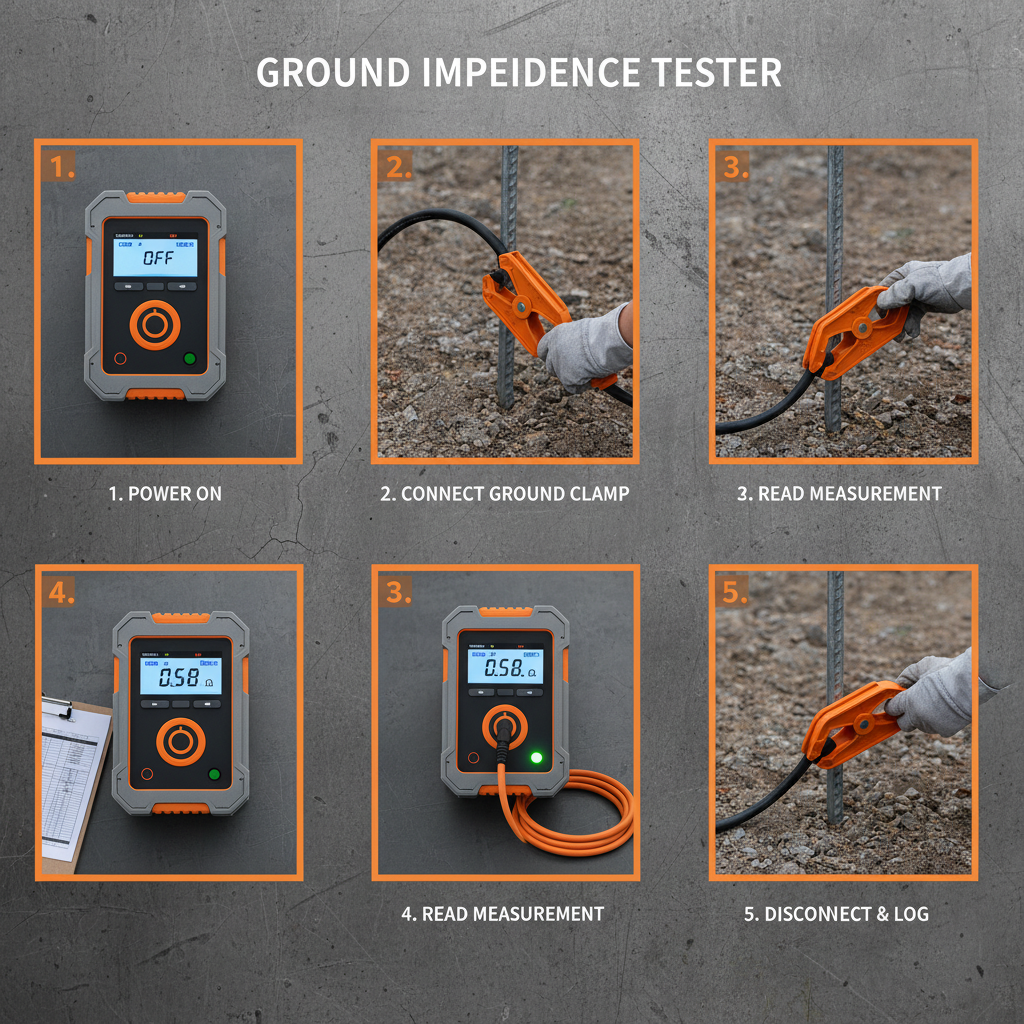
Why is Ground Impedance Testing Important?
Ground impedance testing verifies the effectiveness of the path to ground in an electrical system. Low impedance is desirable, ensuring that fault currents can safely return to the source, activating protective devices like circuit breakers and fuses. High impedance can cause voltage to build up on equipment enclosures, creating a shock hazard. Regular testing is crucial for maintaining safety standards, complying with regulations, and preventing costly downtime. It also helps identify corrosion, loose connections, or other issues that degrade the grounding system’s performance. A faulty grounding system not only poses a safety risk but can also interfere with sensitive electronic equipment.
Key Benefits: Ensures safety, prevents equipment damage, complies with regulations, and minimizes downtime.
Types of Ground Impedance Testers
Several types of ground impedance testers are available, each suited for different applications. The most common include:
- Fall-of-Potential Testers: These are traditional testers that measure the voltage drop across the grounding electrode, providing a calculation of impedance.
- Clamp-On Testers: Offer a non-destructive method of measurement by clamping around the grounding conductor. They are convenient for quick checks.
- Selective Testers: Designed to isolate and test individual grounding electrodes in a network, identifying problematic connections.
- Multi-Function Testers: Combine ground impedance testing with other functions like earth resistance, continuity, and loop impedance testing.
Tester Comparison:
• Fall-of-Potential: Accurate but requires disconnecting the ground.
• Clamp-On: Non-destructive, quick, but less accurate.
• Selective: Isolates individual electrodes for detailed analysis.
• Multi-Function: Versatile, combining multiple tests into one instrument.
Applications Across Industries: Where Ground Impedance Testing Matters
Ground impedance testing is critical in various industries. In the telecommunications sector, it ensures the reliability of equipment and protects against damage from lightning strikes. In the power industry, it safeguards personnel and prevents power outages. Data centers rely on low ground impedance to protect sensitive servers and data. Industrial facilities use it to maintain the safety of equipment and workers. Residential and commercial buildings also benefit from regular testing to ensure electrical safety. Essentially, any application involving electrical systems requires attention to ground impedance.
Choosing the Right Ground Impedance Tester
Selecting the appropriate tester depends on your specific needs. Consider the type of grounding system, the required accuracy, and the frequency of testing. Clamp-on testers are ideal for quick surveys, while fall-of-potential and selective testers offer greater accuracy for detailed assessments. Look for features like automatic test sequences, data logging, and user-friendly interfaces. It’s also important to choose a tester that complies with relevant safety standards. The Push Tester range offers a variety of solutions to meet diverse testing requirements.
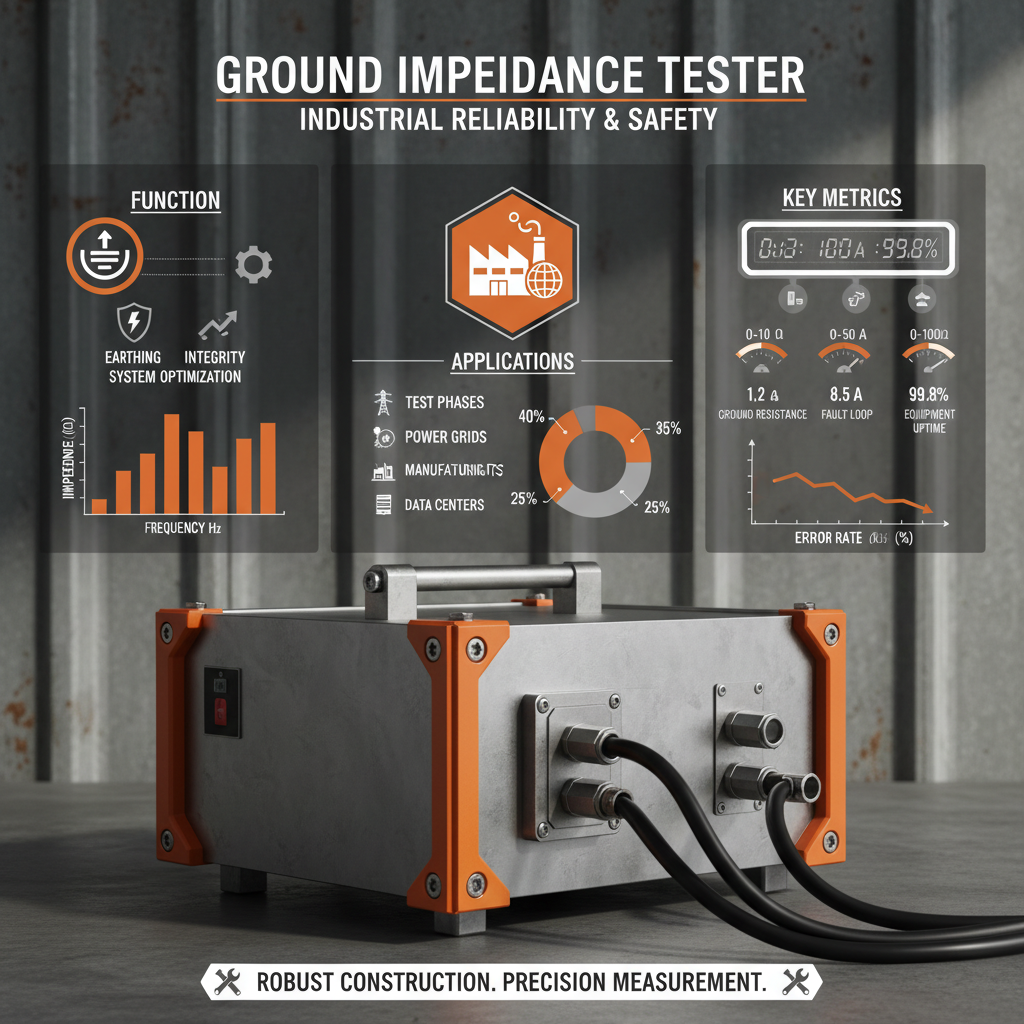
Ground Impedance Tester Specifications: A Quick Reference
Here's a brief overview of key specifications to consider when selecting a ground impedance tester:
Conclusion: Prioritizing Safety with Accurate Ground Impedance Testing
Regular ground impedance testing is a fundamental aspect of electrical safety. By investing in a reliable ground impedance tester and implementing a consistent testing program, you can protect personnel, prevent equipment damage, and ensure the integrity of your electrical systems. Don't compromise on safety – prioritize accurate measurements and proactive maintenance.
Frequently Asked Questions (FAQs)
What is considered a safe ground impedance value?
A safe ground impedance value depends on the application and relevant regulations. However, generally, a ground impedance of 5 ohms or less is considered acceptable for most applications. Lower values are preferable as they provide a more effective path to ground. Values exceeding 5 ohms should be investigated and corrected. It's essential to consult local electrical codes and standards for specific requirements. Factors like soil resistivity and grounding electrode type also influence acceptable values.
How often should ground impedance testing be performed?
The frequency of ground impedance testing depends on the environment and application. As a general guideline, testing should be performed at least annually, or more frequently in harsh environments or critical applications. New installations should be tested before being put into service. Additionally, testing should be conducted after any modifications to the grounding system or following a lightning strike. Regular testing helps identify potential problems before they lead to safety hazards or equipment failures.
Can ground impedance be affected by weather conditions?
Yes, weather conditions can significantly impact ground impedance. Moisture content in the soil affects its conductivity, reducing impedance during wet periods and increasing it during dry periods. Temperature can also influence soil resistivity. Seasonal variations and rainfall patterns should be considered when interpreting test results. Consistent testing throughout the year provides a more accurate picture of ground impedance performance.
-
Find the Best Loop Impedance Tester for Sale and Ensure Electrical SafetyNewsMar.31,2026
-
Comprehensive Guide to Loop Impedance Meter for Electrical SafetyNewsMar.28,2026
-
Understanding and Choosing a Line Impedance Tester for Optimal Network PerformanceNewsMar.26,2026
-
Comprehensive Guide to Line Earth Loop Impedance Test for Electrical SafetyNewsMar.24,2026
-
Comprehensive Guide to Fault Loop Impedance Meter and Electrical SafetyNewsMar.21,2026
-
Comprehensive Guide to External Loop Impedance Test for Electrical SafetyNewsMar.19,2026


