TEL:
+86-0312-3189593
 Chirungu


Runhare:0312-3189593

Email:sales@oil-tester.com
-
 Afrikaans
 -
 Albanian
 -
 Amharic
 -
 Arabic
 -
 Armenian
 -
 Azerbaijani
 -
 Basque
 -
 Belarusian
 -
 Bengali
 -
 Bosnian
 -
 Bulgarian
 -
 Catalan
 -
 Cebuano
 -
 China
China -
 China (Taiwan)
 -
 Corsican
 -
 Croatian
 -
 Czech
Czech -
 Danish
 -
 Dutch
Dutch -
 English
 -
 Esperanto
 -
 Estonian
 -
 Finnish
 -
 French
 -
 Frisian
 -
 Galician
 -
 Georgian
 -
 German
 -
 Greek
Greek -
 Gujarati
 -
 Haitian Creole
 -
 hausa
hausa -
 hawaiian
 -
 Hebrew
 -
 Hindi
Hindi -
 Miao
Miao -
 Hungarian
 -
 Icelandic
 -
 igbo
igbo -
 Indonesian
 -
 irish
irish -
 Italian
 -
 Japanese
 -
 Javanese
 -
 Kannada
 -
 kazakh
 -
 Khmer
Khmer -
 Rwandese
 -
 Korean
 -
 Kurdish
 -
 Kyrgyz
 -
 Lao
Lao -
 Latin
Latin -
 Latvian
 -
 Lithuanian
 -
 Luxembourgish
 -
 Macedonian
 -
 Malgashi
 -
 Malay
Malay -
 Malayalam
 -
 Maltese
 -
 Maori
Maori -
 Marathi
 -
 Mongolian
 -
 Myanmar
 -
 Nepali
 -
 Norwegian
 -
 Norwegian
 -
 Occitan
 -
 Pashto
 -
 Persian
 -
 Polish
 -
 Portuguese
 -
 Punjabi
 -
 Romanian
 -
 Russian
 -
 Samoan
 -
 Scottish Gaelic
 -
 Serbian
 -
 Sesotho
 -
 Shona
Shona -
 Sindhi
 -
 Sinhala
 -
 Slovak
 -
 Slovenian
 -
 Somali
 -
 Spanish
 -
 Sundanese
 -
 Swahili
 -
 Swedish
 -
 Tagalog
 -
 Tajik
Tajik -
 Tamil
Tamil -
 Tatar
Tatar -
 Telugu
 -
 Thai
Thai -
 Turkish
 -
 Turkmen
 -
 Ukrainian
 -
 Urdu
Urdu -
 Uighur
 -
 Uzbek
Uzbek -
 Vietnamese
 -
 Welsh
Welsh -
 Bantu
Bantu -
 Yiddish
 -
 Yoruba
 -
 Zulu
Zulu
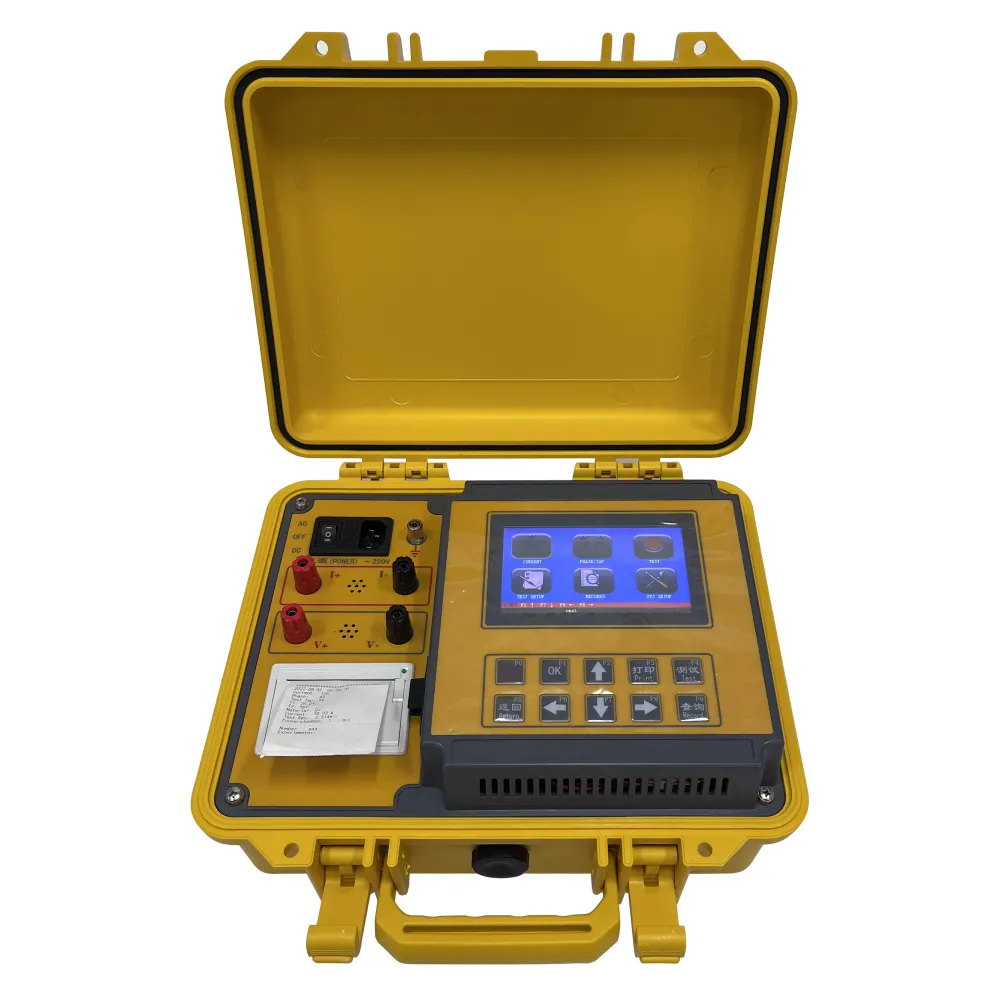
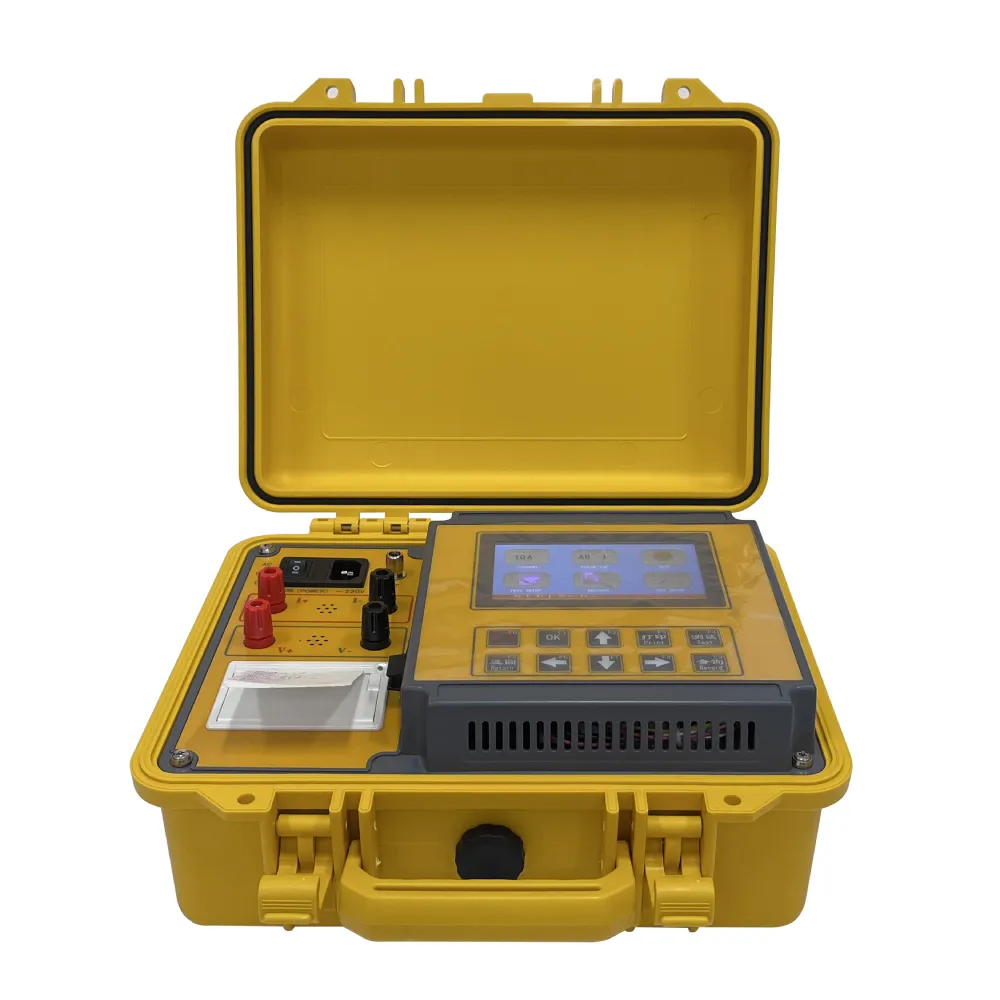
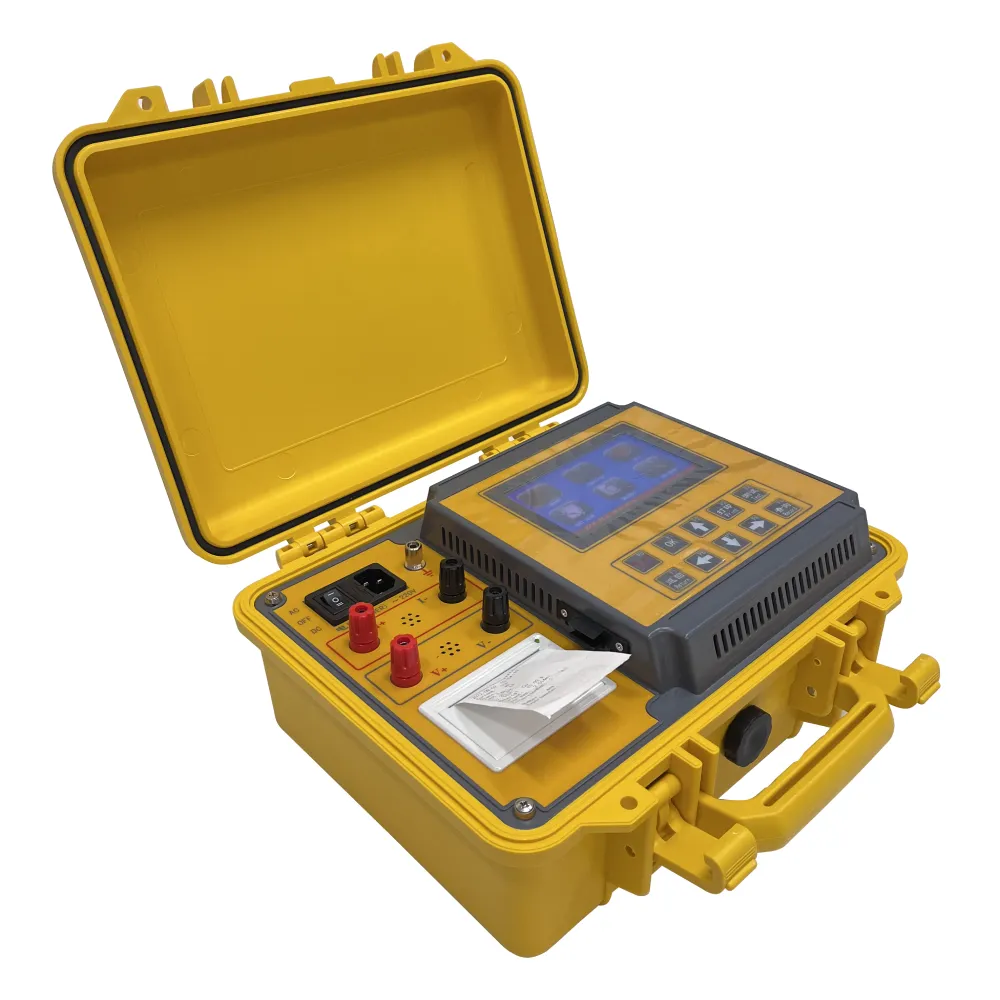
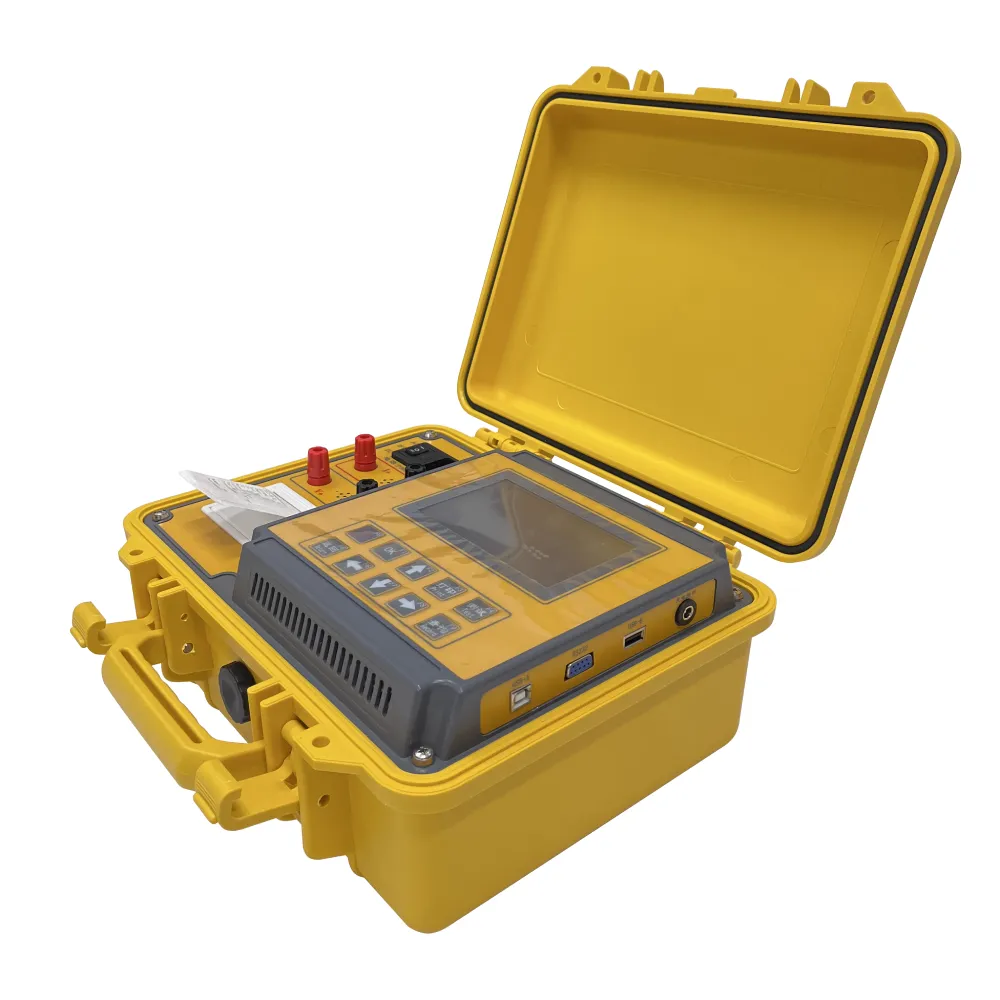
Product Selling Point Sumo
- 1.Muchina wose unotungamirirwa ne-high-speed single chip microcomputer, ine dhigirii yepamusoro ye automation uye kushanda nyore.
2.Iyo tekinoroji nyowani yemagetsi inogamuchirwa, ine magiya mazhinji ezvino uye yakakura kuyerwa kwechiyero. Ikozvino bvunzo inogona kusarudzwa otomatiki zvichienderana nemutoro.
3.480 * 270 yechokwadi ruvara LCD touch screen, yakajeka kuratidza pasi pechiedza chakasimba, mbiri-chinangwa chekubata skrini / kiyi.
4.RS232 uye USB interface, inogona kutaurirana nekombiyuta (inosarudza) uye U disk kuchengetedza.
5.Iyo basa rekudzivirira rakakwana, iro rinogona kuchengetedza zvakavimbika kukanganisa kweEMF kumashure pane chiridzwa, uye kushanda kunonyanya kuvimbika.
6.Ne discharge inonzwika alarm uye skrini inokurumidza, chiratidzo chekubuda chakajeka kuderedza misoperation.
7.Kukurumidza kupindura kunokurumidza, data yekuyera yakagadzikana, uye data inozorodzwa pakarepo panguva yekuedza.
8.Intelligent simba rekugadzirisa teknolojia inogona kunyatsoderedza kupisa kwemukati kwechiridzwa uye kuchengetedza simba.
9.Non simba pasi wachi uye isina simba pasi ndangariro inogona kuchengetedza zvachose data.
Product Parameter
|
Output current |
otomatiki, 10A, 5A, 1A, 200mA, 40mA, <5mA |
|
Kugadzirisa simba |
0.1μΩ |
|
Range (kusanganisira mutsara) |
100Ω~100kΩ (<5mA Giya) |
|
|
0.3Ω~500Ω (40mA Giya) |
|
|
0.1Ω~100Ω (200mA Gear) |
|
|
0.06Ω~20Ω (1A Gear) |
|
|
0.03Ω~3.2Ω (5A Giya) |
|
|
0~1.6Ω (10A Giya) |
|
|
0~100KΩ (otomatiki) |
|
Kururama |
0.2% ± 2 nhamba |
|
kushanda tembiricha |
-10℃40℃ |
|
Kushanda humidity |
<80% RH, Hapana condensation |
ct winding resistance test
dc dielectric test
dc insulation resistance test
dc resistance tester
dc winding resistance
dc winding resistance test
dc winding resistance tester
test transformer windings
winding resistance meter
winding resistance tester
winding test of transformer
Nyora meseji yako pano uye titumire kwatiri
Related News
-
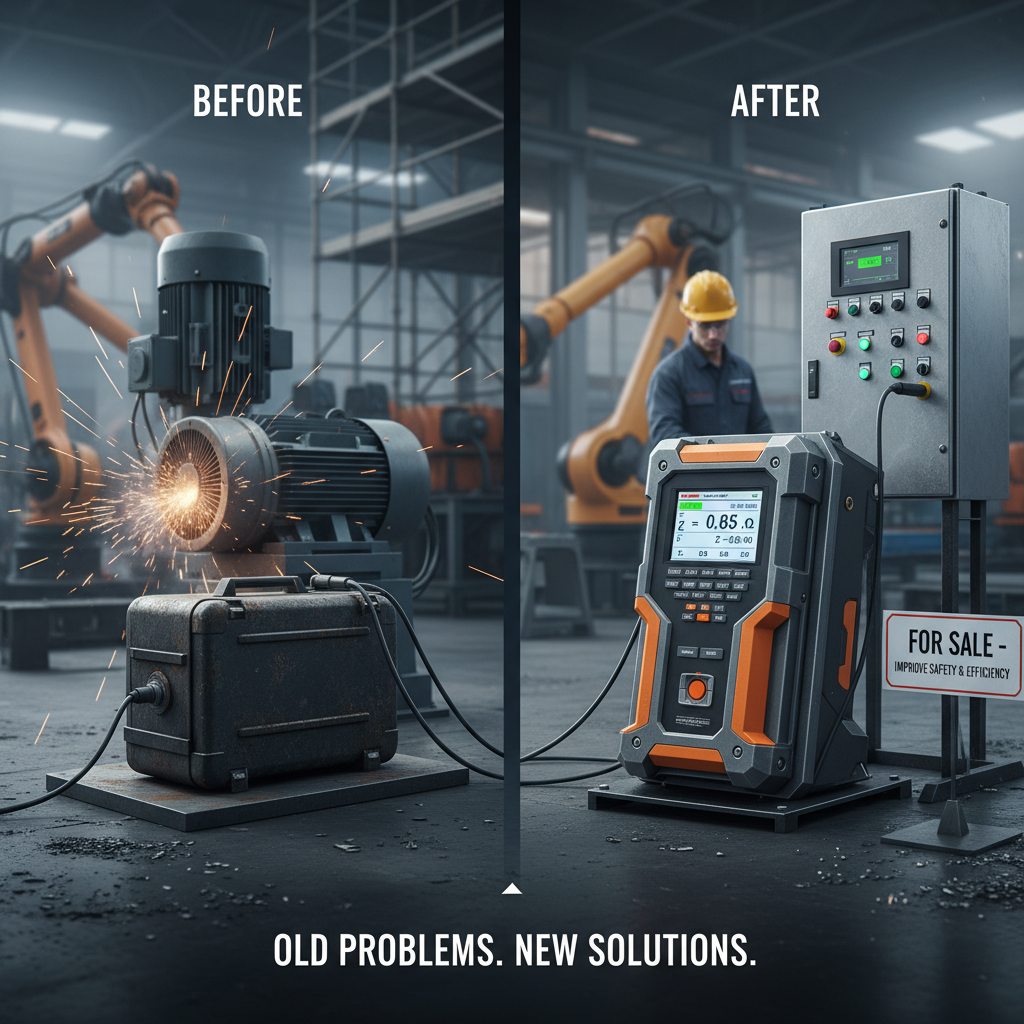 Find the Best Loop Impedance Tester for Sale and Ensure Electrical SafetyWhen ensuring electrical safety, accurate loop impedance testing is crucial. Whether you’re an electrician, a facilities manager, or a safety inspector, having a reliable loop impedance tester for sale is essential. This article will guide you through the key considerations when purchasing a loop impedance tester, explore the different types available, and highlight the benefits of choosing a high-quality instrument. Understanding the nuances of these testers will help you make an informed decision and ensure compliance with safety regulations.Detail
 -
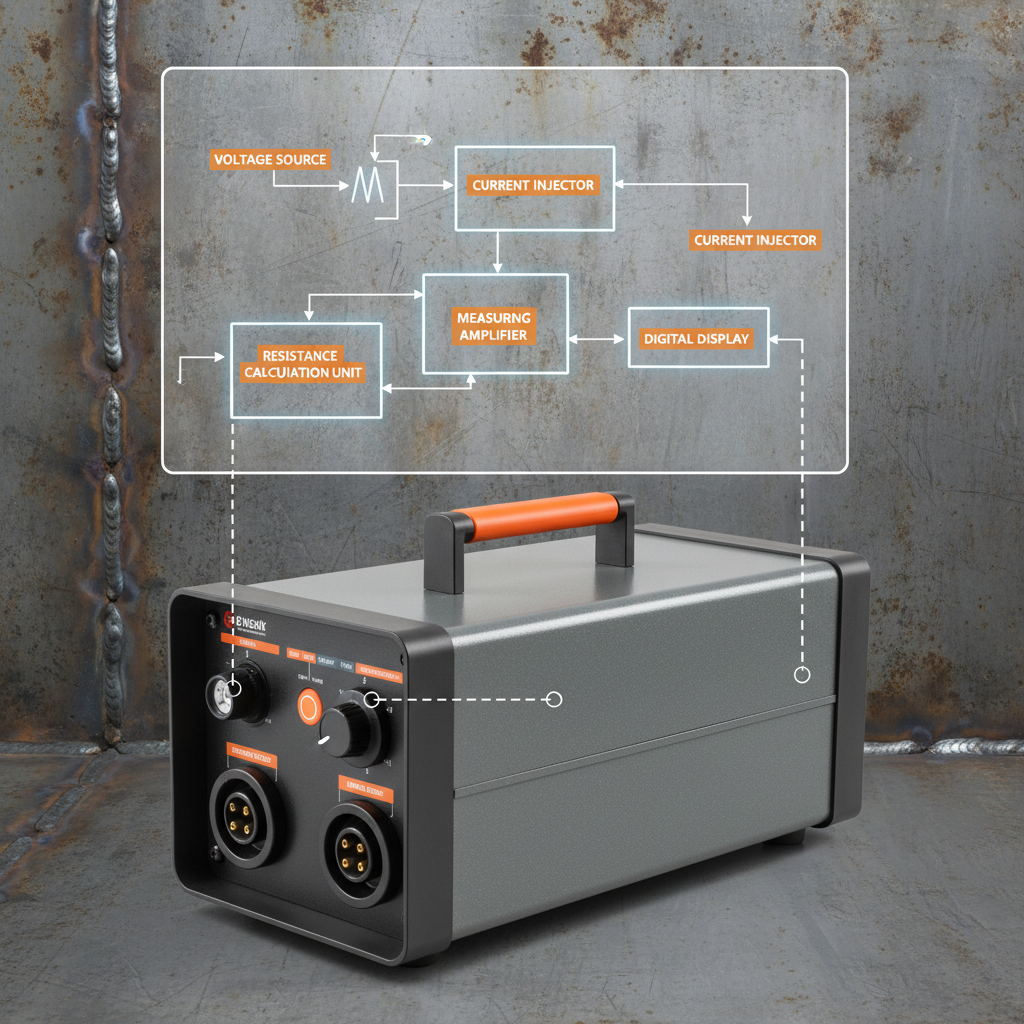 Comprehensive Guide to Loop Impedance Meter for Electrical SafetyEnsuring electrical safety is paramount in any installation, and a loop impedance meter is a crucial tool for achieving this. This device measures the total impedance of the earth fault loop, helping to verify that protective devices will operate correctly under fault conditions. In this article, we'll explore what a loop impedance meter is, how it works, its applications, factors influencing measurements, choosing the right meter, and the importance of regular testing. Investing in a quality meter from Push Tester is a step towards safer electrical systems.Detail
 -
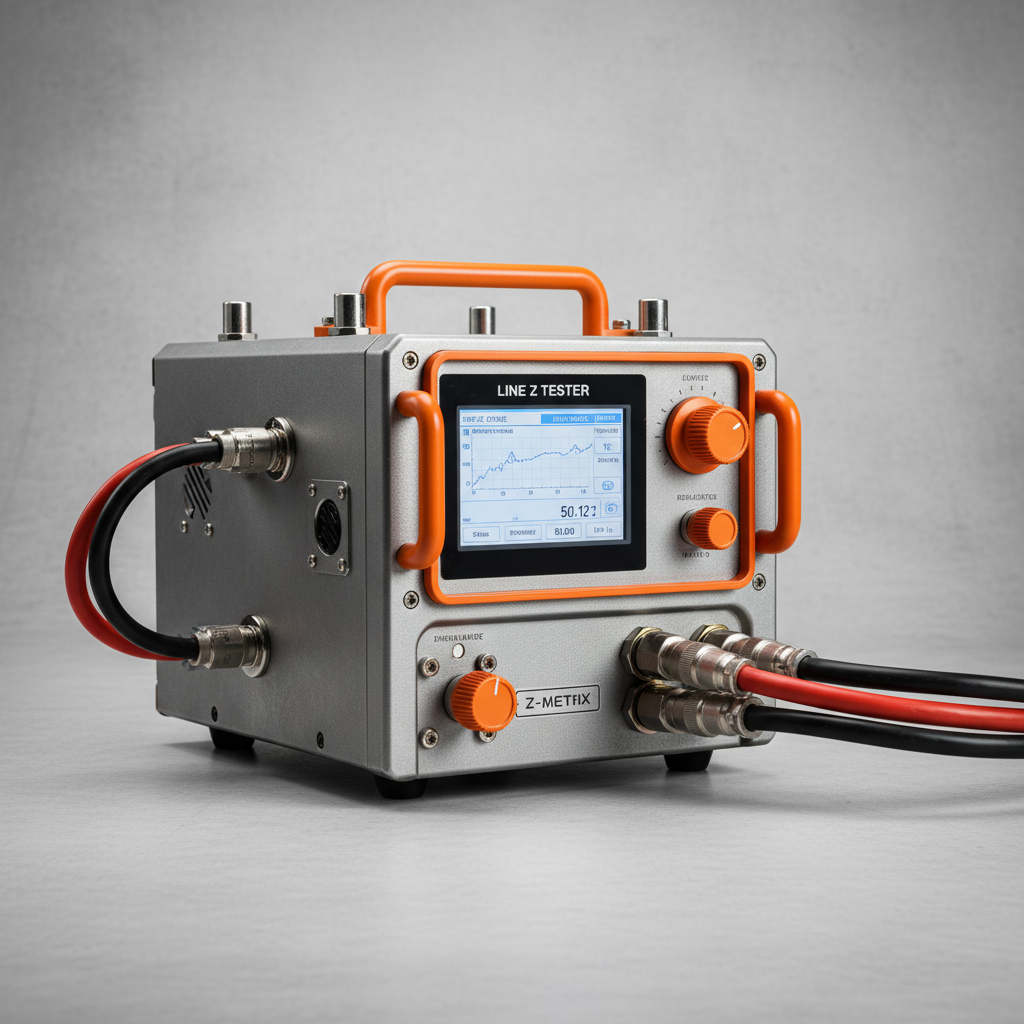 Understanding and Choosing a Line Impedance Tester for Optimal Network PerformanceIn the realm of telecommunications and electrical engineering, maintaining the integrity of transmission lines is paramount. A line impedance tester is a crucial instrument for ensuring optimal signal transmission and preventing costly network disruptions. This article delves into the world of line impedance testing, exploring its importance, applications, types of testers, and what to look for when making a purchase. Ensuring accurate impedance measurements is essential for efficient and reliable network performance. Choosing the right tester can significantly impact troubleshooting speed and the overall quality of your infrastructure. A line impedance tester, also known as a cable impedance analyzer, is a device used to measure the characteristic impedance of coaxial cables, twisted pair cables, and other transmission lines. Impedance, measured in ohms, represents the opposition to the flow of alternating current. Maintaining the correct impedance (typically 50 or 75 ohms) is vital for minimizing signal reflections, ensuring efficient power transfer, and preventing signal degradation. Mismatched impedance can lead to signal loss, ghosting, and reduced network performance. Regular testing helps identify faults and maintain network integrity.Detail


