 Senyesemane



-
 Afrikaans
 -
 Albanian
 -
 Amharic
 -
 Arabic
 -
 Armenian
 -
 Azerbaijani
 -
 Basque
 -
 Belarusian
 -
 Bengali
 -
 Bosnian
 -
 Bulgarian
 -
 Catalan
 -
 Cebuano
 -
 China
China -
 China (Taiwan)
 -
 Corsican
 -
 Croatian
 -
 Czech
Czech -
 Danish
 -
 Dutch
Dutch -
 English
 -
 Esperanto
 -
 Estonian
 -
 Finnish
 -
 French
 -
 Frisian
 -
 Galician
 -
 Georgian
 -
 German
 -
 Greek
Greek -
 Gujarati
 -
 Haitian Creole
 -
 hausa
hausa -
 hawaiian
 -
 Hebrew
 -
 Hindi
Hindi -
 Miao
Miao -
 Hungarian
 -
 Icelandic
 -
 igbo
igbo -
 Indonesian
 -
 irish
irish -
 Italian
 -
 Japanese
 -
 Javanese
 -
 Kannada
 -
 kazakh
 -
 Khmer
Khmer -
 Rwandese
 -
 Korean
 -
 Kurdish
 -
 Kyrgyz
 -
 Lao
Lao -
 Latin
Latin -
 Latvian
 -
 Lithuanian
 -
 Luxembourgish
 -
 Macedonian
 -
 Malgashi
 -
 Malay
Malay -
 Malayalam
 -
 Maltese
 -
 Maori
Maori -
 Marathi
 -
 Mongolian
 -
 Myanmar
 -
 Nepali
 -
 Norwegian
 -
 Norwegian
 -
 Occitan
 -
 Pashto
 -
 Persian
 -
 Polish
 -
 Portuguese
 -
 Punjabi
 -
 Romanian
 -
 Russian
 -
 Samoan
 -
 Scottish Gaelic
 -
 Serbian
 -
 Sesotho
 -
 Shona
Shona -
 Sindhi
 -
 Sinhala
 -
 Slovak
 -
 Slovenian
 -
 Somali
 -
 Spanish
 -
 Sundanese
 -
 Swahili
 -
 Swedish
 -
 Tagalog
 -
 Tajik
Tajik -
 Tamil
Tamil -
 Tatar
Tatar -
 Telugu
 -
 Thai
Thai -
 Turkish
 -
 Turkmen
 -
 Ukrainian
 -
 Urdu
Urdu -
 Uighur
 -
 Uzbek
Uzbek -
 Vietnamese
 -
 Welsh
Welsh -
 Bantu
Bantu -
 Yiddish
 -
 Yoruba
 -
 Zulu
Zulu
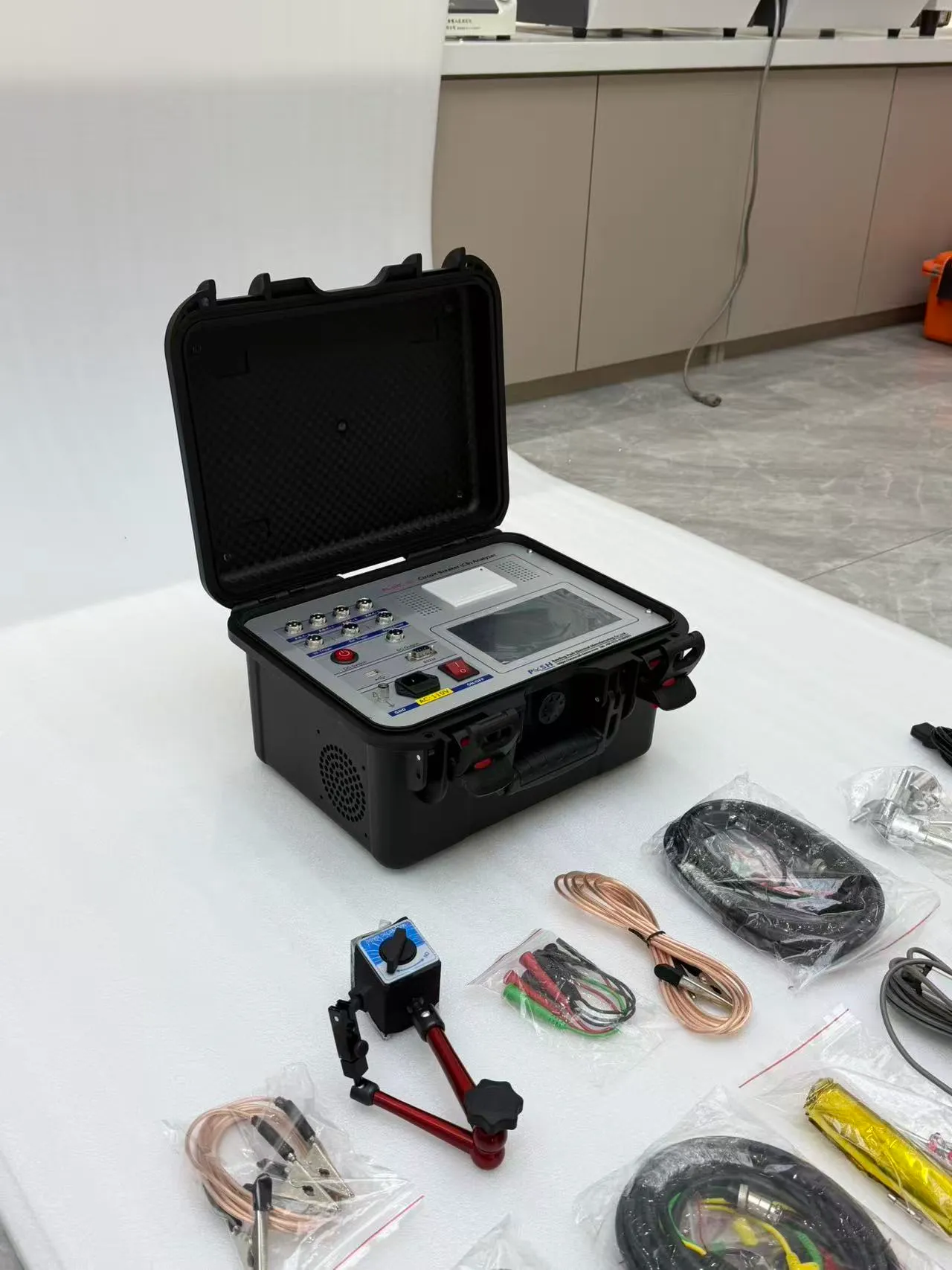
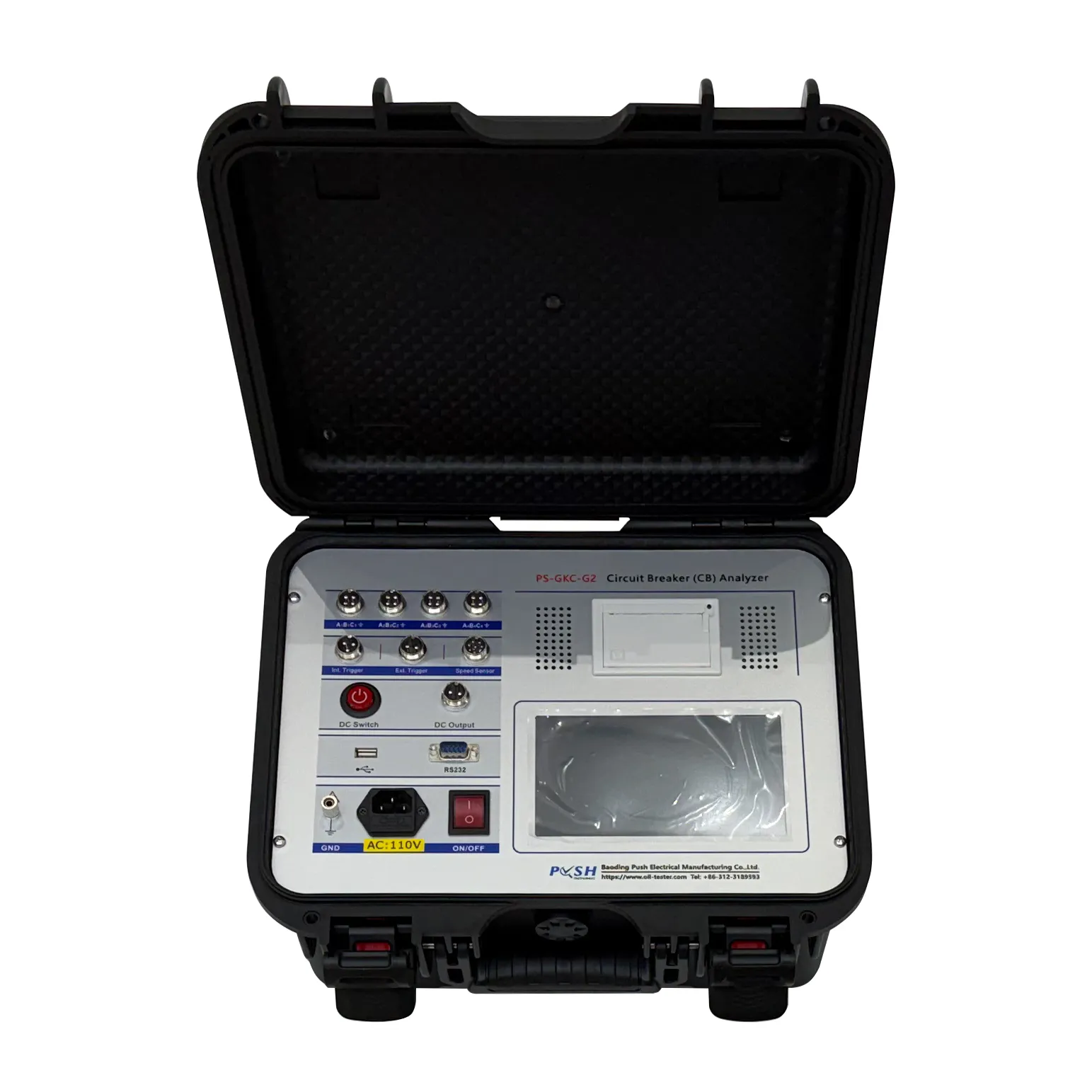
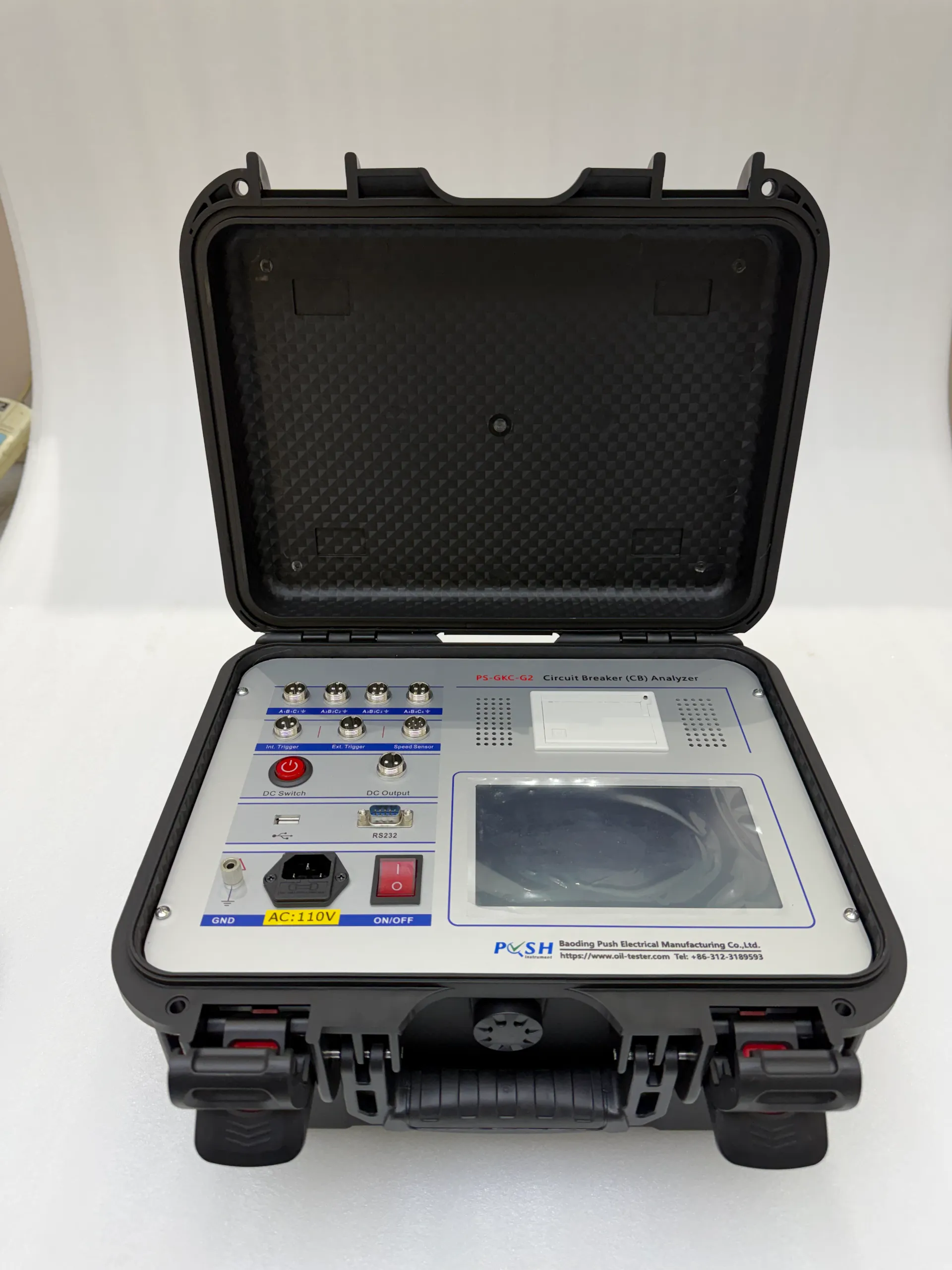
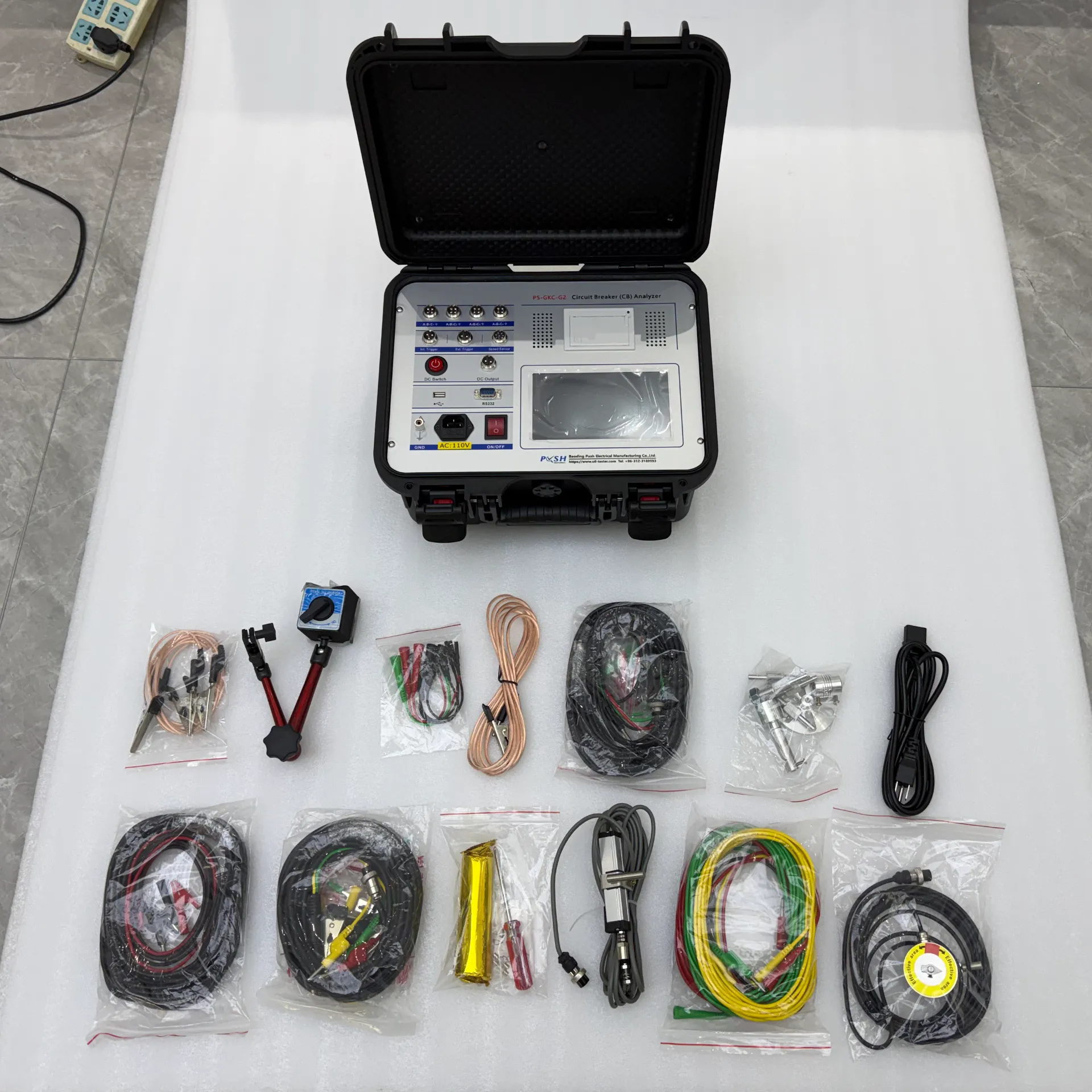
Likaroloana
(1)The integrated internal operating power supply eliminates the need for a secondary power supply on-site, making it convenient and quick to use. It provides an adjustable DC 20-270V power supply with a maximum instantaneous current of 30A. Its unique dual-circuit power supply design allows for testing of closing and opening circuits even if one circuit fails.
(2)Equipped with linear and rotary sensors and dedicated fixed multi-functional connectors, installation is extremely convenient and simple. The linear sensor length can be set arbitrarily from 30-1000mm; only the sensor needs to be installed, and the instrument does not require factory reprogramming.
(3)The main unit can store 100 sets of current test data, and features an internal real-time clock for easy archiving.
(4)Equipped with a USB flash drive interface and an RS232 interface, data can be saved to a USB flash drive and uploaded to a computer for analysis, storage, and printing. The RS232 interface allows for online computer connection (optional).
(5)Internal anti-interference circuitry ensures reliable operation within 500kV substations.
Technical parameters
|
1.Time Measurement: |
12-channel inherent opening (closing) time |
|
Asynchrony within opening (closing) phases |
|
|
Difference in asynchrony between opening (closing) phases (1-99ms) |
|
|
Closing (opening) bounce time (number of bounces) |
|
|
Internal trigger test range: 1ms-10000ms, resolution: 0.01ms |
|
|
External trigger test range: 1ms-10000ms |
|
|
Resolution within 999ms: 0.01ms, 1000-9999ms: 0.1ms, above 10000ms: 1ms. |
|
|
Accuracy within 200ms: 0.05%±0.1ms |
|
|
2.Speed Measurement: |
Speed at initial separation (or engagement) Average speed over a specified time period (stroke or angle segment) |
|
3.Measurement Range: |
Linear sensor: 0.01~20.00m/s, accuracy ±0.1m/s |
|
345° angle sensor: 0.01~20.00m/s, accuracy ±0.1m/s |
|
|
4.Stroke Measurement: |
Stroke ea ho tsamaea (stroke) |
|
Contact stroke (opening distance) |
|
|
Overtravel |
|
|
Overshoot or rebound stroke |
|
|
5.Measurement Range: |
Linear sensor: 50mm, measurement range: 0-50mm, resolution 0.1mm.Optional linear sensor of any length from 100-1000mm. |
|
Rotary sensor: 345° rotary sensor, measurement range: 0-1000mm, resolution 0.08°. Accuracy ± (1%L + 0.2) mm |
|
|
6.Current and Resistance Range: |
Maximum current 20A, resolution: 0.01A; resistance 1000Ω, resolution: 0.01Ω. Accuracy ± 5%. |
|
7.Instrument Power Supply: |
AC 220V ± 10%; 50Hz ± 10% |
|
8.DC Power Output |
DC20~270V continuously adjustable, instantaneous maximum current 30A, power 3300W. |
|
9.External trigger voltage: |
AC/DC 10-300V, current ≤120A |
|
10.Measurement range of disconnecting switch or energy storage circuit breaker: |
⑴ Voltage output: DC 20~270V (adjustable); |
|
⑵ Power output time: 0.01-10 seconds (adjustable); |
|
|
⑶ Maximum acquisition time of disconnection signal: 10 seconds; |
|
|
⑷ Measurable disconnection closing and opening time, three-phase asynchrony, bounce time and number of times |
|
|
11.Main unit dimensions: |
360×260×170mm |
|
12.Operating environment: |
-20℃~+50℃ |
|
13.Relative humidity: |
≤90% |
-
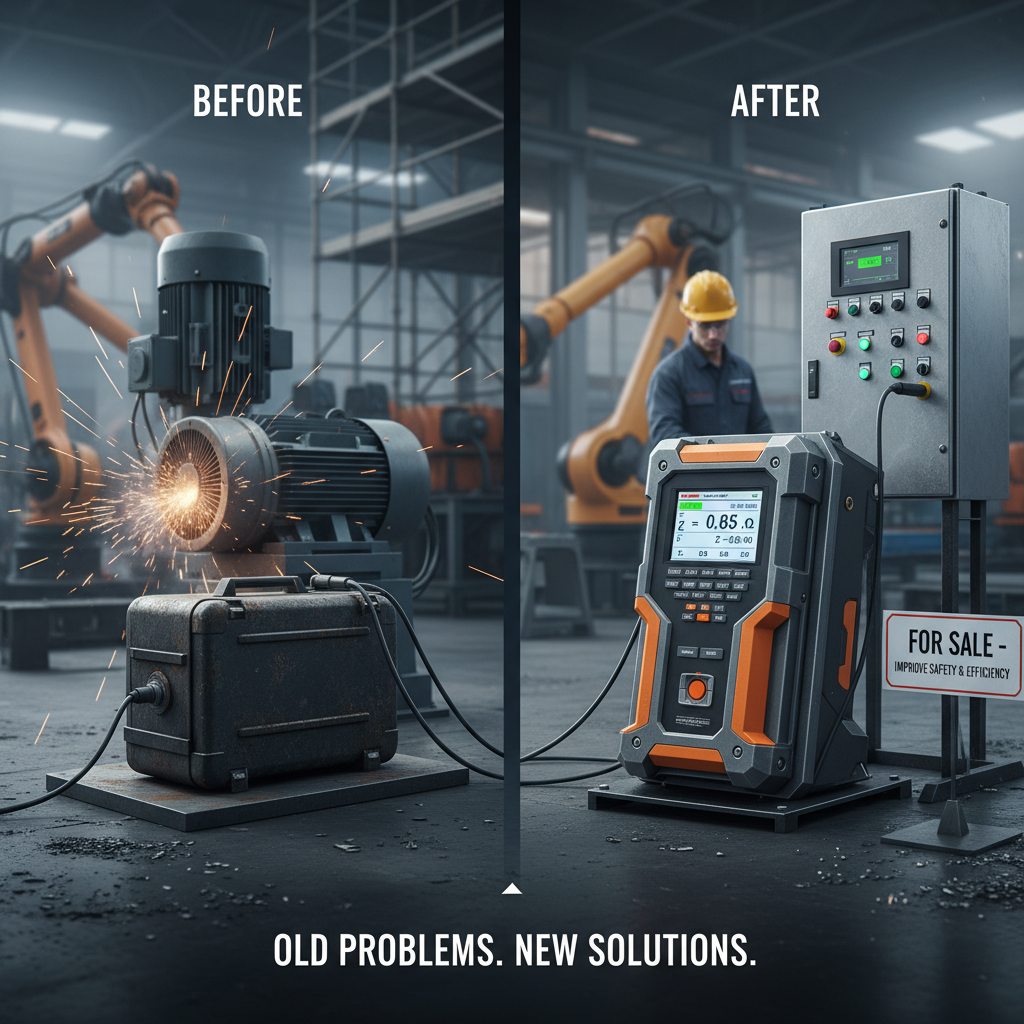 Find the Best Loop Impedance Tester for Sale and Ensure Electrical SafetyWhen ensuring electrical safety, accurate loop impedance testing is crucial. Whether you’re an electrician, a facilities manager, or a safety inspector, having a reliable loop impedance tester for sale is essential. This article will guide you through the key considerations when purchasing a loop impedance tester, explore the different types available, and highlight the benefits of choosing a high-quality instrument. Understanding the nuances of these testers will help you make an informed decision and ensure compliance with safety regulations.Lintlha
 -
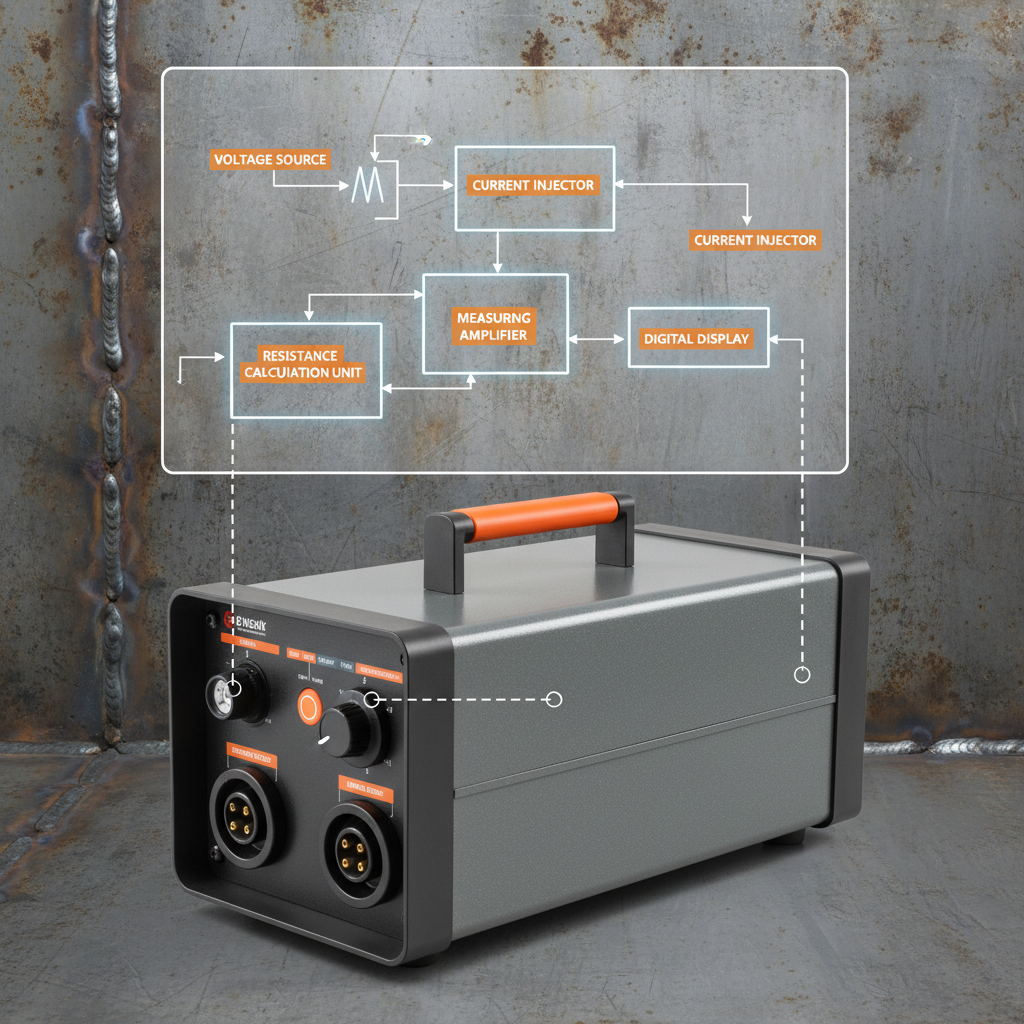 Comprehensive Guide to Loop Impedance Meter for Electrical SafetyEnsuring electrical safety is paramount in any installation, and a loop impedance meter is a crucial tool for achieving this. This device measures the total impedance of the earth fault loop, helping to verify that protective devices will operate correctly under fault conditions. In this article, we'll explore what a loop impedance meter is, how it works, its applications, factors influencing measurements, choosing the right meter, and the importance of regular testing. Investing in a quality meter from Push Tester is a step towards safer electrical systems.Lintlha
 -
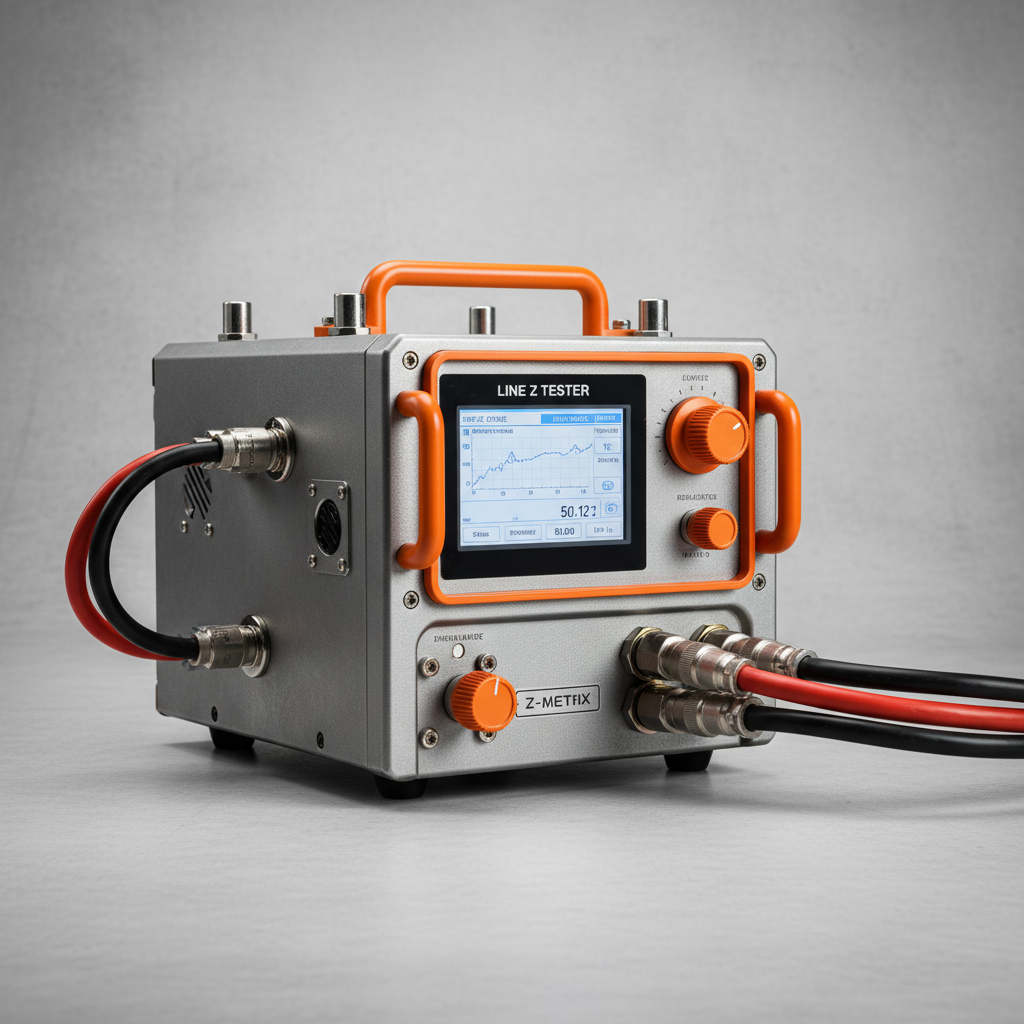 Understanding and Choosing a Line Impedance Tester for Optimal Network PerformanceIn the realm of telecommunications and electrical engineering, maintaining the integrity of transmission lines is paramount. A line impedance tester is a crucial instrument for ensuring optimal signal transmission and preventing costly network disruptions. This article delves into the world of line impedance testing, exploring its importance, applications, types of testers, and what to look for when making a purchase. Ensuring accurate impedance measurements is essential for efficient and reliable network performance. Choosing the right tester can significantly impact troubleshooting speed and the overall quality of your infrastructure. A line impedance tester, also known as a cable impedance analyzer, is a device used to measure the characteristic impedance of coaxial cables, twisted pair cables, and other transmission lines. Impedance, measured in ohms, represents the opposition to the flow of alternating current. Maintaining the correct impedance (typically 50 or 75 ohms) is vital for minimizing signal reflections, ensuring efficient power transfer, and preventing signal degradation. Mismatched impedance can lead to signal loss, ghosting, and reduced network performance. Regular testing helps identify faults and maintain network integrity.Lintlha


