 English



High Voltage DC Insulation Tester & Winding Resistance Meter
Industry Trends and the Critical Role of Advanced Testing Equipment
The modern industrial landscape, characterized by an increasing reliance on robust electrical infrastructure, places paramount importance on the reliability and longevity of electrical assets. Industries such as petrochemicals, metallurgy, power generation, and water supply & drainage are continuously seeking sophisticated methods for predictive maintenance and fault diagnosis. In this context, precise diagnostic tools are indispensable for ensuring operational continuity and safety. The evolution of smart grids and the drive towards energy efficiency necessitate advanced testing methodologies that can accurately assess the condition of critical components like transformers, cables, and rotating machinery.
A core component of this diagnostic toolkit is the dc insulation tester, alongside specialized equipment such as a transformer dc winding resistance tester. These instruments are vital for detecting potential failures before they escalate, thereby preventing costly downtime and catastrophic equipment damage. The industry trend is moving towards higher precision, greater automation, and enhanced safety features in testing equipment, reflecting a commitment to proactive asset management and extended service life for high-value electrical assets.
This focus on preventive maintenance also aligns with global efforts to improve energy efficiency. By identifying and rectifying insulation degradation or winding anomalies early, energy losses due to inefficient operation can be minimized. For instance, a precise dc winding resistance test of transformer windings helps ensure that the transformer operates at its designed efficiency, reducing operational costs and environmental impact. The demand for portable, highly accurate, and user-friendly testing devices, capable of performing comprehensive analyses in diverse field conditions, continues to grow.
Manufacturing Process and Quality Assurance for DC Testers
The reliability and accuracy of a sophisticated testing instrument like a dc insulation tester are direct results of a meticulous manufacturing process and stringent quality control. The creation of such precision equipment involves several critical stages, each contributing to its overall performance and service life, typically exceeding 10-15 years under normal operating conditions.
Process Flow:
- Component Sourcing and Selection: Utilizes high-grade, industrial-grade electronic components (e.g., precision resistors, stable voltage regulators, robust microcontrollers) and durable enclosure materials (e.g., corrosion-resistant aluminum alloys or high-impact, flame-retardant plastics). Emphasis is placed on components with low drift and high temperature stability, crucial for maintaining accuracy in diverse environments.
- PCB Fabrication and Assembly: Multi-layer Printed Circuit Boards (PCBs) are manufactured with precision, often incorporating advanced surface-mount technology (SMT) for compact and reliable circuitry. Automated assembly lines ensure consistent component placement and soldering quality, minimizing human error.
- Power Module Integration: Design and integration of high-voltage DC power supply modules, ensuring stable and ripple-free output for accurate insulation resistance measurements. This involves robust transformers and high-quality rectifiers.
- Enclosure Manufacturing: Chassis and casing components are typically produced through advanced manufacturing techniques such as CNC machining for precise fits and finishes, or injection molding for durable plastic parts. These are designed to be ingress protection (IP) rated, providing resistance against dust and moisture, essential for industrial environments. Materials are chosen for their electromagnetic compatibility (EMC) properties to prevent interference.
- Final Assembly and Wiring: Skilled technicians meticulously assemble the various modules, ensuring secure connections and optimal internal layout for thermal management and signal integrity. Special attention is given to the isolation of high-voltage circuits for enhanced safety.
- Calibration and Testing: Each unit undergoes a rigorous multi-point calibration process against certified reference standards. Extensive functional testing, including environmental stress testing (temperature, humidity), vibration testing, and electromagnetic compatibility (EMC) testing, is performed. Key performance indicators (KPIs) like accuracy, stability, and response time are verified.
- Adherence to Standards: Manufacturing processes strictly comply with international standards such as ISO 9001 for quality management systems. Product-specific testing standards like IEEE C57.12.90 for transformers or IEC 60335 for safety of electrical appliances are also integrated into the testing protocols. The goal is to ensure the equipment meets or exceeds safety and performance benchmarks.
This rigorous approach ensures that the finished equipment, whether it's a dedicated dc winding resistance tester or a versatile high voltage tester 5kv, delivers consistent performance in demanding industries like petrochemical, metallurgy, and power distribution. The focus on robust design and quality materials contributes to energy saving through more reliable asset operation and provides superior corrosion resistance for longevity in harsh environments.
Technical Specifications and Parameters: The PS-ZD20 Advantage
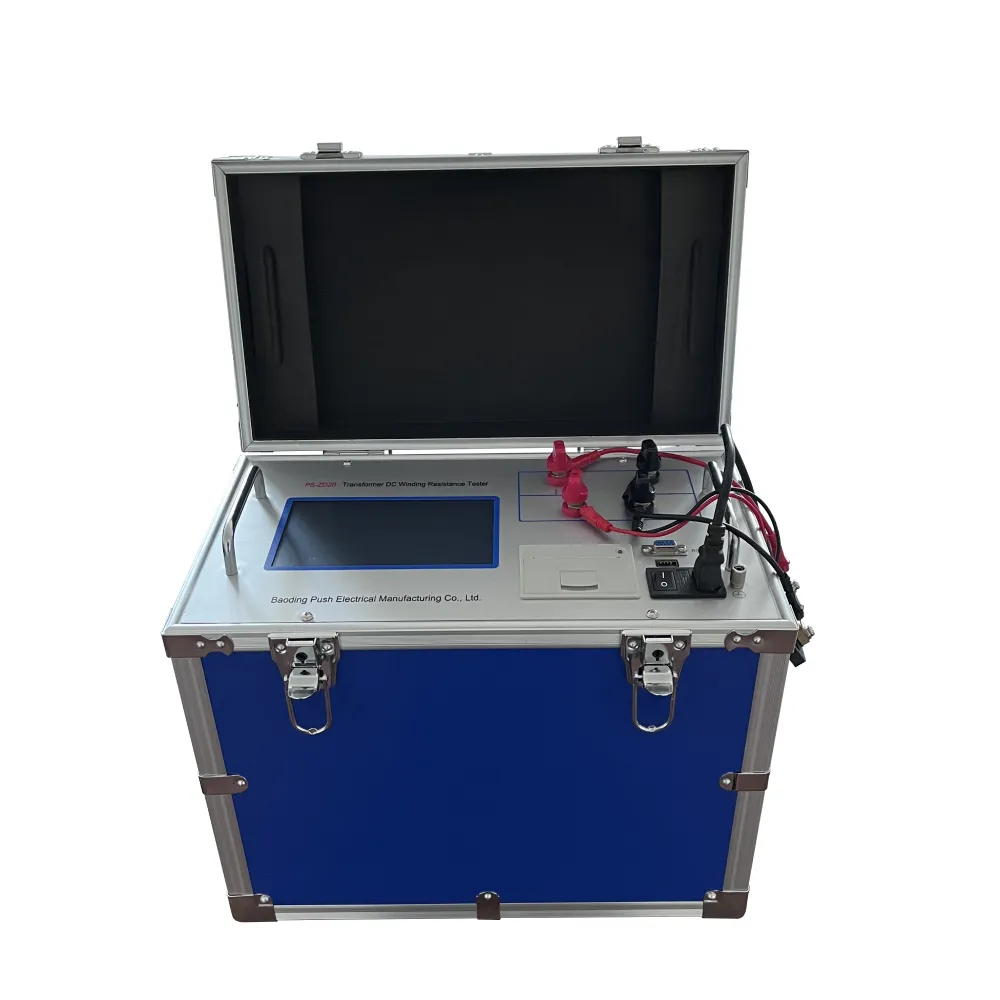
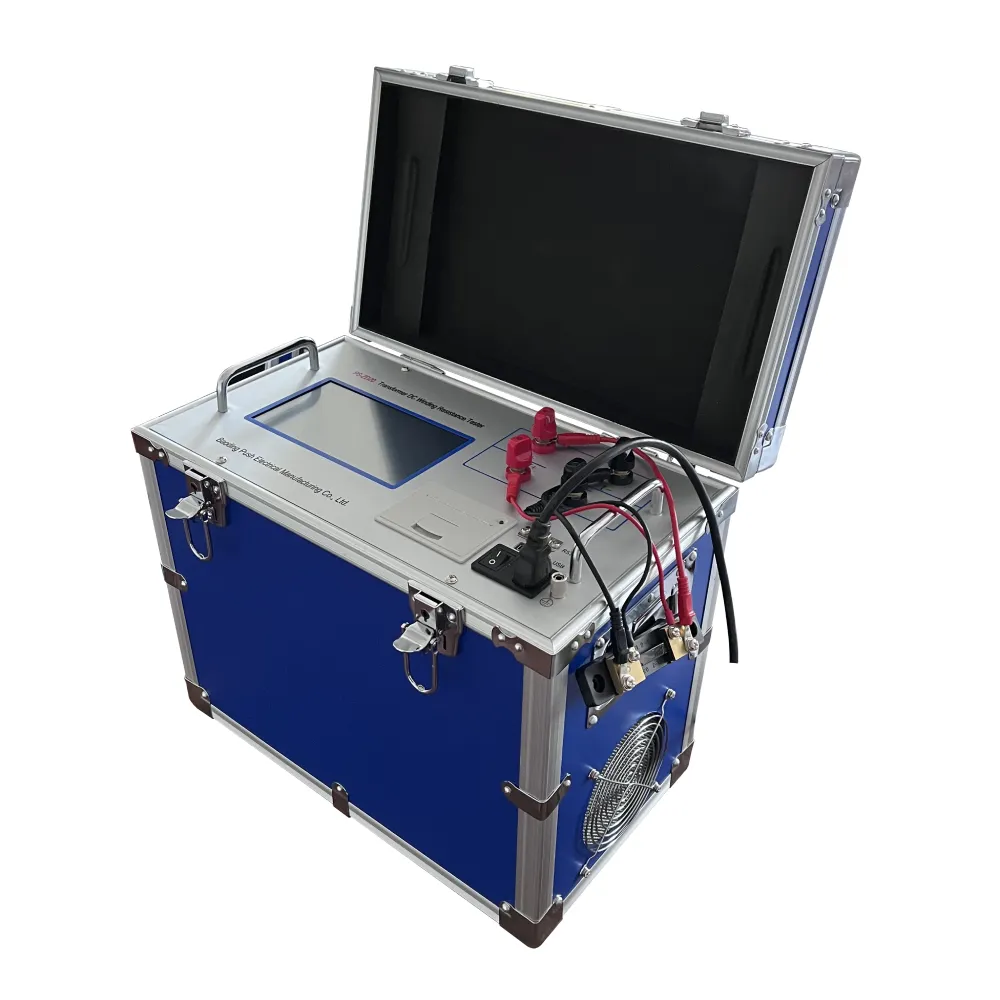
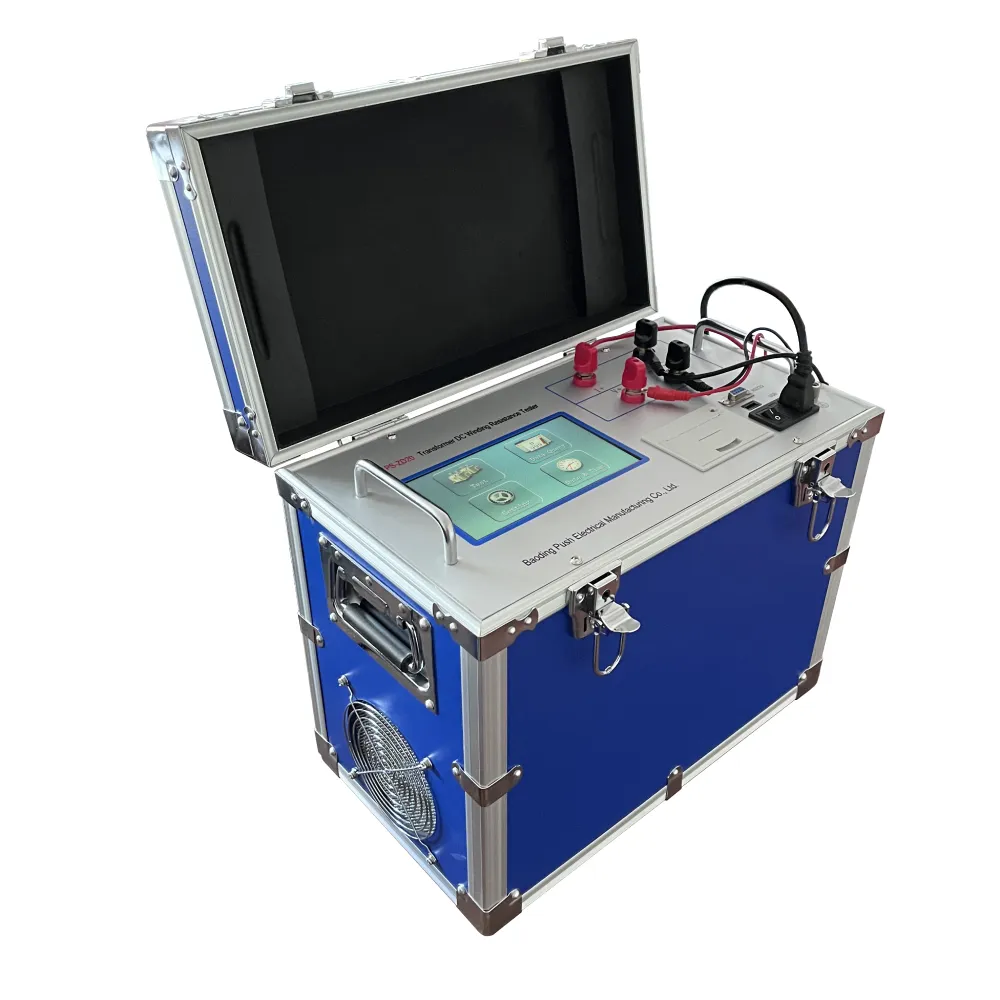
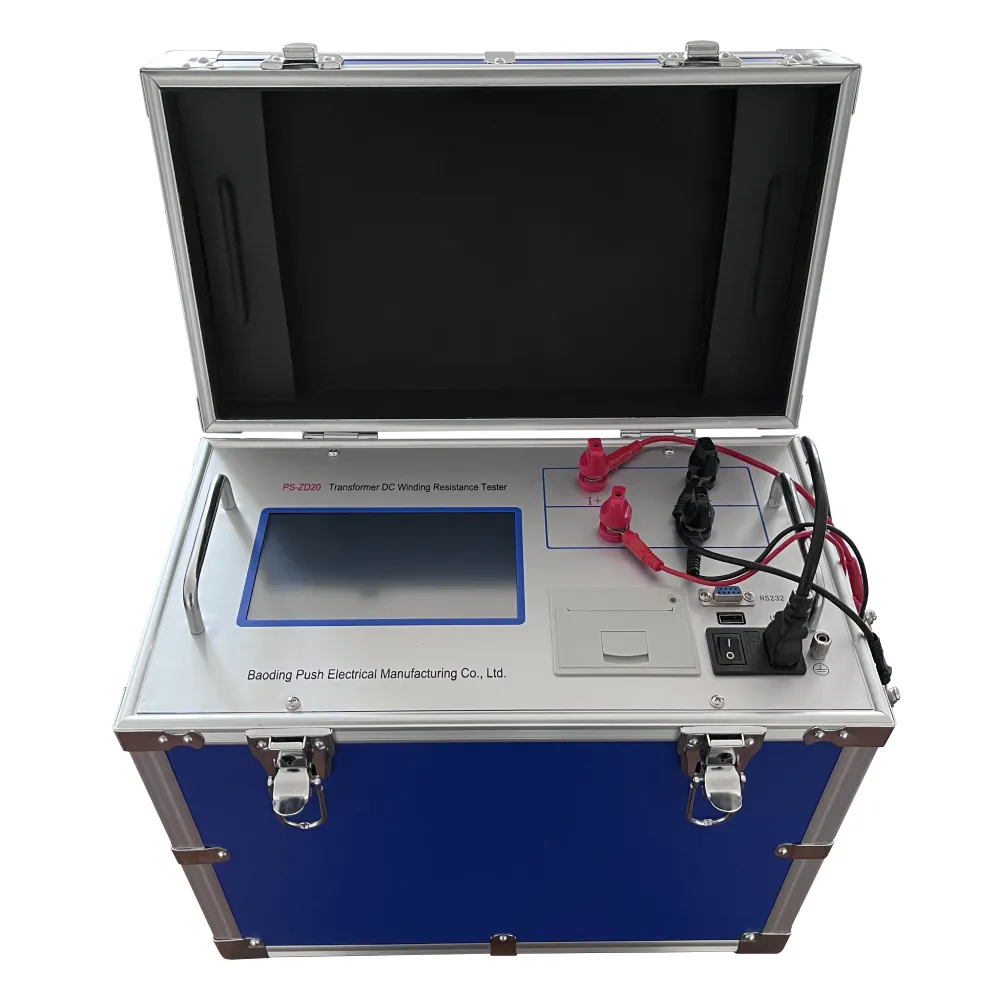
Understanding the intricate parameters of a testing instrument is fundamental for B2B decision-makers and engineers. The PS-ZD20 20A Transformer DC Winding Resistance Tester exemplifies the fusion of advanced technology and practical application, offering unparalleled accuracy and efficiency for critical asset evaluations. This device is specifically engineered to perform precise dc resistance test of transformer windings, which is crucial for assessing the integrity of the winding connections, detecting partial breaks, and evaluating the tap changer's condition.
Product Specification Table: PS-ZD20 20A Transformer DC Winding Resistance Tester
| Parameter | Specification |
|---|---|
| Output Current Range | 5mA - 20A (User selectable) |
| Resistance Measurement Range | 0.1 µΩ - 20 kΩ |
| Accuracy | ±(0.2% Reading + 0.2% Full Scale) |
| Test Method | Four-wire Kelvin method |
| Measurement Channels | Single/Three-phase auto measurement (Y/D connection) |
| Temperature Compensation | Automatic conversion to 75°C (user-defined material/temperature) |
| Discharge Time | Automatic rapid discharge circuit, audible alarm |
| Data Storage | Internal memory, USB interface for external storage |
| Display | Large LCD with backlight |
| Power Supply | AC 220V ±10%, 50Hz/60Hz |
| Operating Temperature | -10°C to 50°C |
| Dimensions/Weight | Compact, portable design / ~10 kg (varies slightly by model) |
The PS-ZD20, functioning as a high-precision dc winding resistance tester, offers features like rapid stabilization and automatic temperature compensation, which are crucial for obtaining consistent and comparable results. The use of the four-wire Kelvin method eliminates lead resistance errors, ensuring that the measured resistance is solely that of the winding itself. This level of detail is paramount for accurate transformer dc winding resistance testing and condition assessment.
Application Scenarios and Technical Advantages
The utility of a specialized dc resistance tester extends across numerous critical electrical applications. Its ability to accurately measure low resistance values makes it an indispensable tool for engineers involved in the installation, commissioning, and maintenance of electrical assets.
Key Application Scenarios:
- Transformer Maintenance: Performing a routine dc winding resistance test of transformer windings to detect loose connections, broken strands, or tap changer defects. This is crucial for power transformers, distribution transformers, and instrument transformers. Early detection of such issues can prevent overheating and catastrophic failures.
- Motor and Generator Diagnostics: Assessing the integrity of stator and rotor windings in large industrial motors and generators. The dc winding resistance measurement helps in identifying shorted turns or open circuits, contributing to enhanced energy saving by ensuring optimal motor efficiency.
- Cable Testing: Evaluating the resistance of long power cables, particularly in cases of suspected damage or after repair. A low resistance measurement can indicate faulty splices or conductor issues.
- Switchgear and Breaker Contact Resistance: Measuring the contact resistance of circuit breakers and disconnect switches to ensure proper operation and minimize power loss. High contact resistance can lead to localized heating and equipment damage.
- Earthing Systems: While a dedicated earth resistance tester is used, a dc insulation tester can complement by measuring the resistance of bonding conductors in certain high-voltage applications to ensure proper safety grounding.
Technical Advantages of Modern DC Testers:
- High Accuracy and Resolution: Advanced microprocessors and precision analog-to-digital converters enable measurements with resolutions down to micro-ohms, critical for detecting subtle changes in winding resistance.
- Rapid Stabilization: Intelligent current injection and measurement algorithms significantly reduce the stabilization time, especially when testing inductive loads like large transformer windings, thereby increasing testing efficiency.
- Automatic Temperature Compensation: Built-in temperature sensors and configurable material coefficients allow for automatic normalization of resistance values to a standard temperature (e.g., 75°C), making results comparable over time and between different tests. This feature is paramount for accurate dc winding resistance analysis.
- Safety Features: Incorporates automatic rapid discharge circuits and audible alarms to safely dissipate stored energy in inductive loads after testing, preventing electric shock hazards. Reverse polarity protection and overcurrent protection are also standard.
- User-Friendly Interface: Intuitive graphical user interfaces (GUIs) on large LCD screens simplify operation, reducing the learning curve for field technicians. Data storage and PC connectivity facilitate trend analysis and reporting.
- Portability and Robustness: Designed for field use, these devices are compact, lightweight, and built with robust, corrosion-resistant materials suitable for harsh industrial environments, offering high IP ratings.
These technical advantages translate into tangible benefits for B2B clients, including reduced maintenance costs, extended equipment lifespan, and improved operational safety and reliability. The integration of advanced features ensures that a transformer dc winding resistance tester is not just a measurement device, but a critical diagnostic tool.
Vendor Comparison and Customized Solutions
When investing in high-precision electrical testing equipment like a dc resistance tester, comparing vendors is crucial. Key differentiators include product performance, after-sales support, adherence to international standards, and the ability to provide customized solutions. Companies like PushTester, with their PS-ZD20 model, strive to offer a competitive edge through robust features and dedicated service.
Product Comparison: DC Winding Resistance Testers (Typical)
| Feature | PS-ZD20 20A Model | Competitor A (Mid-Range) | Competitor B (High-End) |
|---|---|---|---|
| Max Output Current | 20A | 10A | 25A |
| Resistance Range | 0.1 µΩ - 20 kΩ | 1 µΩ - 5 kΩ | 0.01 µΩ - 50 kΩ |
| Accuracy | ±(0.2% R + 0.2% FS) | ±(0.5% R + 0.5% FS) | ±(0.1% R + 0.1% FS) |
| Temperature Compensation | Automatic, user-definable | Manual/Limited Auto | Automatic, advanced |
| Test Channels | Single/Three-phase auto | Single-phase only | Three-phase with demagnetization |
| Portability | Excellent (Compact, ~10kg) | Good (~15kg) | Moderate (~20kg) |
| Data Management | Internal, USB, PC software | Internal only | Internal, USB, Cloud sync |
| Price Point | Mid-range | Entry-level | Premium |
The PS-ZD20 offers a compelling balance of high current output, wide measurement range, and robust accuracy, making it suitable for a broad spectrum of applications, especially for transformer dc winding resistance test. While Competitor B might offer slightly higher accuracy and more advanced features at a premium, the PS-ZD20 provides exceptional value and performance for its price point, often exceeding mid-range competitors in critical specifications.
Customized Solutions:
Recognizing that unique operational environments or specific project requirements often demand more than off-the-shelf solutions, leading manufacturers offer customized services. This can include:
- Software Tailoring: Developing bespoke firmware or PC software for specific data analysis, reporting formats, or integration with existing SCADA systems.
- Accessory Design: Custom test leads, clamps, or adaptors to fit specialized equipment or hazardous environments.
- Environmental Hardening: Enhancing casing materials for extreme temperatures, higher IP ratings for very dusty/wet conditions, or specific chemical resistance (corrosion resistance).
- Training and Support Packages: Tailored on-site training programs and extended service contracts specific to the client's operational team and equipment portfolio.
Vendors with strong engineering teams and a responsive customer service ethos are best positioned to deliver these value-added customized solutions, ensuring that the dc insulation tester or dc winding resistance tester perfectly aligns with the client's operational demands.
Application Case Studies and Authoritativeness ()
Real-world application demonstrates the tangible benefits of advanced testing equipment. Here are illustrative case studies that highlight the impact of a reliable dc resistance tester and the authority behind quality products.
Case Study 1: Preventing Transformer Failure in a Petrochemical Plant
A major petrochemical complex faced intermittent power supply issues traced back to a critical step-down transformer. Using a PS-ZD20 20A Transformer DC Winding Resistance Tester, their maintenance team conducted a comprehensive dc winding resistance test. The results revealed a 15% deviation in resistance on one of the high-voltage windings compared to factory specifications and historical data. Further investigation confirmed a degraded connection at the tap changer, likely due to thermal cycling over time. Early detection by the PS-ZD20 allowed for a planned outage and repair, averting a potential catastrophic failure that could have resulted in weeks of unscheduled downtime and millions in lost production. This proactive approach underscored the value of precise dc resistance test of transformer integrity.
Case Study 2: Enhancing Grid Reliability for a Public Utility
A large regional power utility, responsible for a vast network of substations, integrated a fleet of PushTester's high voltage tester 5kv and PS-ZD20 units into their routine maintenance schedule. Over a 24-month period, their engineers performed thousands of insulation resistance tests and dc winding resistance tests across their aging transformer fleet. The data collected by these units, which feature ISO 17025 certified calibration, allowed the utility to establish robust baseline profiles for each asset. Through trend analysis of the dc winding resistance data, they identified several transformers showing progressive degradation, enabling them to prioritize replacements and overhauls. This strategic maintenance, informed by reliable test data, resulted in a 12% reduction in unplanned transformer outages and improved overall grid stability, directly showcasing the authoritativeness of data-driven maintenance.
Authoritativeness and Certifications:
PushTester and similar reputable manufacturers demonstrate their authoritativeness through:
- ISO Certifications: Adherence to ISO 9001 for quality management systems and ISO 17025 for testing and calibration laboratories, ensuring consistent quality and accuracy.
- Industry Partnerships: Collaborations with leading power companies, industrial conglomerates, and research institutions globally, signifying trust and industry acceptance.
- Years of Service: Extensive track record, often spanning decades, in designing and manufacturing precision electrical test equipment.
- Comprehensive Test Data: Providing detailed performance reports and calibration certificates with each instrument, affirming their stated specifications.
Trustworthiness: FAQ, Lead Time, Warranty & Support
Building trust with B2B clients goes beyond product specifications; it encompasses transparency, reliable support, and clear commitments. This section addresses common queries and outlines service assurances.
Frequently Asked Questions (FAQ):
- Q1: What is the primary difference between a dc insulation tester and a dc resistance tester?
- A1: A dc insulation tester (megohmmeter) measures very high resistance (mega-ohms to tera-ohms) to assess the integrity of electrical insulation, typically using high DC voltages. A dc resistance tester (like the PS-ZD20) measures very low resistance (micro-ohms to kilo-ohms) to assess conductor health, winding integrity, and contact resistance, usually with much lower DC voltages but higher currents.
- Q2: Why is temperature compensation important for dc winding resistance test?
- A2: The resistance of conductor materials changes significantly with temperature. To compare resistance measurements taken at different ambient temperatures or at different times, it's essential to normalize the readings to a standard temperature (e.g., 75°C). This allows for accurate trend analysis and comparison against factory data, ensuring reliable assessment of winding health.
- Q3: Can the PS-ZD20 be used for both three-phase and single-phase transformers?
- A3: Yes, the PS-ZD20 supports both single-phase and three-phase automatic measurement (for Y/D connection), making it versatile for various transformer configurations. Its intelligent algorithm handles the complexity of these tests efficiently.
- Q4: What safety precautions should be taken when using a transformer dc winding resistance tester?
- A4: Always ensure the transformer is de-energized and properly grounded before connecting the tester. High inductive loads store significant energy; modern testers like the PS-ZD20 have automatic rapid discharge circuits, but it's crucial to follow safety protocols and verify full discharge before disconnecting leads. Proper personal protective equipment (PPE) should always be used.
Lead Time and Fulfillment:
Standard lead time for the PS-ZD20 20A Transformer DC Winding Resistance Tester typically ranges from 2-4 weeks, depending on current stock levels and order volume. For customized solutions or larger orders, lead times will be communicated clearly during the quotation process. We maintain efficient logistics partnerships to ensure timely and secure delivery globally.
Warranty Commitments:
All PushTester products, including the PS-ZD20, come with a standard 12-month manufacturer's warranty covering defects in materials and workmanship from the date of purchase. Extended warranty options are available upon request to provide long-term peace of mind for your investment.
Customer Support and After-Sales Service:
We are committed to providing comprehensive customer support:
- Technical Assistance: Our team of expert engineers is available via phone or email for troubleshooting, operational guidance, and technical queries.
- Calibration and Maintenance: We offer professional calibration services to ensure your equipment continues to meet specified accuracy standards, along with maintenance and repair services.
- Training: On-site or remote training programs can be arranged to ensure your personnel are proficient in operating our dc insulation tester and other advanced equipment.
- Parts Availability: Genuine spare parts are readily available to ensure minimal downtime for repairs.
Our aim is to be a trusted partner, providing not just cutting-edge equipment but also the continuous support necessary for your operations.
Conclusion
The reliability of modern electrical infrastructure hinges on the accuracy and efficiency of diagnostic testing. Instruments such as the PS-ZD20 20A Transformer DC Winding Resistance Tester are not merely tools, but critical components in a proactive maintenance strategy. By providing precise measurements for dc winding resistance and supporting thorough dc winding resistance test of transformer windings, these devices empower industries to safeguard their assets, enhance operational efficiency, and prevent costly failures. The integration of advanced features, adherence to stringent quality standards, and commitment to comprehensive customer support underscore the value of investing in high-quality testing solutions. As industries continue to evolve, the demand for sophisticated and trustworthy equipment, like a robust dc insulation tester or a specialized dc winding resistance tester, will only grow, solidifying their role as indispensable assets in maintaining global electrical grids and industrial operations.
Citations:
- IEEE Std C57.12.90™-2015 - IEEE Standard for Test Code for Liquid-Immersed Distribution, Power, and Regulating Transformers.
- IEC 60076-1:2011 - Power transformers - Part 1: General.
- ISO 9001:2015 - Quality management systems — Requirements.
- Megger. "A Guide to Transformer Winding Resistance Measurement." Megger Technical Notes, accessed 2023.
- Dobson, K. (2018). "Transformer Winding Resistance Testing Best Practices." Electrical Power & Energy Systems Journal.
-
Find the Best Loop Impedance Tester for Sale and Ensure Electrical SafetyNewsMar.31,2026
-
Comprehensive Guide to Loop Impedance Meter for Electrical SafetyNewsMar.28,2026
-
Understanding and Choosing a Line Impedance Tester for Optimal Network PerformanceNewsMar.26,2026
-
Comprehensive Guide to Line Earth Loop Impedance Test for Electrical SafetyNewsMar.24,2026
-
Comprehensive Guide to Fault Loop Impedance Meter and Electrical SafetyNewsMar.21,2026
-
Comprehensive Guide to External Loop Impedance Test for Electrical SafetyNewsMar.19,2026


