 English



Comprehensive Guide to Earth Loop Impedance Testers and Electrical Safety
Understanding Earth Loop Impedance Testers: A Comprehensive Guide
Ensuring electrical safety is paramount in any setting, and a crucial tool for this is the earth loop impedance tester. This device measures the total impedance of the earth fault loop, helping identify potential hazards and ensuring protective devices operate correctly. This article will delve into the workings of these testers, their importance, applications, and how to choose the right one for your needs. A properly functioning earth loop is vital for preventing electric shock and ensuring compliance with safety regulations.
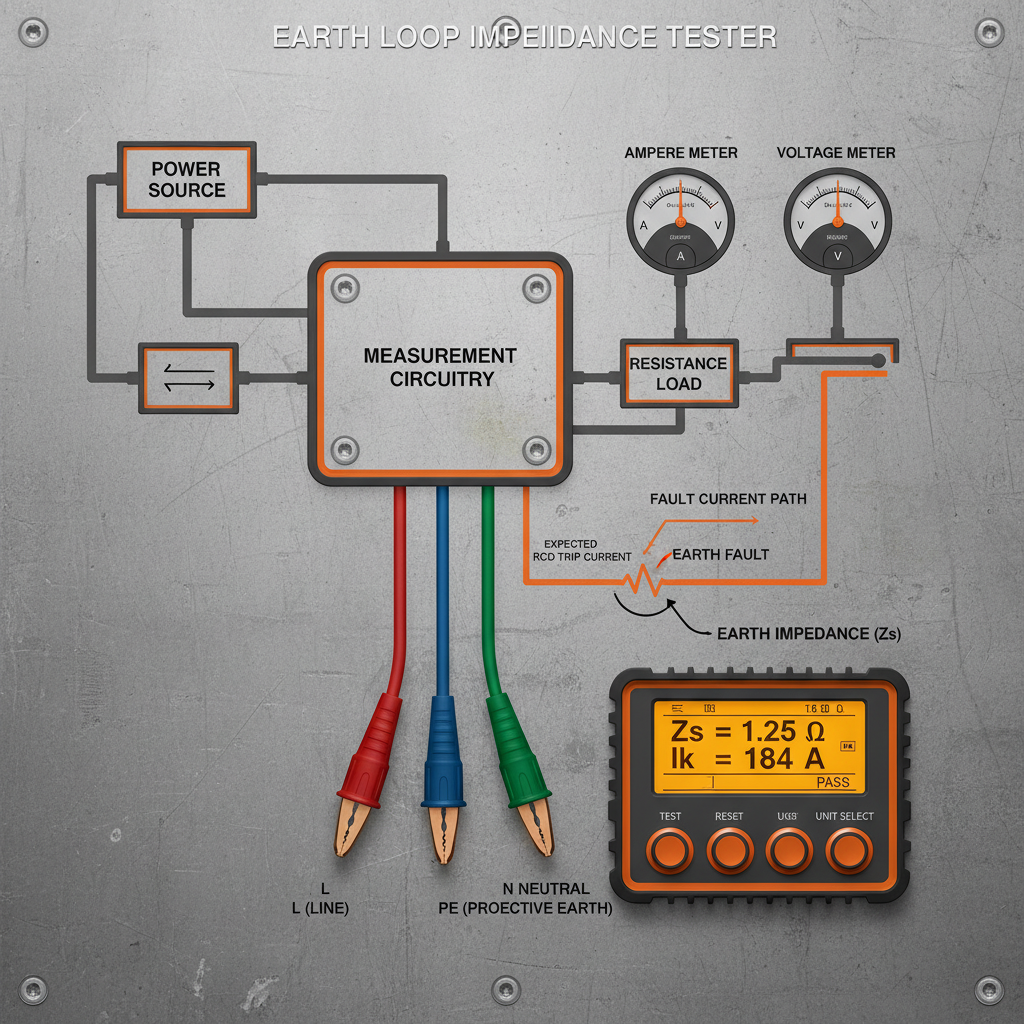
What is Earth Loop Impedance and Why is it Important?
Earth loop impedance is the total resistance to the flow of fault current in the earth fault loop. This loop consists of the live conductor, the fault path (through the equipment’s enclosure), the protective conductor (earth wire), and the supply’s earthing system. A high impedance means a larger voltage drop during a fault, potentially reducing the fault current below the level required to operate protective devices like circuit breakers or fuses. This delay can lead to dangerous touch voltages and increased risk of electric shock. Regular testing with an earth loop impedance tester ensures this impedance remains within acceptable limits, safeguarding personnel and equipment.
Key Takeaway: Low earth loop impedance is essential for rapid disconnection of power during a fault, minimizing the risk of electric shock.
How Does an Earth Loop Impedance Tester Work?
An earth loop impedance tester works by injecting a small test current into the circuit and measuring the resulting voltage drop. Using Ohm's Law (Impedance = Voltage / Current), the tester calculates the impedance of the loop. Different testers employ various testing methods, including:
- Low-Current Testing: This method injects a low current to avoid nuisance tripping of protective devices.
- High-Current Testing: This method utilizes a higher current to simulate a real fault condition, providing a more accurate assessment but may trip some devices.
- Two-Wire Testing: Suitable for testing socket outlets without disconnecting the circuit.
- Three-Wire Testing: Provides more comprehensive measurements and is often preferred for critical applications.
Modern testers often feature auto-test sequences and display results digitally, simplifying the testing process.
Choosing the Right Earth Loop Impedance Tester
Selecting the appropriate tester depends on your specific needs and the type of electrical system being tested. Consider factors like the testing methods supported, the accuracy of the measurements, and the features offered. Here's a comparison of different tester types:
Applications of Earth Loop Impedance Testing
Earth loop impedance testing is a critical part of electrical safety inspections and maintenance. Common applications include:
- Electrical Installation Certificates (EICs): Required for new installations and alterations.
- Periodic Inspection and Testing (PIT): Regular checks to ensure continued safety.
- Fault Finding: Identifying the source of electrical faults.
- RCD Testing: Verifying the correct operation of Residual Current Devices.
- Preventative Maintenance: Proactively identifying potential issues before they become hazardous.
Performing these tests regularly, especially after electrical work, ensures a safe environment.
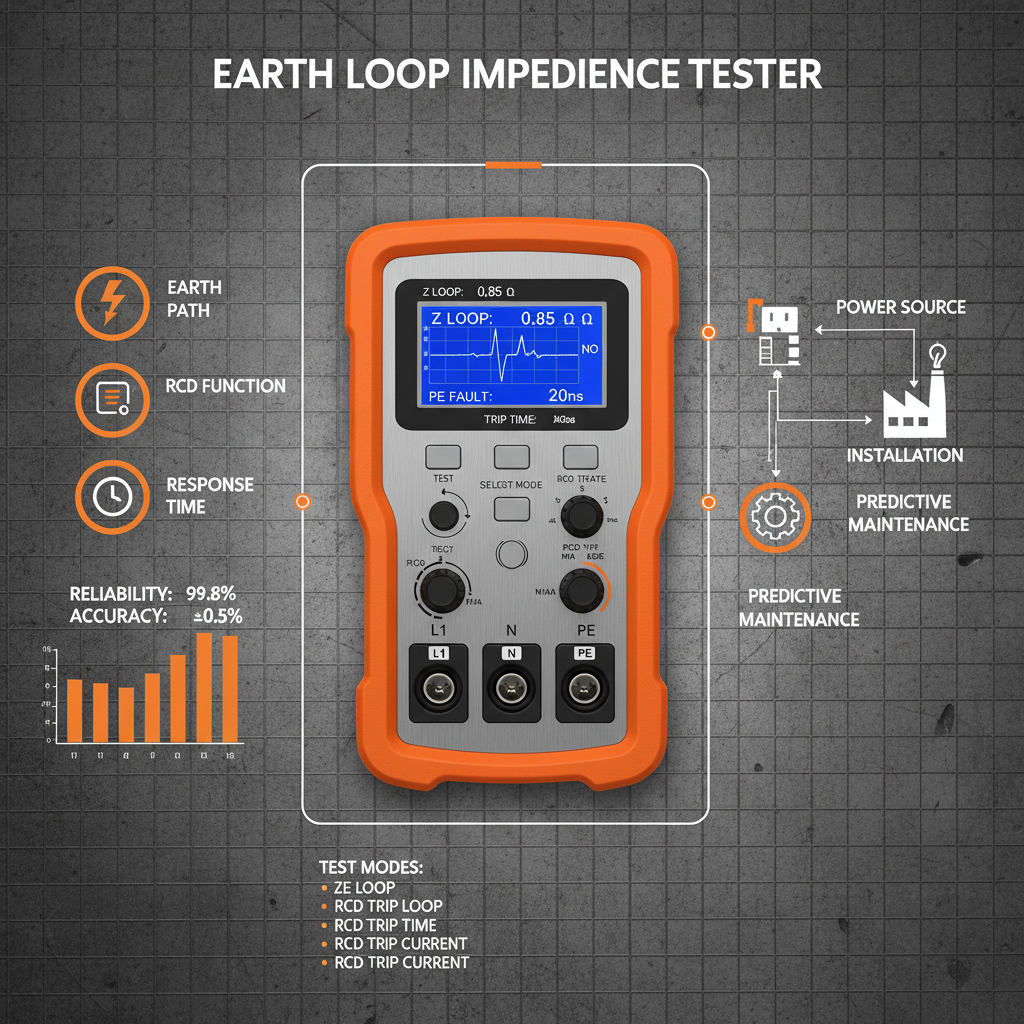
Regulations and Standards for Earth Loop Impedance Testing
Electrical safety is governed by strict regulations and standards. In many countries, testing must comply with standards like BS 7671 (IET Wiring Regulations in the UK) or IEC 60364. These standards specify the maximum permissible earth loop impedance for different circuit types and protective device ratings. Ensuring your testing procedures and equipment comply with these standards is essential for legal compliance and, more importantly, for protecting lives. Using a high-quality earth loop impedance tester from a reputable manufacturer like Push Tester helps guarantee accurate and reliable results.
Conclusion: Prioritizing Safety with Regular Testing
Investing in a reliable earth loop impedance tester and implementing a regular testing program is a crucial step in ensuring electrical safety. By proactively identifying and addressing potential hazards, you can protect personnel, prevent damage to equipment, and maintain compliance with safety regulations. Don't compromise on safety – prioritize regular earth loop impedance testing.
Frequently Asked Questions (FAQs)
What is considered a safe earth loop impedance value?
A safe earth loop impedance value depends on the protective device (circuit breaker or fuse) rating and the circuit length. Generally, the impedance should be low enough to ensure sufficient fault current flows to trip the protective device within the specified time. For a 32A circuit with a BS 7671 compliant breaker, a common target is below 0.8 ohms. It’s vital to refer to the relevant wiring regulations for specific values and calculations based on your installation. A qualified electrician can accurately determine the appropriate limit for your system.
How often should earth loop impedance testing be carried out?
The frequency of testing depends on the type of installation. For new installations, testing is required as part of the Electrical Installation Certificate (EIC). For existing installations, Periodic Inspection and Testing (PIT) is recommended every 5 years for residential properties and 1-3 years for commercial and industrial properties. However, testing should also be carried out after any alterations or repairs to the electrical system. Regular testing ensures ongoing safety and compliance.
Can I carry out earth loop impedance testing myself?
While it's possible to purchase an earth loop impedance tester, it’s strongly recommended that testing is carried out by a qualified and competent electrician. Electrical work can be dangerous, and improper testing can lead to inaccurate results or even pose a safety risk. Qualified electricians have the necessary training, experience, and knowledge to perform tests safely and interpret the results correctly.
-
Find the Best Loop Impedance Tester for Sale and Ensure Electrical SafetyNewsMar.31,2026
-
Comprehensive Guide to Loop Impedance Meter for Electrical SafetyNewsMar.28,2026
-
Understanding and Choosing a Line Impedance Tester for Optimal Network PerformanceNewsMar.26,2026
-
Comprehensive Guide to Line Earth Loop Impedance Test for Electrical SafetyNewsMar.24,2026
-
Comprehensive Guide to Fault Loop Impedance Meter and Electrical SafetyNewsMar.21,2026
-
Comprehensive Guide to External Loop Impedance Test for Electrical SafetyNewsMar.19,2026


