 English



Comprehensive Analysis of Transformer Primary and Secondary Winding Resistance for Optimal Performance
Understanding Transformer Primary and Secondary Winding Resistance
Transformer winding resistance is a critical parameter for assessing transformer performance, efficiency, and potential issues. It directly impacts the copper losses within the transformer and influences its overall operating temperature. This article delves into the significance of transformer primary and secondary winding resistance, detailing how it’s measured, its implications, and how it's used in diagnostics. Accurate measurement and understanding of winding resistance are fundamental to ensuring the long-term reliability and optimal functioning of transformers. Understanding these resistances can help predict transformer life and identify potential problems before they escalate.
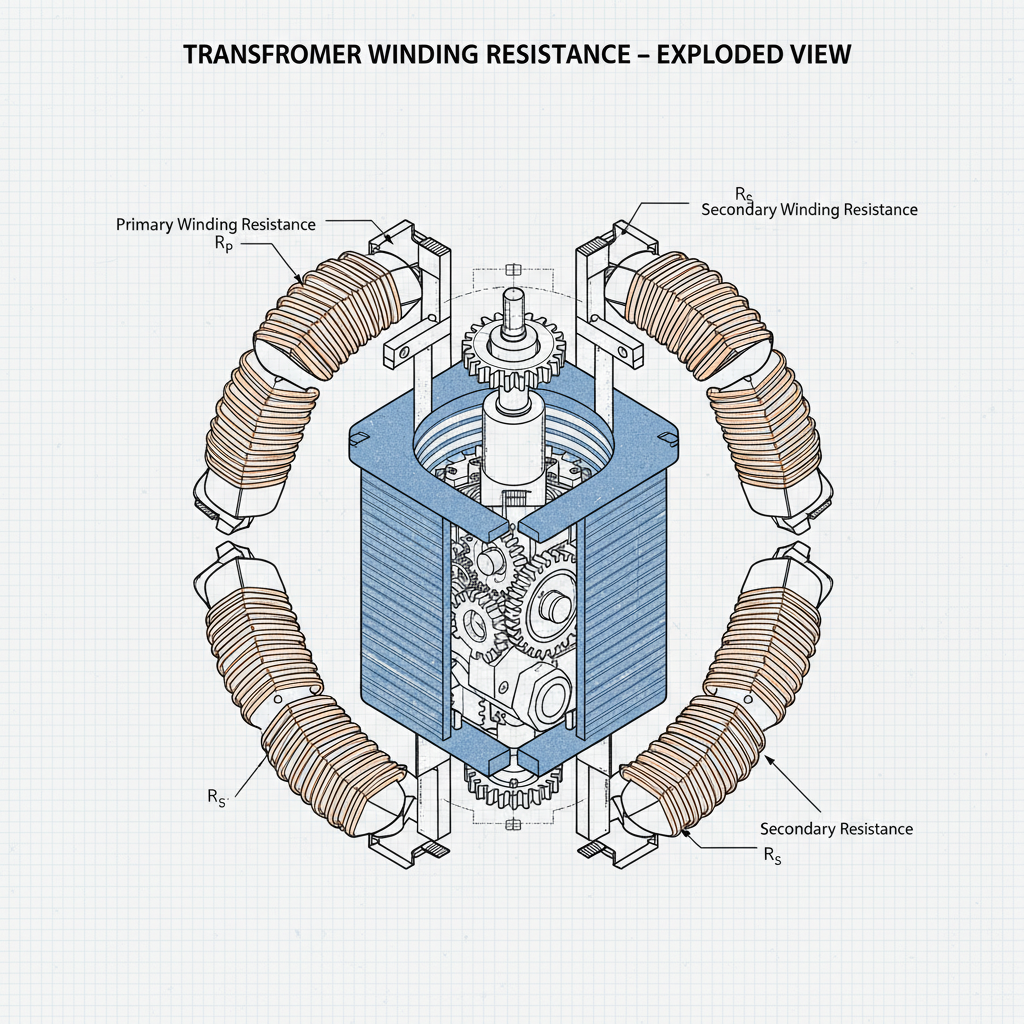
Why Transformer Winding Resistance Matters
The resistance of the primary and secondary windings dictates the amount of power lost as heat (I²R losses) during operation. Higher resistance means greater power loss and reduced efficiency. Monitoring winding resistance is crucial for several reasons: detecting winding deformation or shorted turns, identifying potential overheating issues, and assessing the overall health of the transformer. Changes in resistance over time can indicate insulation degradation or mechanical damage within the windings. Regularly checking these values can allow for proactive maintenance and prevent costly failures. A consistent resistance reading provides confidence in the transformer’s internal integrity.
Key Takeaway: Monitoring winding resistance is a proactive maintenance strategy that helps detect potential problems before they lead to transformer failure.
Methods for Measuring Transformer Primary and Secondary Winding Resistance
Several methods can be used to accurately measure transformer winding resistance. The most common is the DC resistance test, utilizing a milliohmmeter. This involves applying a small DC current through the winding and measuring the voltage drop to calculate the resistance (R = V/I). Another technique is the impedance test, which measures the total impedance of the winding at a specific frequency. It’s vital to disconnect the transformer from the power source before conducting any resistance measurements for safety reasons. Advanced testers, like those offered by Pushtester, provide highly accurate and reliable measurements.
Key Measurement Considerations:
• Ensure the transformer is de-energized and isolated.
• Use a calibrated milliohmmeter for accurate DC resistance measurements.
• Account for temperature variations, as resistance changes with temperature.
Factors Affecting Transformer Primary and Secondary Winding Resistance
Several factors influence the resistance of transformer windings. Copper quality and conductor size directly impact resistance – larger conductors and higher-purity copper offer lower resistance. Temperature is a significant factor; resistance increases with temperature. Mechanical stress and aging can also lead to increased resistance due to conductor deformation or corrosion. The winding material, method of construction, and insulation quality all play a role in long-term resistance stability. Maintaining optimal operating conditions and employing effective cooling mechanisms can help minimize resistance changes over the transformer's lifespan.
Interpreting Winding Resistance Measurements: What Do the Numbers Tell You?
Significant deviations from baseline resistance values indicate potential problems. A sudden increase in resistance can signal a loose connection, corrosion, or partial winding failure. A decrease in resistance, while less common, could indicate a shorted turn within the winding. Comparing measurements between the primary and secondary windings, and tracking changes over time, provides valuable insights into the transformer's health. Regular monitoring and documentation of resistance readings are essential for effective preventative maintenance. Instruments from Pushtester are designed to aid in this process.
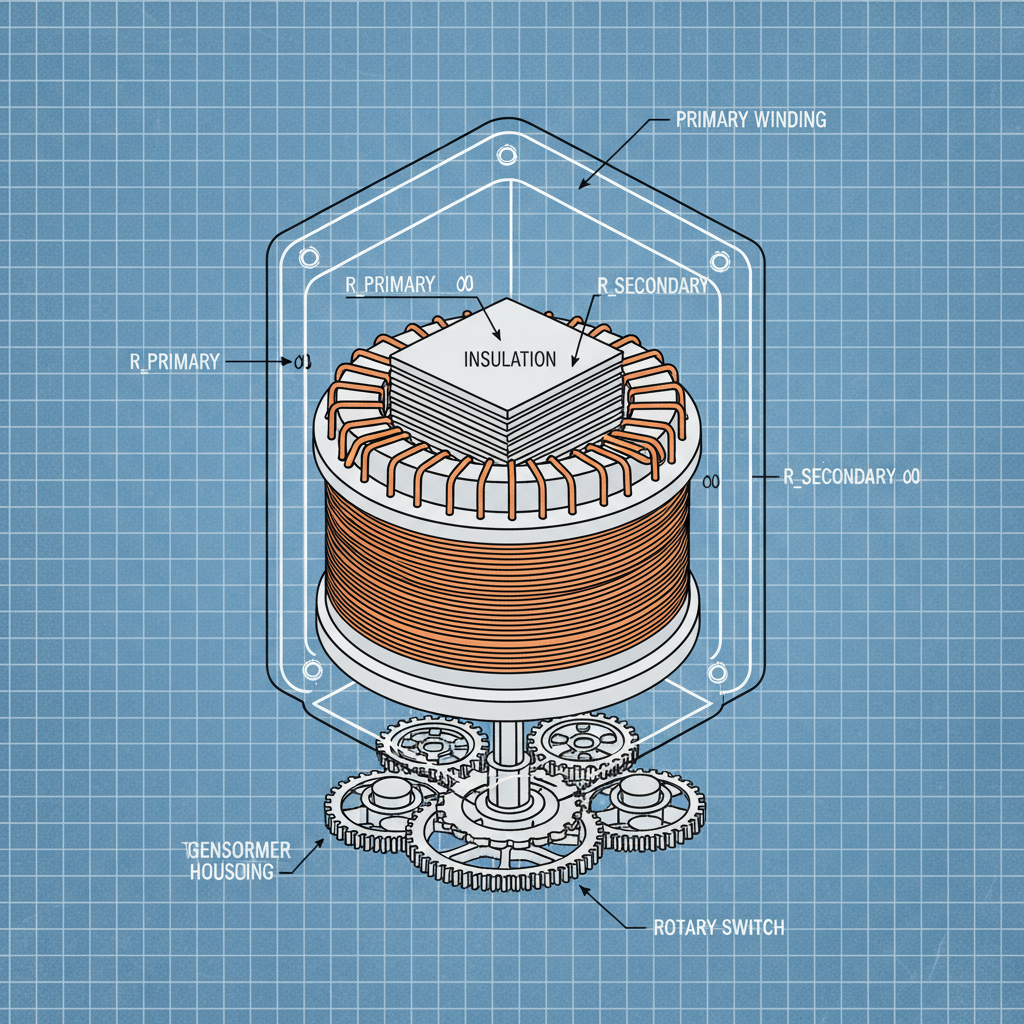
Practical Applications and Diagnostic Value
Winding resistance measurements are invaluable for routine maintenance, fault diagnosis, and transformer life assessment. They're used to verify transformer integrity after transportation or installation, identify potential issues during commissioning, and monitor the condition of transformers in service. By comparing resistance values to historical data and manufacturer specifications, technicians can identify early signs of deterioration and schedule necessary repairs or replacements. This proactive approach minimizes downtime and extends the lifespan of valuable transformer assets.
Conclusion: The Importance of Winding Resistance Monitoring
Regularly measuring transformer primary and secondary winding resistance is a cornerstone of effective transformer maintenance. It provides critical insights into the transformer’s condition, enabling proactive interventions that prevent costly failures and extend its operational life. Utilizing precision testing equipment and consistently analyzing the data ensures optimal transformer performance and reliability.
Frequently Asked Questions (FAQs)
What is a typical acceptable range for transformer winding resistance?
The acceptable range varies significantly based on the transformer’s kVA rating, voltage, and winding materials. There isn’t a single ‘typical’ value. However, manufacturers provide baseline resistance values for each transformer during production. Any deviation exceeding 5-10% from the baseline should be investigated. Furthermore, tracking changes in resistance over time is more important than absolute values. Comparing current readings to historical data provides a better indication of potential issues.
How does temperature affect winding resistance measurements?
Winding resistance increases with temperature. It's crucial to record the winding temperature during measurement and correct the resistance value to a standard reference temperature (typically 20°C or 25°C) for accurate comparison. Most modern milliohmmeters automatically compensate for temperature variations. Failure to account for temperature can lead to misdiagnosis and unnecessary maintenance.
What safety precautions should be taken when measuring winding resistance?
Always de-energize and isolate the transformer from all power sources before performing any resistance measurements. Ensure the transformer is properly grounded. Use insulated test leads and appropriate personal protective equipment (PPE), including safety glasses and gloves. Follow all relevant safety regulations and manufacturer guidelines. Never attempt to measure resistance on a live transformer.
Can winding resistance measurements help identify shorted turns?
Yes, a significant decrease in winding resistance can indicate shorted turns within the winding. Shorted turns create a parallel path for current, reducing the overall resistance. However, detecting shorted turns solely based on resistance measurements can be challenging, especially if only a few turns are affected. More sophisticated tests, such as turn ratio tests and impedance analysis, are often required to confirm the presence of shorted turns.
-
Find the Best Loop Impedance Tester for Sale and Ensure Electrical SafetyNewsMar.31,2026
-
Comprehensive Guide to Loop Impedance Meter for Electrical SafetyNewsMar.28,2026
-
Understanding and Choosing a Line Impedance Tester for Optimal Network PerformanceNewsMar.26,2026
-
Comprehensive Guide to Line Earth Loop Impedance Test for Electrical SafetyNewsMar.24,2026
-
Comprehensive Guide to Fault Loop Impedance Meter and Electrical SafetyNewsMar.21,2026
-
Comprehensive Guide to External Loop Impedance Test for Electrical SafetyNewsMar.19,2026


