 English



Comprehensive Guide to Battery Impedance Testing and Tester Selection
Understanding and Choosing a Battery Impedance Tester
Maintaining battery health is crucial for a wide range of applications, from electric vehicles to energy storage systems. A battery impedance tester is an indispensable tool for assessing battery quality and predicting its performance. This article provides a comprehensive overview of battery impedance testing, its importance, different types of testers, and how to select the right one for your needs. Accurate impedance measurement leads to informed battery management decisions, ultimately extending battery life and reducing operational costs.
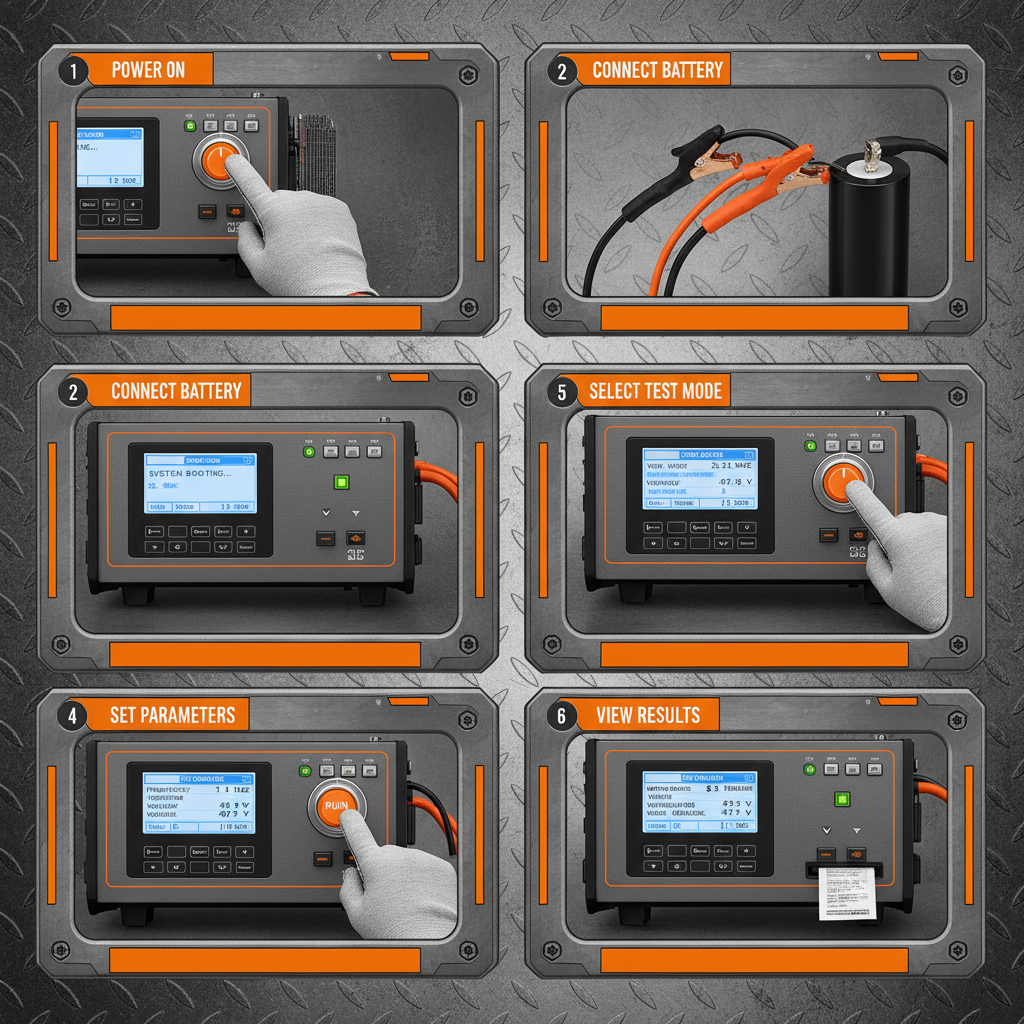
What is Battery Impedance and Why Does it Matter?
Battery impedance is a measure of a battery’s opposition to the flow of alternating current (AC). It’s not simply resistance; it encompasses both resistance and reactance. High impedance indicates a deteriorating battery, often due to factors like corrosion, electrode degradation, or electrolyte dryness. Monitoring impedance provides valuable insights into a battery’s state of health (SOH), remaining useful life, and potential for failure. Regular impedance testing allows for proactive maintenance, preventing unexpected downtime and costly replacements. Identifying batteries with high impedance allows for timely intervention, ensuring optimal system performance. You can find quality battery testers at Pushtester.
Key Takeaway: Impedance testing is a non-destructive method for evaluating battery health without fully discharging the battery.
Types of Battery Impedance Testers
Several types of battery impedance testers are available, each with its own strengths and weaknesses. These include:
- AC Impedance Spectrometers: These are the most accurate but also the most expensive. They measure impedance over a wide frequency range, providing detailed information about battery characteristics.
- Milliohm Meters: These measure DC internal resistance, which is related to impedance. They are relatively inexpensive and easy to use but provide less detailed information.
- Internal Resistance Testers: Often used for 18650 batteries and similar, these quickly measure internal resistance, providing a simple health indicator.
- Four-Terminal Kelvin Measurement Testers: These provide highly accurate impedance measurements by eliminating the effects of lead resistance.
Choosing the appropriate tester depends on your specific application, budget, and required level of accuracy. Pushtester offers a range of testers to suit different needs.
Key Considerations: Accuracy, measurement range, speed, and ease of use.
Battery Impedance Tester Comparison
Here’s a comparison of common battery impedance testers:
Applications of Battery Impedance Testing
Battery impedance testing is employed across numerous industries:
- Electric Vehicles (EVs): Assessing battery pack health and predicting range.
- Energy Storage Systems (ESS): Monitoring grid-scale battery performance and optimizing charging/discharging cycles.
- Battery Manufacturing: Quality control and identifying defective cells.
- Uninterruptible Power Supplies (UPS): Ensuring reliable backup power.
- Portable Electronics: Diagnosing battery issues in laptops, smartphones, and other devices.
Choosing the Right Battery Impedance Tester
When selecting a battery impedance tester, consider the following:
- Battery Chemistry: Different battery chemistries (e.g., Lithium-ion, Lead-acid, NiMH) may require specific testing parameters.
- Voltage Range: Ensure the tester supports the voltage range of the batteries you'll be testing.
- Measurement Frequency: The appropriate frequency depends on the battery type and desired level of detail.
- Accuracy and Resolution: Choose a tester with sufficient accuracy for your application.
- User Interface and Data Logging: A user-friendly interface and data logging capabilities can simplify testing and analysis.
Conclusion
Investing in a quality battery impedance tester is a proactive step towards optimizing battery performance and extending its lifespan. By regularly monitoring impedance, you can identify potential issues early on, prevent costly failures, and maximize the return on your battery investment. Explore the range of testers available at Pushtester to find the perfect solution for your needs.
Frequently Asked Questions (FAQs)
What is a typical impedance range for a healthy Lithium-ion battery?
A healthy Lithium-ion battery typically exhibits a very low impedance, generally in the milliohm (mΩ) range. Specifically, a good 18650 cell might show an impedance of 1-5 mΩ. As the battery ages and degrades, this impedance will increase. A significant rise in impedance indicates a decline in battery performance and capacity. It's important to note that acceptable impedance values vary depending on the battery’s chemistry, size, and discharge rate. Regular monitoring and comparison to baseline measurements are crucial for accurate assessment.
Can impedance testing be used to determine the capacity of a battery?
While impedance testing doesn’t directly measure capacity (Ah), it's a strong indicator of SOH, which is closely related to capacity. A higher impedance generally correlates with lower capacity. However, a full capacity test is needed for a precise capacity measurement. Impedance testing offers a quick and non-destructive way to screen batteries and identify those that may require further capacity testing. A combination of impedance testing and capacity testing provides a comprehensive assessment of battery health.
How often should I perform impedance testing?
The frequency of impedance testing depends on the application and criticality of the battery system. For critical applications like EVs and ESS, monthly or quarterly testing is recommended. For less critical applications, semi-annual or annual testing may suffice. It’s also advisable to perform impedance testing after any significant event, such as a full discharge, prolonged storage, or exposure to extreme temperatures. Establishing a regular testing schedule allows for proactive maintenance and timely intervention.
-
Find the Best Loop Impedance Tester for Sale and Ensure Electrical SafetyNewsMar.31,2026
-
Comprehensive Guide to Loop Impedance Meter for Electrical SafetyNewsMar.28,2026
-
Understanding and Choosing a Line Impedance Tester for Optimal Network PerformanceNewsMar.26,2026
-
Comprehensive Guide to Line Earth Loop Impedance Test for Electrical SafetyNewsMar.24,2026
-
Comprehensive Guide to Fault Loop Impedance Meter and Electrical SafetyNewsMar.21,2026
-
Comprehensive Guide to External Loop Impedance Test for Electrical SafetyNewsMar.19,2026


