 English



Comprehensive Guide to Earth Impedance Test Procedures and Safety Standards
Understanding and Performing an Earth Impedance Test
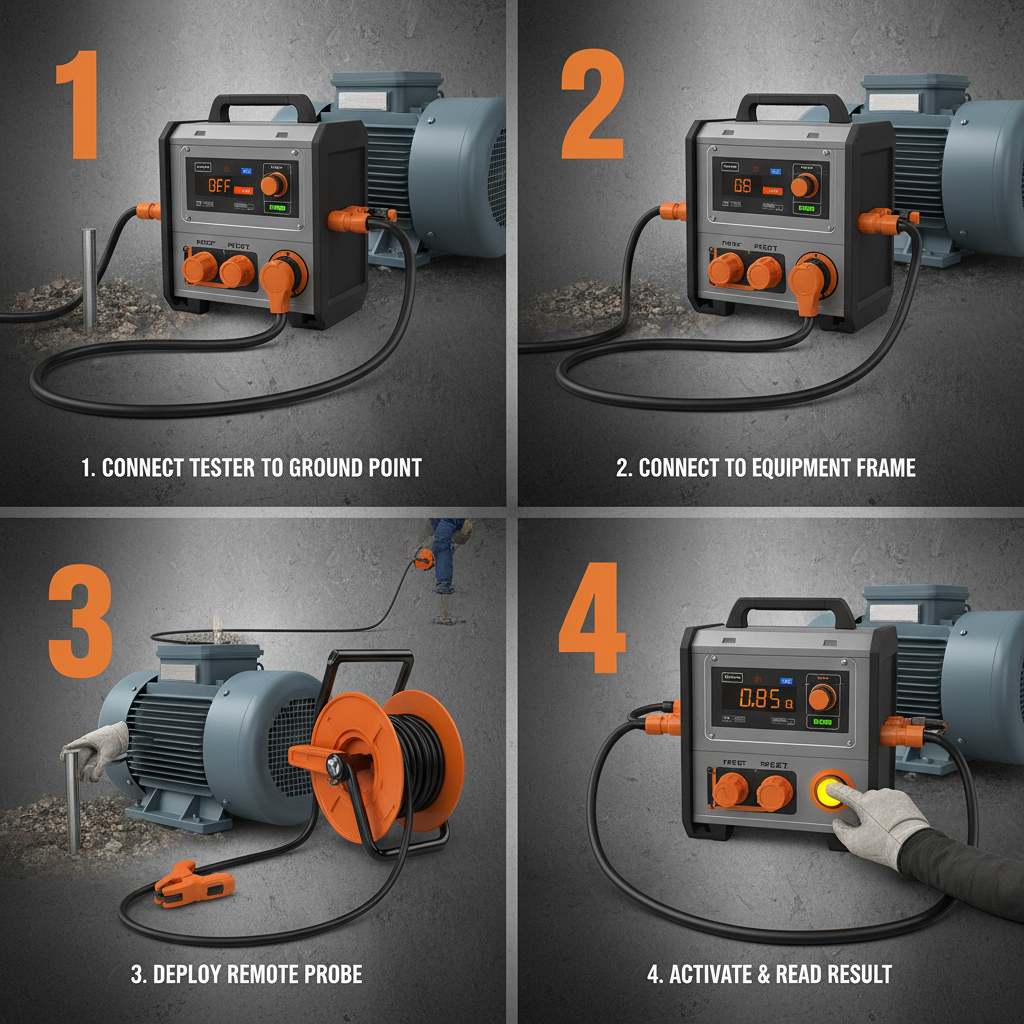
An earth impedance test is a critical safety procedure used to verify the effectiveness of earthing (grounding) systems. These tests ensure that fault currents can safely flow to ground in the event of an electrical fault, minimizing the risk of electric shock and fire. This article provides a comprehensive overview of earth impedance testing, its importance, methodologies, and the equipment used. Proper earthing is paramount for electrical safety, and regular testing is essential to maintain compliance and protect personnel and equipment. Push Tester provides innovative testing solutions for optimal safety.
Why is an Earth Impedance Test Important?
The primary purpose of an earth impedance test is to confirm that the resistance of the earth path is low enough to allow sufficient fault current to flow, triggering protective devices (like circuit breakers or fuses) to operate quickly and safely. A high earth impedance can impede this flow, leading to dangerous touch voltages and prolonged fault clearance times. Regular testing is mandated by electrical safety standards and regulations in many countries. It's a proactive measure to prevent accidents and ensure the continued safety of electrical installations. Neglecting these tests can lead to severe consequences, including electrical shock, fires, and equipment damage.
Key Benefits: Proactive safety measure, Ensures compliance with regulations, Minimizes risk of electric shock and fire, Protects equipment, Prolonged fault clearance times.
Methods for Performing an Earth Impedance Test
Several methods can be used to perform an earth impedance test, each with its advantages and disadvantages. The most common methods include:
- Fall-of-Potential Method: This involves injecting a test current into the earth electrode and measuring the voltage drop at various points along the earth conductor.
- St Stake Method: Using a secondary earth stake to determine the resistance to earth.
- Clamp-On Method: Utilizing a clamp meter to measure the impedance without disconnecting the earth conductor.
The choice of method depends on factors like the type of earthing system, accessibility, and desired accuracy. It's crucial to follow established testing procedures and use calibrated equipment to ensure reliable results. Push Tester's equipment utilizes advanced technology for precise measurements.
Method Comparison:
• Fall-of-Potential: High accuracy, requires disconnection.
• St Stake: Moderate accuracy, requires good earth contact.
• Clamp-On: Quick & easy, less accurate, non-invasive.
Equipment Used in Earth Impedance Testing
Several specialized tools are required to conduct a thorough earth impedance test. Essential equipment includes:
- Earth Impedance Tester: The core instrument for injecting test current and measuring voltage/impedance.
- Test Leads: High-quality leads to connect the tester to the earth electrode and reference point.
- Clamp Meter: For non-invasive impedance measurements (clamp-on method).
- Secondary Earth Stake: Used with the st stake method
- Digital Multimeter: For verifying voltage and current readings.
It's important to use equipment that is properly calibrated and certified to ensure accurate and reliable test results. Push Tester offers a comprehensive range of calibrated testing equipment designed for precision and safety.
Interpreting Earth Impedance Test Results
Acceptable earth impedance values vary depending on the electrical system and local regulations. However, a general guideline is that the impedance should be low enough to ensure that fault currents reach the protective device's operating level within a specified time. High impedance readings indicate a problem with the earthing system, such as loose connections, corrosion, or inadequate earth electrode size. Any readings exceeding the acceptable limit require immediate investigation and corrective action. Push Tester can assist in interpreting results and recommending solutions.

Conclusion: Prioritizing Safety with Earth Impedance Testing
Investing in a Safe Electrical System
Regular earth impedance testing is a vital component of electrical safety management. By proactively identifying and addressing potential issues with earthing systems, you can significantly reduce the risk of electrical hazards and ensure the safety of personnel and equipment. Push Tester provides reliable testing equipment and expertise to help you maintain a safe and compliant electrical installation.
Frequently Asked Questions (FAQs)
How often should an earth impedance test be performed?
The frequency of testing depends on the type of installation, regulatory requirements, and risk assessment. Generally, it’s recommended to perform an earth impedance test annually for critical systems and every three to five years for less critical installations. Following any changes or repairs to the earthing system, a test should be conducted immediately. Compliance with local standards and regulations is crucial.
What should I do if the earth impedance is too high?
If the earth impedance is above the acceptable limit, you should investigate the cause. Common causes include loose connections, corroded earth electrodes, or inadequate earth electrode size. Tighten connections, clean or replace electrodes, or consider installing additional earth electrodes. Retest after making corrections to ensure the impedance is within acceptable limits. Document all findings and corrective actions.
Can I perform an earth impedance test myself?
While it is possible to perform the test yourself, it is strongly recommended to use a qualified and experienced electrician. Improper testing can be dangerous and may not provide accurate results. A qualified electrician will have the necessary knowledge, equipment, and training to conduct the test safely and effectively.
What is the difference between earth impedance and earth resistance?
Earth resistance refers to the resistance of the earth itself. Earth impedance, on the other hand, includes the resistance of the earth, the earth electrode, and the connections to the earthing system. Impedance is a more comprehensive measurement that provides a more accurate representation of the overall effectiveness of the earthing system.
-
Find the Best Loop Impedance Tester for Sale and Ensure Electrical SafetyNewsMar.31,2026
-
Comprehensive Guide to Loop Impedance Meter for Electrical SafetyNewsMar.28,2026
-
Understanding and Choosing a Line Impedance Tester for Optimal Network PerformanceNewsMar.26,2026
-
Comprehensive Guide to Line Earth Loop Impedance Test for Electrical SafetyNewsMar.24,2026
-
Comprehensive Guide to Fault Loop Impedance Meter and Electrical SafetyNewsMar.21,2026
-
Comprehensive Guide to External Loop Impedance Test for Electrical SafetyNewsMar.19,2026


