 English



Advanced Tan Delta Tester for Material Characterization and Viscoelastic Analysis
Understanding the Tan Delta Tester: A Comprehensive Guide
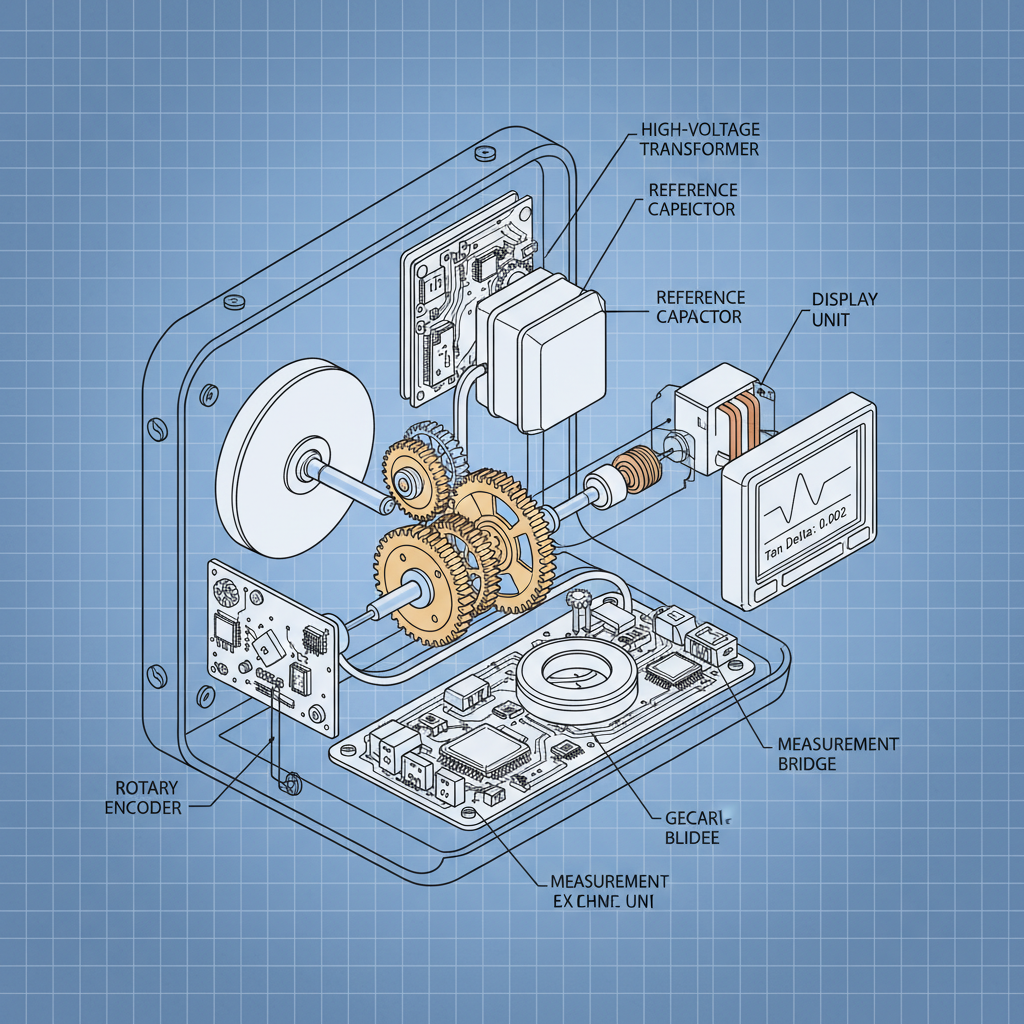
In the realm of materials characterization, particularly for polymers, elastomers, and composites, the Tan Delta Tester is an invaluable instrument. It provides crucial insights into a material’s viscoelastic properties, revealing damping characteristics and energy dissipation behavior. This information is vital for quality control, product development, and failure analysis across diverse industries. A tan delta tester helps predict long-term performance and identify potential issues before they arise. This article dives deep into the principles, applications, and benefits of using a tan delta tester.
What is a Tan Delta Tester and How Does it Work?
A tan delta tester, also known as a Dynamic Mechanical Analyzer (DMA), measures the ratio of loss modulus (E'') to storage modulus (E') of a material when subjected to oscillating stress or strain. This ratio, represented as tan δ (tan delta), indicates the material's damping ability – how effectively it dissipates energy as heat. The tester applies a sinusoidal force to a sample and measures its response in terms of phase lag between the applied stress and resulting strain. A larger phase lag indicates greater energy dissipation and a higher tan delta value. Understanding this value is critical for predicting a material’s performance under dynamic conditions.
Key Principle: Tan Delta (tan δ) = E'' / E'. Where E'' is the Loss Modulus and E' is the Storage Modulus.
Key Applications of a Tan Delta Tester
The applications of a tan delta tester span numerous industries. In the polymer industry, it helps characterize the damping behavior of plastics, rubbers, and adhesives. In the automotive sector, it aids in the development of vibration-damping materials for vehicle components. Aerospace utilizes it for analyzing composite materials used in aircraft structures. Pharmaceutical companies use it to assess the properties of drug delivery systems. Furthermore, it's employed in research and development to understand the viscoelastic properties of new materials and optimize their formulations.
Application Areas:
• Polymer Characterization
• Automotive Vibration Damping
• Aerospace Composites Analysis
• Pharmaceutical Drug Delivery Systems
Tan Delta Testing Methods: Different Configurations
Various testing methods are employed with a tan delta tester, each suited for different material types and geometries. Common configurations include: Three-Point Bending, where the sample is supported at two points and loaded at the midpoint; Cantilever Bending, where one end of the sample is fixed and loaded at the free end; Tension/Compression, applying a tensile or compressive force; and Torsion, applying a twisting force. Selecting the appropriate testing method is crucial for obtaining accurate and representative results. Push Tester offers versatile systems capable of performing all these configurations.
Benefits of Using a High-Quality Tan Delta Tester
Investing in a precise and reliable tan delta tester offers numerous advantages. It enables accurate material characterization, leading to better product design and performance. It facilitates quality control by identifying inconsistencies in material properties. The data obtained can be used for predictive modeling, forecasting long-term behavior and identifying potential failure modes. A high-quality tester also ensures repeatability and reproducibility of results, crucial for reliable research and development.
Push Tester: Your Partner for Accurate Tan Delta Measurements
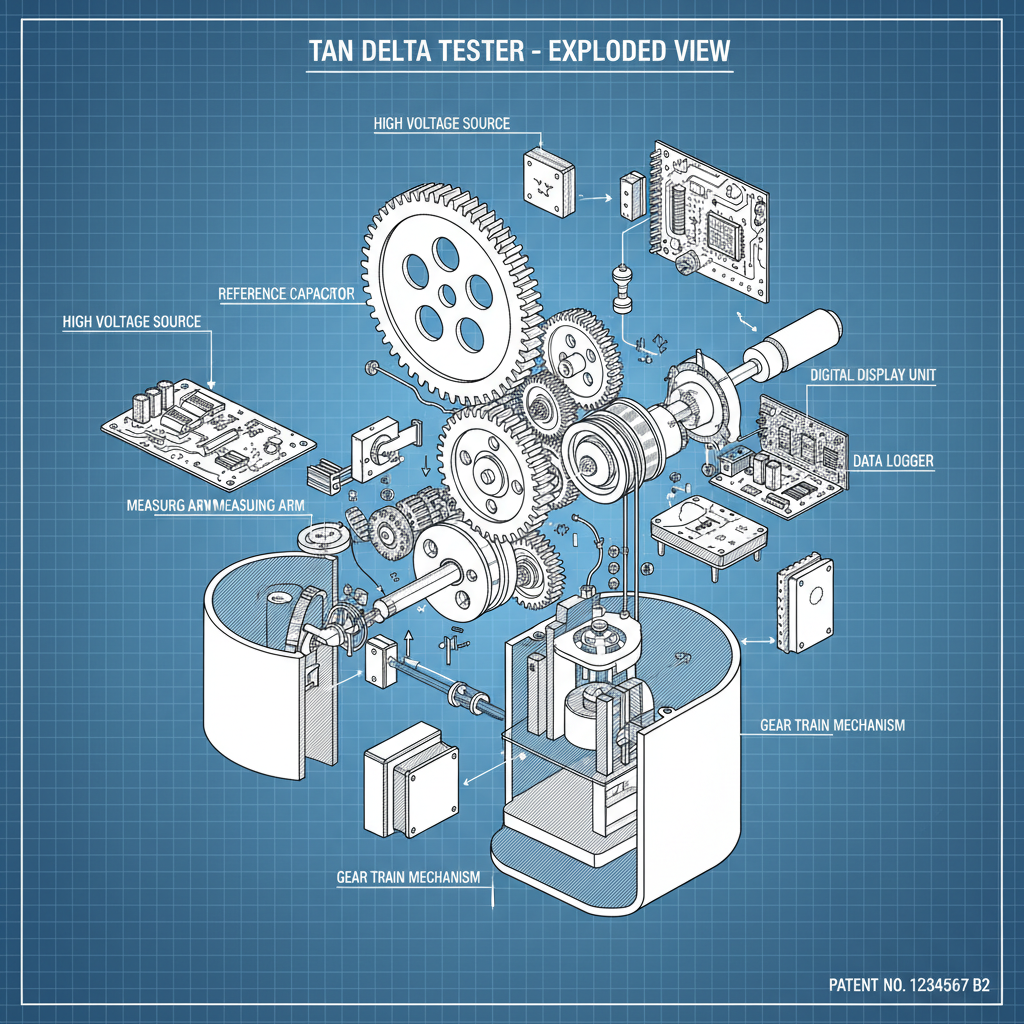
At Push Tester, we offer a range of advanced tan delta testers designed to meet the diverse needs of our customers. Our instruments are known for their accuracy, reliability, and user-friendly interface. We provide comprehensive support, including installation, training, and maintenance services. We are committed to helping you achieve precise material characterization and accelerate your research and development efforts. Explore our product line today to find the perfect tan delta testing solution for your application.
Conclusion: Unleashing Material Insights with Tan Delta Testing
The tan delta tester is a critical tool for understanding the viscoelastic properties of materials. By accurately measuring damping characteristics, it empowers engineers and scientists to develop superior products, enhance quality control, and predict long-term performance. Invest in a reliable instrument and unlock a deeper understanding of your materials.
Frequently Asked Questions (FAQs)
What does a high tan delta value indicate?
A high tan delta value signifies that a material dissipates a significant amount of energy as heat when subjected to dynamic deformation. This indicates greater damping capacity. Materials with high tan delta values are often used in applications where vibration damping is crucial, such as shock absorbers or soundproofing materials. However, a high tan delta can also indicate internal friction or energy loss, which may be undesirable in certain applications. The interpretation depends heavily on the specific material and its intended use.
How does temperature affect tan delta measurements?
Temperature significantly influences tan delta measurements. As temperature increases, the storage modulus (E') typically decreases, and the loss modulus (E'') may also change. This results in a shift in the tan delta value. Polymers exhibit glass transition temperatures, at which there is a significant change in their viscoelastic properties and a peak in the tan delta curve. Therefore, it's crucial to conduct tan delta measurements at controlled and relevant temperatures to obtain accurate and meaningful results.
What is the difference between storage modulus and loss modulus?
The storage modulus (E') represents the elastic component of a material's response to deformation, indicating the energy stored during the deformation process. It reflects the material's stiffness. The loss modulus (E'') represents the viscous component, indicating the energy dissipated as heat during deformation. It reflects the material's damping characteristics. Together, these moduli provide a comprehensive understanding of a material's viscoelastic behavior.
Can a tan delta tester be used for quality control purposes?
Yes, a tan delta tester is an excellent tool for quality control. By establishing baseline tan delta values for specific materials or batches, manufacturers can quickly identify deviations that may indicate inconsistencies in material properties. This helps ensure that only materials meeting quality standards are used in production, leading to improved product reliability and performance.
-
Find the Best Loop Impedance Tester for Sale and Ensure Electrical SafetyNewsMar.31,2026
-
Comprehensive Guide to Loop Impedance Meter for Electrical SafetyNewsMar.28,2026
-
Understanding and Choosing a Line Impedance Tester for Optimal Network PerformanceNewsMar.26,2026
-
Comprehensive Guide to Line Earth Loop Impedance Test for Electrical SafetyNewsMar.24,2026
-
Comprehensive Guide to Fault Loop Impedance Meter and Electrical SafetyNewsMar.21,2026
-
Comprehensive Guide to External Loop Impedance Test for Electrical SafetyNewsMar.19,2026


