 English



Comprehensive Guide to Cable Impedance Testers and Optimal Signal Integrity
Understanding Cable Impedance Testers: A Comprehensive Guide
In the world of telecommunications, networking, and electrical engineering, maintaining signal integrity is crucial. A key factor in achieving this is proper cable impedance testing. This article delves into the importance of cable impedance, the function of impedance testers, the different types available, and how to choose the right tester for your needs. We will also highlight how Push Tester's solutions can help ensure optimal cable performance. Ensuring accurate impedance matching prevents signal reflections, maximizes power transfer, and minimizes signal loss.
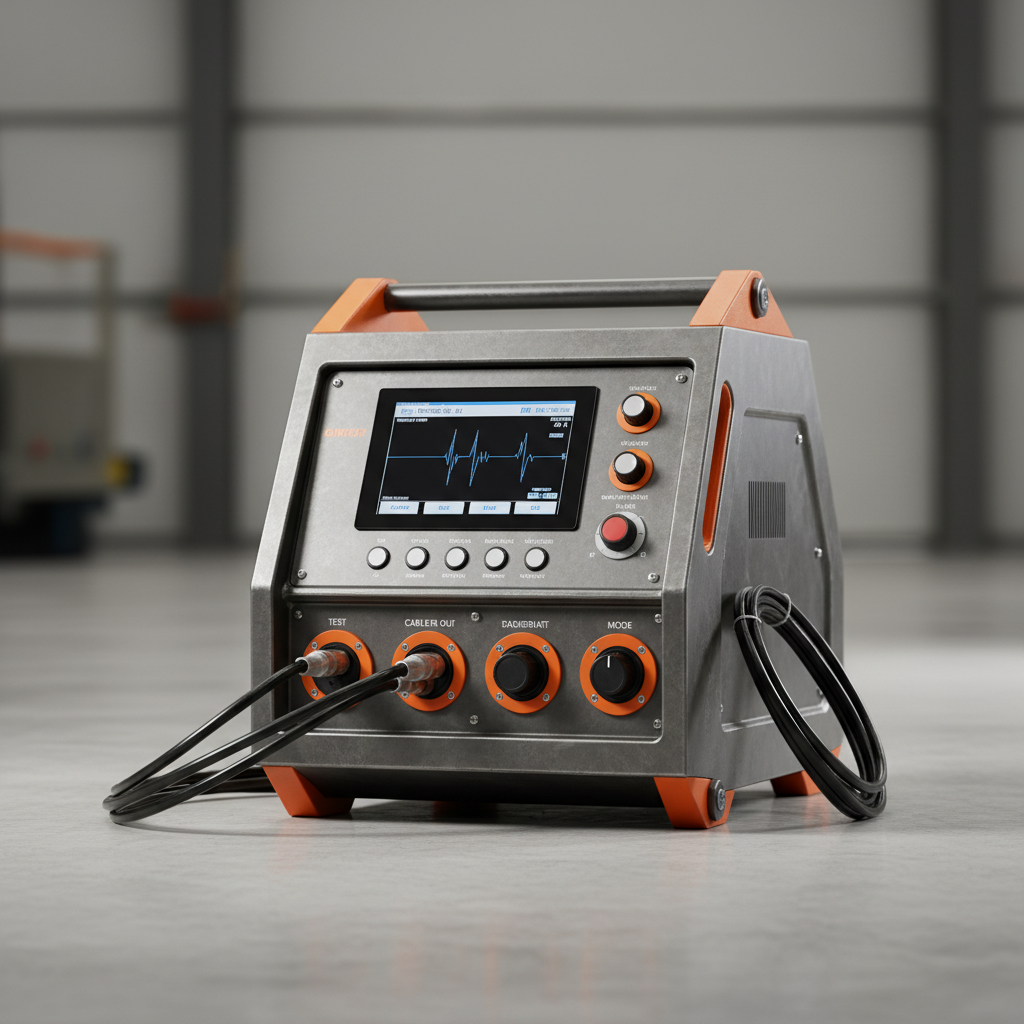
What is Cable Impedance and Why Does it Matter?
Cable impedance is the effective resistance of a cable to alternating current (AC). It’s measured in Ohms (Ω) and is a critical parameter for matching the cable to the transmitting and receiving devices. Mismatched impedance leads to signal reflections, standing waves, and ultimately, reduced signal quality. This is especially important in high-frequency applications like broadband internet, video transmission, and RF systems. The goal is to have a consistent impedance throughout the entire signal path, including the cable, connectors, and termination devices. A proper impedance match ensures maximum power transfer and minimal signal loss. For optimal performance, it's essential to regularly check and maintain the correct impedance of your cables.
Key Takeaway: Impedance matching is vital for preventing signal reflections and maximizing signal quality in data transmission.
How Do Cable Impedance Testers Work?
A cable impedance tester works by sending a signal down the cable and measuring the amount of resistance it encounters. It then calculates the impedance based on the voltage and current relationship. Different testers employ varying techniques, including Time Domain Reflectometry (TDR) and Frequency Domain Reflectometry (FDR). TDR sends a pulse and analyzes the reflections to pinpoint impedance mismatches and faults. FDR measures the impedance across a range of frequencies. The tester displays the impedance value, often graphically, allowing technicians to quickly identify areas of concern. Some advanced testers also offer features like distance-to-fault measurement and cable length determination.
TDR vs. FDR:
• TDR: Best for locating faults and impedance changes along the cable length.
• FDR: Provides a more detailed impedance profile across a range of frequencies.
Types of Cable Impedance Testers
There are several types of cable impedance testers, each suited for different applications. Here's a breakdown:
Choosing the Right Cable Impedance Tester
Selecting the appropriate cable impedance tester depends on your specific needs. Consider the following factors:
- Frequency Range: Ensure the tester covers the frequencies used in your application.
- Accuracy: Determine the required level of precision for your measurements.
- Cable Type: Select a tester compatible with the types of cables you’ll be testing (e.g., coaxial, twisted pair, fiber optic).
- Portability: Choose a handheld tester for field work or a benchtop model for laboratory use.
- Budget: Testers range in price from a few hundred to several thousand dollars.
For example, Push Tester offers a range of solutions, from versatile handheld testers to high-precision benchtop models, providing options for diverse applications and budgets.
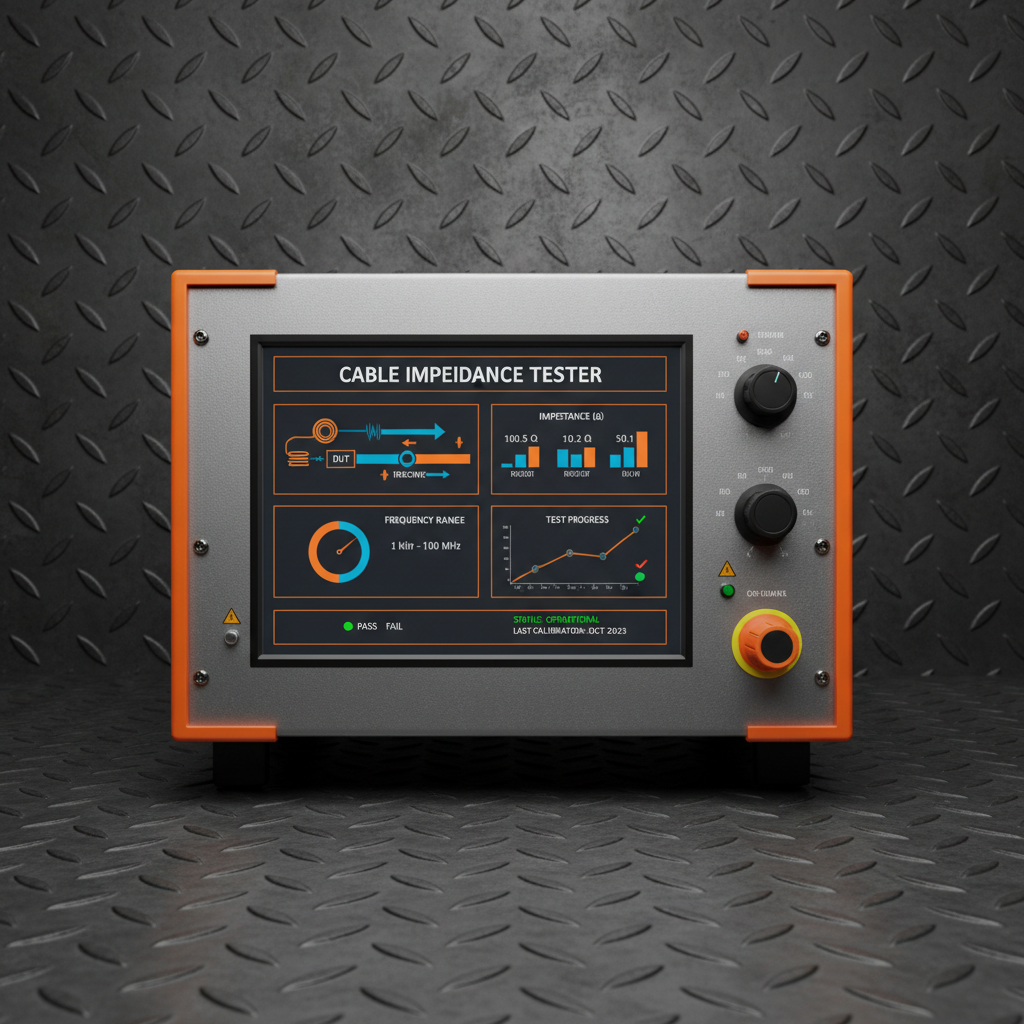
Push Tester: Your Partner for Cable Impedance Testing
At Push Tester, we specialize in providing high-quality, reliable cable impedance testers. Our products are designed for accuracy, ease of use, and durability. We understand the critical role impedance testing plays in maintaining network performance, and we're committed to providing solutions that meet your needs. Whether you're a field technician, a laboratory engineer, or a network administrator, we have a tester to help you ensure optimal cable performance. Explore our range of products today and experience the Push Tester difference.
Conclusion: Invest in Reliable Cable Impedance Testing
Investing in a quality cable impedance tester from Push Tester is a proactive step towards ensuring network stability and performance. By identifying and resolving impedance mismatches, you can prevent signal degradation, reduce downtime, and optimize your network infrastructure. Don't let poor cable impedance compromise your critical data transmissions – choose Push Tester for reliable and accurate results.
Frequently Asked Questions (FAQs)
What impedance should I use for coaxial cables?
The most common impedances for coaxial cables are 50Ω and 75Ω. 50Ω is typically used for data transmission and radio frequency applications, while 75Ω is standard for video signals. Using the incorrect impedance can lead to signal reflections and reduced signal quality. It’s important to match the cable impedance to the connecting equipment. Check the specifications of your equipment to determine the correct impedance to use. A cable impedance tester can verify the actual impedance of the cable.
How often should I test cable impedance?
The frequency of impedance testing depends on the environment and the criticality of the network. For new installations, testing is essential to verify proper connections. Regularly scheduled testing (e.g., annually or bi-annually) is recommended for established networks, especially those exposed to harsh conditions. Also, test cables whenever you suspect a problem, such as intermittent signal loss or poor performance. Consistent testing helps identify potential issues before they cause significant disruptions.
Can a cable impedance tester identify cable length?
Yes, many advanced cable impedance testers, particularly those using TDR technology, can accurately measure cable length. They do this by sending a signal pulse down the cable and measuring the time it takes for the reflection to return. Based on the speed of signal propagation and the measured time, the tester calculates the cable length. This feature is incredibly useful for verifying cable runs and identifying discrepancies.
What causes impedance mismatches in cables?
Impedance mismatches can occur due to several factors, including damaged cables, poor-quality connectors, incorrect termination, and variations in cable materials. Bent or crimped cables, loose connectors, or using connectors with the wrong impedance rating can all contribute to mismatches. Additionally, environmental factors like moisture or corrosion can affect cable impedance over time. Regularly inspecting and maintaining your cabling infrastructure is crucial for preventing impedance issues.
-
Find the Best Loop Impedance Tester for Sale and Ensure Electrical SafetyNewsMar.31,2026
-
Comprehensive Guide to Loop Impedance Meter for Electrical SafetyNewsMar.28,2026
-
Understanding and Choosing a Line Impedance Tester for Optimal Network PerformanceNewsMar.26,2026
-
Comprehensive Guide to Line Earth Loop Impedance Test for Electrical SafetyNewsMar.24,2026
-
Comprehensive Guide to Fault Loop Impedance Meter and Electrical SafetyNewsMar.21,2026
-
Comprehensive Guide to External Loop Impedance Test for Electrical SafetyNewsMar.19,2026


