 Ingliz



-
 Afrikaans
 -
 Albanian
 -
 Amharic
 -
 Arabic
 -
 Armenian
 -
 Azerbaijani
 -
 Basque
 -
 Belarusian
 -
 Bengali
 -
 Bosnian
 -
 Bulgarian
 -
 Catalan
 -
 Cebuano
 -
 China
China -
 China (Taiwan)
 -
 Corsican
 -
 Croatian
 -
 Czech
Czech -
 Danish
 -
 Dutch
Dutch -
 English
 -
 Esperanto
 -
 Estonian
 -
 Finnish
 -
 French
 -
 Frisian
 -
 Galician
 -
 Georgian
 -
 German
 -
 Greek
Greek -
 Gujarati
 -
 Haitian Creole
 -
 hausa
hausa -
 hawaiian
 -
 Hebrew
 -
 Hindi
Hindi -
 Miao
Miao -
 Hungarian
 -
 Icelandic
 -
 igbo
igbo -
 Indonesian
 -
 irish
irish -
 Italian
 -
 Japanese
 -
 Javanese
 -
 Kannada
 -
 kazakh
 -
 Khmer
Khmer -
 Rwandese
 -
 Korean
 -
 Kurdish
 -
 Kyrgyz
 -
 Lao
Lao -
 Latin
Latin -
 Latvian
 -
 Lithuanian
 -
 Luxembourgish
 -
 Macedonian
 -
 Malgashi
 -
 Malay
Malay -
 Malayalam
 -
 Maltese
 -
 Maori
Maori -
 Marathi
 -
 Mongolian
 -
 Myanmar
 -
 Nepali
 -
 Norwegian
 -
 Norwegian
 -
 Occitan
 -
 Pashto
 -
 Persian
 -
 Polish
 -
 Portuguese
 -
 Punjabi
 -
 Romanian
 -
 Russian
 -
 Samoan
 -
 Scottish Gaelic
 -
 Serbian
 -
 Sesotho
 -
 Shona
Shona -
 Sindhi
 -
 Sinhala
 -
 Slovak
 -
 Slovenian
 -
 Somali
 -
 Spanish
 -
 Sundanese
 -
 Swahili
 -
 Swedish
 -
 Tagalog
 -
 Tajik
Tajik -
 Tamil
Tamil -
 Tatar
Tatar -
 Telugu
 -
 Thai
Thai -
 Turkish
 -
 Turkmen
 -
 Ukrainian
 -
 Urdu
Urdu -
 Uighur
 -
 Uzbek
Uzbek -
 Vietnamese
 -
 Welsh
Welsh -
 Bantu
Bantu -
 Yiddish
 -
 Yoruba
 -
 Zulu
Zulu
The Critical Role of an Engine Oil Test Kit in Proactive Maintenance
In the demanding world of industrial machinery, transportation, and power generation, an engine's reliability is not merely a convenience; it is the cornerstone of operational continuity and economic viability. Premature engine failure, often an insidious consequence of neglected lubrication, can result in catastrophic downtime, astronomical repair costs, and significant operational disruption. It is precisely within this high-stakes environment that the advanced engine oil test kit emerges as an indispensable diagnostic tool, transforming reactive repair into proactive, predictive maintenance. This sophisticated piece of equipment moves beyond superficial visual inspections, delving deep into the chemical and physical properties of engine lubricants to uncover hidden wear, contamination, and degradation long before they manifest as critical issues. By providing immediate, actionable data, these kits empower maintenance professionals to make informed decisions regarding oil changes, component inspections, and necessary interventions, thereby safeguarding expensive assets and ensuring peak operational efficiency. The strategic deployment of an on-site oil analysis solution can extend equipment lifespan, optimize maintenance schedules, and significantly reduce the total cost of ownership, making it a critical investment for any organization reliant on robust engine performance. Without this vital diagnostic capability, companies are essentially operating blind, risking unforeseen mechanical failures that can cripple productivity and erode profitability.
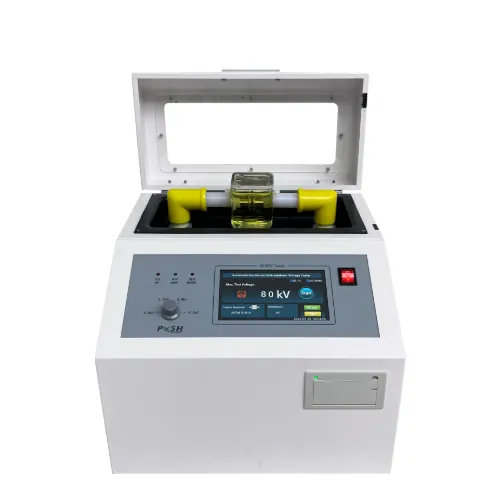
Unveiling the Technical Superiority: Advanced Analytics for Unmatched Insights
Modern engine oil test kits represent a significant leap in diagnostic technology, moving far beyond rudimentary dipstick checks to offer a comprehensive suite of analytical capabilities previously confined to specialized laboratories. At the heart of their technical superiority lies their ability to conduct multi-parameter analyses with remarkable speed and precision. High-end portable kits incorporate spectroscopic techniques to identify wear metals (such as iron, copper, chromium, aluminum), which directly indicate wear in components like bearings, cylinders, and pistons. These kits also employ advanced viscometers to measure oil viscosity, a critical parameter for film strength and lubrication effectiveness, flagging issues like fuel dilution or thermal degradation. Furthermore, they are adept at detecting critical contaminants, including water, glycol (antifreeze), and soot, each posing a distinct threat to engine longevity. For instance, even a small percentage of water can accelerate corrosion and reduce oil's lubricating properties, while glycol contamination often signals a severe internal leak requiring immediate attention. The integration of infrared spectroscopy allows for the assessment of additive depletion, oxidation, and nitration, providing a holistic view of the oil's remaining useful life. Compared to traditional off-site lab analysis, these kits offer real-time results, often within minutes, drastically reducing decision-making latency. This speed is crucial for time-sensitive operations where awaiting lab reports can mean days of uncertainty or, worse, an engine operating unknowingly towards failure. Their robust design ensures reliable performance even in harsh field conditions, making them an invaluable asset for remote sites or applications where immediate diagnostics are paramount.
Quantifiable Returns: The Data-Driven Impact of Regular Oil Analysis
The financial and operational benefits derived from consistent, data-driven oil analysis are not theoretical; they are demonstrably quantifiable and contribute directly to an organization's bottom line. Implementing a robust oil analysis program with an advanced test kit can yield substantial returns, often far outweighing the initial investment. Consider the impact on unscheduled downtime: studies indicate that proactive oil condition monitoring can reduce unexpected equipment failures by 20-30%. For industries where a single hour of downtime can cost tens of thousands of dollars, this translates into millions in annual savings. Moreover, by precisely understanding lubricant degradation and wear rates, organizations can optimize oil drain intervals, often extending them by 10-50%. This not only cuts down on lubricant consumption and disposal costs but also reduces the labor associated with frequent oil changes. For a fleet of 100 heavy-duty trucks, extending oil drain intervals by just 25% could save over $50,000 annually in oil and labor costs alone. Beyond cost savings, extending equipment lifespan is a significant advantage; early detection of minor issues prevents them from escalating into major repairs, potentially increasing the operational life of engines by 15-25%. This defers capital expenditure on new equipment, preserving valuable budget for other strategic investments. The ability to identify fuel dilution or poor combustion through oil analysis can also lead to improved fuel efficiency, with reports indicating potential reductions of 2-5% in fuel consumption by addressing underlying engine inefficiencies. These collective impacts underscore that oil analysis is not an expense but a strategic investment delivering tangible, measurable value through enhanced reliability, reduced operational costs, and optimized asset utilization.
Strategic Choices: A Comparative Analysis of Leading Engine Oil Test Kits
Selecting the right engine oil test kit requires a nuanced understanding of available technologies, operational needs, and budget constraints. The market offers a spectrum of solutions, each with its unique strengths. To illustrate, we can categorize popular offerings into three tiers based on their typical capabilities and target users. Understanding these distinctions is crucial for making an informed decision that aligns with specific maintenance strategies and asset profiles. Below is a comparative table highlighting key features and considerations for different types of kits:
|
Feature/Kit Type |
Basic On-Site Kit |
Advanced Portable Kit |
Lab-Grade Portable System |
|
Accuracy & Precision |
Moderate; typically GO/NO-GO indicators |
High; quantitative results, ±5-10% deviation from lab |
Very High; near lab-grade, <±5% deviation |
|
Speed of Results |
Minutes |
10-30 minutes per sample |
30-60 minutes per sample (multi-parameter) |
|
Key Parameters Tested |
Water, Viscosity (qualitative), Soot (qualitative) |
Viscosity, Water, TBN/TAN, Wear Metals (basic), Soot |
Viscosity, Water, TBN/TAN, Full Wear Metals, Contaminants, Additives, Oxidation, Nitration |
|
Portability |
Excellent; handheld, simple operation |
Good; compact suitcase-style, field-ready |
Moderate; larger suitcase or small cart, robust for on-site use |
|
Initial Cost Range |
$500 - $2,000 |
$5,000 - $20,000 |
$25,000 - $75,000+ |
|
Operating Cost/Sample |
Low ($5-$15) |
Medium ($15-$30) |
Medium-High ($25-$50) |
|
Software Integration |
Minimal; manual data logging |
Basic data logging, trend analysis, reporting |
Advanced predictive analytics, cloud integration, API capabilities |
|
Target User |
Small fleets, basic spot checks |
Medium fleets, critical equipment, remote sites |
Large industrial operations, marine, power gen, military |
Choosing the appropriate kit depends on factors such as the criticality of the equipment, the size of the fleet or facility, regulatory requirements, and the technical expertise of the maintenance team. While a basic kit offers quick checks for immediate red flags, an advanced portable system provides a more comprehensive diagnostic picture, enabling more precise maintenance planning and troubleshooting. For organizations with extensive and high-value assets, investing in a lab-grade portable system brings laboratory capabilities directly to the point of need, drastically reducing turnaround times and empowering truly proactive maintenance strategies without incurring the delays or ongoing costs of external lab services.
Tailored Solutions: Customizing Your Oil Analysis Program
A one-size-fits-all approach to oil analysis rarely yields optimal results. Recognizing the diverse needs across industries and operational scales, leading providers of engine oil test kits offer highly customizable solutions, allowing organizations to precisely tailor their oil analysis programs. This customization extends from the choice of the kit itself to integrated software platforms, training modules, and ongoing support. For smaller fleets or those with less critical equipment, a basic, user-friendly kit focusing on key parameters like water, soot, and viscosity might suffice, offering essential insights without over-complicating operations. Conversely, large industrial complexes, marine vessels, or power generation facilities with complex, high-value machinery require more sophisticated, multi-parameter systems capable of advanced elemental analysis, infrared spectroscopy for additive degradation, and precise particle counting. Customization also involves selecting modular components; for instance, a base kit can be augmented with additional test modules for coolant analysis, fuel dilution, or ferrous debris monitoring, addressing specific vulnerabilities of particular engine types or operational environments. Beyond hardware, software integration is a pivotal area of customization. Solutions range from simple data logging applications to advanced cloud-based platforms offering predictive analytics, historical trend analysis, customizable reporting, and integration with existing CMMS (Computerized Maintenance Management System) or ERP (Enterprise Resource Planning) systems. This allows for seamless data flow, automated alerts, and comprehensive asset health tracking. Furthermore, tailored training programs ensure that maintenance personnel are proficient in operating the equipment, interpreting results, and translating data into actionable maintenance decisions. This holistic approach ensures that every aspect of the oil analysis program is optimized to deliver maximum value, aligning directly with an organization's strategic maintenance goals and operational realities.
Real-World Efficacy: Case Studies in Diverse Industrial Applications
The practical application of engine oil test kits across various industries consistently demonstrates their unparalleled value in preventing failures, optimizing performance, and achieving significant cost savings. In the heavy equipment sector, a major mining company deployed advanced portable oil analysis kits across its fleet of excavators and haul trucks. Within six months, they identified an alarming trend of silicon contamination in several engines, indicating ingress of abrasive dust. Timely intervention, involving improved air filtration and seal replacements, prevented multiple engine overhauls, saving an estimated $1.5 million in repair costs and averting over 200 hours of unscheduled downtime. For the marine industry, where engines operate under extreme stress in remote environments, an international shipping line integrated a lab-grade portable system on its container vessels. This enabled on-board engineers to detect early signs of fuel dilution and TBN depletion, particularly after bunkering new fuel batches. One instance involved detecting severe fuel dilution shortly after refueling in a foreign port, prompting immediate corrective actions and preventing a complete engine shutdown mid-voyage, which would have incurred substantial penalties and delivery delays. In power generation plants, the integrity of turbine and generator lubricants is paramount. A regional utility company utilized specialized kits to monitor lubricant oxidation and wear metal accumulation in their gas turbines. They uncovered a consistent pattern of elevated copper levels in one turbine's oil, tracing it back to a degrading cooler. Proactive replacement during a scheduled outage averted a potential catastrophic bearing failure that could have led to a forced outage costing millions in lost revenue and emergency repairs. These real-world examples underscore the transformative power of on-site oil analysis: it transforms theoretical data into tangible benefits, safeguarding critical assets and ensuring seamless operations across the most demanding industrial landscapes.
Empowering Longevity: The Future of Maintenance with an Advanced Engine Oil Test Kit
As industries continue to embrace the principles of predictive maintenance and smart asset management, the role of an advanced engine oil test kit is set to become even more central to operational excellence. These sophisticated diagnostic tools are no longer just about identifying problems; they are foundational elements of a holistic strategy aimed at maximizing equipment longevity, enhancing efficiency, and securing a competitive advantage. The trajectory of oil analysis technology points towards even greater integration with broader Industrial Internet of Things (IIoT) platforms and Artificial Intelligence (AI). Future kits will feature enhanced connectivity, allowing for seamless, real-time data transmission to cloud-based analytics engines. These AI algorithms will process vast amounts of data from multiple sensors, cross-referencing oil analysis results with operational parameters, historical trends, and even environmental factors to provide hyper-accurate predictions of potential failures. This will enable truly condition-based maintenance, where interventions are precisely timed for maximum efficacy, eliminating unnecessary repairs while pre-empting critical breakdowns. The focus will shift further towards proactive insights, enabling maintenance teams to not only react to detected issues but to anticipate them with unprecedented foresight. Organizations that strategically invest in advanced oil analysis solutions today are not merely purchasing a diagnostic tool; they are acquiring a pivotal component of their future maintenance strategy. This investment empowers them to move beyond reactive fixes, fostering a culture of informed, data-driven decision-making that leads to unparalleled asset reliability, significant cost reductions, and sustained operational continuity in an increasingly demanding global landscape. The ultimate goal is not just to extend the life of an engine, but to optimize its entire lifecycle, extracting maximum value from every asset.
Frequently Asked Questions (FAQs) about Engine Oil Test Kits
Q: What is an engine oil test kit and why is it important?
A: An engine oil test kit is a diagnostic tool used to analyze the physical and chemical properties of engine lubricants. It's crucial for identifying early signs of engine wear, contamination, and oil degradation, enabling proactive maintenance to prevent costly failures and extend equipment lifespan.
Q: How often should I test my engine oil?
A: The frequency of oil testing depends on several factors, including the engine type, operating conditions (e.g., heavy-duty, extreme temperatures), the oil type, and manufacturer recommendations. For critical equipment or harsh environments, monthly or quarterly testing is common, while less demanding applications might allow for bi-annual checks. Continuous monitoring systems offer real-time insights.
Q: What parameters does a typical engine oil test kit measure?
A: Most comprehensive kits measure viscosity, water content, total base number (TBN), total acid number (TAN), soot levels, and often include elemental analysis for wear metals (e.g., iron, copper, chromium) and contaminants (e.g., silicon, sodium, potassium).
Q: Can I perform oil analysis myself, or do I need a professional lab?
A: Modern engine oil test kits are designed for on-site, user-friendly operation, allowing maintenance personnel to perform analysis themselves and get immediate results. While professional labs offer highly detailed analyses, on-site kits provide sufficient, actionable data for most routine and critical diagnostic needs, bridging the gap between basic checks and full lab reports.
Q: What are the main benefits of on-site engine oil analysis compared to sending samples to a lab?
A: On-site analysis offers immediate results, significantly reducing downtime from waiting for lab reports. It allows for quick decision-making, prevents minor issues from escalating, and is particularly beneficial for remote operations. While lab analysis provides deeper insights, on-site kits offer the speed and convenience for routine monitoring and critical diagnostics.
Q: How do I interpret the results from an engine oil test kit?
A: Interpretation involves comparing current readings against baseline values for new oil, historical trends for the specific engine, and established alarm limits or industry standards. Many advanced kits come with integrated software that assists with trend analysis and provides flags for abnormal conditions, often suggesting potential root causes or recommended actions.
Q: Is an engine oil test kit suitable for all engine types?
A: Yes, engine oil test kits are designed to be versatile and can be used across a wide range of engine types, including diesel engines, gasoline engines, natural gas engines, and even hydraulic systems, transmissions, and industrial gearboxes. The specific parameters tested may be adjusted based on the lubricant and application, but the core principles remain applicable.
-
Find the Best Loop Impedance Tester for Sale and Ensure Electrical SafetyYangiliklarMar.31,2026
-
Comprehensive Guide to Loop Impedance Meter for Electrical SafetyYangiliklarMar.28,2026
-
Understanding and Choosing a Line Impedance Tester for Optimal Network PerformanceYangiliklarMar.26,2026
-
Comprehensive Guide to Line Earth Loop Impedance Test for Electrical SafetyYangiliklarMar.24,2026
-
Comprehensive Guide to Fault Loop Impedance Meter and Electrical SafetyYangiliklarMar.21,2026
-
Comprehensive Guide to External Loop Impedance Test for Electrical SafetyYangiliklarMar.19,2026


