 IsiNgesi



-
 Afrikaans
 -
 Albanian
 -
 Amharic
 -
 Arabic
 -
 Armenian
 -
 Azerbaijani
 -
 Basque
 -
 Belarusian
 -
 Bengali
 -
 Bosnian
 -
 Bulgarian
 -
 Catalan
 -
 Cebuano
 -
 China
China -
 China (Taiwan)
 -
 Corsican
 -
 Croatian
 -
 Czech
Czech -
 Danish
 -
 Dutch
Dutch -
 English
 -
 Esperanto
 -
 Estonian
 -
 Finnish
 -
 French
 -
 Frisian
 -
 Galician
 -
 Georgian
 -
 German
 -
 Greek
Greek -
 Gujarati
 -
 Haitian Creole
 -
 hausa
hausa -
 hawaiian
 -
 Hebrew
 -
 Hindi
Hindi -
 Miao
Miao -
 Hungarian
 -
 Icelandic
 -
 igbo
igbo -
 Indonesian
 -
 irish
irish -
 Italian
 -
 Japanese
 -
 Javanese
 -
 Kannada
 -
 kazakh
 -
 Khmer
Khmer -
 Rwandese
 -
 Korean
 -
 Kurdish
 -
 Kyrgyz
 -
 Lao
Lao -
 Latin
Latin -
 Latvian
 -
 Lithuanian
 -
 Luxembourgish
 -
 Macedonian
 -
 Malgashi
 -
 Malay
Malay -
 Malayalam
 -
 Maltese
 -
 Maori
Maori -
 Marathi
 -
 Mongolian
 -
 Myanmar
 -
 Nepali
 -
 Norwegian
 -
 Norwegian
 -
 Occitan
 -
 Pashto
 -
 Persian
 -
 Polish
 -
 Portuguese
 -
 Punjabi
 -
 Romanian
 -
 Russian
 -
 Samoan
 -
 Scottish Gaelic
 -
 Serbian
 -
 Sesotho
 -
 Shona
Shona -
 Sindhi
 -
 Sinhala
 -
 Slovak
 -
 Slovenian
 -
 Somali
 -
 Spanish
 -
 Sundanese
 -
 Swahili
 -
 Swedish
 -
 Tagalog
 -
 Tajik
Tajik -
 Tamil
Tamil -
 Tatar
Tatar -
 Telugu
 -
 Thai
Thai -
 Turkish
 -
 Turkmen
 -
 Ukrainian
 -
 Urdu
Urdu -
 Uighur
 -
 Uzbek
Uzbek -
 Vietnamese
 -
 Welsh
Welsh -
 Bantu
Bantu -
 Yiddish
 -
 Yoruba
 -
 Zulu
Zulu
The Foundation of Electrical Reliability
A comprehensive transformer test routine is the backbone of electrical power system reliability. Transformers, being critical components in substations and power distribution networks, must operate without failure. Regular testing ensures that any developing fault is identified and corrected before it escalates into a major outage.
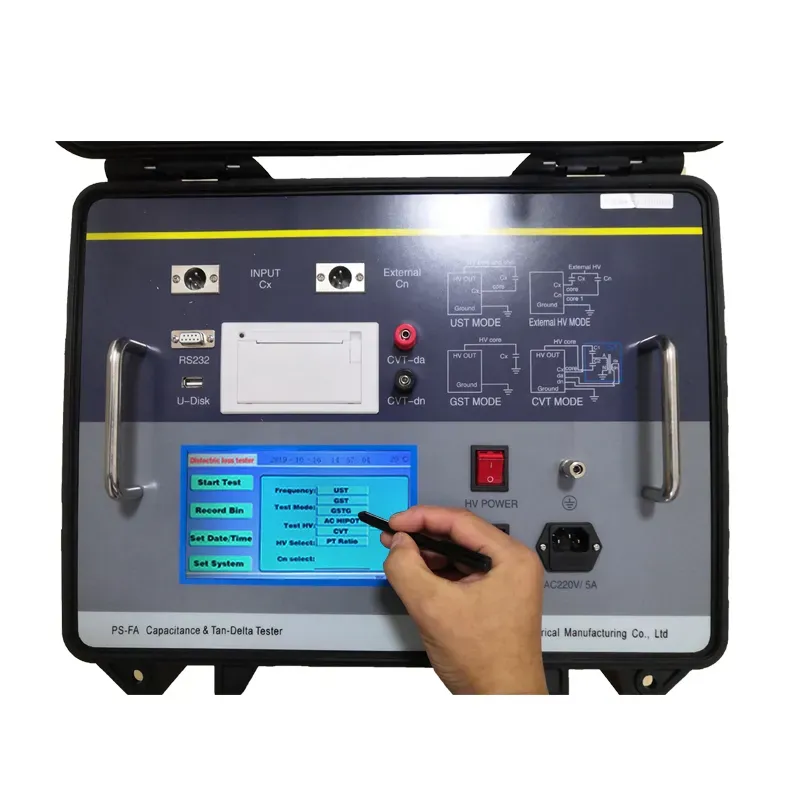
A transformer test covers a range of electrical, thermal, and physical evaluations to assess the health of windings, insulation, oil, and core components. Key benefits of testing include early fault detection, asset life extension, energy efficiency improvements, and regulatory compliance. Routine testing also ensures that equipment meets national and international safety standards.
Modern transformer diagnostics involve high-precision instruments that deliver real-time analysis, making on-site condition monitoring possible. By catching minor anomalies early—like insulation degradation or abnormal resistance—engineers can schedule maintenance proactively and avoid unexpected shutdowns.
Transformer Oil Analysis: Predicting Failures Before They Happen
One of the most critical aspects of transformer maintenance is transformer oil analysis. Transformer oil, also known as insulating or dielectric oil, not only provides insulation but also dissipates heat generated by core and coil losses. Over time, the oil deteriorates due to oxidation, contamination, and exposure to moisture or heat.
Transformer oil analysis involves a range of tests, including dielectric breakdown voltage, moisture content (Karl Fischer method), acidity (neutralization number), interfacial tension, and dissolved gas analysis (DGA). DGA, in particular, can detect incipient faults by identifying gases produced during thermal and electrical degradation.
This type of analysis can reveal the presence of internal arcing, overheating, paper insulation decay, and contamination—well before physical symptoms appear. Regular transformer oil analysis reduces catastrophic failures, improves asset planning, and helps utilities and industries maintain optimal performance while minimizing unplanned outages.
Winding Resistance Test of Transformer: A Simple Step with Big Impact
The winding resistance test of transformer is a simple yet powerful diagnostic tool. It measures the DC resistance of transformer windings to check for internal issues such as loose connections, broken strands, or contact problems in tap changers. Even slight deviations from expected values can indicate serious operational risks.
Performed using a DC test current, the winding resistance test of transformer helps confirm manufacturing quality in new transformers and diagnose issues in aging units. The test is typically done in all tap positions to ensure the tap changer operates properly without introducing high-resistance faults.
Besides detecting physical damage, this test provides critical baseline data for future comparisons. Engineers use this data to spot trends over time, and when resistance increases gradually, it may indicate the beginning of insulation failure or overheating. A fast, accurate resistance check can prevent long-term damage and ensure transformer efficiency.
Transformer Testing Types: From Factory to Field
Understanding the various transformer testing types is essential for building a complete maintenance program. These tests fall into two broad categories: factory tests and field (commissioning or routine) tests. Each test type serves a unique purpose depending on the transformer’s life cycle stage.
Factory tests (routine, type, and special) are conducted by manufacturers to validate design specifications, safety standards, and performance under simulated operating conditions. These include insulation resistance, turns ratio, core insulation, and short-circuit impedance tests.
In-service or field transformer testing types include insulation resistance, DGA, thermography, SFRA (Sweep Frequency Response Analysis), power factor testing, and the winding resistance test of transformer. These are aimed at evaluating the condition of installed units and detecting signs of degradation or impending failure.
Newer testing methods also include online condition monitoring, which uses sensors and AI-driven software to provide continuous data on transformer health. With the right combination of transformer testing types, operators can reduce risk, extend equipment life, and ensure grid stability.
Integrating Transformer Test Programs into Predictive Maintenance
In today’s digital era, it’s not enough to perform tests sporadically. A modern transformer test strategy involves integrating all diagnostic tools into a predictive maintenance program. By combining oil analysis, resistance testing, and thermal imaging into a unified approach, companies can take data-driven actions.
With IoT-enabled sensors and cloud-based dashboards, operators can access transformer condition data in real time. Alerts for anomalies such as increasing winding resistance or deteriorating oil quality can be automated, enabling rapid intervention.
These integrated systems allow for seamless comparison of different transformer testing types, creating a 360-degree view of asset health. Instead of reactive repairs or scheduled downtime, predictive maintenance maximizes uptime, reduces costs, and improves the safety of personnel and infrastructure. Ultimately, transformer testing becomes not just a maintenance task—but a strategic advantage.
Transformer test FAQs
What is the purpose of a transformer test?
A transformer test ensures the transformer operates safely, efficiently, and within design parameters. It helps identify insulation failure, winding defects, oil contamination, and overheating issues. These tests allow engineers to make informed maintenance decisions, avoid costly downtime, and extend the service life of the equipment.
Why is transformer oil analysis important?
Transformer oil analysis is critical for detecting internal faults before they become serious. The oil acts as an insulator and coolant, but over time it can degrade or become contaminated. Tests like DGA, moisture analysis, and acidity levels reveal conditions like arcing, overheating, or insulation decay. Regular oil testing can prevent transformer failure and reduce repair costs.
How is the winding resistance test of transformer performed?
The winding resistance test of transformer is performed by injecting a low DC current into the winding and measuring the voltage drop. Using Ohm’s law, the resistance is calculated and compared to manufacturer specifications or baseline data. This test helps detect issues like loose connections, tap changer defects, and conductor damage. It is typically performed during installation, after repair, or as part of a periodic maintenance plan.
What are the main transformer testing types?
The main transformer testing types include factory tests (routine, type, special) and field tests. Factory tests ensure the transformer meets specifications, while field tests monitor its health during operation. Key types include insulation resistance, oil analysis, winding resistance, SFRA, thermography, and partial discharge testing. Together, these tests provide a comprehensive picture of transformer condition.
Can transformer testing be integrated into predictive maintenance systems?
Yes, many modern transformer test systems are designed for integration with predictive maintenance platforms. Data from oil sensors, temperature monitors, and resistance analyzers can be sent to centralized dashboards. These systems analyze trends and generate alerts when anomalies are detected, allowing proactive maintenance. Integration enhances reliability, reduces downtime, and increases return on asset investment.
-
Find the Best Loop Impedance Tester for Sale and Ensure Electrical SafetyIindabaMar.31,2026
-
Comprehensive Guide to Loop Impedance Meter for Electrical SafetyIindabaMar.28,2026
-
Understanding and Choosing a Line Impedance Tester for Optimal Network PerformanceIindabaMar.26,2026
-
Comprehensive Guide to Line Earth Loop Impedance Test for Electrical SafetyIindabaMar.24,2026
-
Comprehensive Guide to Fault Loop Impedance Meter and Electrical SafetyIindabaMar.21,2026
-
Comprehensive Guide to External Loop Impedance Test for Electrical SafetyIindabaMar.19,2026


