 英语
英语



-
 Afrikaans
 -
 Albanian
 -
 Amharic
 -
 Arabic
 -
 Armenian
 -
 Azerbaijani
 -
 Basque
 -
 Belarusian
 -
 Bengali
 -
 Bosnian
 -
 Bulgarian
 -
 Catalan
 -
 Cebuano
 -
 China
China -
 China (Taiwan)
 -
 Corsican
 -
 Croatian
 -
 Czech
Czech -
 Danish
 -
 Dutch
Dutch -
 English
 -
 Esperanto
 -
 Estonian
 -
 Finnish
 -
 French
 -
 Frisian
 -
 Galician
 -
 Georgian
 -
 German
 -
 Greek
Greek -
 Gujarati
 -
 Haitian Creole
 -
 hausa
hausa -
 hawaiian
 -
 Hebrew
 -
 Hindi
Hindi -
 Miao
Miao -
 Hungarian
 -
 Icelandic
 -
 igbo
igbo -
 Indonesian
 -
 irish
irish -
 Italian
 -
 Japanese
 -
 Javanese
 -
 Kannada
 -
 kazakh
 -
 Khmer
Khmer -
 Rwandese
 -
 Korean
 -
 Kurdish
 -
 Kyrgyz
 -
 Lao
Lao -
 Latin
Latin -
 Latvian
 -
 Lithuanian
 -
 Luxembourgish
 -
 Macedonian
 -
 Malgashi
 -
 Malay
Malay -
 Malayalam
 -
 Maltese
 -
 Maori
Maori -
 Marathi
 -
 Mongolian
 -
 Myanmar
 -
 Nepali
 -
 Norwegian
 -
 Norwegian
 -
 Occitan
 -
 Pashto
 -
 Persian
 -
 Polish
 -
 Portuguese
 -
 Punjabi
 -
 Romanian
 -
 Russian
 -
 Samoan
 -
 Scottish Gaelic
 -
 Serbian
 -
 Sesotho
 -
 Shona
Shona -
 Sindhi
 -
 Sinhala
 -
 Slovak
 -
 Slovenian
 -
 Somali
 -
 Spanish
 -
 Sundanese
 -
 Swahili
 -
 Swedish
 -
 Tagalog
 -
 Tajik
Tajik -
 Tamil
Tamil -
 Tatar
Tatar -
 Telugu
 -
 Thai
Thai -
 Turkish
 -
 Turkmen
 -
 Ukrainian
 -
 Urdu
Urdu -
 Uighur
 -
 Uzbek
Uzbek -
 Vietnamese
 -
 Welsh
Welsh -
 Bantu
Bantu -
 Yiddish
 -
 Yoruba
 -
 Zulu
Zulu
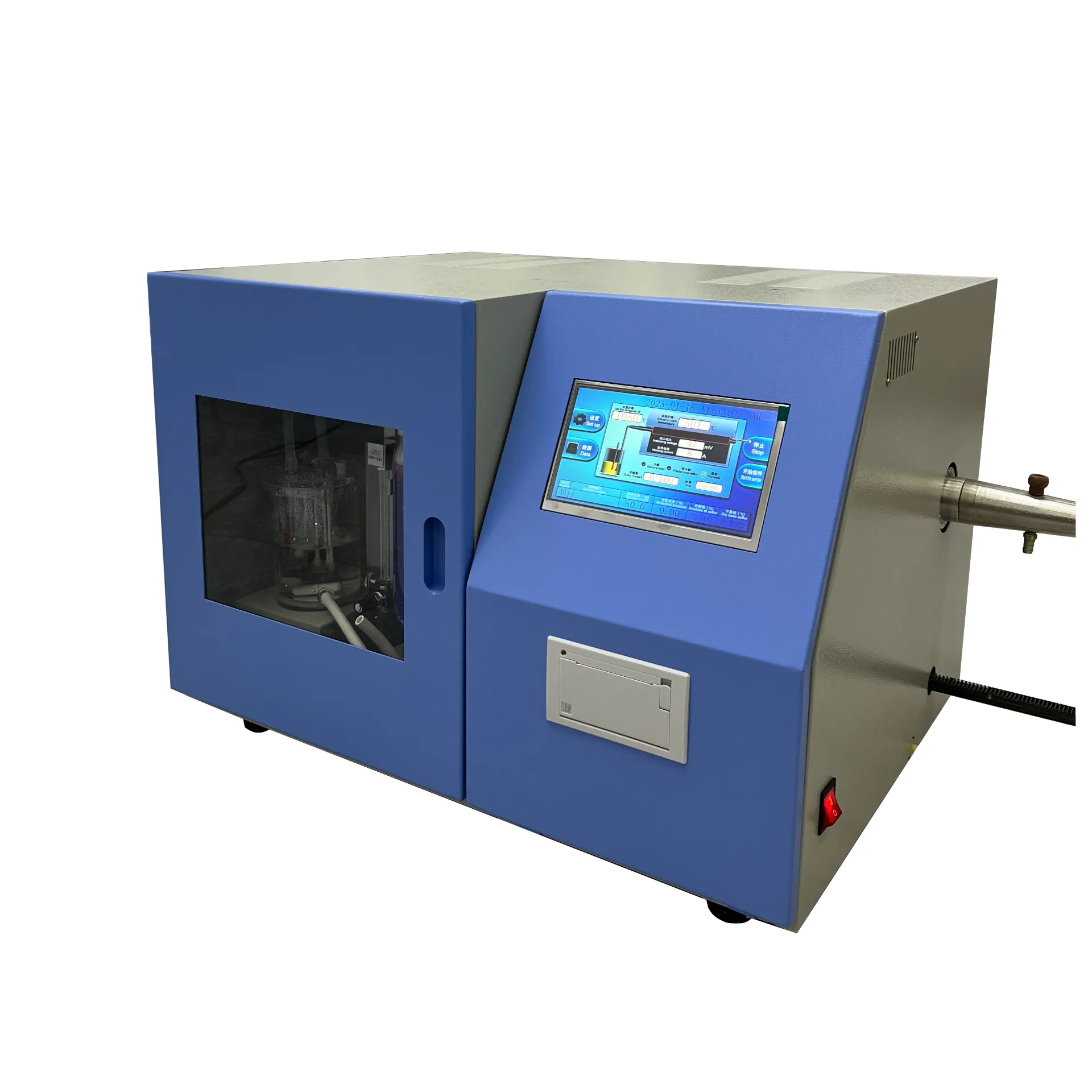
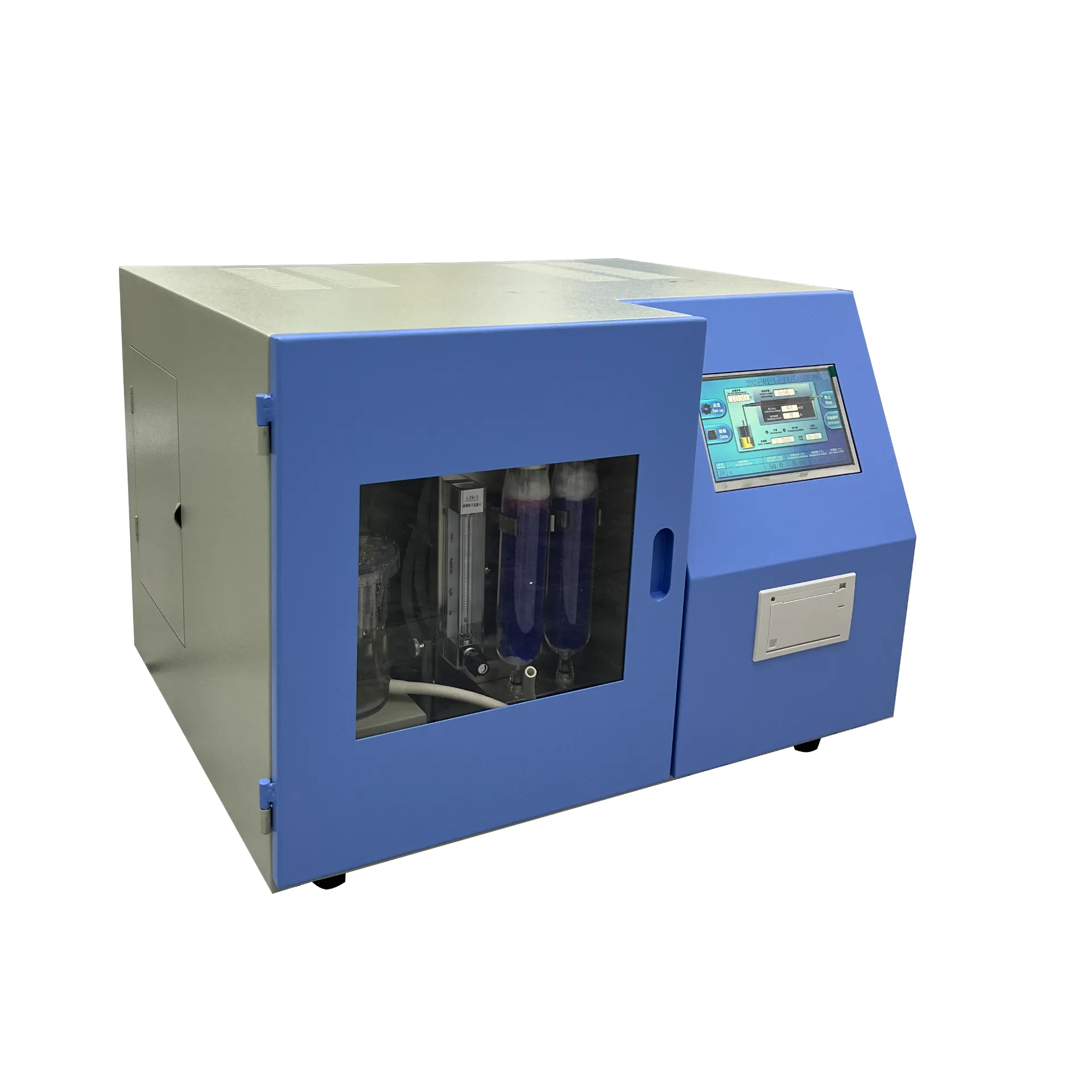
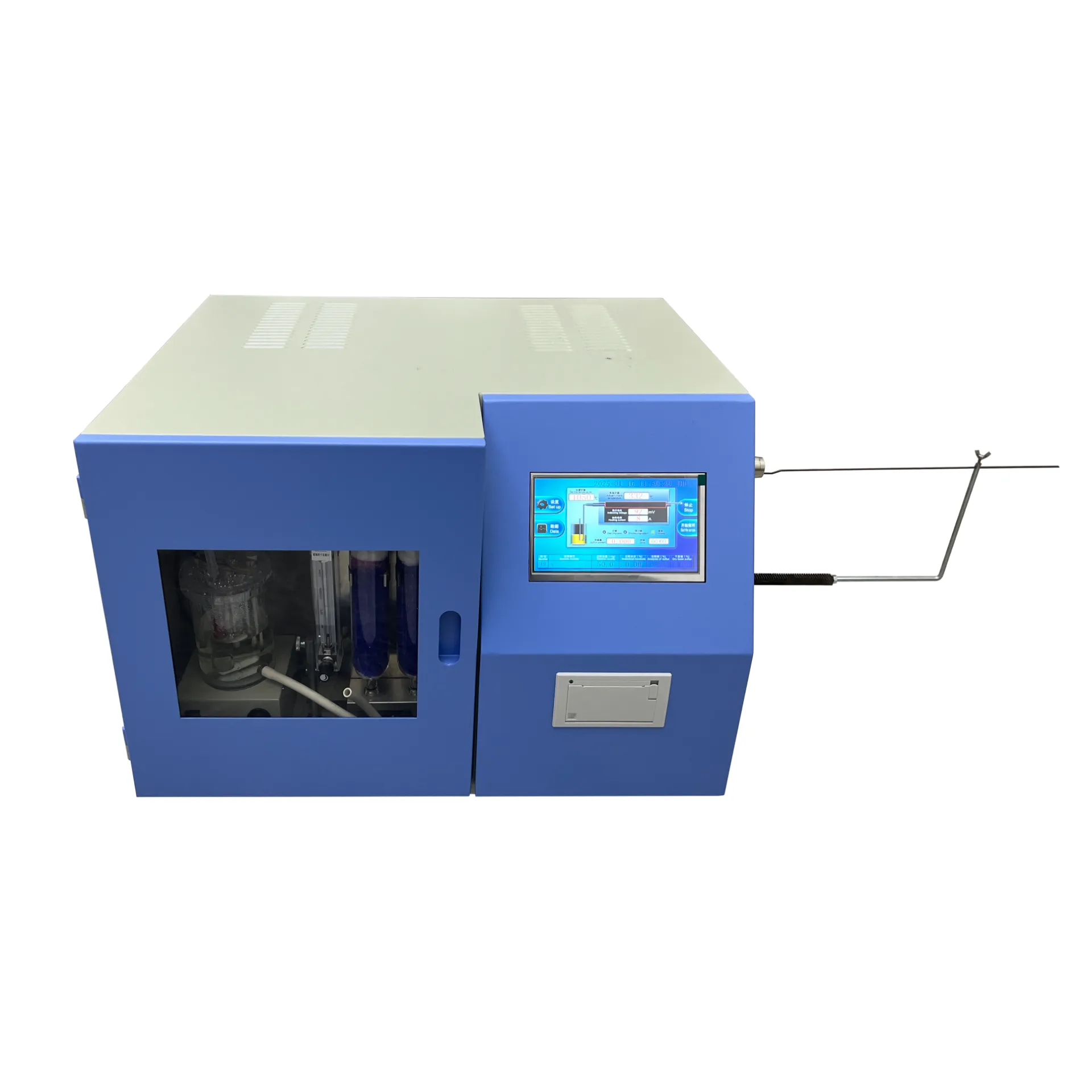
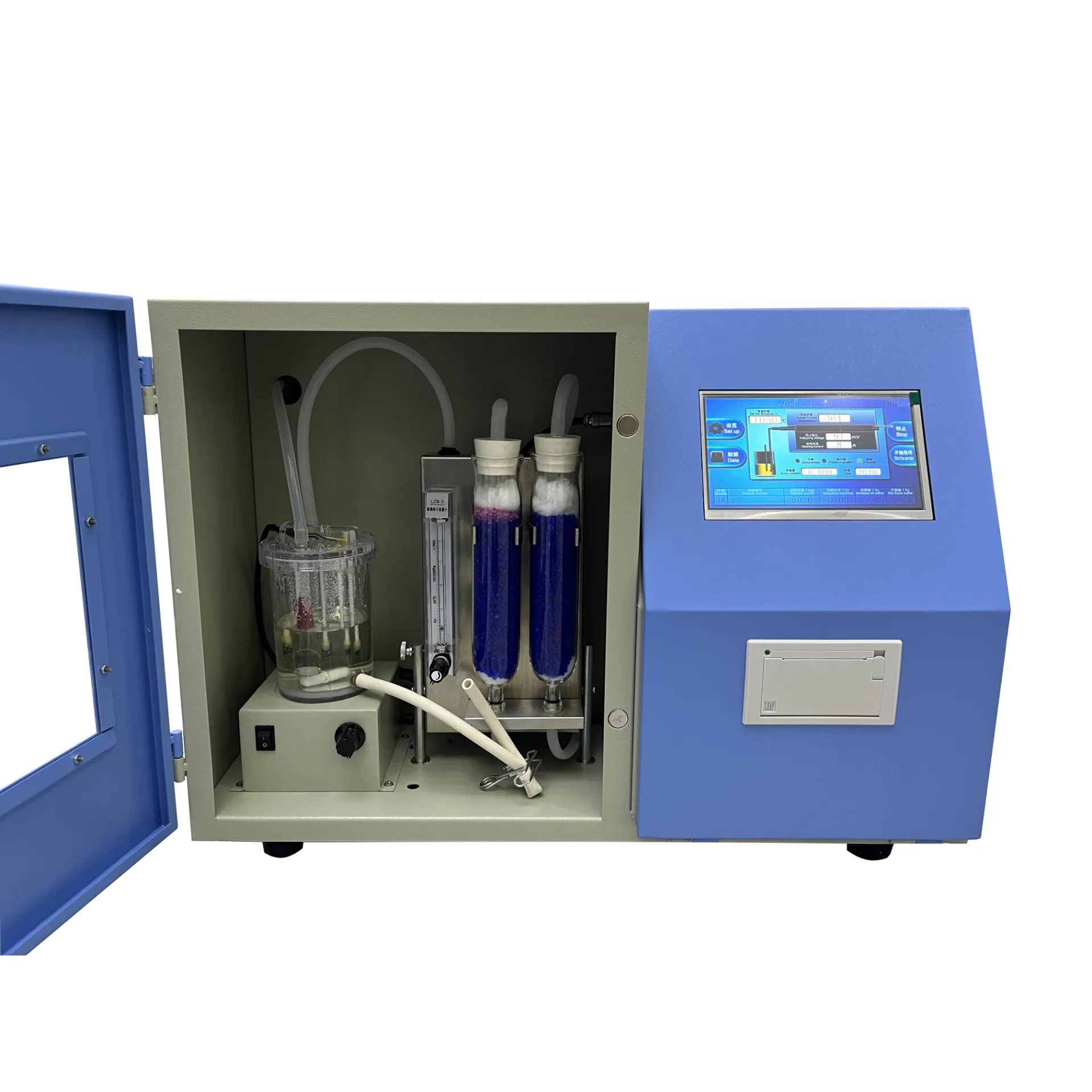
Compared with similar sulfur analyzers, this instrument has the following features:
[1] Friendly human-machine interface, simple keyboard operation, easy to learn and use.
[2] The furnace temperature adopts PID mode to control the furnace flow, with high temperature control accuracy, which can effectively protect the silicon carbon tube and extend the service life.
[3] The furnace temperature and correction can be directly changed by keyboard input.
[4] Intelligent control of the on and off of the electrolysis switch will not cause over-electrolysis due to the order of switching on and off.
[5] When making coal samples, you can check the furnace temperature, furnace flow, indication voltage, process time and sulfur content at any time, and the test process is clear at a glance.
[6] Automatically determine the titration end point, shorten the experimental time and improve work efficiency.
[7] If the moisture value is entered, the dry agent sulfur and moisture value will be calculated and printed.
[8] This instrument can memorize the latest 100 historical records when the power is off, and can print the historical records at any time.
[1] Sulfur measurement range: 0-10%
[2] Sample combustion analysis time 3--9 minutes, intelligent judgment titration end point return.
[3] Temperature control: accuracy 1150±5℃. Temperature measurement: accuracy 0.5 level; heating body is silicon carbon tube, high temperature zone length ≥90 mm, temperature is 1150℃±5℃ (temperature can be adjusted as needed).
[4] Heating speed: 25--30℃/min, about 35 minutes to reach 1200℃.
[5] Electrolytic cell: volume 450 ml, metal platinum electrode.
[6] Instrument stability: enter stable state within 1 minute after power on.
[7] Power supply: 220V±20% 50Hz.
Analysis principle
The coal sample is burned in a purified air flow at a high temperature of 1150℃. All forms of sulfur in the coal are burned and decomposed, and carried to the electrolytic cell by the air flow to combine with water to form H2SO3. Since it destroys the original dynamic balance of iodine-iodide ion pairs in the electrolytic cell, the instrument immediately outputs current to electrolyze potassium iodide solution to generate iodine to restore the original dynamic balance, which is the coulometric titration in GB/T214-1996. The specific amount of current consumed to restore the original dynamic balance is directly related to the amount of sulfur burned and decomposed in the coal sample, which can be measured and calculated by the microprocessor, so we can derive the total sulfur content in the coal.
digital insulation
insulation tester
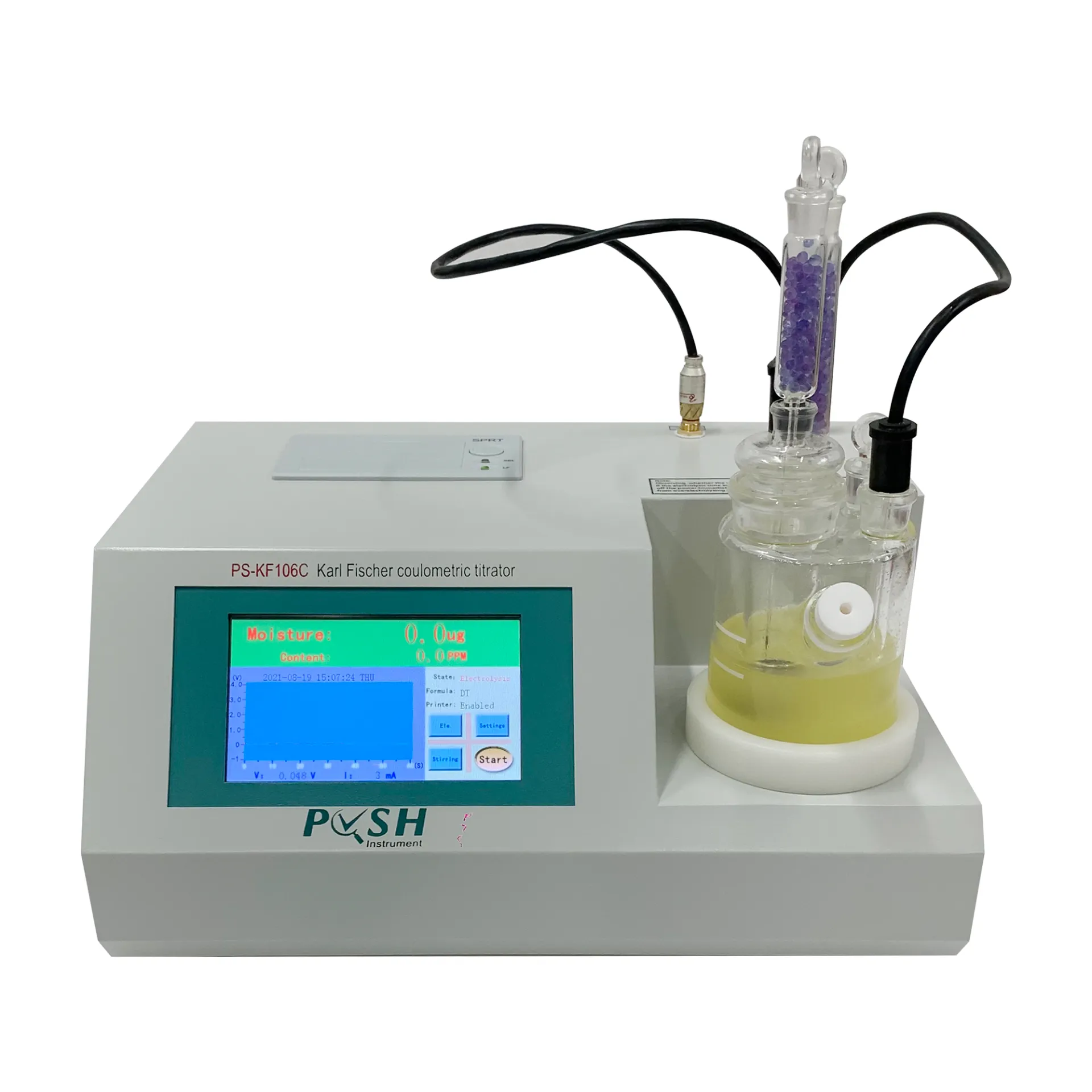
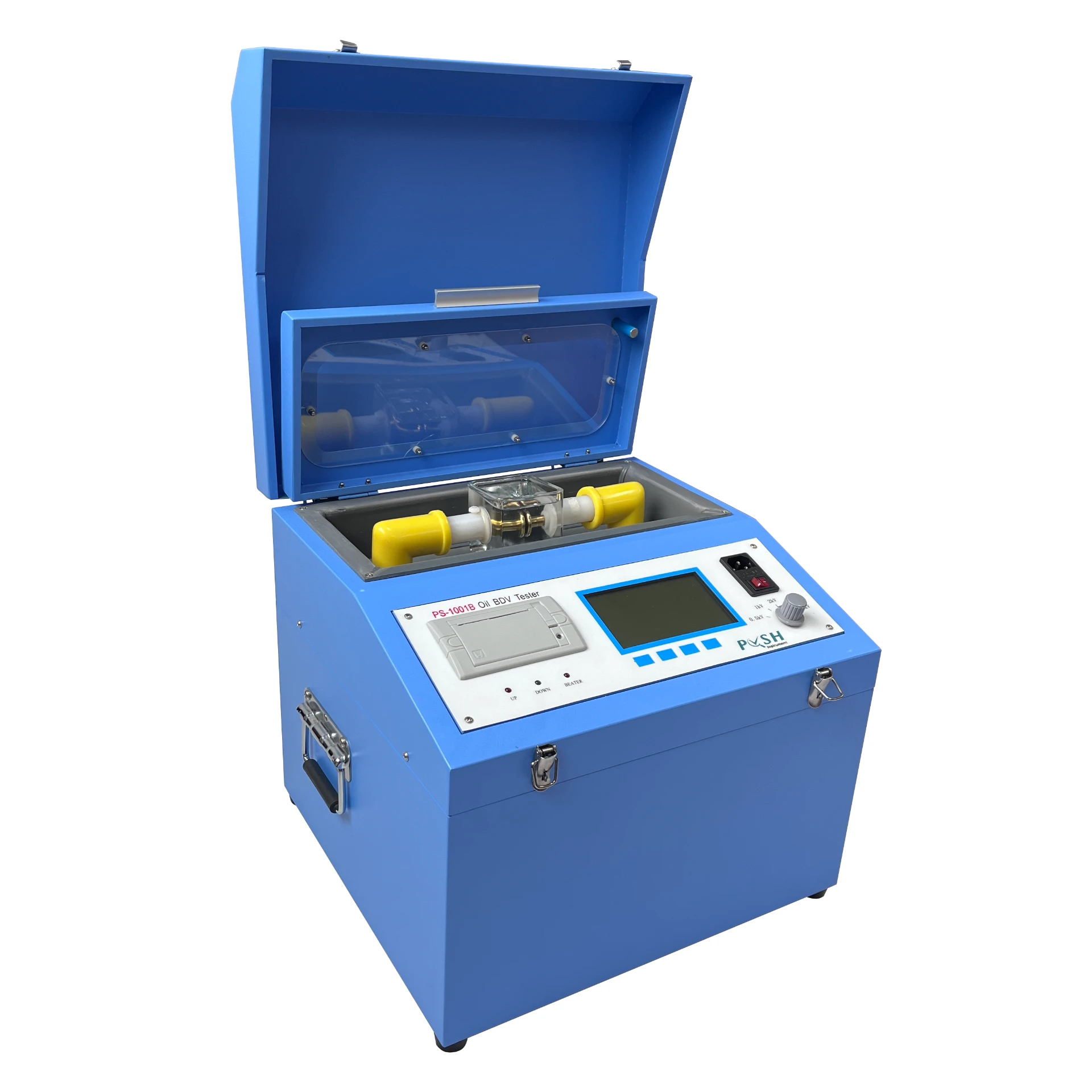
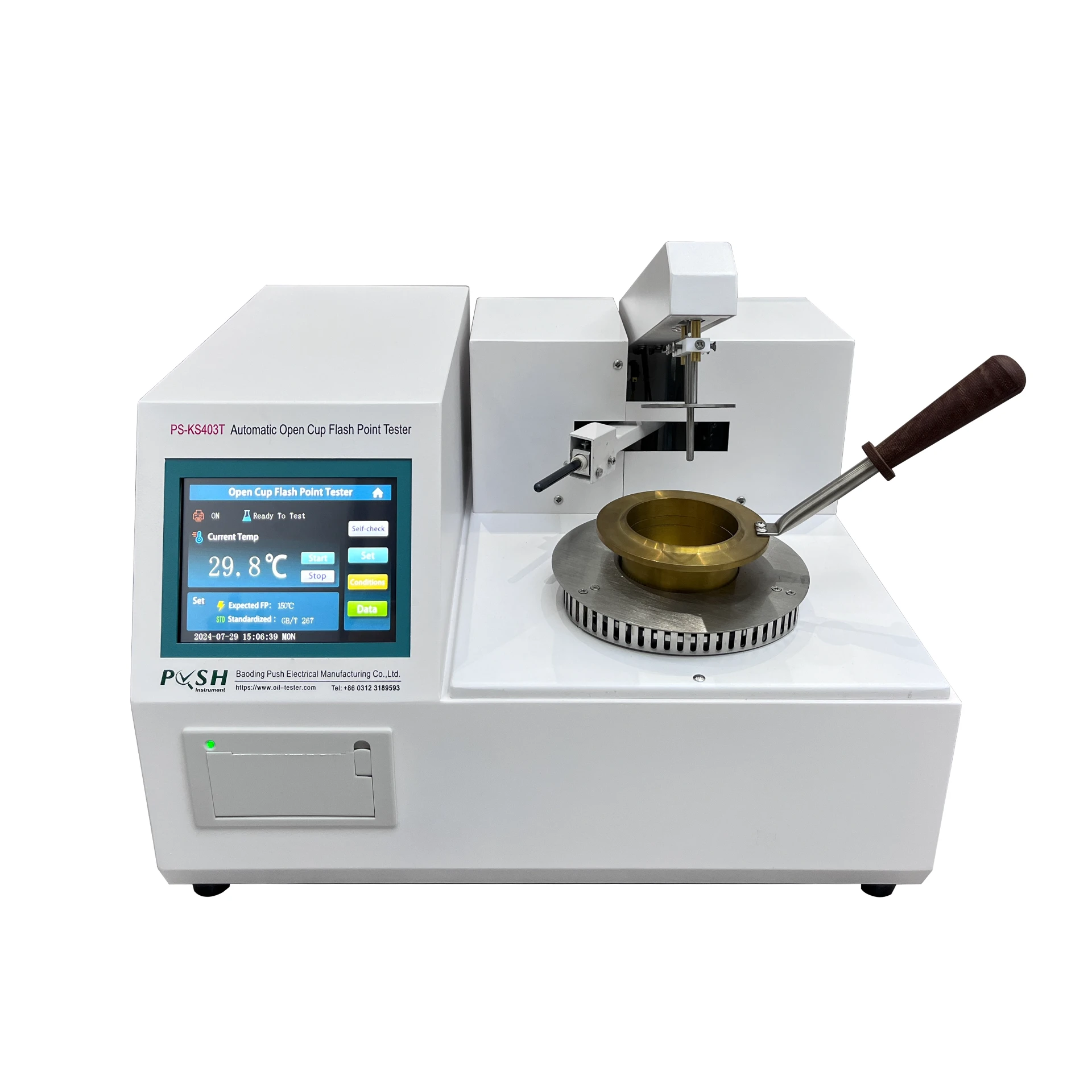
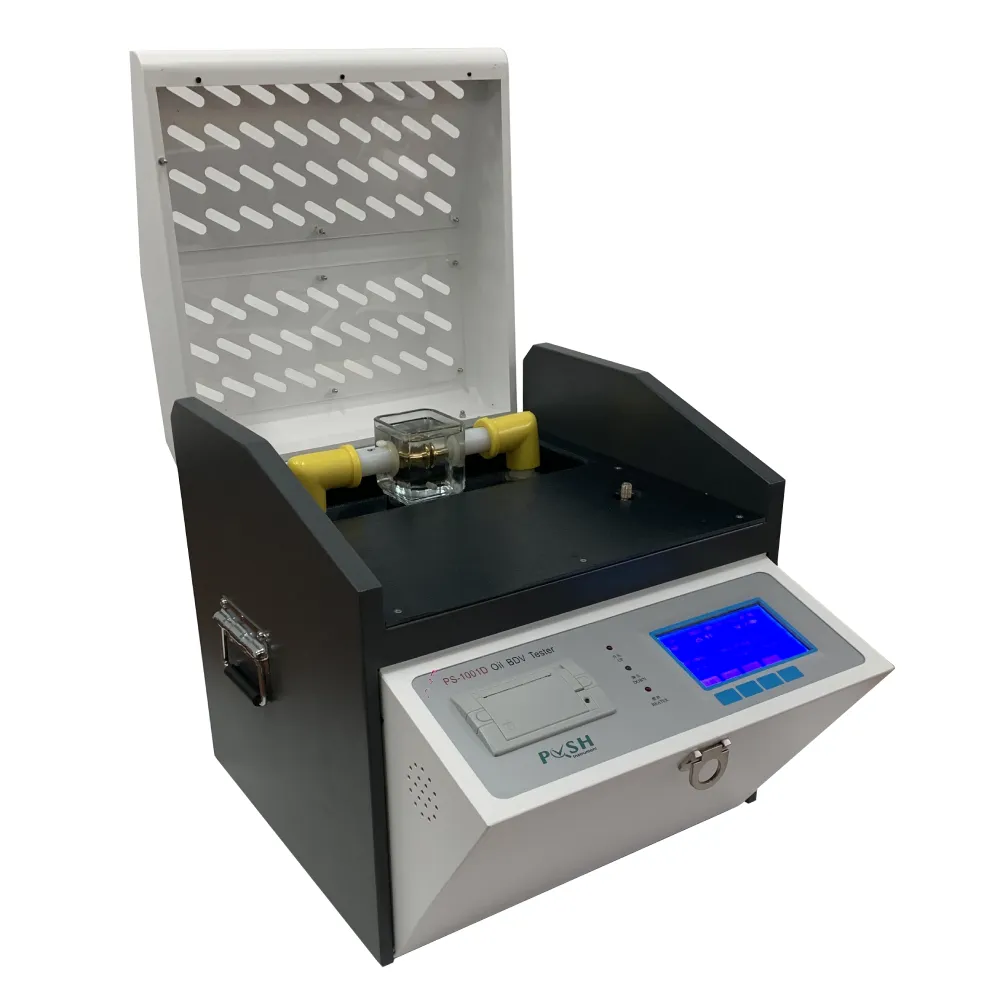
-
 Find the Best Loop Impedance Tester for Sale and Ensure Electrical SafetyWhen ensuring electrical safety, accurate loop impedance testing is crucial. Whether you’re an electrician, a facilities manager, or a safety inspector, having a reliable loop impedance tester for sale is essential. This article will guide you through the key considerations when purchasing a loop impedance tester, explore the different types available, and highlight the benefits of choosing a high-quality instrument. Understanding the nuances of these testers will help you make an informed decision and ensure compliance with safety regulations.细节
 -
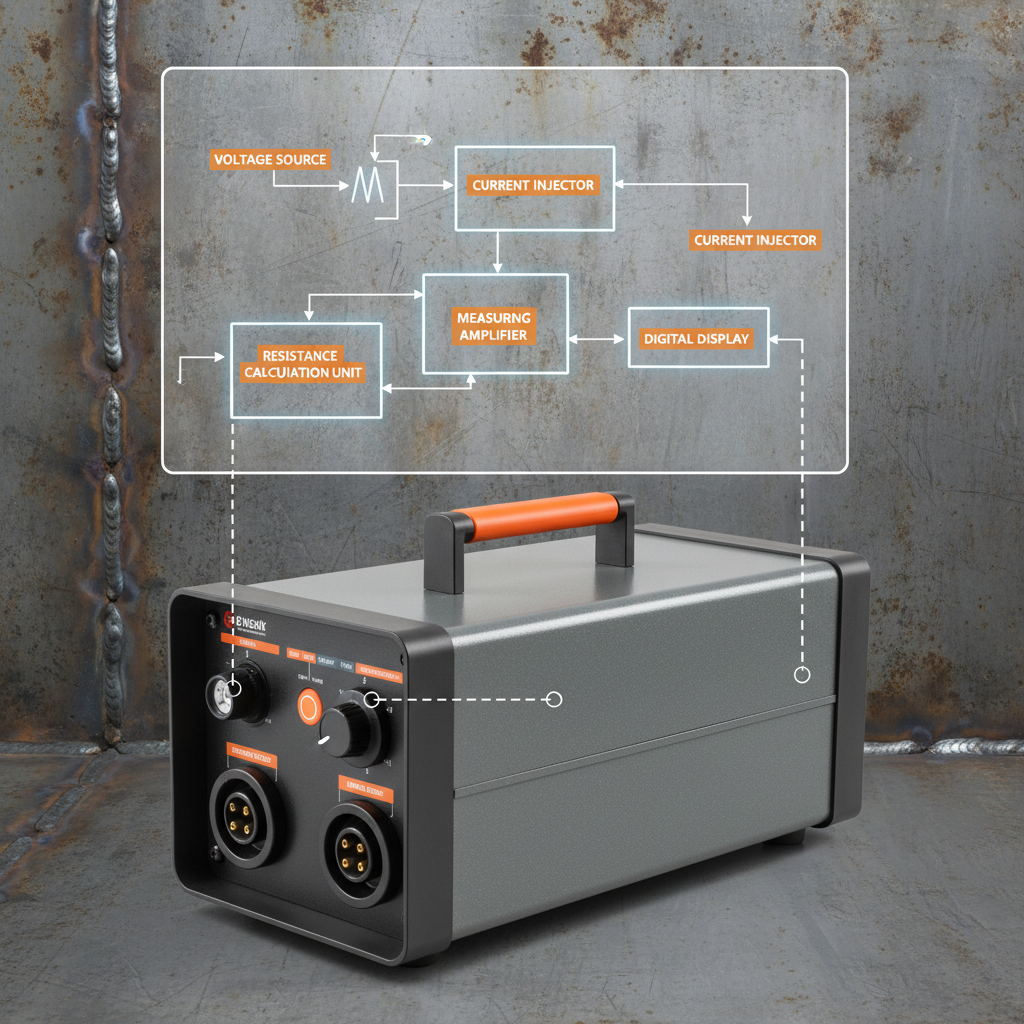 Comprehensive Guide to Loop Impedance Meter for Electrical SafetyEnsuring electrical safety is paramount in any installation, and a loop impedance meter is a crucial tool for achieving this. This device measures the total impedance of the earth fault loop, helping to verify that protective devices will operate correctly under fault conditions. In this article, we'll explore what a loop impedance meter is, how it works, its applications, factors influencing measurements, choosing the right meter, and the importance of regular testing. Investing in a quality meter from Push Tester is a step towards safer electrical systems.细节
 -
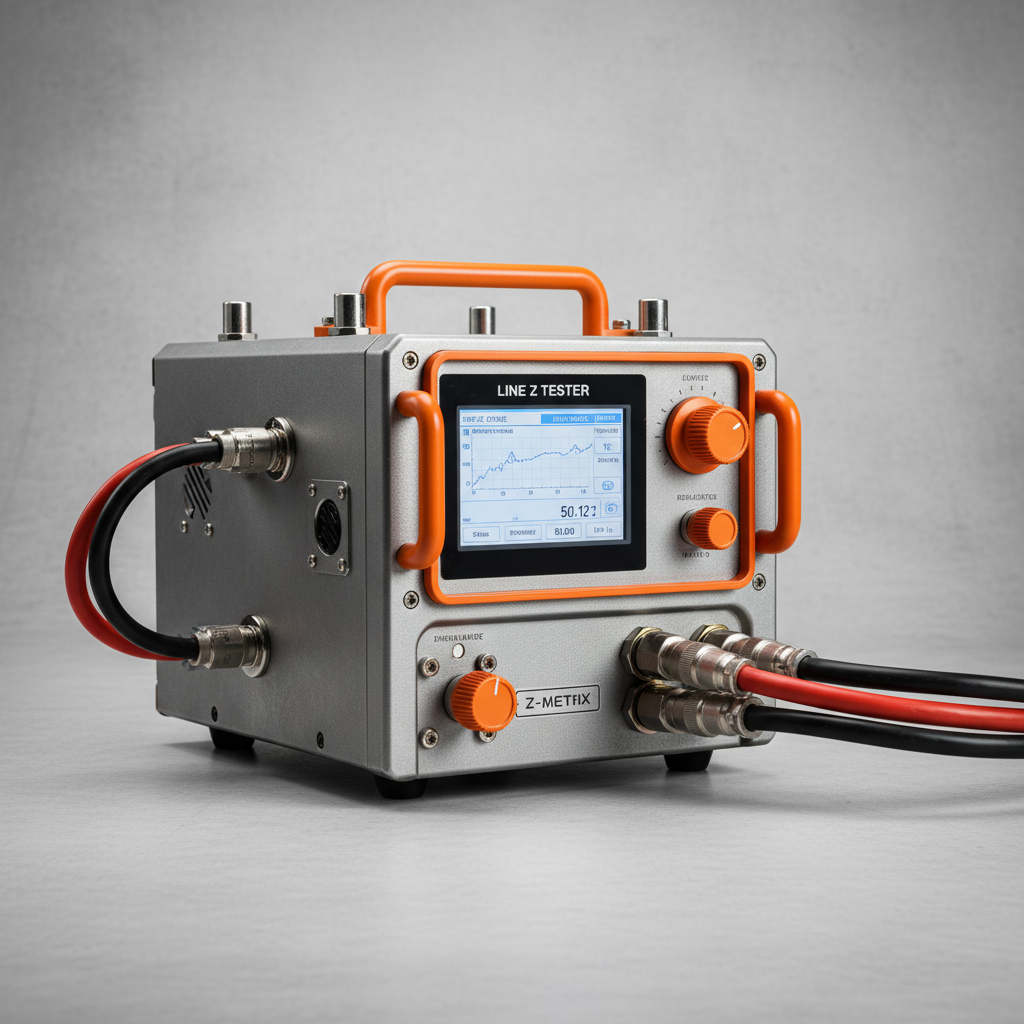 Understanding and Choosing a Line Impedance Tester for Optimal Network PerformanceIn the realm of telecommunications and electrical engineering, maintaining the integrity of transmission lines is paramount. A line impedance tester is a crucial instrument for ensuring optimal signal transmission and preventing costly network disruptions. This article delves into the world of line impedance testing, exploring its importance, applications, types of testers, and what to look for when making a purchase. Ensuring accurate impedance measurements is essential for efficient and reliable network performance. Choosing the right tester can significantly impact troubleshooting speed and the overall quality of your infrastructure. A line impedance tester, also known as a cable impedance analyzer, is a device used to measure the characteristic impedance of coaxial cables, twisted pair cables, and other transmission lines. Impedance, measured in ohms, represents the opposition to the flow of alternating current. Maintaining the correct impedance (typically 50 or 75 ohms) is vital for minimizing signal reflections, ensuring efficient power transfer, and preventing signal degradation. Mismatched impedance can lead to signal loss, ghosting, and reduced network performance. Regular testing helps identify faults and maintain network integrity.细节


