 English



Automatic Pour Point Analyzer | Precision & Speed for Labs
Introduction to Automatic Pour Point Analyzers in B2B Applications
In the demanding landscape of the petrochemical, lubricant, and energy industries, the precise characterization of petroleum products and lubricants is paramount for operational efficiency, safety, and regulatory compliance. Among the critical parameters, pour point and cloud point are vital indicators of a fluid's low-temperature flow characteristics. An automatic pour point analyzer represents a sophisticated advancement in this domain, offering unparalleled accuracy, speed, and automation compared to traditional manual methods. These advanced instruments, including the PS-JY02 Apparatus ASTM D97 Oil Pour Point and Cloud Point Tester, are engineered to streamline laboratory workflows, enhance data reliability, and support critical decision-making processes for B2B stakeholders.
The ability to accurately determine the cloud point and pour point helps engineers and quality control professionals predict how oils and fuels will behave in cold environments, preventing issues such as filter clogging, pump cavitation, and overall system failure. This document explores the intricate details of these analyzers, from their manufacturing process and technical specifications to their broad range of applications, emphasizing their role in modern industrial operations.
Detailed Process Flow: Manufacturing an Automatic Pour Point Analyzer
The manufacturing of a high-precision automatic pour point analyzer involves a rigorous multi-stage process, ensuring the instrument meets stringent industry standards for performance and durability. This intricate process combines advanced material science, precision engineering, and comprehensive quality control.
1. Design and Prototyping
- Conceptualization & CAD: Initial designs are developed using Computer-Aided Design (CAD) software, focusing on ergonomic design, modularity, and integration of core analytical components.
- Material Selection: Critical components, particularly those exposed to varying temperatures or corrosive samples, are specified using high-grade materials. This includes 304 or 316 stainless steel for sample chambers and cooling blocks, ensuring corrosion resistance and thermal stability. Other components may utilize specialized engineering plastics (e.g., PEEK, PTFE) for insulation or chemical compatibility.
- Prototyping: Functional prototypes are created, often using rapid prototyping techniques, to validate design concepts and refine mechanical and electrical interfaces.
2. Component Manufacturing
- CNC Machining: Precision components, such as the Peltier cooling block, sample holder, and optical detection mechanism, are manufactured using multi-axis CNC machining. This ensures micron-level tolerances critical for accurate temperature control and optical sensing.
- Casting/Forging (for specialized cases): For certain structural elements or high-pressure components, casting or forging might be employed, followed by subsequent machining to achieve final dimensions and surface finishes. This is less common for the analytical core but can apply to structural frames for robust industrial units.
- Electronics Fabrication: Printed Circuit Boards (PCBs) for control, data acquisition, and user interface are fabricated, assembled with surface-mount components, and rigorously tested.
- Sensor Integration: High-precision temperature sensors (e.g., PT100, thermistors), optical detectors for cloud point, and tilt mechanisms for pour point are sourced and prepared for integration.
3. Assembly and Integration
- Module Assembly: Sub-assemblies (e.g., cooling system, optical detection unit, sample handling robotics) are built and individually tested.
- Final Assembly: All modules are integrated into the main chassis. Wiring, tubing for cooling fluids (if applicable), and mechanical linkages are meticulously connected.
- Software Installation: Proprietary control software and user interface (UI) are loaded onto the embedded system.
4. Calibration and Quality Assurance
- Temperature Calibration: The cooling system and temperature sensors are calibrated against traceable standards across their operational range, typically in accordance with ISO/IEC 17025.
- Performance Testing: Each automatic pour point analyzer undergoes comprehensive testing using certified reference materials (CRMs) to verify compliance with standards like ASTM D97 (pour point) and ASTM D2500 (cloud point). Other relevant standards may include ISO 3016, ISO 3015, and IP 15.
- Durability Testing: Stress tests are performed to simulate long-term operation, ensuring a projected service life of 5-10 years or more with proper maintenance.
- Regulatory Compliance: The final product is checked for adherence to international safety and electromagnetic compatibility (EMC) standards, such as CE, FCC, and RoHS.
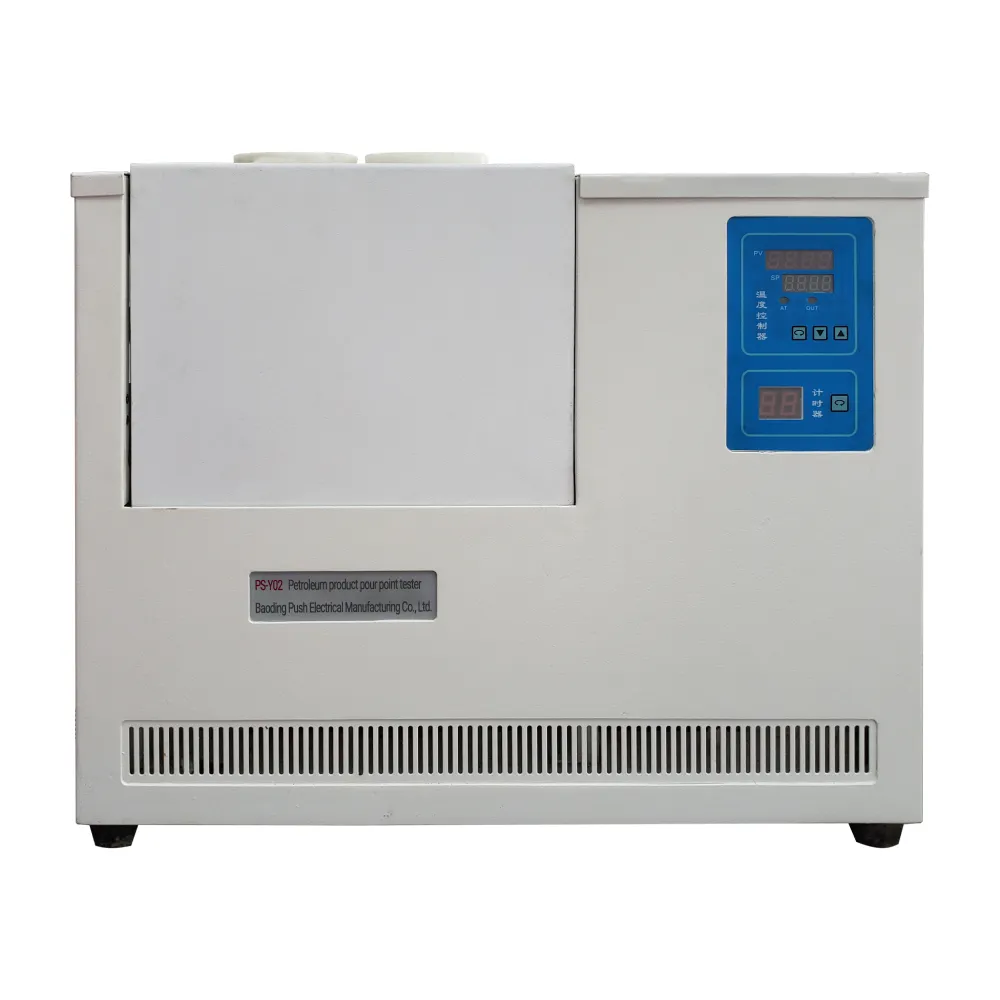
Target Industries and Advantages:
These analyzers are indispensable across various critical sectors:
- Petrochemical Industry: For quality control of crude oil, diesel fuels, jet fuels, and other distillates. Ensures fuels meet specifications for cold weather operation, preventing operational failures and ensuring energy saving in transportation and storage.
- Lubricant Manufacturing: To characterize engine oils, gear oils, hydraulic fluids, and transmission fluids. Proper pour point ensures lubrication in diverse temperatures, enhancing machine longevity and reducing maintenance costs.
- Oil & Gas Exploration/Production: Crucial for understanding crude oil properties for pipeline transport and refining. Avoids gelling in pipelines, contributing to efficient and corrosion resistance in handling infrastructure.
- Research & Development: For developing new formulations of fuels and lubricants, providing rapid and reliable data for material science innovation.
The robust construction and adherence to international standards ensure a long service life, typically 7-10 years, even in harsh industrial environments, offering significant return on investment through improved product quality and reduced manual labor.
Industry Trends in Cloud and Pour Point Analysis
The landscape of analytical instrumentation is continually evolving, driven by demands for greater efficiency, accuracy, and data integration. The field of cloud and pour point analysis is no exception, witnessing several key trends:
- Increased Automation and Robotics: The shift from semi-automatic cloud and pour point analyzer to fully automated systems minimizes human intervention, reducing operator error and enhancing throughput. Robotic sample handling, integrated pre-conditioning, and automatic cleaning are becoming standard features, especially in high-volume laboratories.
- Enhanced Data Connectivity and LIMS Integration: Modern analyzers offer seamless integration with Laboratory Information Management Systems (LIMS) and other enterprise resource planning (ERP) platforms. This facilitates real-time data transfer, centralized record-keeping, and improved data traceability, crucial for regulatory compliance and audit trails. Cloud-based data storage and analysis are also gaining traction, enabling remote monitoring and management.
- Miniaturization and Portability: While high-throughput lab instruments remain essential, there's a growing demand for compact, portable pour point tester units for field testing and mobile laboratories. These smaller devices leverage advanced cooling technologies and streamlined optics to offer reliable results outside traditional lab settings.
- Advanced Cooling Technologies: Peltier cooling elements are becoming ubiquitous, offering precise and rapid temperature control without the need for external refrigerants or chilling baths. This not only makes the instruments more environmentally friendly but also reduces operational costs and complexity.
- Compliance with Evolving Standards: As industries push for greener fuels and novel lubricant formulations, analytical instruments must adapt to new ASTM, ISO, and IP standards. Manufacturers continually update their software and hardware to meet these evolving requirements, ensuring that their cloud point analyzer remains relevant and authoritative.
These trends collectively contribute to more efficient, reliable, and intelligent laboratory operations, underscoring the strategic value of investing in a state-of-the-art automatic pour point analyzer.
Technical Specifications and Parameters
Understanding the technical specifications of an automatic pour point analyzer is crucial for B2B buyers to ensure the instrument meets their specific operational and compliance needs. The PS-JY02, for example, embodies a blend of precision engineering and robust design.
Key Product Specifications (Example: PS-JY02 Apparatus ASTM D97 Oil Pour Point and Cloud Point Tester)
| Parameter | Specification | Notes |
|---|---|---|
| Measuring Range | Pour Point: -70°C to +50°C; Cloud Point: -70°C to +50°C | Wide range suitable for diverse petroleum products. |
| Measurement Accuracy | ±0.5°C (Pour Point); ±0.5°C (Cloud Point) | High precision meeting ASTM D97/D2500 standards. |
| Cooling Method | Semiconductor refrigeration (Peltier) | Environmentally friendly, efficient, and precise temperature control. |
| Cooling Rate | User-configurable, typically 1°C/min or 3°C/min | Complies with various test methods for different sample types. |
| Sample Volume | 15-20 mL | Minimal sample required, reducing waste and cost. |
| Detection Method | Pour Point: Automatic tilt mechanism + optical detection; Cloud Point: Infrared optical detection | Reliable and repeatable results, eliminating subjective manual observation. |
| Display | Color LCD Touch Screen (7-10 inches) | Intuitive user interface for easy operation and data visualization. |
| Data Storage | Built-in memory (e.g., 2000+ test results), USB output | Ensures data integrity and facilitates transfer for external analysis. |
| Power Supply | AC220V±10%, 50/60Hz, 600W | Standard industrial power requirements. |
| Dimensions (L×W×H) | Approx. 400mm × 300mm × 500mm | Compact design, suitable for standard laboratory benches. |
| Weight | Approx. 25-30 kg | Manageable weight for laboratory setup. |
| Applicable Standards | ASTM D97, ASTM D2500, ISO 3016, ISO 3015, IP 15 | Ensures results are globally recognized and comparable. |
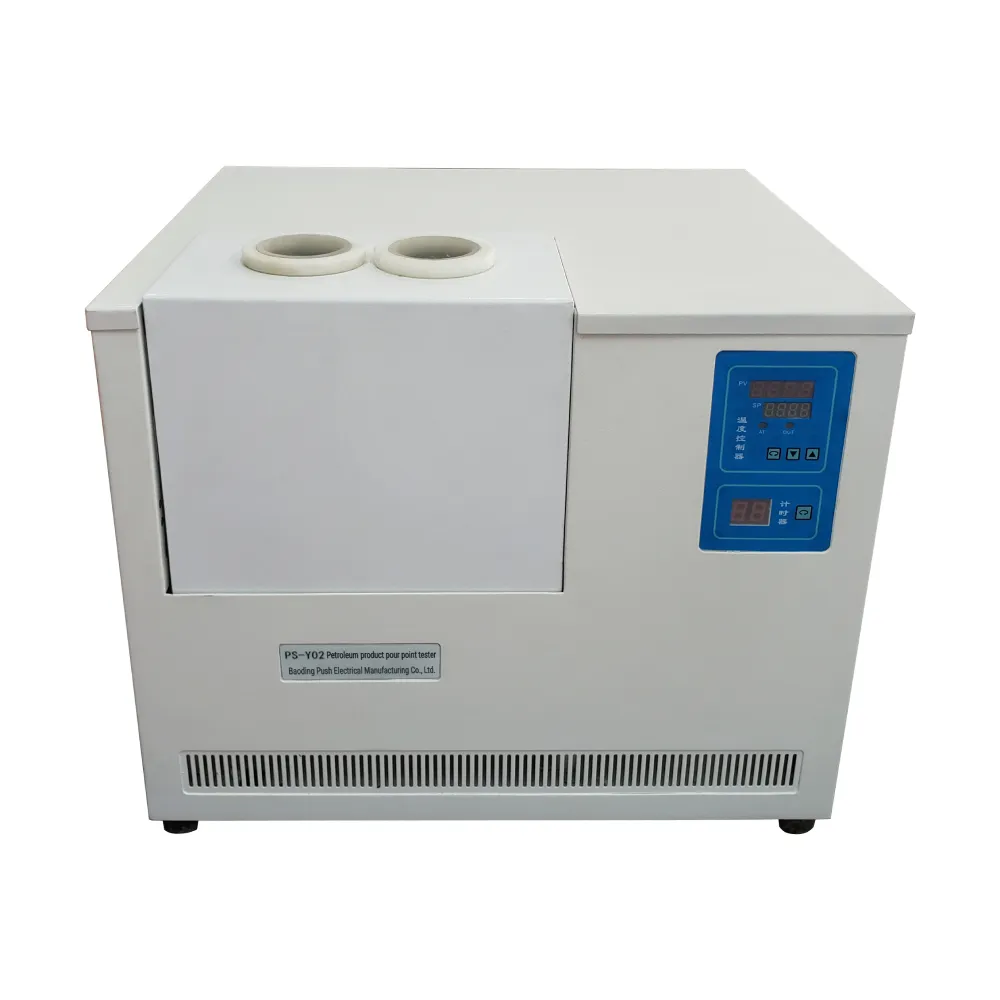
These specifications highlight the capabilities of a modern cloud point tester, demonstrating its ability to deliver precise, repeatable results essential for critical quality control and research applications.
Application Scenarios and Case Studies
The versatility of an automatic pour point analyzer makes it an indispensable tool across a spectrum of industrial applications. Here are typical scenarios and illustrative case studies:
1. Petroleum Refining and Production
- Scenario: A large refinery processes crude oil from various sources, each with different wax content and potential low-temperature flow issues. They need to ensure that refined products like diesel and jet fuel meet specific pour point requirements for different climatic zones.
- Application: An automatic cloud and pour point analyzer is integrated into the quality control laboratory. It performs rapid, high-volume testing of intermediate and final products.
- Case Study: A major European refinery implemented a fleet of automated pour point testers. By reducing test times from over an hour to under 15 minutes per sample and eliminating subjective human error, they were able to optimize blending operations. This resulted in a 5% reduction in off-spec batches related to low-temperature properties and an estimated annual savings of $500,000 in reprocessing costs and improved product yield. The consistent data also enhanced their compliance reporting to international aviation fuel standards (e.g., DEF STAN 91-091).
2. Lubricant Manufacturing and Quality Assurance
- Scenario: A global lubricant manufacturer develops and produces a wide range of industrial and automotive lubricants. Each product line has specific operating temperature ranges, making pour point and cloud point critical for performance guarantees.
- Application: The R&D department uses a pour point analyzer for new formulation development, while the QA/QC department uses it for batch release testing.
- Case Study: An industrial lubricant company struggled with inconsistent pour point results from manual testing, leading to customer complaints about cold-start performance in hydraulic systems. Adopting an automated pour point test equipment allowed them to establish tighter quality control limits. Post-implementation, they reported a 70% decrease in customer complaints related to low-temperature lubricant performance and significantly faster product release cycles, gaining a competitive edge in the high-performance lubricant market.
3. Fuel Distribution and Storage
- Scenario: A large fuel terminal manages the storage and distribution of various fuels. During winter months, monitoring the low-temperature properties of diesel and heating oil is essential to prevent gelling in tanks and pipelines.
- Application: A rugged cloud point analyzer is used for routine checks on incoming and outgoing batches, especially before cold snaps.
- Case Study: A logistics company operating fuel depots in colder regions faced recurring issues with diesel fuel gelling in their storage tanks, leading to costly delays and operational shutdowns. By installing an automated cloud and pour point tester at each depot, they could proactively monitor fuel quality. This proactive approach prevented two major gelling incidents in one winter season, saving an estimated $200,000 in emergency thawing and pipeline cleaning costs, while also ensuring uninterrupted supply to their clients.
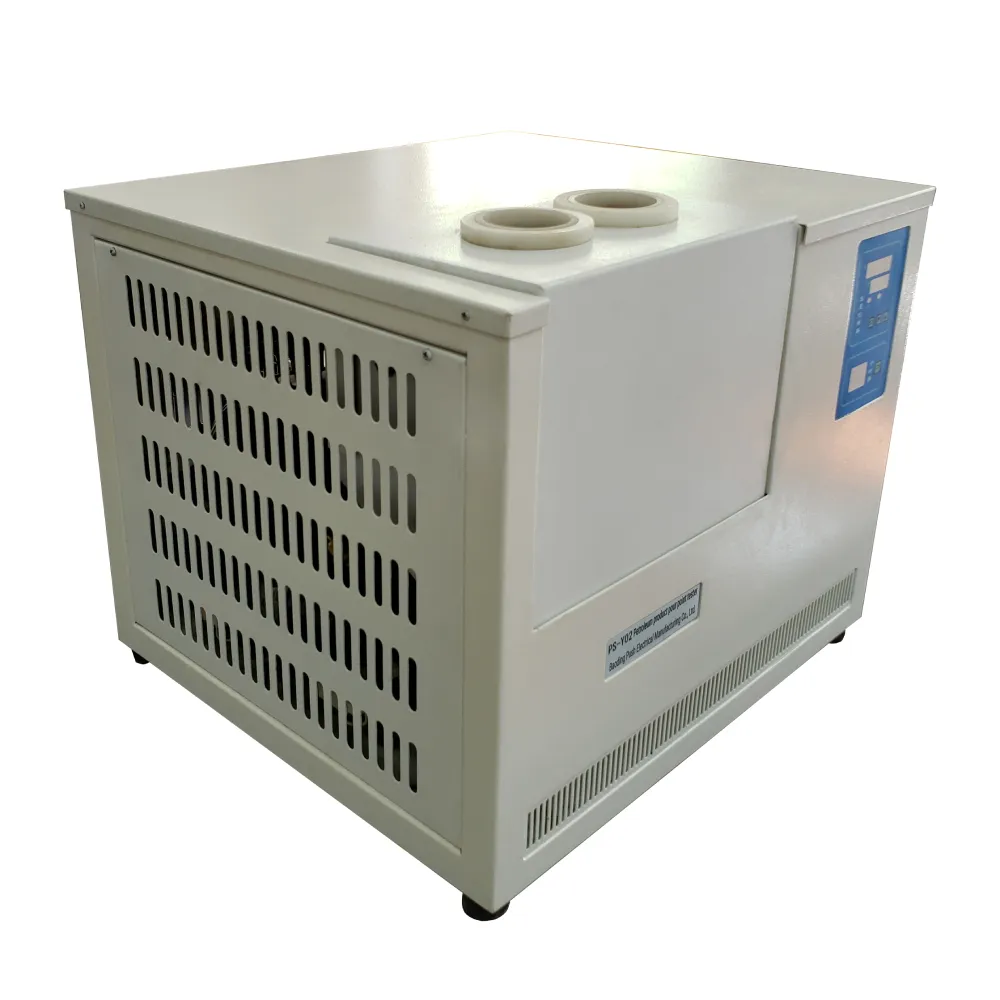
These case studies illustrate the tangible benefits—from cost savings and improved efficiency to enhanced product quality and regulatory compliance—that businesses realize by integrating advanced automatic pour point analyzer technology into their operations.
Technical Advantages and Vendor Comparison
The shift towards automated pour and cloud point analysis is driven by significant technical advantages that far outweigh traditional manual methods. When evaluating vendors, these advantages become crucial differentiators.
Key Technical Advantages:
- Superior Accuracy & Repeatability: Automated systems eliminate subjective human interpretation, leading to highly precise and repeatable results. Optical detection for cloud point and automated tilt mechanisms for pour point ensure consistent adherence to ASTM D97 and ASTM D2500.
- Enhanced Efficiency & Throughput: Automation significantly reduces testing time per sample. A single operator can manage multiple instruments simultaneously, boosting laboratory throughput and reducing labor costs.
- Improved Safety: Minimizing operator interaction with samples and cryogenic coolants enhances laboratory safety by reducing exposure to hazardous materials and extreme temperatures.
- Comprehensive Data Management: Built-in data logging, digital display, and connectivity options (USB, Ethernet, LIMS compatibility) facilitate seamless data management, trending, and regulatory reporting, which is vital for quality control and audits.
- Reduced Sample Consumption: Modern analyzers are designed to operate with smaller sample volumes (typically 15-20 mL), conserving valuable resources and reducing waste.
- Environmental Friendliness: Peltier-based cooling systems eliminate the need for hazardous refrigerants and dry ice, aligning with contemporary environmental regulations and reducing operational expenses.
Vendor Comparison Table: Automatic Cloud and Pour Point Analyzers
Choosing the right automatic pour point analyzer requires a detailed comparison of features, performance, and support offered by different manufacturers. Below is a comparative overview:
| Feature/Vendor | PushTester (PS-JY02) | Vendor X (Competitor) | Vendor Y (Competitor) |
|---|---|---|---|
| Measurement Range | -70°C to +50°C | -60°C to +50°C | -80°C to +60°C |
| Cooling Technology | Peltier (Dual-stage) | Peltier (Single-stage) | External Recirculating Chiller |
| Accuracy (Pour/Cloud) | ±0.5°C | ±1.0°C | ±0.2°C |
| Automation Level | Full Automation (Test, Detection, Data) | Semi-Automation (Manual sample load) | Full Automation (Integrated Sample Changer) |
| User Interface | 7-inch Color Touch Screen | Monochrome LCD with buttons | 10-inch High-Res Touch Screen |
| Data Connectivity | USB, RS232, Optional LIMS | USB only | Ethernet, LIMS, Cloud Integration |
| Price Point (Relative) | Mid-Range | Entry-Level | Premium |
| Certifications | CE, ISO 9001 | CE | CE, ISO 9001, ASTM Certified Labs |
PushTester's PS-JY02 positions itself as a robust, accurate, and cost-effective solution within the mid-range market, balancing advanced features with accessibility, making it an ideal choice for many industrial and research laboratories seeking a reliable pour point tester.
Customized Solutions and Authoritativeness
For many B2B clients, off-the-shelf solutions may not fully address unique operational challenges or highly specialized testing requirements. Recognizing this, leading manufacturers of automatic pour point analyzer systems offer customized solutions to ensure optimal integration and performance.
Customization Options:
- Specialized Temperature Ranges: While standard units cover broad ranges, some applications might require ultra-low temperature capabilities for exotic fuels or high-temperature analysis for specialized waxes.
- Multi-Sample Handling Systems: For high-throughput laboratories, integration with robotic autosamplers and automated cleaning stations can be customized to match specific sample volumes and workflow designs.
- LIMS/ERP Integration: Tailored software connectors and API development can ensure seamless communication with existing laboratory information management systems (LIMS) or enterprise resource planning (ERP) platforms.
- Application-Specific Software: Custom firmware or software modules can be developed to implement non-standard testing protocols or to generate specific data reports required by internal or regulatory bodies.
- Environmental Adaptations: For installations in hazardous areas (e.g., ATEX zones) or extreme industrial environments, specialized enclosures, cooling systems, or material selections can be provided.
Authoritativeness and Trust:
Establishing trust and demonstrating authority are paramount in B2B transactions. PushTester, for instance, builds this trust through:
- Certifications: Products like the PS-JY02 are typically CE certified, indicating compliance with European safety, health, and environmental protection standards. The manufacturing facilities often hold ISO 9001 certification, reflecting a commitment to quality management systems.
- Adherence to Standards: Rigorous compliance with internationally recognized test methods like ASTM D97 (Pour Point of Petroleum Products), ASTM D2500 (Cloud Point of Petroleum Products), ISO 3016, and IP 15 provides a globally accepted benchmark for reliability and accuracy.
- Years of Service & Experience: A strong track record in the industry, often spanning over a decade, signifies deep expertise and sustained commitment to innovation and customer satisfaction. This experience is reflected in robust product design and comprehensive support.
- Partnership with Leading Clients: Collaborating with major petrochemical companies, national oil companies, and prominent research institutions underscores the credibility and reliability of the instruments.
- Test Data & Validation: Manufacturers often provide detailed validation reports, showing excellent correlation with reference methods and high inter-laboratory repeatability and reproducibility (R&R) data.
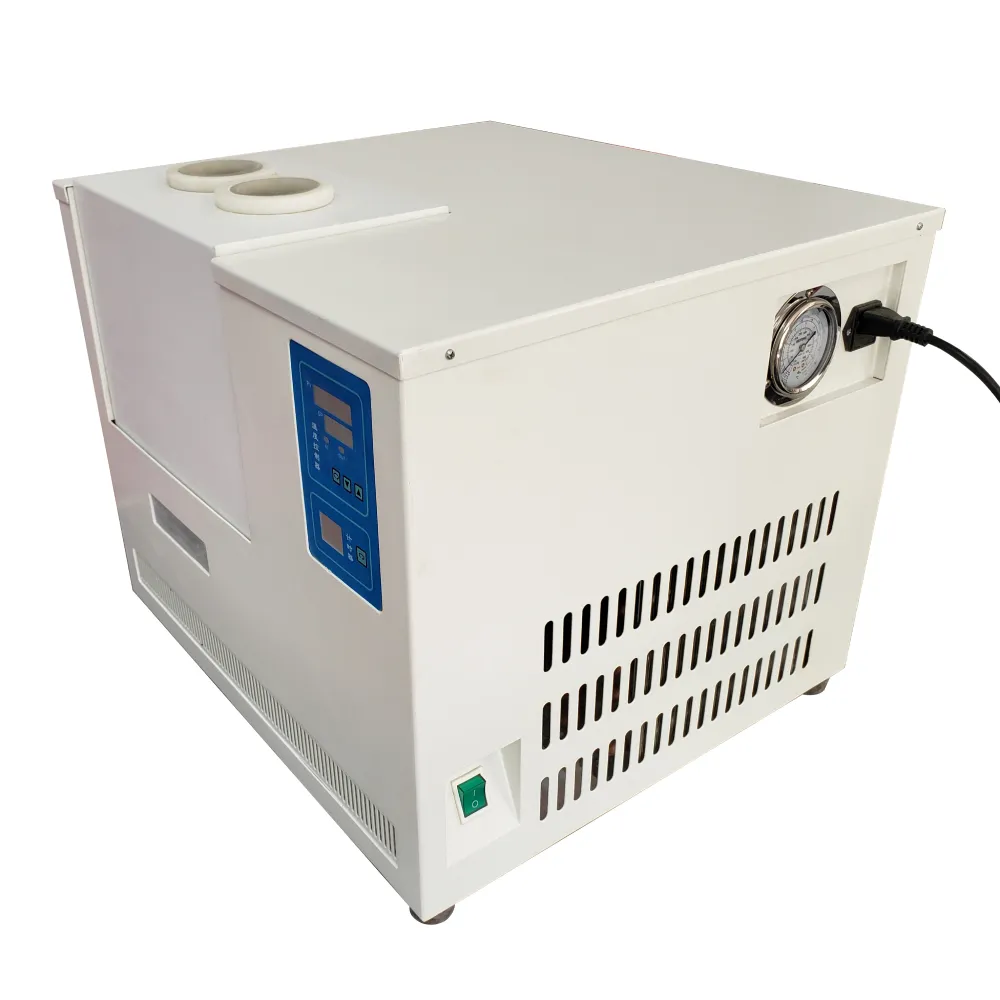
These elements collectively build a strong foundation of authoritativeness and trustworthiness, critical for clients making significant capital investments in analytical instrumentation, particularly for a crucial pour point analyzer.
Trustworthiness: FAQ, Lead Time, Warranty, and Support
Trustworthiness is a cornerstone of B2B relationships. Beyond product specifications, clients rely on clear commitments regarding product delivery, longevity, and post-sales support.
Frequently Asked Questions (FAQ)
- Q: What is the primary difference between cloud point and pour point?
A: Cloud point is the temperature at which paraffin wax crystals become visible when a petroleum product is cooled under prescribed conditions, making the sample appear cloudy. Pour point is the lowest temperature at which a petroleum product will pour or flow when cooled without disturbance under prescribed conditions. Both indicate low-temperature flow properties but represent different phenomena. - Q: How does an automatic pour point analyzer ensure accuracy compared to manual methods?
A: Automated analyzers use precise Peltier cooling for temperature control and rely on advanced optical sensors and automated tilt mechanisms for detection, eliminating human error and subjective interpretation inherent in manual observation, thus providing higher repeatability and reproducibility. - Q: Is the PS-JY02 suitable for both light distillates and heavy fuel oils?
A: Yes, with a wide measurement range of -70°C to +50°C, the PS-JY02 is designed to analyze a broad spectrum of petroleum products, from light distillates like jet fuel to heavier oils and lubricants, ensuring compliance with relevant ASTM and ISO standards for each. - Q: What maintenance is required for the cloud point analyzer?
A: Routine maintenance typically includes cleaning the sample cell, checking cooling system components, and periodically verifying calibration. Most automatic units are designed for minimal maintenance, often with self-diagnostic features and modular components for easy servicing. - Q: Can the analyzer integrate with existing LIMS?
A: Yes, instruments like the PS-JY02 often provide RS232 and USB interfaces, with optional modules or software development kits for seamless integration with most LIMS platforms, facilitating data transfer and reporting.
Lead Time and Fulfillment
Typical lead times for an automatic pour point analyzer can vary based on model complexity and current inventory. For standard models like the PS-JY02, lead times are generally 4-6 weeks from order confirmation. Expedited options may be available upon request. Our fulfillment process includes thorough pre-shipment inspection and secure packaging to ensure safe delivery to your facility.
Warranty Commitments
All PushTester instruments, including the PS-JY02, come with a standard 12-month warranty covering parts and labor for manufacturing defects. Extended warranty options are available for comprehensive coverage over longer periods, offering peace of mind for your investment.
Customer Support
We provide comprehensive customer support, including:
- Technical Assistance: Our team of experienced engineers offers remote and on-site technical support for troubleshooting, calibration, and operational guidance.
- Training: On-site or remote training sessions are available to ensure your laboratory personnel are fully proficient in operating and maintaining the pour point test equipment.
- Spare Parts and Consumables: A readily available supply of genuine spare parts and essential consumables ensures minimal downtime and sustained instrument performance.
- Service Contracts: Tailored service contracts are offered, providing preventive maintenance, priority support, and discounted parts for long-term operational efficiency.
Conclusion
The modern automatic pour point analyzer is more than just a piece of laboratory equipment; it is a strategic asset for B2B enterprises engaged in the production, distribution, and consumption of petroleum products and lubricants. With its precision, automation, compliance with international standards, and robust data management capabilities, it addresses critical needs for quality control, operational efficiency, and risk mitigation.
Investing in advanced analytical instruments like the PS-JY02 Apparatus ASTM D97 Oil Pour Point and Cloud Point Tester is a commitment to superior product quality, enhanced safety, and sustainable operational practices. As industries continue to evolve, the role of these sophisticated analyzers will only grow, driven by the increasing demand for detailed material characterization and the imperative for operational excellence in diverse environments.
References
- ASTM D97 - Standard Test Method for Pour Point of Petroleum Products. ASTM International.
- ASTM D2500 - Standard Test Method for Cloud Point of Petroleum Products. ASTM International.
- ISO 3016:2019 - Petroleum products - Determination of pour point. International Organization for Standardization.
- ISO 3015:2019 - Petroleum products - Determination of cloud point. International Organization for Standardization.
- IP 15 - Determination of cloud point of petroleum products and liquid fuels. Energy Institute.
- "Advanced Techniques for Characterization of Crude Oils and Petroleum Products" - Journal of Analytical Chemistry.
-
Find the Best Loop Impedance Tester for Sale and Ensure Electrical SafetyNewsMar.31,2026
-
Comprehensive Guide to Loop Impedance Meter for Electrical SafetyNewsMar.28,2026
-
Understanding and Choosing a Line Impedance Tester for Optimal Network PerformanceNewsMar.26,2026
-
Comprehensive Guide to Line Earth Loop Impedance Test for Electrical SafetyNewsMar.24,2026
-
Comprehensive Guide to Fault Loop Impedance Meter and Electrical SafetyNewsMar.21,2026
-
Comprehensive Guide to External Loop Impedance Test for Electrical SafetyNewsMar.19,2026


