 Pelekania



-
 Afrikaans
 -
 Albanian
 -
 Amharic
 -
 Arabic
 -
 Armenian
 -
 Azerbaijani
 -
 Basque
 -
 Belarusian
 -
 Bengali
 -
 Bosnian
 -
 Bulgarian
 -
 Catalan
 -
 Cebuano
 -
 China
China -
 China (Taiwan)
 -
 Corsican
 -
 Croatian
 -
 Czech
Czech -
 Danish
 -
 Dutch
Dutch -
 English
 -
 Esperanto
 -
 Estonian
 -
 Finnish
 -
 French
 -
 Frisian
 -
 Galician
 -
 Georgian
 -
 German
 -
 Greek
Greek -
 Gujarati
 -
 Haitian Creole
 -
 hausa
hausa -
 hawaiian
 -
 Hebrew
 -
 Hindi
Hindi -
 Miao
Miao -
 Hungarian
 -
 Icelandic
 -
 igbo
igbo -
 Indonesian
 -
 irish
irish -
 Italian
 -
 Japanese
 -
 Javanese
 -
 Kannada
 -
 kazakh
 -
 Khmer
Khmer -
 Rwandese
 -
 Korean
 -
 Kurdish
 -
 Kyrgyz
 -
 Lao
Lao -
 Latin
Latin -
 Latvian
 -
 Lithuanian
 -
 Luxembourgish
 -
 Macedonian
 -
 Malgashi
 -
 Malay
Malay -
 Malayalam
 -
 Maltese
 -
 Maori
Maori -
 Marathi
 -
 Mongolian
 -
 Myanmar
 -
 Nepali
 -
 Norwegian
 -
 Norwegian
 -
 Occitan
 -
 Pashto
 -
 Persian
 -
 Polish
 -
 Portuguese
 -
 Punjabi
 -
 Romanian
 -
 Russian
 -
 Samoan
 -
 Scottish Gaelic
 -
 Serbian
 -
 Sesotho
 -
 Shona
Shona -
 Sindhi
 -
 Sinhala
 -
 Slovak
 -
 Slovenian
 -
 Somali
 -
 Spanish
 -
 Sundanese
 -
 Swahili
 -
 Swedish
 -
 Tagalog
 -
 Tajik
Tajik -
 Tamil
Tamil -
 Tatar
Tatar -
 Telugu
 -
 Thai
Thai -
 Turkish
 -
 Turkmen
 -
 Ukrainian
 -
 Urdu
Urdu -
 Uighur
 -
 Uzbek
Uzbek -
 Vietnamese
 -
 Welsh
Welsh -
 Bantu
Bantu -
 Yiddish
 -
 Yoruba
 -
 Zulu
Zulu
-
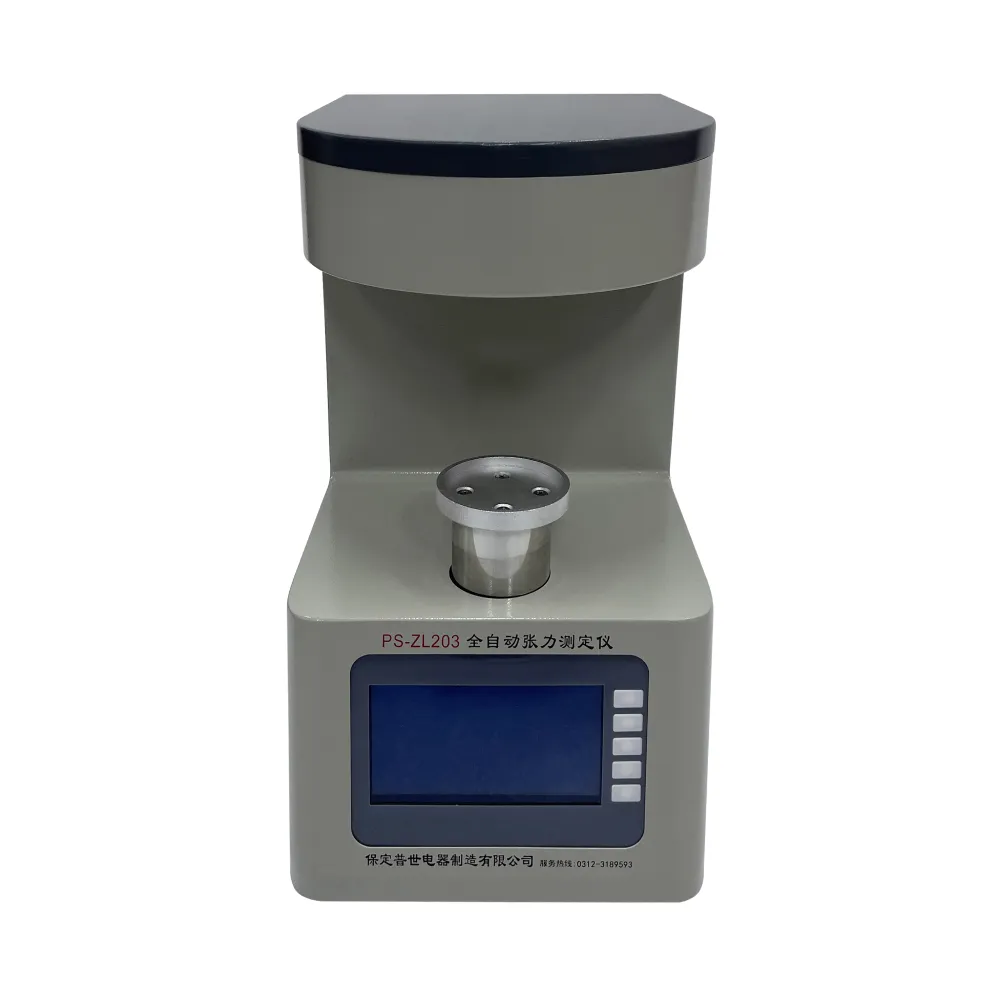
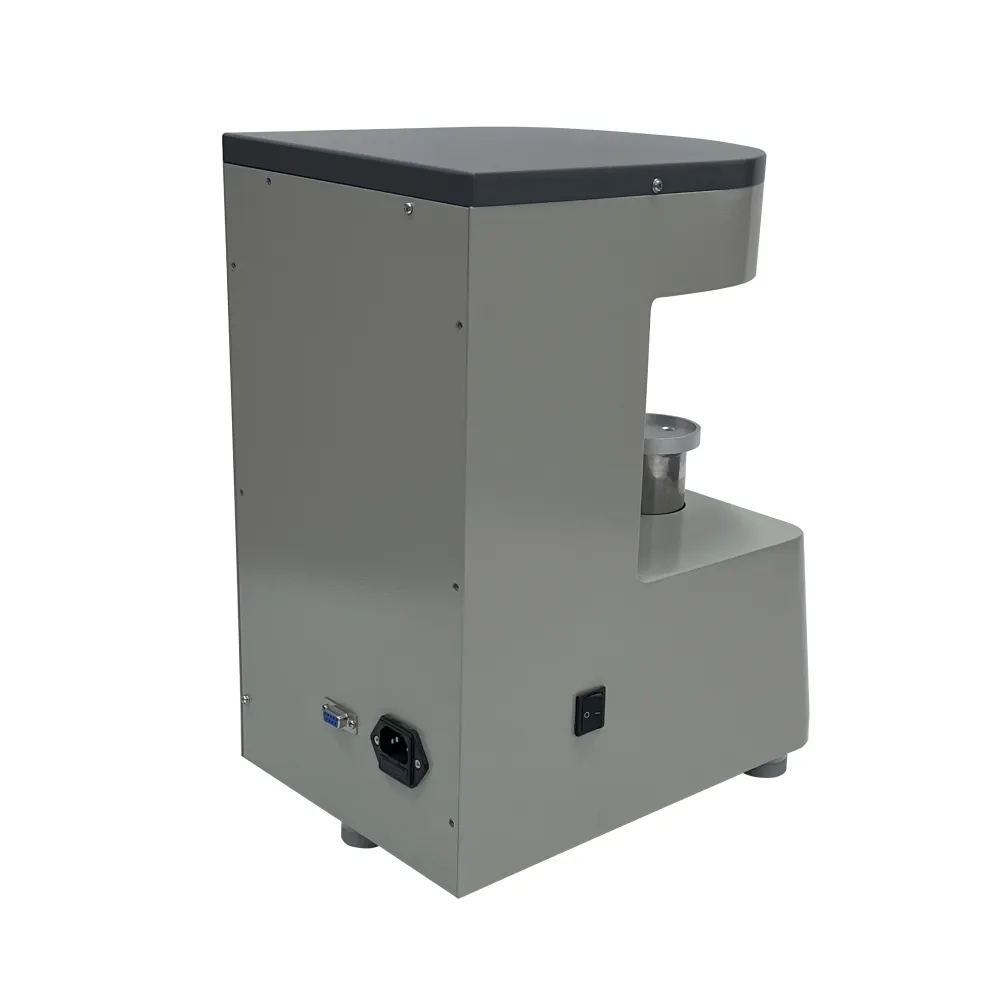
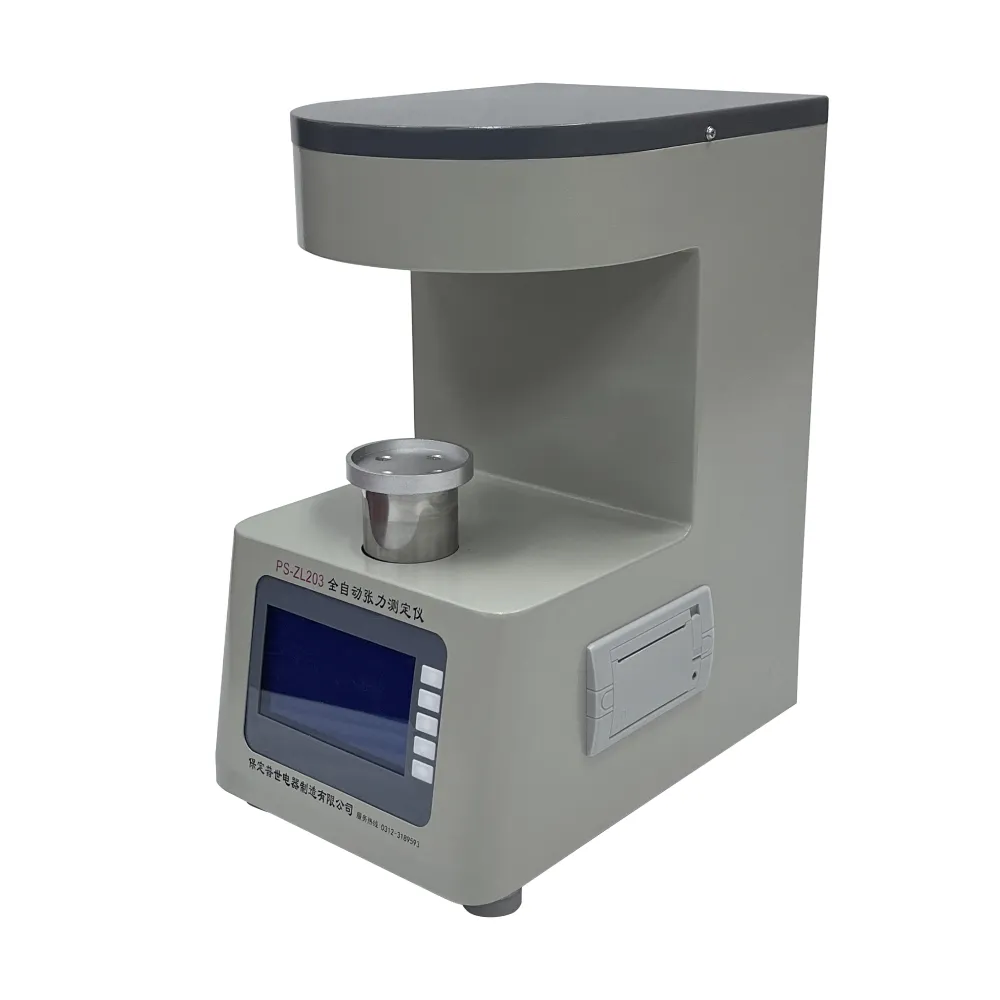
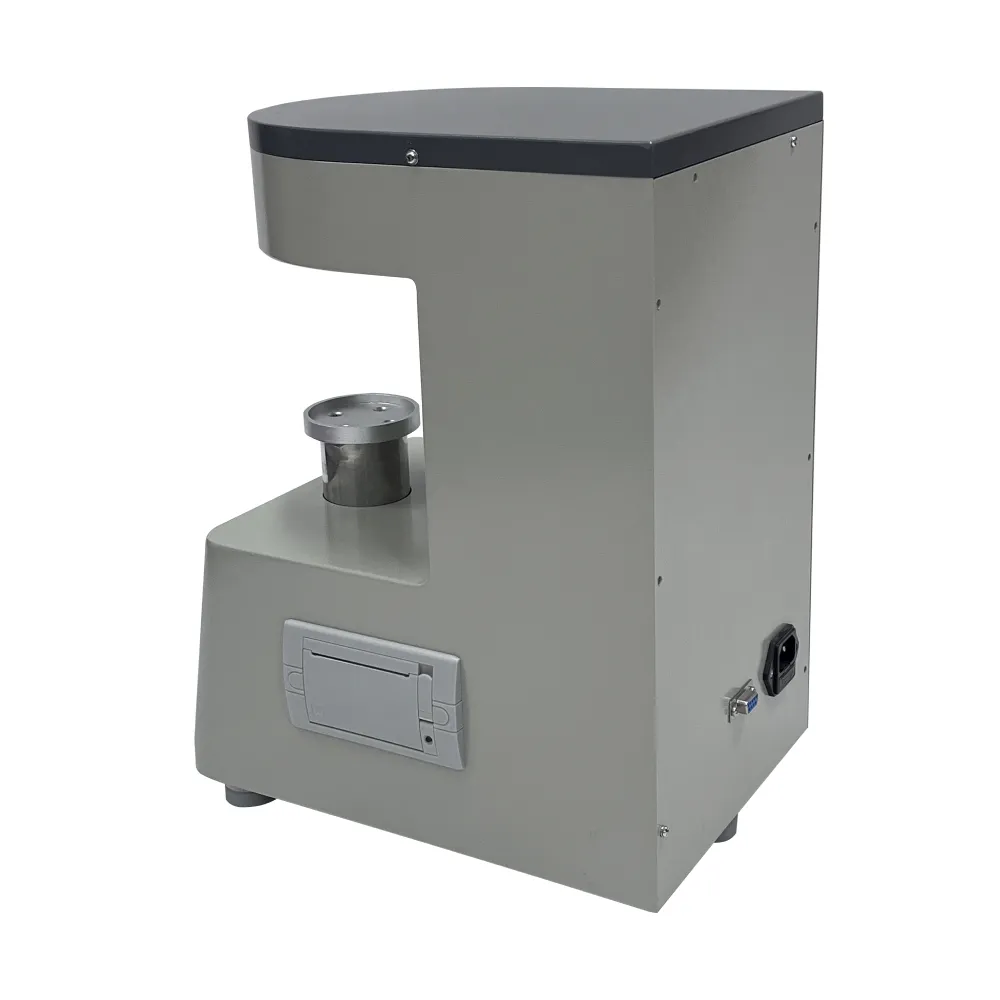
Hoʻohana ʻia ka mea ʻike kaulike electromagnetic pane wikiwiki e hoʻomaikaʻi i ka pololei ʻaoʻao a me ka linearity. ʻO ka calibration o ka mea kani he kiko wale nō ia e hoʻoponopono ʻia, e hoʻonā i ka hemahema i pono i ka hanauna mua o nā mea ʻike e pono ai ka calibration he nui, a hoʻopau i ka potentiometer zeroing a me ka potentiometer piha. Hōʻike ʻia ka waiwai o ka haʻalulu like a me ke kaumaha o kēia manawa i ka manawa maoli. Hoʻohui kaʻapuni ʻike wela, uku pānaʻi ʻakomi no ka hopena o ke ana; 240*128 dot matrix LCD hōʻike, ʻaʻohe kī ʻike, me ka hana pale pale; ʻO kahi manawa - hōʻailona moʻolelo moʻolelo me 255 mau ʻikepili i mālama ʻia. Kūkulu ʻia i ka mīkini paʻi thermosensitive kiʻekiʻe, paʻi nani, wikiwiki, me ka hana paʻi waho.
|
inoa |
nā hōʻailona |
|
Laulā ana |
0-200mN |
|
Ka pololei |
0.1%heluhelu±0.1mN/m |
|
ka naʻau |
0.1mN/m |
|
mana hoʻoholo |
0.1mN/m |
|
hāʻawi uila |
AC220V±10% |
|
mana alapine |
50Hz±2% |
|
mana |
≤20W |
|
wela kūpono |
10~40 ℃ |
|
haʻahaʻa kūpono |
<85%RH |
|
laula* kiekie* hohonu |
200mm*330mm*300mm |
|
paona upena |
~5kg |
automatic surface tensiometer
interfacial tensiometer
surface tensiometer
surface tensiometer price
surface tension instrument
surface tension measurement equipment
surface tension measurement instrument
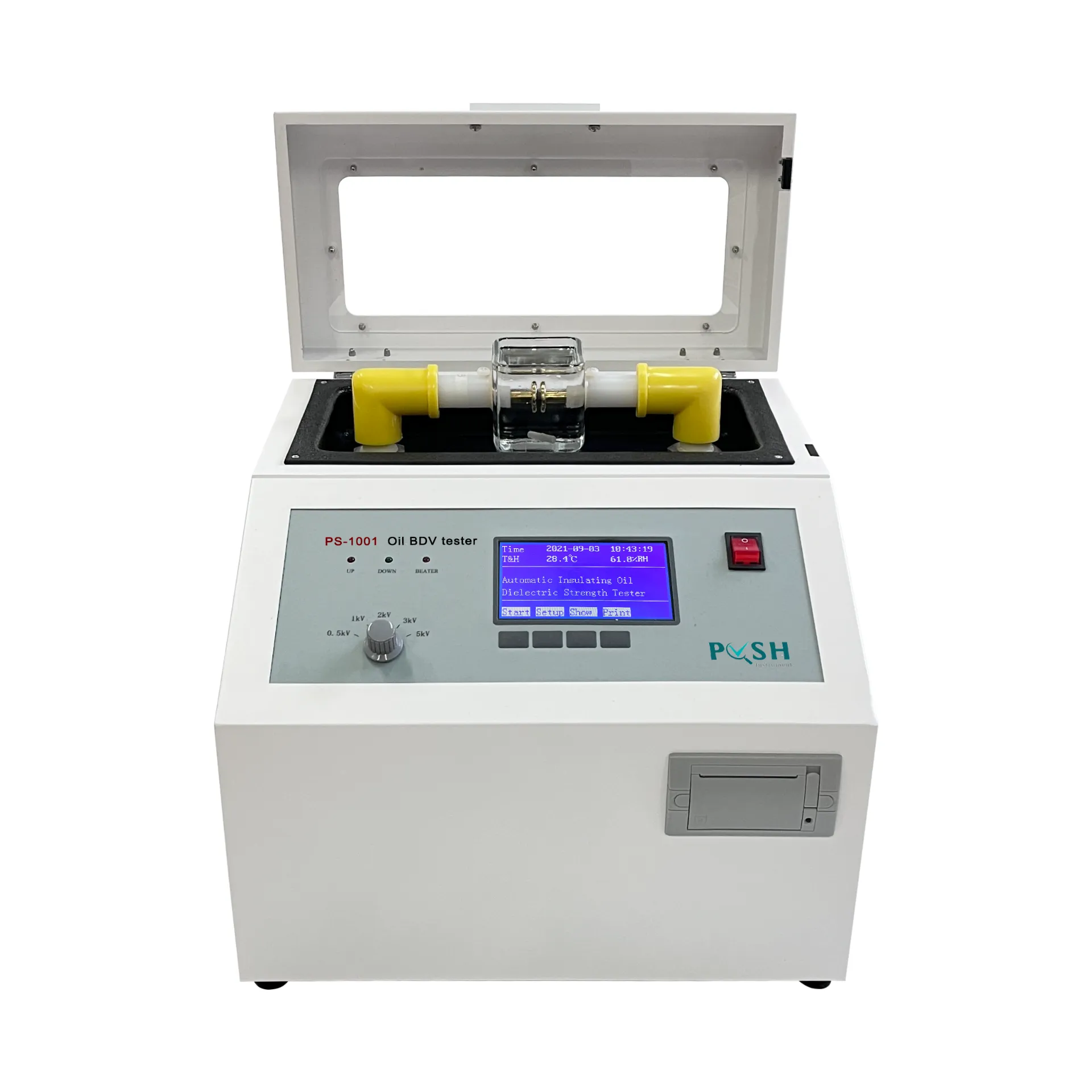
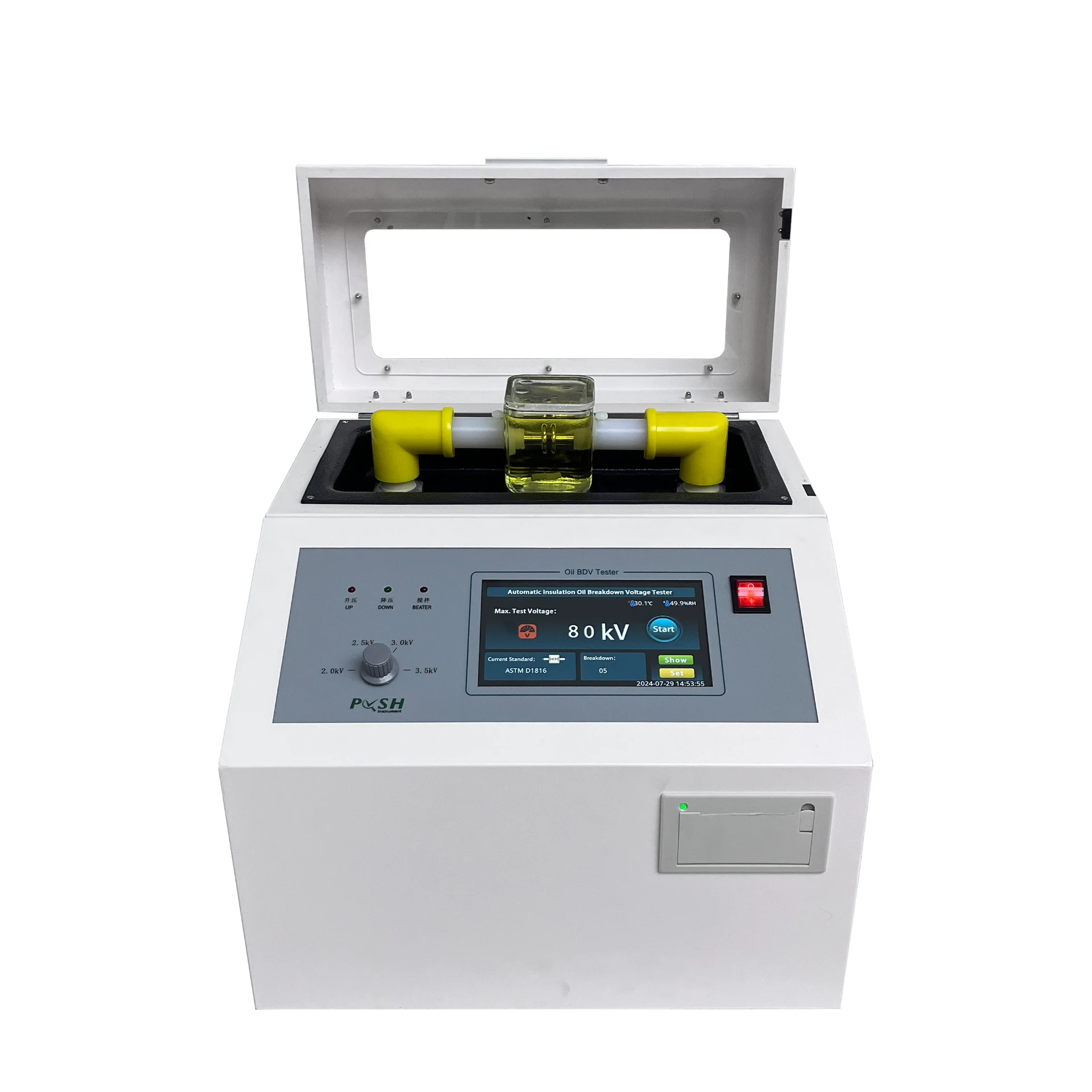
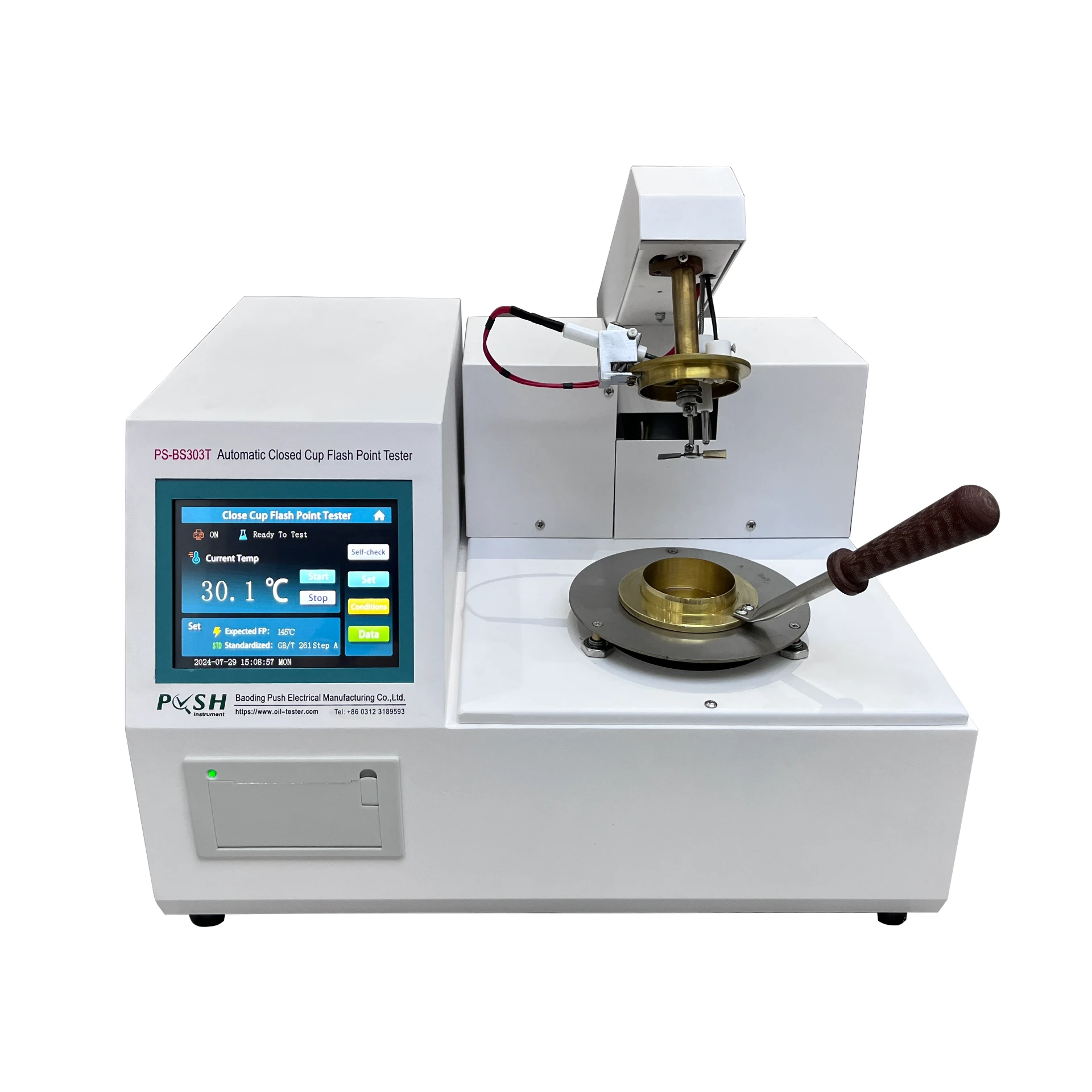
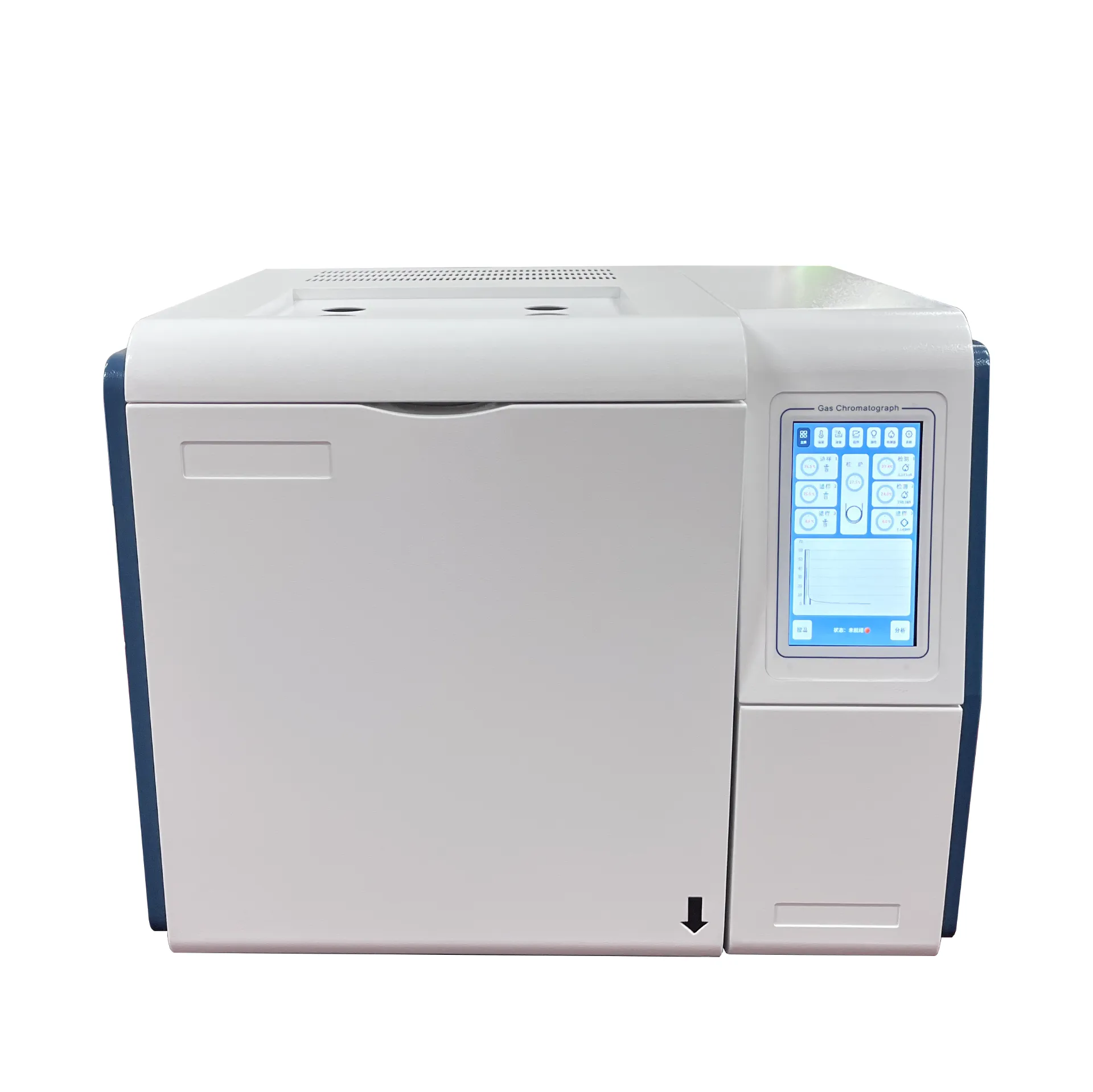
-
 Find the Best Loop Impedance Tester for Sale and Ensure Electrical SafetyWhen ensuring electrical safety, accurate loop impedance testing is crucial. Whether you’re an electrician, a facilities manager, or a safety inspector, having a reliable loop impedance tester for sale is essential. This article will guide you through the key considerations when purchasing a loop impedance tester, explore the different types available, and highlight the benefits of choosing a high-quality instrument. Understanding the nuances of these testers will help you make an informed decision and ensure compliance with safety regulations.kikoʻī
 -
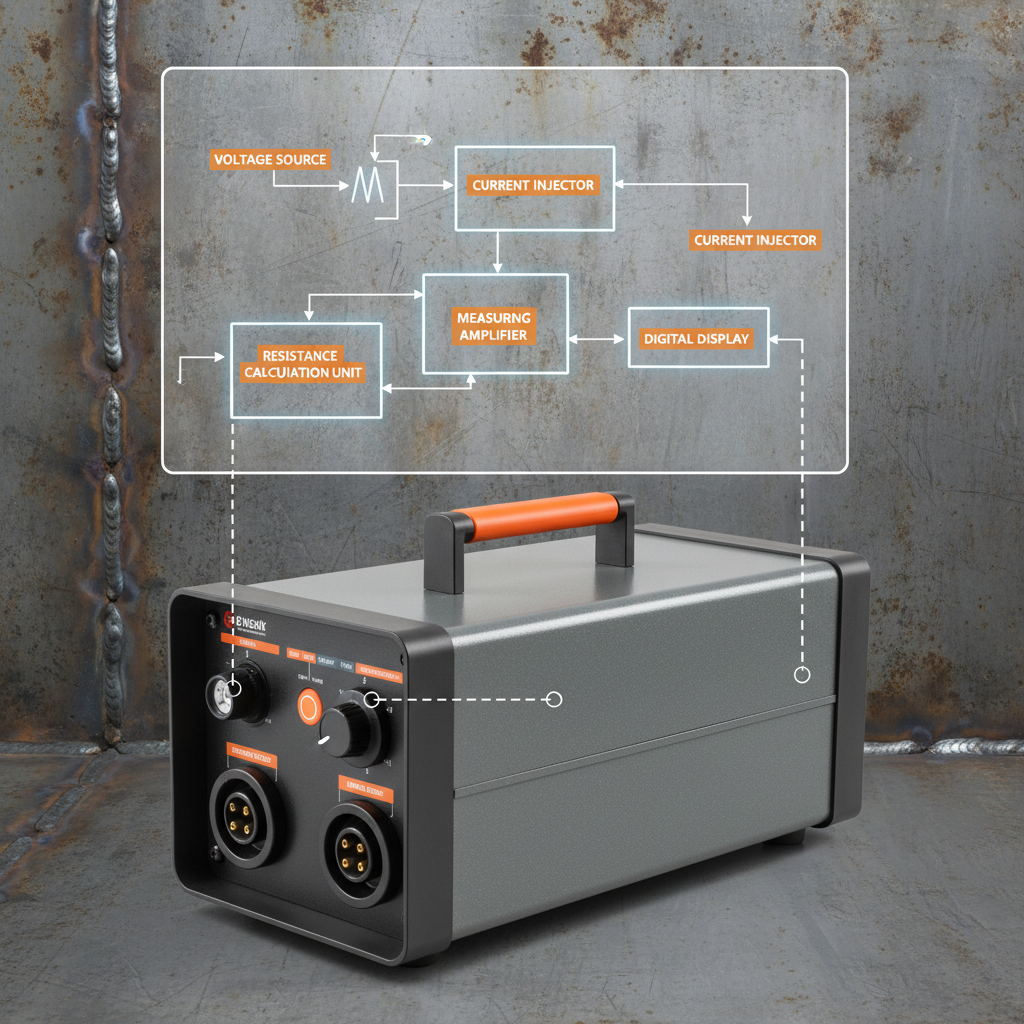 Comprehensive Guide to Loop Impedance Meter for Electrical SafetyEnsuring electrical safety is paramount in any installation, and a loop impedance meter is a crucial tool for achieving this. This device measures the total impedance of the earth fault loop, helping to verify that protective devices will operate correctly under fault conditions. In this article, we'll explore what a loop impedance meter is, how it works, its applications, factors influencing measurements, choosing the right meter, and the importance of regular testing. Investing in a quality meter from Push Tester is a step towards safer electrical systems.kikoʻī
 -
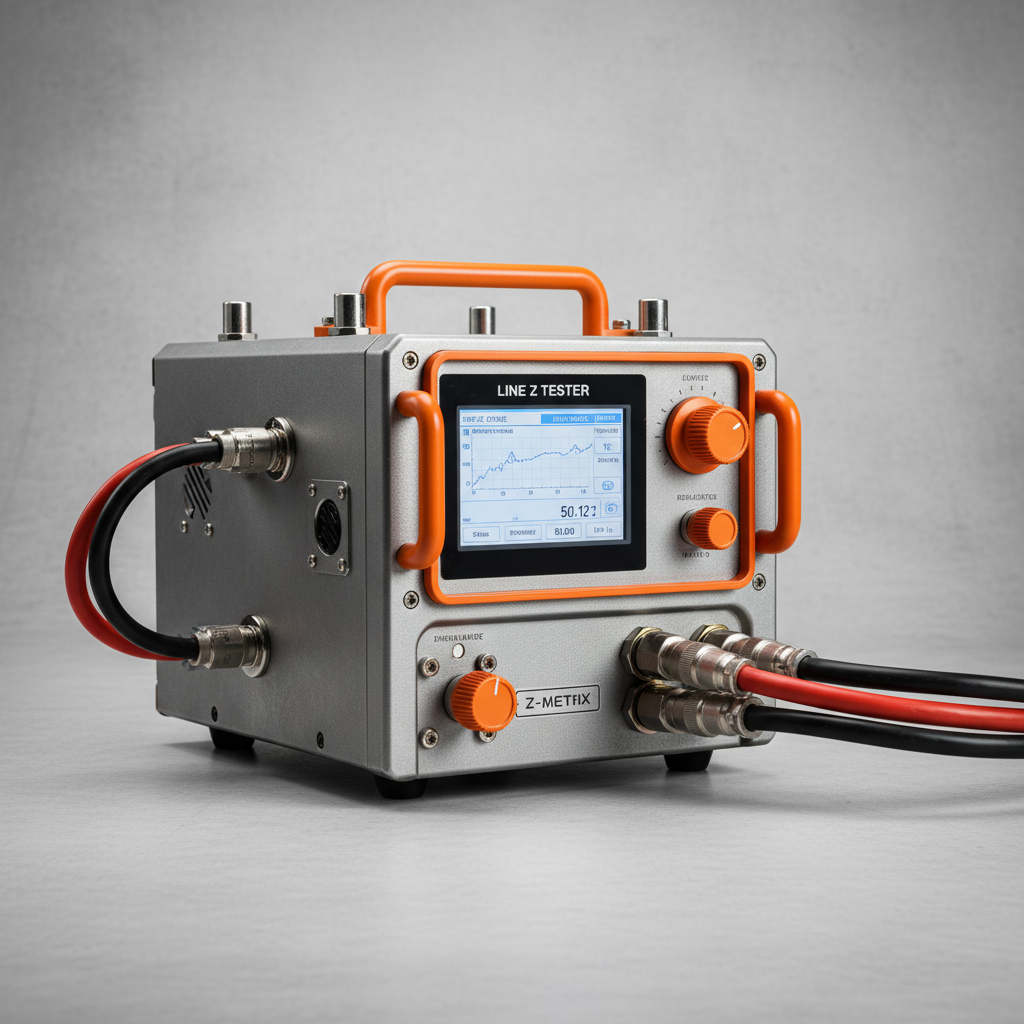 Understanding and Choosing a Line Impedance Tester for Optimal Network PerformanceIn the realm of telecommunications and electrical engineering, maintaining the integrity of transmission lines is paramount. A line impedance tester is a crucial instrument for ensuring optimal signal transmission and preventing costly network disruptions. This article delves into the world of line impedance testing, exploring its importance, applications, types of testers, and what to look for when making a purchase. Ensuring accurate impedance measurements is essential for efficient and reliable network performance. Choosing the right tester can significantly impact troubleshooting speed and the overall quality of your infrastructure. A line impedance tester, also known as a cable impedance analyzer, is a device used to measure the characteristic impedance of coaxial cables, twisted pair cables, and other transmission lines. Impedance, measured in ohms, represents the opposition to the flow of alternating current. Maintaining the correct impedance (typically 50 or 75 ohms) is vital for minimizing signal reflections, ensuring efficient power transfer, and preventing signal degradation. Mismatched impedance can lead to signal loss, ghosting, and reduced network performance. Regular testing helps identify faults and maintain network integrity.kikoʻī


