TEL:
+86-0312-3189593
 Lus Askiv


Xov tooj:0312-3189593

Email:sales@oil-tester.com
-
 Afrikaans
 -
 Albanian
 -
 Amharic
 -
 Arabic
 -
 Armenian
 -
 Azerbaijani
 -
 Basque
 -
 Belarusian
 -
 Bengali
 -
 Bosnian
 -
 Bulgarian
 -
 Catalan
 -
 Cebuano
 -
 China
China -
 China (Taiwan)
 -
 Corsican
 -
 Croatian
 -
 Czech
Czech -
 Danish
 -
 Dutch
Dutch -
 English
 -
 Esperanto
 -
 Estonian
 -
 Finnish
 -
 French
 -
 Frisian
 -
 Galician
 -
 Georgian
 -
 German
 -
 Greek
Greek -
 Gujarati
 -
 Haitian Creole
 -
 hausa
hausa -
 hawaiian
 -
 Hebrew
 -
 Hindi
Hindi -
 Miao
Miao -
 Hungarian
 -
 Icelandic
 -
 igbo
igbo -
 Indonesian
 -
 irish
irish -
 Italian
 -
 Japanese
 -
 Javanese
 -
 Kannada
 -
 kazakh
 -
 Khmer
Khmer -
 Rwandese
 -
 Korean
 -
 Kurdish
 -
 Kyrgyz
 -
 Lao
Lao -
 Latin
Latin -
 Latvian
 -
 Lithuanian
 -
 Luxembourgish
 -
 Macedonian
 -
 Malgashi
 -
 Malay
Malay -
 Malayalam
 -
 Maltese
 -
 Maori
Maori -
 Marathi
 -
 Mongolian
 -
 Myanmar
 -
 Nepali
 -
 Norwegian
 -
 Norwegian
 -
 Occitan
 -
 Pashto
 -
 Persian
 -
 Polish
 -
 Portuguese
 -
 Punjabi
 -
 Romanian
 -
 Russian
 -
 Samoan
 -
 Scottish Gaelic
 -
 Serbian
 -
 Sesotho
 -
 Shona
Shona -
 Sindhi
 -
 Sinhala
 -
 Slovak
 -
 Slovenian
 -
 Somali
 -
 Spanish
 -
 Sundanese
 -
 Swahili
 -
 Swedish
 -
 Tagalog
 -
 Tajik
Tajik -
 Tamil
Tamil -
 Tatar
Tatar -
 Telugu
 -
 Thai
Thai -
 Turkish
 -
 Turkmen
 -
 Ukrainian
 -
 Urdu
Urdu -
 Uighur
 -
 Uzbek
Uzbek -
 Vietnamese
 -
 Welsh
Welsh -
 Bantu
Bantu -
 Yiddish
 -
 Yoruba
 -
 Zulu
Zulu
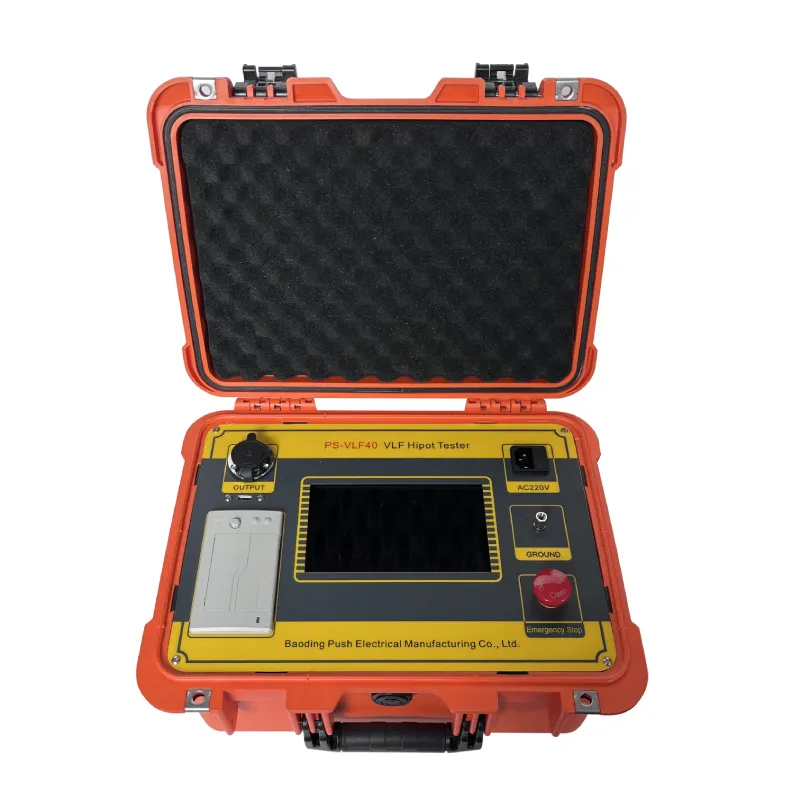
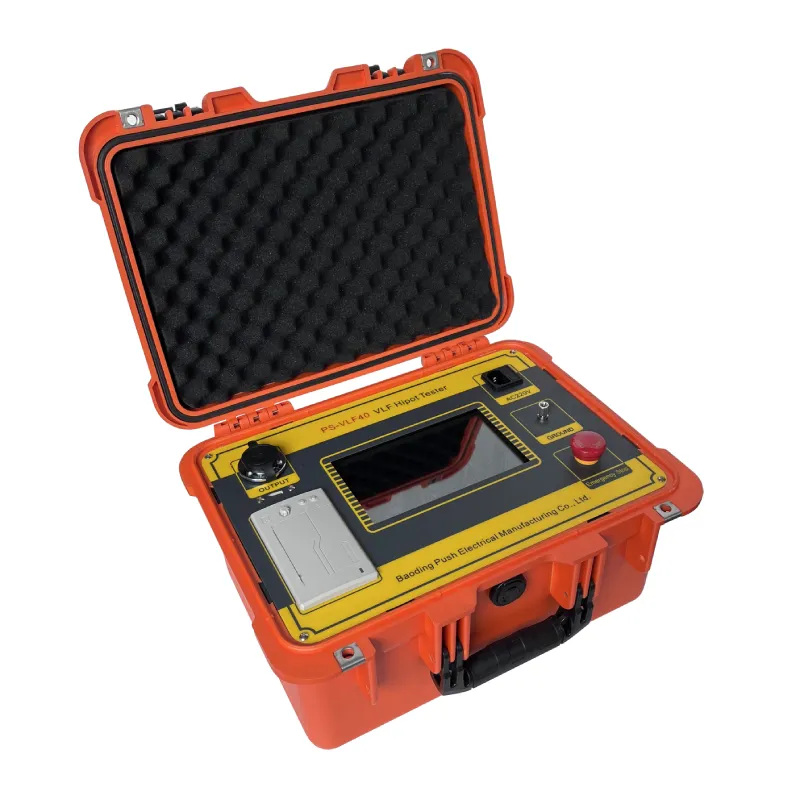
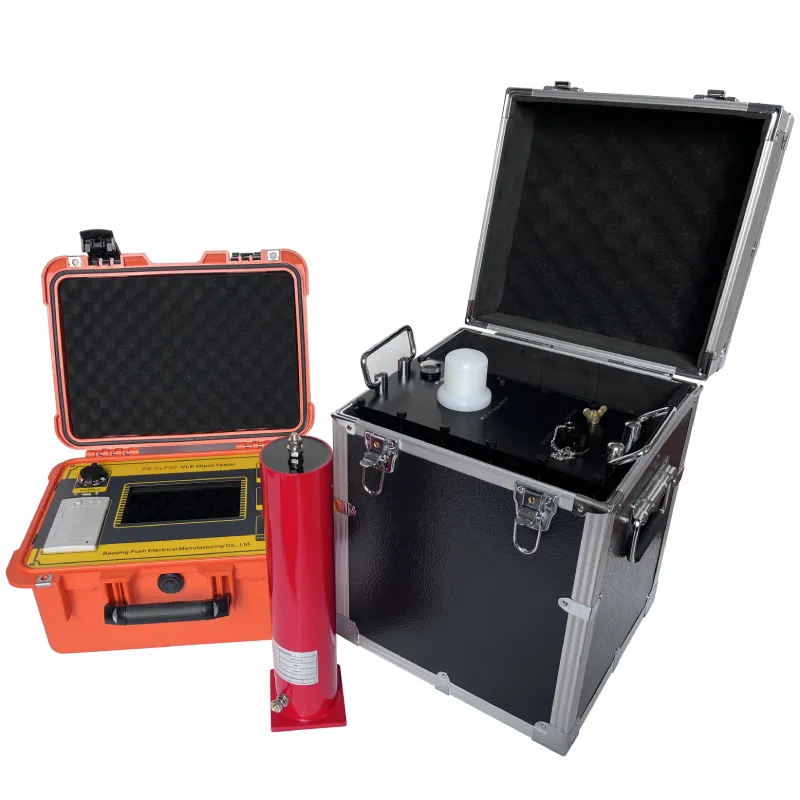
Khoom Muag Khoom Taw Qhia
- 1. Kev siv thev naus laus zis: digital zaus hloov tshuab, microcomputer tswj, siab nce, siab txo, ntsuas, tiv thaiv, thiab lwm yam
2. Cov txheej txheem xeem yog automated.
3. Yooj yim rau kev khiav lag luam: yooj yim txuas, ua haujlwm ruam.
4. Kev tiv thaiv kev tiv thaiv: ntau yam kev tiv thaiv (kev tiv thaiv dhau-voltage, tiv thaiv tam sim no ntawm sab siab thiab tsis tshua muaj hluav taws xob), kev ua haujlwm ceev (thaum ua yeeb yam)
5. Chav ≤10ms), cov cuab yeej muaj kev nyab xeeb thiab txhim khu kev qha.
6. Kev nyab xeeb thiab kev ntseeg siab: tus maub los yog txuas nrog lub tshuab hluav taws xob qis ntawm lub tshuab hluav taws xob siab, nrog kev tswj xyuas photoelectric, kev siv nyab xeeb thiab txhim khu kev qha.
7. Qhov siab thiab tsis tshua muaj hluav taws xob kaw-voj tsis zoo tawm tswv yim tswj Circuit Court yog saws, thiab cov zis tsis muaj peev xwm nce.
8. Ua tiav configuration: capacitive kov npo, LCD Suav cim zaub, tsis siv neeg cia, tsis siv neeg luam ntawv.
9. Kev sim ntau yam: 0.1Hz, 0.05Hz thiab 0.02hz ntau zaus xaiv, ntau yam kev xeem loj.
10. Cov ntim me me thiab lub teeb yuag: nws yooj yim heev rau kev ua haujlwm sab nraum zoov.
Khoom Parameter
|
Hom |
Rated Voltage |
Thauj khoom |
Fuse |
Qhov hnyav |
|
40 KV / 1.1 TSI |
40kv (nce tus nqi) |
0.1Hz, ≤1.1µF |
8A |
Controller: 6Kg |
|
0.05Hz, ≤ 2.2µF |
||||
|
0.02Hz, ≤5.5µF |
||||
|
50 KV / 1.1 TSI |
50kv (tus nqi siab tshaj) |
0.1Hz, ≤1.1µF |
10 A |
Controller: 6Kg |
|
0.05Hz, ≤ 2.2µF |
||||
|
0.02Hz, ≤5.5µF |
||||
|
80KV 1.1 TSI |
80kv (nce tus nqi) |
0.1Hz, ≤1.1µF |
20 A |
Controller: 4Kg |
|
0.05Hz, ≤ 2.2µF |
||||
|
|
|
0.02Hz, ≤5.5µF |
|
Video
ac hipot
dc hipot
hi pot testers
high voltage withstand test
hipot analyzer
hipot cables
hipot equipment
hipot kit
hipot meter
hipot vlf
hipot voltage
vlf hipot
vlf tan delta cable testing
vlf tester
Sau koj cov lus ntawm no thiab xa tuaj rau peb
Hais txog Xov xwm
-
 Find the Best Loop Impedance Tester for Sale and Ensure Electrical SafetyWhen ensuring electrical safety, accurate loop impedance testing is crucial. Whether you’re an electrician, a facilities manager, or a safety inspector, having a reliable loop impedance tester for sale is essential. This article will guide you through the key considerations when purchasing a loop impedance tester, explore the different types available, and highlight the benefits of choosing a high-quality instrument. Understanding the nuances of these testers will help you make an informed decision and ensure compliance with safety regulations.Paub meej
 -
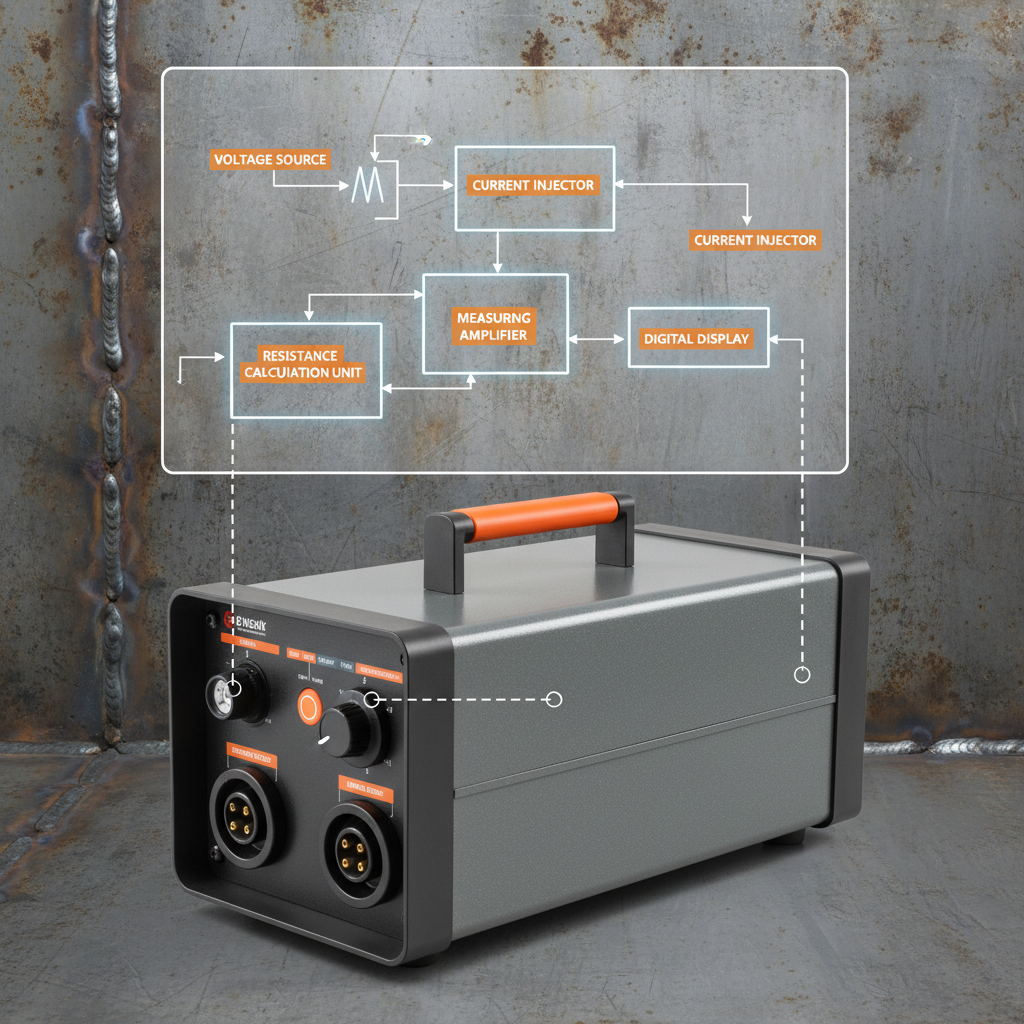 Comprehensive Guide to Loop Impedance Meter for Electrical SafetyEnsuring electrical safety is paramount in any installation, and a loop impedance meter is a crucial tool for achieving this. This device measures the total impedance of the earth fault loop, helping to verify that protective devices will operate correctly under fault conditions. In this article, we'll explore what a loop impedance meter is, how it works, its applications, factors influencing measurements, choosing the right meter, and the importance of regular testing. Investing in a quality meter from Push Tester is a step towards safer electrical systems.Paub meej
 -
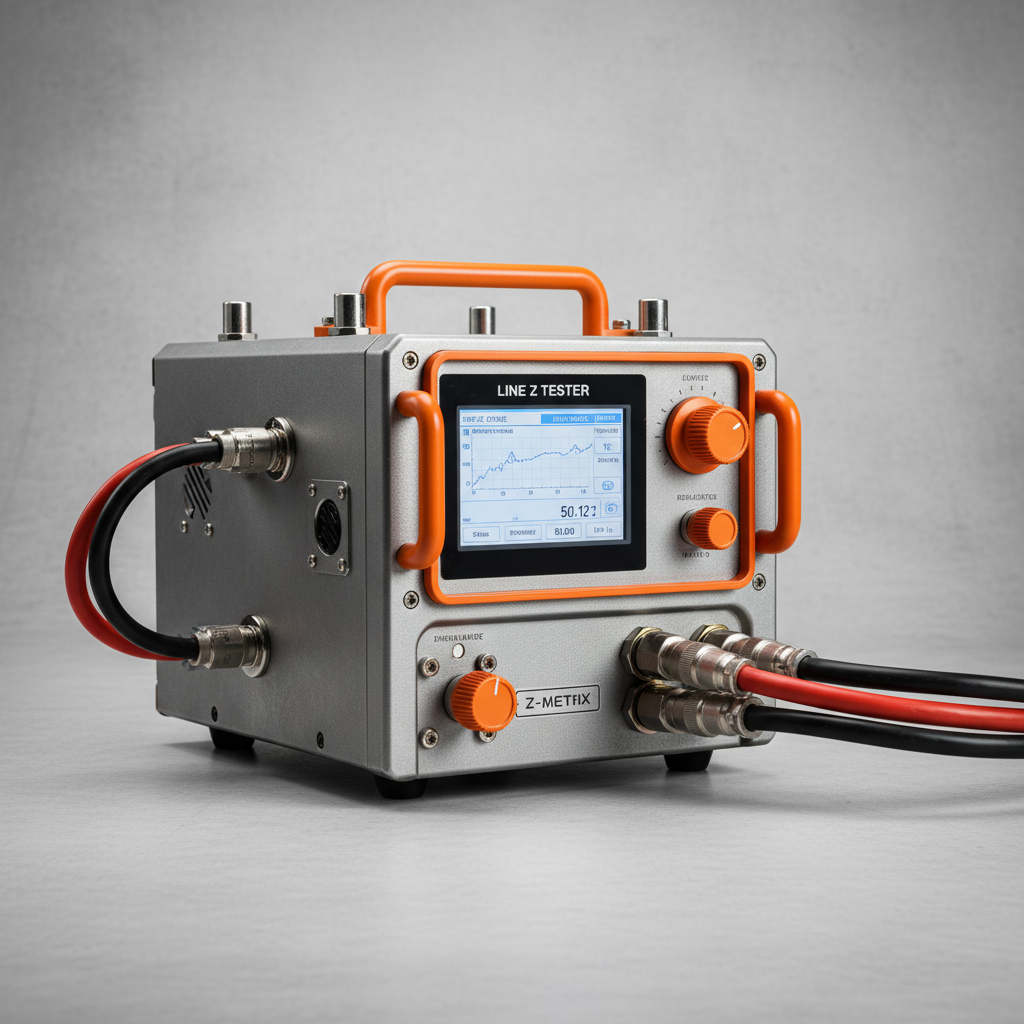 Understanding and Choosing a Line Impedance Tester for Optimal Network PerformanceIn the realm of telecommunications and electrical engineering, maintaining the integrity of transmission lines is paramount. A line impedance tester is a crucial instrument for ensuring optimal signal transmission and preventing costly network disruptions. This article delves into the world of line impedance testing, exploring its importance, applications, types of testers, and what to look for when making a purchase. Ensuring accurate impedance measurements is essential for efficient and reliable network performance. Choosing the right tester can significantly impact troubleshooting speed and the overall quality of your infrastructure. A line impedance tester, also known as a cable impedance analyzer, is a device used to measure the characteristic impedance of coaxial cables, twisted pair cables, and other transmission lines. Impedance, measured in ohms, represents the opposition to the flow of alternating current. Maintaining the correct impedance (typically 50 or 75 ohms) is vital for minimizing signal reflections, ensuring efficient power transfer, and preventing signal degradation. Mismatched impedance can lead to signal loss, ghosting, and reduced network performance. Regular testing helps identify faults and maintain network integrity.Paub meej


