 English



Comprehensive Guide to Tangent Delta Test Transformer Applications and Principles
Tangent Delta Test Transformer: A Comprehensive Guide
The tangent delta test is crucial for assessing the condition of transformer insulation. Understanding this test, and the equipment used – the tangent delta test transformer – is vital for reliable power grid operation and preventative maintenance. This article will delve into the principles, applications, and considerations when choosing a tangent delta test transformer, helping you optimize transformer performance and prevent costly failures. Regular testing with a high-quality transformer is an investment in longevity and safety.
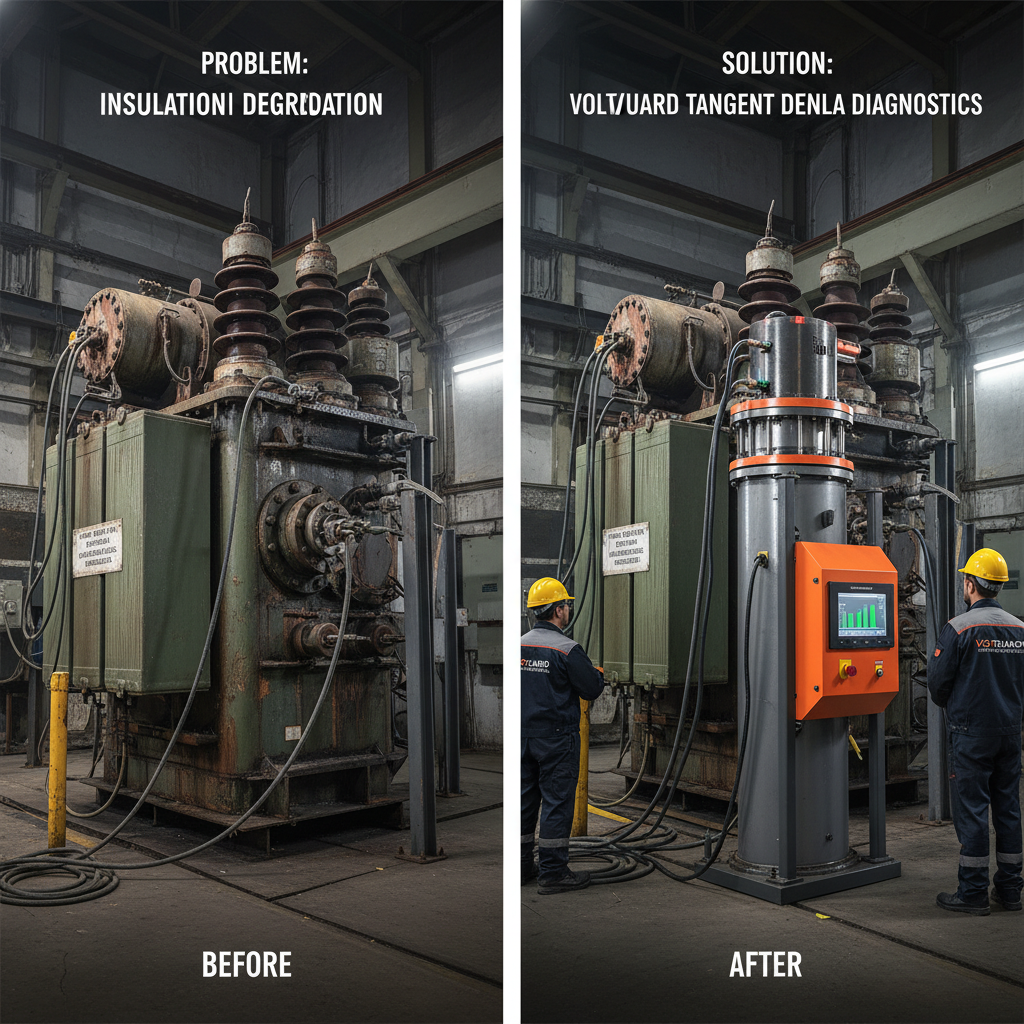
Understanding the Tangent Delta Test and its Importance
The tangent delta (tan δ) test, also known as dissipation factor test, measures the dielectric loss of electrical insulation. This loss represents the energy dissipated as heat within the insulation material when subjected to an alternating electric field. A higher tangent delta value indicates increased dielectric losses, which can signify insulation degradation due to contamination, moisture, overheating, or aging. Performing a tangent delta test with a specialized transformer provides vital insights into the health of the insulation and allows for proactive maintenance.
Key Benefits of Tangent Delta Testing:
- Early detection of insulation degradation
- Prevention of unexpected transformer failures
- Extended transformer lifespan
- Improved power system reliability
- Reduced maintenance costs
Choosing the Right Tangent Delta Test Transformer
Selecting the appropriate tangent delta test transformer is crucial for accurate and reliable measurements. Key factors to consider include voltage rating, frequency range, measurement accuracy, and safety features. The transformer must be capable of generating the required test voltage for the transformer being tested. Furthermore, the test transformer should have a high-quality grounding system to ensure operator safety and minimize interference. Push Tester offers a range of high-precision tangent delta test transformers designed for various applications and voltage levels.
Key Features to Look For:
• High accuracy and resolution
• Wide frequency range (typically 15 Hz to 2 kHz)
• Automatic voltage regulation
• Built-in safety features (overload protection, grounding)
Applications of the Tangent Delta Test
The tangent delta test has a wide range of applications in power system maintenance. It’s used to assess the condition of transformer bushings, oil-filled transformers, gas-filled transformers, cable insulation, and switchgear. By monitoring the tangent delta values over time, engineers can identify trends and predict potential failures before they occur. The test is often performed as part of a comprehensive preventative maintenance program, helping to ensure the reliable operation of critical electrical infrastructure.
Tangent Delta Test Transformer Specifications and Features
Push Tester offers a range of tangent delta test transformers designed to meet diverse testing needs. Below is an example specification for our standard model:
Conclusion: Ensuring Reliable Power Systems with Precise Testing
Investing in a high-quality tangent delta test transformer from Push Tester is a proactive step towards maintaining the health and reliability of your electrical infrastructure. Accurate testing allows for early detection of insulation degradation, preventing costly failures and extending the lifespan of your valuable assets. Don't compromise on power system reliability – choose Push Tester for precise and dependable testing solutions.
Frequently Asked Questions (FAQs)
What factors can influence tangent delta values?
Several factors can affect tangent delta readings. Temperature is a major influence; higher temperatures generally lead to higher tan delta values. Moisture contamination, oil quality (in oil-filled transformers), and the presence of partial discharges can also significantly increase dissipation factor. Furthermore, the age of the insulation material and its exposure to voltage stress contribute to changes in tan delta. It’s crucial to consider these factors when interpreting test results and establishing baseline values. Comparing results over time, while controlling for temperature, provides the most valuable insights.
How often should a tangent delta test be performed?
The frequency of tangent delta testing depends on the criticality of the equipment and its operating environment. For critical transformers in high-demand applications, annual testing is recommended. Less critical equipment may be tested every 2-3 years. Additionally, testing should be performed after any major maintenance or repairs, as well as after events like lightning strikes or significant voltage surges. Trending the data over time is vital for identifying developing issues before they lead to failures. Push Tester can help you establish a tailored testing schedule.
What safety precautions should be taken when performing a tangent delta test?
Safety is paramount when performing any electrical test. Always ensure the equipment is properly grounded, and wear appropriate personal protective equipment (PPE), including insulated gloves and eye protection. Before starting the test, de-energize and isolate the equipment being tested. Follow the manufacturer’s instructions for the tangent delta test transformer carefully. Only qualified and trained personnel should perform these tests. Never work alone and ensure a clear understanding of emergency procedures.
Can tangent delta testing be used for online diagnostics?
Yes, specialized online tangent delta monitoring systems are available. These systems allow for continuous monitoring of dissipation factor without taking the equipment offline. This is particularly useful for critical infrastructure where uninterrupted operation is essential. Online monitoring provides real-time data and alerts, enabling proactive maintenance and preventing unexpected failures. However, online monitoring systems typically require more sophisticated setup and analysis compared to traditional offline testing.
-
Find the Best Loop Impedance Tester for Sale and Ensure Electrical SafetyNewsMar.31,2026
-
Comprehensive Guide to Loop Impedance Meter for Electrical SafetyNewsMar.28,2026
-
Understanding and Choosing a Line Impedance Tester for Optimal Network PerformanceNewsMar.26,2026
-
Comprehensive Guide to Line Earth Loop Impedance Test for Electrical SafetyNewsMar.24,2026
-
Comprehensive Guide to Fault Loop Impedance Meter and Electrical SafetyNewsMar.21,2026
-
Comprehensive Guide to External Loop Impedance Test for Electrical SafetyNewsMar.19,2026


