 English



Comprehensive Guide to Tan Delta Test Kit for Dielectric Property Evaluation
Understanding the Tan Delta Test Kit: A Comprehensive Guide
The Tan Delta Test Kit is an essential tool for evaluating the dielectric properties of insulating materials. It's crucial for assessing the condition of high-voltage equipment like transformers, cables, and capacitors, helping to predict potential failures and ensure reliable operation. This article dives deep into the purpose, applications, and benefits of a Tan Delta Test Kit, providing valuable insights for engineers, technicians, and anyone involved in electrical maintenance. Proactive maintenance using this kit can significantly reduce downtime and prevent costly repairs.
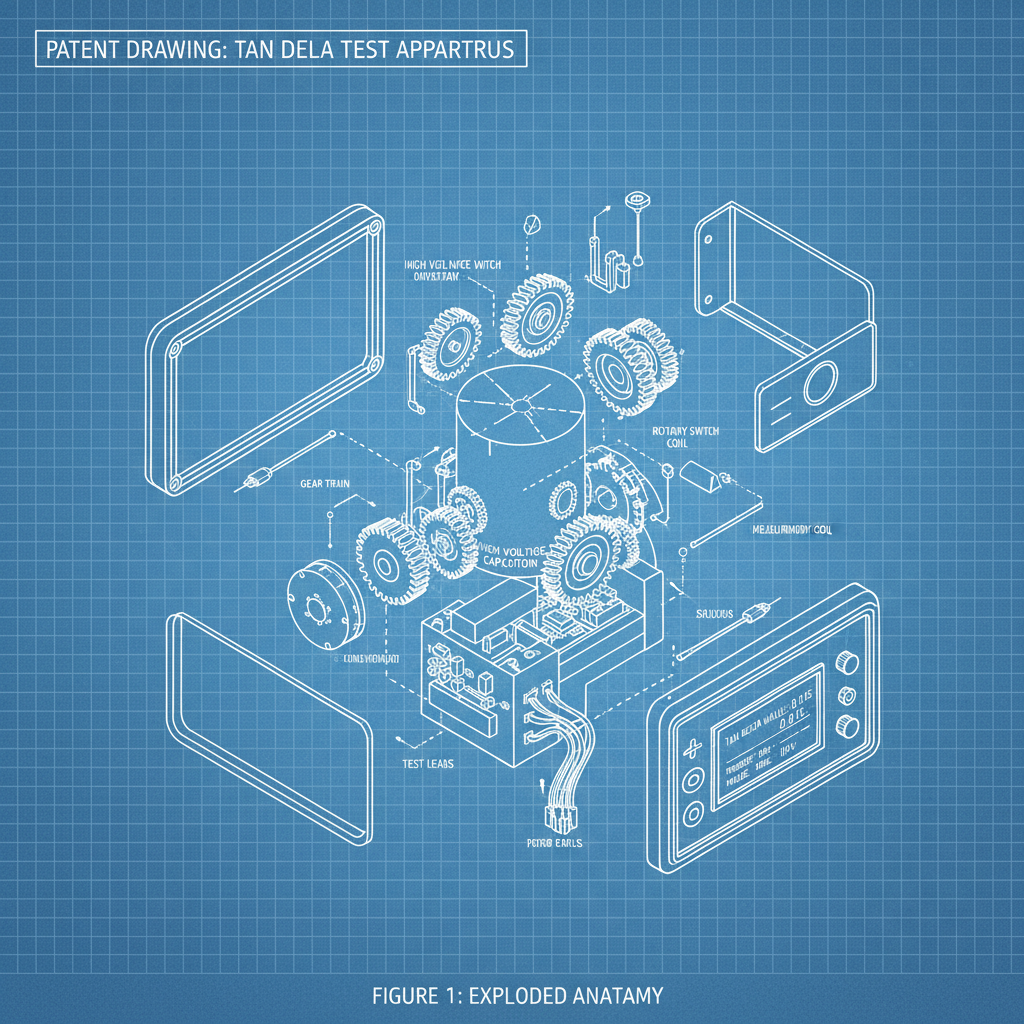
What is a Tan Delta Test and Why is it Important?
The Tan Delta (tan δ) test, also known as the dissipation factor test, measures the energy lost within a dielectric material when subjected to an alternating current (AC) voltage. This loss is due to the material's internal resistance and represents the inefficiency of the insulation. A higher tan delta value indicates greater energy dissipation and a potentially degraded insulation system. Monitoring tan delta over time helps detect changes in the condition of the insulation, such as contamination, moisture ingress, or deterioration due to thermal stress. Regular testing is a cornerstone of preventative maintenance programs for high-voltage assets.
Key Takeaway: A low tan delta indicates healthy insulation, while a rising value signals potential issues requiring investigation.
Applications of the Tan Delta Test Kit
A Tan Delta Test Kit finds widespread applications across various industries. Common uses include:
- Transformer Diagnostics: Assessing the condition of transformer windings and oil-impregnated insulation.
- Cable Testing: Evaluating the integrity of high-voltage cables, including underground and overhead systems.
- Capacitor Analysis: Determining the health and performance of power capacitors.
- Switchgear Maintenance: Checking the insulation of switchgear components.
- Motor Stator Evaluation: Identifying insulation degradation in large electric motors.
By performing regular tests, operators can proactively address potential failures before they lead to costly downtime and safety hazards.
Benefits of Tan Delta Testing:
• Early detection of insulation degradation
• Reduced risk of unexpected equipment failures
• Extended equipment lifespan
• Improved safety and reliability
Tan Delta Test Kit: Key Components & Specifications
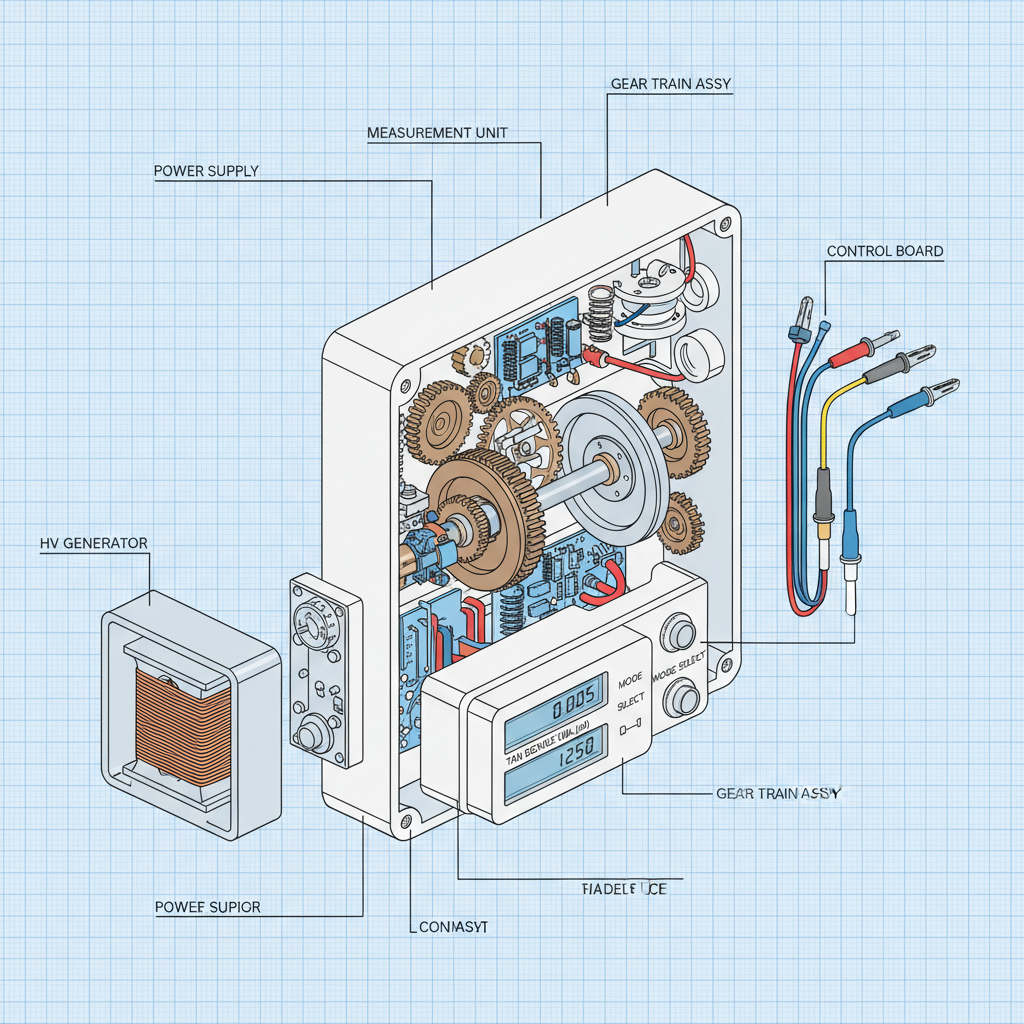
A typical Tan Delta Test Kit comprises several essential components:
Choosing the Right Tan Delta Test Kit
Selecting the appropriate Tan Delta Test Kit depends on several factors, including the voltage level of the equipment being tested, the required accuracy, and portability needs. Consider these points:
Voltage Range: Ensure the kit's voltage output matches the voltage rating of the equipment.
Frequency: Most tests are performed at 50/60 Hz, but some applications may require different frequencies.
Accuracy: Higher accuracy is crucial for precise diagnostics.
Portability: Portable kits are ideal for field work, while benchtop models offer more features and stability for laboratory use.
Safety Considerations When Using a Tan Delta Test Kit
Working with high voltage requires strict adherence to safety protocols. Always:
- Wear appropriate personal protective equipment (PPE), including safety glasses, gloves, and insulated footwear.
- Ensure the equipment is properly grounded.
- Follow the manufacturer's instructions carefully.
- De-energize and isolate the equipment before connecting the test kit.
- Be aware of potential hazards and maintain a safe working distance.
Conclusion: Investing in Proactive Maintenance
The Tan Delta Test Kit is a vital investment for any organization responsible for maintaining high-voltage electrical equipment. By enabling proactive monitoring and early detection of insulation degradation, it helps prevent costly failures, improve safety, and extend equipment lifespan. Regular testing, combined with proper analysis of results, is key to a reliable and efficient electrical system.
Frequently Asked Questions (FAQs)
What is a typical acceptable Tan Delta value?
Acceptable tan delta values vary depending on the type of equipment and voltage level. Generally, for new equipment, tan delta values should be below 0.005. As equipment ages, tan delta values will increase. Values above 0.01 indicate a potential problem and warrant further investigation. It’s important to establish a baseline for each piece of equipment and monitor changes over time. The acceptable limit also depends on the specific industry standards and manufacturer recommendations.
How often should I perform a Tan Delta test?
The frequency of tan delta testing depends on the criticality of the equipment and its operating environment. For critical equipment like transformers, annual testing is recommended. Less critical equipment may be tested every 2-3 years. It’s also advisable to perform a test after any significant maintenance or repair work. Trend analysis of tan delta values is more valuable than isolated measurements, so regular testing is crucial for identifying developing problems.
Can environmental factors affect Tan Delta readings?
Yes, environmental factors such as temperature and humidity can influence tan delta readings. Higher temperatures generally increase tan delta values. Moisture ingress can also significantly increase tan delta. Therefore, it’s essential to record the temperature and humidity during testing and apply appropriate corrections if necessary. Ensure the equipment is dry before testing, and perform tests under consistent environmental conditions for accurate comparisons.
What does a rising Tan Delta value indicate?
A rising tan delta value typically indicates deterioration of the insulation system. This could be caused by factors such as contamination, moisture absorption, thermal stress, or partial discharge activity. A consistently increasing trend should trigger a more detailed investigation to identify the root cause and implement appropriate corrective actions. Ignoring a rising tan delta value can lead to catastrophic equipment failure.
-
Find the Best Loop Impedance Tester for Sale and Ensure Electrical SafetyNewsMar.31,2026
-
Comprehensive Guide to Loop Impedance Meter for Electrical SafetyNewsMar.28,2026
-
Understanding and Choosing a Line Impedance Tester for Optimal Network PerformanceNewsMar.26,2026
-
Comprehensive Guide to Line Earth Loop Impedance Test for Electrical SafetyNewsMar.24,2026
-
Comprehensive Guide to Fault Loop Impedance Meter and Electrical SafetyNewsMar.21,2026
-
Comprehensive Guide to External Loop Impedance Test for Electrical SafetyNewsMar.19,2026


