 English



-
 Afrikaans
 -
 Albanian
 -
 Amharic
 -
 Arabic
 -
 Armenian
 -
 Azerbaijani
 -
 Basque
 -
 Belarusian
 -
 Bengali
 -
 Bosnian
 -
 Bulgarian
 -
 Catalan
 -
 Cebuano
 -
 China
China -
 China (Taiwan)
 -
 Corsican
 -
 Croatian
 -
 Czech
Czech -
 Danish
 -
 Dutch
Dutch -
 English
 -
 Esperanto
 -
 Estonian
 -
 Finnish
 -
 French
 -
 Frisian
 -
 Galician
 -
 Georgian
 -
 German
 -
 Greek
Greek -
 Gujarati
 -
 Haitian Creole
 -
 hausa
hausa -
 hawaiian
 -
 Hebrew
 -
 Hindi
Hindi -
 Miao
Miao -
 Hungarian
 -
 Icelandic
 -
 igbo
igbo -
 Indonesian
 -
 irish
irish -
 Italian
 -
 Japanese
 -
 Javanese
 -
 Kannada
 -
 kazakh
 -
 Khmer
Khmer -
 Rwandese
 -
 Korean
 -
 Kurdish
 -
 Kyrgyz
 -
 Lao
Lao -
 Latin
Latin -
 Latvian
 -
 Lithuanian
 -
 Luxembourgish
 -
 Macedonian
 -
 Malgashi
 -
 Malay
Malay -
 Malayalam
 -
 Maltese
 -
 Maori
Maori -
 Marathi
 -
 Mongolian
 -
 Myanmar
 -
 Nepali
 -
 Norwegian
 -
 Norwegian
 -
 Occitan
 -
 Pashto
 -
 Persian
 -
 Polish
 -
 Portuguese
 -
 Punjabi
 -
 Romanian
 -
 Russian
 -
 Samoan
 -
 Scottish Gaelic
 -
 Serbian
 -
 Sesotho
 -
 Shona
Shona -
 Sindhi
 -
 Sinhala
 -
 Slovak
 -
 Slovenian
 -
 Somali
 -
 Spanish
 -
 Sundanese
 -
 Swahili
 -
 Swedish
 -
 Tagalog
 -
 Tajik
Tajik -
 Tamil
Tamil -
 Tatar
Tatar -
 Telugu
 -
 Thai
Thai -
 Turkish
 -
 Turkmen
 -
 Ukrainian
 -
 Urdu
Urdu -
 Uighur
 -
 Uzbek
Uzbek -
 Vietnamese
 -
 Welsh
Welsh -
 Bantu
Bantu -
 Yiddish
 -
 Yoruba
 -
 Zulu
Zulu
Understanding the Crucial Role of an Oil Pressure Tester Kit
Engine oil pressure, often overlooked until a dashboard warning light illuminates, is the lifeblood of any internal combustion engine. It ensures proper lubrication, cools critical components, and maintains hydraulic tension in systems like variable valve timing. A dip in oil pressure can rapidly escalate from a minor concern to catastrophic engine failure, incurring exorbitant repair costs and significant downtime. This makes a reliable oil pressure tester kit not just a convenience, but an indispensable diagnostic tool for mechanics, technicians, and serious DIY enthusiasts alike. Beyond merely confirming a fault, a high-quality kit provides the precise data needed to diagnose the root cause—whether it’s a worn oil pump, clogged filter, failing pressure switch, or incorrect oil viscosity. Its utility spans from routine maintenance checks and pre-purchase inspections to in-depth troubleshooting of complex engine issues. Investing in a comprehensive kit equips professionals with the means to proactively identify potential problems, prevent costly damage, and uphold the longevity and performance of any engine under their care. The precision and accuracy offered by modern testing equipment transform guesswork into definitive diagnoses, saving both time and financial resources in the long run.
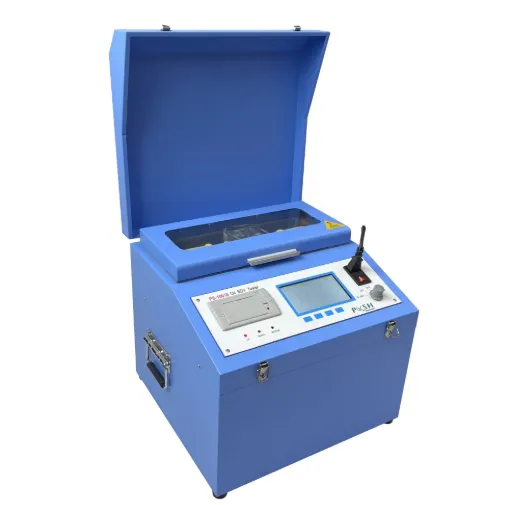
The Alarming Truth: Data Driving the Need for Vigilance
The consequences of undetected low oil pressure are financially staggering and operationally devastating. Consider these sobering statistics: according to industry reports, up to 15% of all major engine failures can be directly attributed to lubrication system deficiencies, with insufficient oil pressure being a primary culprit. A single engine replacement can range from $3,000 for a standard passenger vehicle to over $20,000 for commercial or high-performance engines, not including labor and associated downtime. For fleet operators, the ripple effect of one vehicle out of service due to an oil-related issue can translate into thousands of dollars in lost revenue daily. Furthermore, studies indicate that engines operating even marginally below optimal oil pressure experience an accelerated wear rate of critical components, reducing engine lifespan by as much as 25%. This translates to earlier costly overhauls or replacements. Proactive monitoring with a dedicated tester can identify these subtle but dangerous deviations long before a catastrophic failure occurs. Imagine the impact of detecting a weakening oil pump at an early stage, a repair that might cost hundreds of dollars, compared to the thousands required for a complete engine rebuild. The data unequivocally underscores that investing in accurate diagnostic equipment is not an expense, but a prudent financial decision that safeguards assets and operational continuity against the silent, destructive force of inadequate lubrication.
Precision Engineering: Unpacking the Technical Edge
Modern oil pressure tester kits are far removed from the rudimentary gauges of yesteryear, embodying significant advancements in precision engineering and user-centric design. At their core, these kits feature highly accurate pressure gauges, often available in both analog and digital formats. Digital gauges typically offer resolutions down to 0.1 PSI or 0.01 Bar, providing unequivocal readings that eliminate human error in interpretation, often backlit for visibility in dimly lit engine bays. These advanced units may also include peak hold functions, allowing technicians to capture transient pressure drops that might otherwise be missed. The heart of a versatile kit lies in its comprehensive array of adapters. A robust kit typically includes 10 to 20 or more specialized adapters, meticulously machined from durable brass or steel, ensuring compatibility with a vast range of domestic, European, and Asian vehicles – from classic cars with unique thread patterns to contemporary engines employing metric standards. These adapters are designed for a secure, leak-free connection, critical for accurate readings. Hoses are another vital component, engineered for extreme durability and flexibility. Constructed from high-pressure-rated nylon or reinforced rubber, they resist oil, fuel, and other automotive fluids, while remaining pliable enough to navigate tight engine compartments without kinking. Quick-connect fittings enhance efficiency, allowing rapid swapping of adapters without tools. Furthermore, advanced kits might incorporate features like pressure relief valves to prevent over-pressurization of the gauge, and robust blow-molded cases to protect components from the harsh realities of a workshop environment. This blend of precision, durability, and adaptability makes today’s testers indispensable.
Navigating the Market: A Comparative Look at Leading Solutions
The market for oil pressure tester kits offers a spectrum of choices, each catering to different levels of professional demand and budget constraints. Understanding the nuances between leading manufacturers is crucial for making an informed investment. While all kits aim to measure oil pressure, their execution in terms of accuracy, durability, and versatility can vary significantly. Below, we examine a comparative snapshot of illustrative offerings, highlighting key differentiators that impact their utility and value:
|
Feature / Brand |
Accu-Gauge Pro Series |
Workhorse Diagnostics X-Kit |
Economaster EZ-Test |
|
Gauge Type |
Digital, Backlit LCD with Peak Hold |
High-Precision Analog, Large Dial |
Standard Analog, Compact Dial |
|
Pressure Range |
0-200 PSI / 0-14 Bar |
0-150 PSI / 0-10 Bar |
0-100 PSI / 0-7 Bar |
|
Adapter Count & Material |
22 Pcs, Forged Brass & Steel |
15 Pcs, Machined Brass |
8 Pcs, Cast Brass |
|
Hose Length & Material |
48 inches, Reinforced Braided Nylon |
36 inches, High-Pressure Rubber |
24 inches, Standard Rubber |
|
Accuracy |
+/- 0.5% Full Scale |
+/- 1.5% Full Scale |
+/- 3% Full Scale |
|
Case Durability |
Heavy-Duty Blow-Molded (Lockable) |
Durable Blow-Molded |
Basic Plastic Carry Case |
|
Key Advantages |
Unmatched precision, wide compatibility, digital features. |
Robust construction, good value, reliable analog readings. |
Affordable, suitable for basic checks, compact. |
The Accu-Gauge Pro Series stands out for its digital precision and extensive adapter set, making it ideal for professional workshops tackling a wide variety of vehicles where absolute accuracy is paramount. The Workhorse Diagnostics X-Kit offers a compelling balance of durability and accuracy for the discerning mechanic who appreciates a reliable analog display and solid construction. Conversely, the Economaster EZ-Test serves as an entry-level option, suitable for occasional use or for those needing a basic pressure verification without the need for extensive adaptability or ultra-high precision. The choice ultimately depends on the specific demands of the user, the breadth of vehicles serviced, and the budget allocated for diagnostic tooling, but the data clearly indicates a trade-off between cost and comprehensive, high-performance features.
Tailored Diagnostics: Crafting Custom Solutions for Unique Demands
While off-the-shelf oil pressure tester kits offer broad compatibility, specific applications often demand customized solutions to ensure optimal accuracy and efficiency. This need arises from the sheer diversity of engine designs, from high-performance racing engines and vintage automotive marvels to heavy-duty industrial machinery and specialized marine propulsion systems. For instance, a technician working exclusively on European luxury vehicles might require a kit with a greater emphasis on metric adapters and potentially a higher maximum pressure range to accommodate sophisticated lubrication systems. Conversely, a mechanic specializing in classic American muscle cars might prioritize a kit with specific NPT (National Pipe Taper) threaded adapters that are less common in modern kits. Beyond adapter sets, customization can extend to the gauge itself. Digital gauges with enhanced data logging capabilities are invaluable for long-duration engine testing or intermittent fault diagnosis, allowing trends and anomalies to be recorded and analyzed over time. For extreme environments, such as those found in marine or heavy equipment applications, gauges might need to be liquid-filled to dampen vibrations and ensure stable readings, or encased in rugged, weatherproof housings. Hose length and material can also be customized; extended hoses are beneficial for large vehicles or inaccessible test points, while specialized materials might be necessary for compatibility with exotic oils or fuels. Manufacturers and specialized distributors often provide services to build bespoke kits, allowing professionals to select specific gauges, hose configurations, and a precise assortment of adapters to perfectly match their operational requirements. This tailored approach not only enhances diagnostic capability but also streamlines workflow, minimizing the need for multiple tools and ensuring every testing scenario is met with the right equipment.
Real-World Applications: Where Accuracy Makes All the Difference
The utility of an advanced oil pressure tester kit extends across a multitude of critical automotive and industrial scenarios, proving its worth far beyond simple troubleshooting. Consider the meticulous process of a pre-purchase inspection for a used vehicle. Beyond checking fluid levels and listening for odd noises, a professional will connect an oil pressure tester to ascertain the health of the engine’s lubrication system. A steady, within-specification reading offers reassurance, while erratic or low pressure can reveal underlying issues like a worn oil pump or bearing damage that might be invisible to the naked eye – saving a potential buyer from a costly mistake. In a professional repair shop, after an engine overhaul or a significant repair involving the oil pump or bearings, an oil pressure test is not just recommended, but absolutely essential. It serves as a final verification step, confirming that all components are functioning harmoniously and the engine is receiving adequate lubrication before it's returned to service. This prevents comebacks and builds customer confidence. Furthermore, diagnostic challenges often present themselves with intermittent symptoms. A "check engine" light might illuminate sporadically, hinting at a pressure issue that only manifests under specific operating conditions, such as high RPMs or when the engine is fully warmed. An advanced digital tester with a peak hold function can capture these fleeting pressure drops, providing crucial data points for an accurate diagnosis. Beyond conventional automobiles, these kits are indispensable in marine engine maintenance, where saltwater environments pose unique challenges, and in heavy equipment diagnostics, where consistent lubrication is vital for machinery operating under immense loads. From preventing catastrophic failures in agricultural machinery to ensuring optimal performance in high-stakes racing engines, the ability to accurately measure and interpret oil pressure is fundamental to reliability and safety across diverse mechanical landscapes.
Empowering Maintenance: The Definitive Oil Pressure Tester Kit for Every Professional
In the demanding world of automotive and machinery maintenance, guesswork is the enemy of efficiency and reliability. The inherent complexity of modern engines, coupled with the escalating costs of repairs, makes proactive and precise diagnostics an absolute necessity. A high-quality oil pressure tester kit transcends the role of a mere tool; it becomes an integral diagnostic partner, offering insights that are critical for preventing premature wear, averting catastrophic failures, and ensuring optimal operational longevity. From meticulously verifying the health of a prospective vehicle purchase to meticulously confirming a post-repair success, its applications are as varied as they are vital. The technological advancements embedded in contemporary kits—ranging from highly accurate digital gauges with advanced data capture capabilities to comprehensive sets of durable, precision-engineered adapters—provide technicians with unparalleled confidence in their assessments. As engines continue to evolve, becoming more compact and sophisticated, the demand for specialized, reliable diagnostic equipment will only intensify. Empowering professionals with the definitive oil pressure tester kit means equipping them to uphold the highest standards of maintenance, safeguard valuable assets, and deliver superior service. It’s an investment that pays dividends in reduced downtime, avoided expenses, and ultimately, enhanced operational integrity across any mechanical endeavor.
Frequently Asked Questions (FAQs) about Oil Pressure Tester Kits
Why is checking oil pressure important?
Checking oil pressure is critical because it directly indicates the health of an engine's lubrication system. Proper oil pressure ensures vital moving parts are adequately lubricated and cooled, preventing excessive friction, wear, and eventual catastrophic engine failure. Low pressure can signal issues like a worn oil pump, clogged filter, or worn bearings.
What are the key components of an oil pressure tester kit?
A typical kit includes a pressure gauge (analog or digital), a high-pressure hose, and a variety of threaded adapters to connect to different engine oil pressure sending unit ports. Some kits also include quick-connect fittings, a protective blow-molded case, and instructions.
How do I use an oil pressure tester kit?
First, locate and remove the oil pressure sending unit from the engine. Select the correct adapter from the kit and thread it into the sending unit port. Connect the high-pressure hose and gauge to the adapter. Start the engine and observe the pressure reading at specified RPMs (often idle and 2,000 RPMs) according to the vehicle's service manual. Compare readings to manufacturer specifications.
What is the difference between analog and digital oil pressure gauges?
Analog gauges use a needle and dial for a visual reading, often preferred for their robustness and simplicity. Digital gauges display numerical readings on an LCD screen, offering higher precision (e.g., 0.1 PSI resolution) and sometimes advanced features like backlighting, peak hold, and data logging capabilities.
Can I use a generic oil pressure tester kit for all vehicles?
While many kits come with a wide range of adapters for broad compatibility, no single kit can cover every single engine variant worldwide. Specialized kits or additional adapters may be required for certain classic, heavy-duty, or niche European/Asian vehicles with unique thread sizes or pitches.
What are common symptoms of low oil pressure that would warrant using a tester?
Common symptoms include the oil pressure warning light illuminating on the dashboard, hydraulic lifter noise (ticking or tapping sounds), engine knocking or grinding sounds, reduced engine performance, or excessive engine heat. A tester provides a definitive diagnosis beyond these subjective symptoms.
How often should oil pressure be checked?
For routine maintenance, oil pressure typically doesn't require a dedicated check unless symptoms arise. However, it's highly recommended during pre-purchase vehicle inspections, after any major engine repair (especially those involving lubrication components), and as a diagnostic step when troubleshooting engine performance issues or warning lights.
-
Find the Best Loop Impedance Tester for Sale and Ensure Electrical SafetyNewsMar.31,2026
-
Comprehensive Guide to Loop Impedance Meter for Electrical SafetyNewsMar.28,2026
-
Understanding and Choosing a Line Impedance Tester for Optimal Network PerformanceNewsMar.26,2026
-
Comprehensive Guide to Line Earth Loop Impedance Test for Electrical SafetyNewsMar.24,2026
-
Comprehensive Guide to Fault Loop Impedance Meter and Electrical SafetyNewsMar.21,2026
-
Comprehensive Guide to External Loop Impedance Test for Electrical SafetyNewsMar.19,2026


