 English



-
 Afrikaans
 -
 Albanian
 -
 Amharic
 -
 Arabic
 -
 Armenian
 -
 Azerbaijani
 -
 Basque
 -
 Belarusian
 -
 Bengali
 -
 Bosnian
 -
 Bulgarian
 -
 Catalan
 -
 Cebuano
 -
 China
China -
 China (Taiwan)
 -
 Corsican
 -
 Croatian
 -
 Czech
Czech -
 Danish
 -
 Dutch
Dutch -
 English
 -
 Esperanto
 -
 Estonian
 -
 Finnish
 -
 French
 -
 Frisian
 -
 Galician
 -
 Georgian
 -
 German
 -
 Greek
Greek -
 Gujarati
 -
 Haitian Creole
 -
 hausa
hausa -
 hawaiian
 -
 Hebrew
 -
 Hindi
Hindi -
 Miao
Miao -
 Hungarian
 -
 Icelandic
 -
 igbo
igbo -
 Indonesian
 -
 irish
irish -
 Italian
 -
 Japanese
 -
 Javanese
 -
 Kannada
 -
 kazakh
 -
 Khmer
Khmer -
 Rwandese
 -
 Korean
 -
 Kurdish
 -
 Kyrgyz
 -
 Lao
Lao -
 Latin
Latin -
 Latvian
 -
 Lithuanian
 -
 Luxembourgish
 -
 Macedonian
 -
 Malgashi
 -
 Malay
Malay -
 Malayalam
 -
 Maltese
 -
 Maori
Maori -
 Marathi
 -
 Mongolian
 -
 Myanmar
 -
 Nepali
 -
 Norwegian
 -
 Norwegian
 -
 Occitan
 -
 Pashto
 -
 Persian
 -
 Polish
 -
 Portuguese
 -
 Punjabi
 -
 Romanian
 -
 Russian
 -
 Samoan
 -
 Scottish Gaelic
 -
 Serbian
 -
 Sesotho
 -
 Shona
Shona -
 Sindhi
 -
 Sinhala
 -
 Slovak
 -
 Slovenian
 -
 Somali
 -
 Spanish
 -
 Sundanese
 -
 Swahili
 -
 Swedish
 -
 Tagalog
 -
 Tajik
Tajik -
 Tamil
Tamil -
 Tatar
Tatar -
 Telugu
 -
 Thai
Thai -
 Turkish
 -
 Turkmen
 -
 Ukrainian
 -
 Urdu
Urdu -
 Uighur
 -
 Uzbek
Uzbek -
 Vietnamese
 -
 Welsh
Welsh -
 Bantu
Bantu -
 Yiddish
 -
 Yoruba
 -
 Zulu
Zulu
Unlocking Peak Performance with an Advanced Engine Oil Analysis Kit
In the intricate ecosystem of industrial machinery, fleet management, and power generation, the lubricant flowing through an engine or hydraulic system acts as its lifeblood. Unseen, yet relentlessly at work, this oil is a silent storyteller, its chemical composition and physical properties narrating the internal health and operational stresses endured by critical equipment. Ignoring these whispers can lead to catastrophic failures, exorbitant repair costs, and devastating unscheduled downtime. This is precisely where an advanced engine oil analysis kit transforms from a mere diagnostic tool into an indispensable sentinel for predictive maintenance. Far beyond simple dipstick checks or scheduled oil changes based purely on mileage or hours, comprehensive oil analysis delves deep into the lubricant's molecular structure and contaminant profile, revealing critical insights that empower operators to anticipate problems, optimize maintenance schedules, and significantly extend the lifespan of their assets. It’s an investment that pays dividends not just in preventing breakdowns, but in fostering a culture of informed, proactive asset management. A state-of-the-art kit offers a robust framework for understanding wear trends, pinpointing sources of contamination, and evaluating the remaining useful life of the lubricant itself, enabling decisions based on hard data rather than speculative guesswork. This proactive stance fundamentally shifts maintenance paradigms from reactive repairs to strategic interventions, ensuring machinery operates at peak efficiency and reliability, thereby safeguarding operational continuity and profitability. The sophistication of contemporary analysis kits means that even complex tests can be performed with relative ease, providing actionable data swiftly to minimize operational disruptions and maximize equipment uptime.
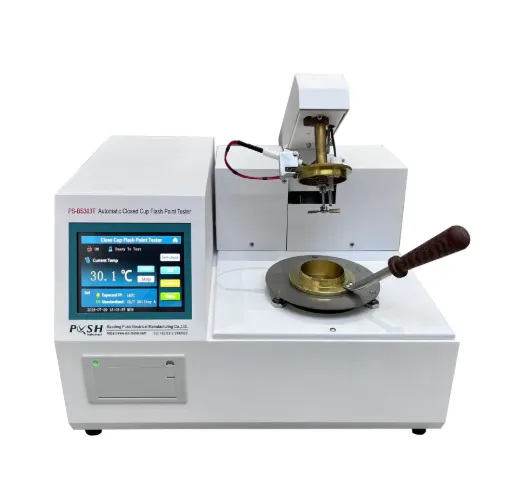
The Unseen Threat: Why Proactive Oil Analysis is Paramount for Operational Longevity
The consequences of neglecting regular, in-depth oil analysis are profound, manifesting as reduced operational efficiency, increased fuel consumption, and, most critically, unforeseen mechanical failures. Consider the financial ramifications: a single major engine breakdown in a heavy-duty truck fleet can easily incur repair costs upwards of $15,000 - $30,000, not including the significant revenue loss from vehicle downtime, which can range from $500 to $1,500 per day. Across an entire fleet or a large industrial plant, these figures escalate rapidly. Conversely, implementing a robust oil analysis program can reduce unscheduled downtime by an estimated 25% to 40% and extend equipment lifespan by as much as 20% to 30%. Data from numerous industrial sectors consistently demonstrates that proactive maintenance, underpinned by oil analysis, can slash overall maintenance costs by 10% to 15% annually. For instance, a mining operation in Australia reported a $1.2 million saving in a single year by preventing a catastrophic gearbox failure in a critical excavator, directly attributed to early detection of wear metals through regular oil sampling. This isn't just about cost savings; it's about safeguarding productivity. A power generation facility relying on turbine engines, for example, cannot afford unexpected outages. Oil analysis helps monitor the health of these vital components, identifying issues like water ingress or bearing wear before they escalate into costly and disruptive failures, ensuring continuous power supply. The return on investment for an effective oil analysis program is not just theoretical; it's empirically proven across diverse, high-stakes operational environments where equipment reliability is paramount. This strategic approach ensures that resources are allocated efficiently, preventing unnecessary oil changes and focusing maintenance efforts precisely where and when they are most needed.
Unpacking the Technology: Core Features and Technical Advantages of Modern Oil Analysis
Modern oil analysis kits are technological marvels, integrating sophisticated analytical techniques into user-friendly platforms, making advanced diagnostics accessible to a broader range of operators. At their core, these kits provide insights into three main areas: wear metals, contaminants, and oil degradation. Key technologies often found within these kits include: Inductively Coupled Plasma (ICP) Spectrometry, which precisely identifies and quantifies metallic wear particles (iron, copper, chromium, lead) originating from engine components, as well as additive elements (zinc, phosphorus, calcium, magnesium) and contaminants (silicon, sodium); Fourier Transform Infrared (FTIR) Spectroscopy, used to detect oil degradation products (oxidation, nitration, sulfation), water contamination, fuel dilution, and antifreeze, providing a molecular fingerprint of the oil's condition; and Viscometry, measuring the oil's resistance to flow, a critical indicator of its lubricating ability, which can be affected by shear, dilution, or oxidation. Furthermore, advanced kits often incorporate Particle Count analysis to quantify the size and number of solid particles, indicative of wear and filtration efficiency, and Total Acid Number (TAN) / Total Base Number (TBN) tests to monitor the oil's remaining additive package and its ability to neutralize acids, crucial for determining remaining useful life. The technical advantages of these integrated systems are multifold: unparalleled accuracy and repeatability of results, rapid turnaround times for critical data, non-invasive sampling, and the ability to trend data over time for predictive modeling. Many contemporary kits also boast intuitive software interfaces that generate comprehensive reports, flagging anomalies and recommending corrective actions. This fusion of chemical, physical, and spectroscopic analysis ensures a holistic view of both the lubricant and the machinery it serves, moving beyond symptomatic observation to root-cause identification, empowering truly proactive decision-making that optimizes asset performance and longevity.
Navigating the Market: A Comparative Look at Leading Engine Oil Analysis Kit Manufacturers
The market for engine oil analysis kits is robust, populated by several reputable manufacturers, each offering unique strengths in terms of technology, ease of use, and reporting capabilities. Understanding these differences is crucial for selecting a kit that aligns with specific operational needs and budget constraints. Below is a comparative overview of typical offerings, illustrating the diverse landscape:
|
Feature/Manufacturer Aspect |
Manufacturer A (e.g., Spectro Scientific) |
Manufacturer B (e.g., OilCheck/Tan Delta) |
Manufacturer C (e.g., Parker Kittiwake) |
|
Primary Technology Focus |
ICP, FTIR, Viscometry (broad spectrum lab-grade) |
Dielectric Constant, Viscosity, Particle Count (portable, real-time) |
Spectrometry, Ferrography, Water Content (comprehensive marine/industrial) |
|
Key Advantages |
Highly accurate lab-grade results, extensive data parameters, robust software integration. Ideal for detailed R&D or critical asset monitoring. |
Portable, rapid on-site analysis, user-friendly interface. Excellent for quick checks and immediate operational decisions. |
Specialized for challenging environments (marine, heavy industrial), durable, advanced contamination detection. |
|
Ease of Use (On-Site) |
Moderate to High (requires some technical expertise for operation & interpretation) |
High (designed for ease of use by non-specialized personnel) |
Moderate (ruggedized but may require specific training for full feature utilization) |
|
Report Depth & Customization |
Very High (detailed graphical trends, expert commentary, customizable alerts) |
Good (clear pass/fail indicators, basic trending, integration with CMMS) |
High (in-depth analysis, tailored for specific engine types, comprehensive diagnostics) |
|
Typical Price Range |
High (Entry-level lab kits from $20k, advanced systems $50k+) |
Medium (Portable handhelds $3k-$10k, compact units $15k-$30k) |
Medium to High (Specific kits $8k-$40k depending on modules) |
|
Targeted Industries |
Heavy Industrial, Mining, Power Generation, Commercial Fleets, Laboratories |
Fleet Management, Construction, Agriculture, Small-Medium Industrial Plants |
Marine, Offshore, Power Generation, Heavy Machinery, Defence |
|
Training & Support |
Extensive training, global support network, expert consultation services. |
Good product documentation, online resources, regional distributors. |
Comprehensive field support, specialized training for complex applications. |
This comparison highlights that the "best" kit is subjective, depending on factors such as the scale of operation, the criticality of equipment, the technical proficiency of staff, and the specific types of data required. While some operations might prioritize the precision of a dedicated lab instrument from Manufacturer A, others may benefit more from the rapid, on-site diagnostics offered by Manufacturer B, or the rugged, specialized capabilities of Manufacturer C. The decision often involves balancing initial investment, ongoing operational costs, and the actionable insights gained.
Tailored Precision: Crafting Custom Oil Analysis Solutions for Diverse Industries
One of the most significant advancements in engine oil analysis is the capability to develop highly customized solutions that cater to the unique demands of different industries and equipment types. A one-size-fits-all approach to oil analysis is rarely optimal, given the vast differences in operating conditions, lubricant types, and critical components across sectors. For example, a marine fleet operating large diesel engines requires analysis protocols that emphasize fuel dilution, seawater contamination, and high-soot levels, which are less pertinent to a data center's generator set. Similarly, hydraulic systems in heavy construction equipment might prioritize particle count and water ingress, while turbine engines in power generation facilities demand meticulous monitoring of oxidation, varnish potential, and specialized additive depletion. Customization often begins with defining specific test parameters and alarm limits that are relevant to the particular asset and its operational environment. This might involve integrating specialized sensors for real-time monitoring of specific contaminants, or developing custom reporting templates that highlight key performance indicators (KPIs) for maintenance teams. Furthermore, custom solutions extend to software integration, allowing oil analysis data to feed directly into Computerized Maintenance Management Systems (CMMS) or Enterprise Asset Management (EAM) platforms. This seamless data flow enables automated work order generation, predictive maintenance scheduling, and a holistic view of asset health across an entire organization. Training programs can also be customized, ensuring that personnel are proficient in sampling techniques, data interpretation, and corrective action implementation specific to their equipment. The goal is to provide actionable intelligence, not just raw data, ensuring that the oil analysis program delivers maximum value by aligning precisely with operational objectives and regulatory compliance, thereby optimizing lubricant life, preventing premature component wear, and maximizing asset availability in even the most demanding applications.
Real-World Impact: Case Studies and Diverse Applications of Proactive Maintenance
The practical application of sophisticated oil analysis kits has yielded compelling results across a multitude of industries, underscoring their critical role in modern predictive maintenance strategies. Consider the agricultural sector, where a large farming cooperative implemented a portable oil analysis program for its fleet of tractors, combines, and irrigation pumps. Within six months, they identified elevated silicon levels in several engines, indicating failed air filters or improper sealing. Early detection prevented major engine overhauls that would have cost an average of $10,000 per engine and significantly reduced harvest downtime. In the bustling world of commercial trucking, a logistics company adopted a comprehensive engine oil analysis kit to monitor its long-haul fleet. One specific case involved a truck showing abnormally high levels of lead and tin – classic indicators of bearing wear. The analysis prompted an immediate inspection, revealing a failing main bearing that was replaced at a fraction of the cost (approximately $2,500 for parts and labor) of a full engine replacement or catastrophic failure on the road, which could have led to a $25,000+ repair bill and significant delivery delays. Another powerful example comes from the marine industry, where a shipping company utilized an advanced kit to monitor the crankcase oil of its vessel's main propulsion engine. Regular sampling revealed a steady increase in fuel dilution. Despite no visible external leaks, further investigation uncovered a faulty fuel injector, which was quickly replaced. This intervention prevented potential engine runaway, severe lubrication breakdown, and drastically reduced fuel consumption, leading to estimated savings of $500-$1000 per day in fuel alone, in addition to preventing a potential multi-million dollar engine failure. These diverse scenarios unequivocally demonstrate that investing in and diligently utilizing an engine oil analysis kit is not merely an expense, but a strategic asset that delivers tangible economic benefits through enhanced reliability, prolonged asset life, and optimized operational expenditure, turning potential crises into manageable maintenance tasks. The ability to foresee and preempt equipment issues allows organizations to transition from reactive, costly repairs to planned, efficient, and cost-effective interventions, ensuring continuity and profitability.
Making an Informed Investment: Choosing Your Ideal Engine Oil Analysis Kit
Selecting the right engine oil analysis kit is a strategic decision that reverberates throughout an organization's maintenance and operational efficiency. It’s imperative to move beyond the initial purchase price and consider the total cost of ownership, the depth of actionable data provided, and the seamless integration into existing maintenance workflows. When making this pivotal choice, several factors warrant close scrutiny. Firstly, assess the types of equipment you operate and their criticality. High-value assets like turbines or critical production machinery may justify a more sophisticated, lab-grade kit offering comprehensive analysis, whereas a small fleet might benefit more from a robust, user-friendly portable solution. Secondly, evaluate your internal capabilities and resources. Do you have trained personnel capable of performing the tests and interpreting complex results, or do you require a kit with intuitive diagnostics and strong vendor support? The ease of use, coupled with the quality of technical support and training, can significantly impact the long-term success of your oil analysis program. Thirdly, consider the reporting and data management features. An effective kit should not only provide accurate data but also present it in a clear, actionable format, ideally with trending capabilities, customizable alarms, and seamless integration with your CMMS. Finally, and perhaps most importantly, engage with potential vendors to explore customized solutions. A reputable supplier should be able to tailor a package of hardware, software, and services that precisely addresses your operational challenges and helps you achieve your specific reliability goals. An informed investment in the correct engine oil analysis kit is not just about buying equipment; it's about acquiring a powerful predictive maintenance tool that will safeguard your assets, optimize your operations, and provide a substantial return on investment through reduced downtime, extended equipment life, and significant cost savings.
FAQs about Engine Oil Analysis Kits
Q1: What is an engine oil analysis kit and why is it important?
An engine oil analysis kit is a diagnostic tool used to collect and analyze lubricant samples from engines or machinery. It's crucial because it provides detailed insights into the oil's condition and the internal health of the equipment, helping to detect wear, contamination, and degradation before major failures occur, thereby enabling predictive maintenance.
Q2: What common parameters are tested with an engine oil analysis kit?
Common parameters include: wear metals (e.g., iron, copper, chromium), contaminants (e.g., silicon, water, fuel), oil degradation products (e.g., oxidation, nitration, sulfation), viscosity, Total Acid Number (TAN), and Total Base Number (TBN), and particle count.
Q3: How often should I use an engine oil analysis kit?
The frequency depends on equipment criticality, operating conditions, manufacturer recommendations, and oil type. For critical assets or severe operating conditions, monthly or quarterly analysis might be necessary. For less critical equipment, semi-annual or annual testing could suffice. Consistent sampling intervals are more important than infrequent, random tests.
Q4: Can an engine oil analysis kit really save me money?
Absolutely. By detecting issues early, oil analysis can prevent catastrophic breakdowns, reduce unscheduled downtime, extend equipment lifespan, optimize oil change intervals, and lower overall maintenance costs. Savings often far outweigh the investment in the kit and analysis services.
Q5: Are there different types of engine oil analysis kits for different industries?
Yes, kits vary significantly. Some are portable for on-site, rapid analysis in fields like fleet or construction. Others are more sophisticated lab-grade kits for comprehensive diagnostics in heavy industrial, marine, or power generation sectors. Custom solutions are often developed to meet specific industry needs.
Q6: What is the difference between an on-site kit and a lab-based analysis?
On-site kits offer quick, real-time results for immediate decision-making, often focusing on key parameters. Lab-based analysis, using more advanced instruments, provides a deeper, more comprehensive diagnostic picture with higher precision, allowing for detailed trending and root cause analysis. Many organizations use both for a holistic approach.
Q7: How do I interpret the results from an engine oil analysis kit?
Interpretation involves comparing current results against baseline data, historical trends, and established alarm limits (often provided by the kit manufacturer or a lab service). Significant deviations or consistent trending in wear metals, contaminants, or oil degradation products indicate potential problems requiring further investigation or corrective action. Many kits come with intuitive software to aid interpretation.
-
Find the Best Loop Impedance Tester for Sale and Ensure Electrical SafetyNewsMar.31,2026
-
Comprehensive Guide to Loop Impedance Meter for Electrical SafetyNewsMar.28,2026
-
Understanding and Choosing a Line Impedance Tester for Optimal Network PerformanceNewsMar.26,2026
-
Comprehensive Guide to Line Earth Loop Impedance Test for Electrical SafetyNewsMar.24,2026
-
Comprehensive Guide to Fault Loop Impedance Meter and Electrical SafetyNewsMar.21,2026
-
Comprehensive Guide to External Loop Impedance Test for Electrical SafetyNewsMar.19,2026


