TEL:
+86-0312-3189593
 Chingerezi


Foni:0312-3189593

Imelo:sales@oil-tester.com
-
 Afrikaans
 -
 Albanian
 -
 Amharic
 -
 Arabic
 -
 Armenian
 -
 Azerbaijani
 -
 Basque
 -
 Belarusian
 -
 Bengali
 -
 Bosnian
 -
 Bulgarian
 -
 Catalan
 -
 Cebuano
 -
 China
China -
 China (Taiwan)
 -
 Corsican
 -
 Croatian
 -
 Czech
Czech -
 Danish
 -
 Dutch
Dutch -
 English
 -
 Esperanto
 -
 Estonian
 -
 Finnish
 -
 French
 -
 Frisian
 -
 Galician
 -
 Georgian
 -
 German
 -
 Greek
Greek -
 Gujarati
 -
 Haitian Creole
 -
 hausa
hausa -
 hawaiian
 -
 Hebrew
 -
 Hindi
Hindi -
 Miao
Miao -
 Hungarian
 -
 Icelandic
 -
 igbo
igbo -
 Indonesian
 -
 irish
irish -
 Italian
 -
 Japanese
 -
 Javanese
 -
 Kannada
 -
 kazakh
 -
 Khmer
Khmer -
 Rwandese
 -
 Korean
 -
 Kurdish
 -
 Kyrgyz
 -
 Lao
Lao -
 Latin
Latin -
 Latvian
 -
 Lithuanian
 -
 Luxembourgish
 -
 Macedonian
 -
 Malgashi
 -
 Malay
Malay -
 Malayalam
 -
 Maltese
 -
 Maori
Maori -
 Marathi
 -
 Mongolian
 -
 Myanmar
 -
 Nepali
 -
 Norwegian
 -
 Norwegian
 -
 Occitan
 -
 Pashto
 -
 Persian
 -
 Polish
 -
 Portuguese
 -
 Punjabi
 -
 Romanian
 -
 Russian
 -
 Samoan
 -
 Scottish Gaelic
 -
 Serbian
 -
 Sesotho
 -
 Shona
Shona -
 Sindhi
 -
 Sinhala
 -
 Slovak
 -
 Slovenian
 -
 Somali
 -
 Spanish
 -
 Sundanese
 -
 Swahili
 -
 Swedish
 -
 Tagalog
 -
 Tajik
Tajik -
 Tamil
Tamil -
 Tatar
Tatar -
 Telugu
 -
 Thai
Thai -
 Turkish
 -
 Turkmen
 -
 Ukrainian
 -
 Urdu
Urdu -
 Uighur
 -
 Uzbek
Uzbek -
 Vietnamese
 -
 Welsh
Welsh -
 Bantu
Bantu -
 Yiddish
 -
 Yoruba
 -
 Zulu
Zulu
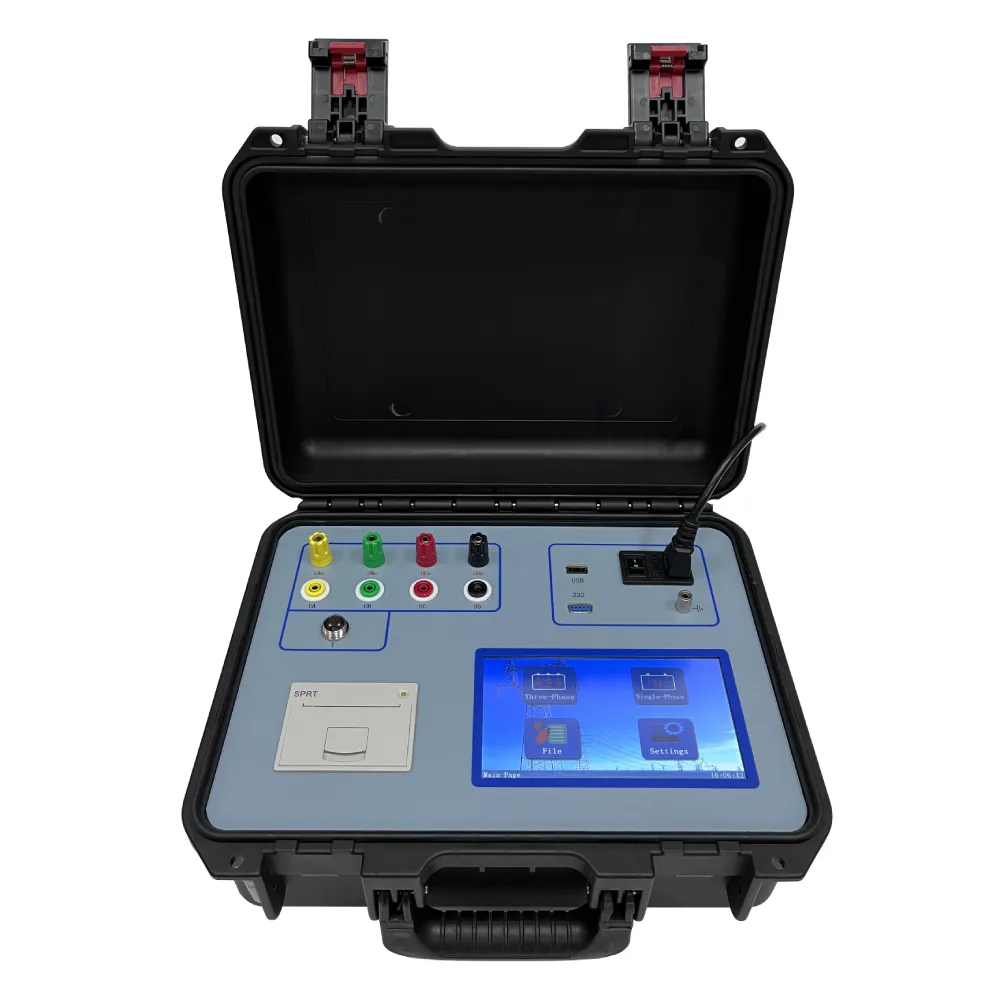
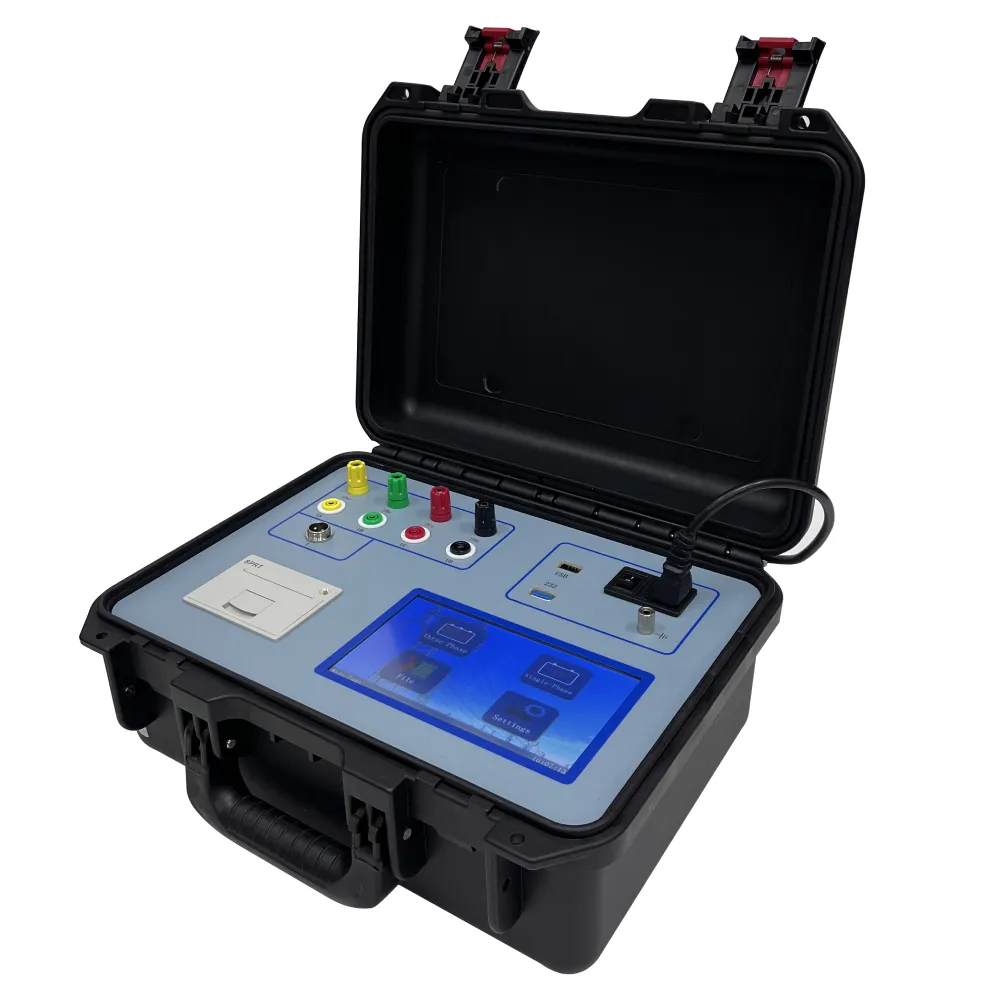
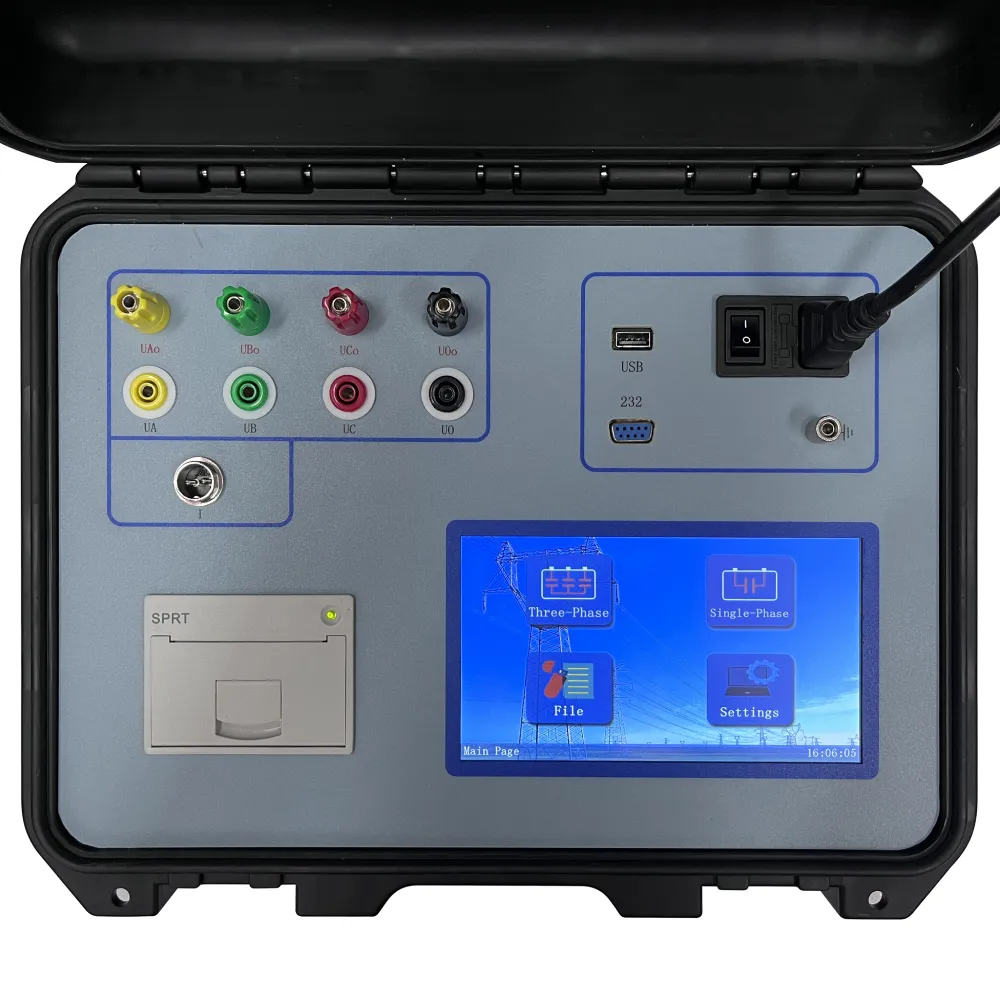
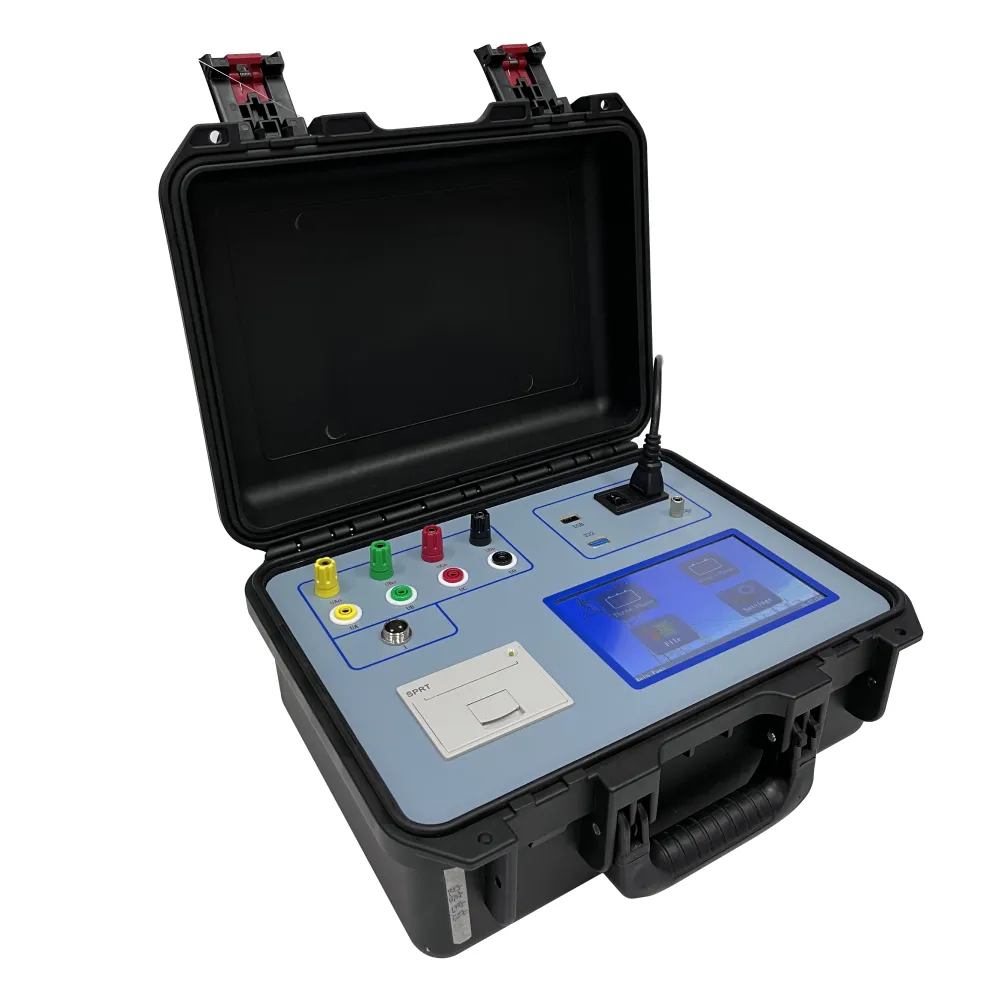
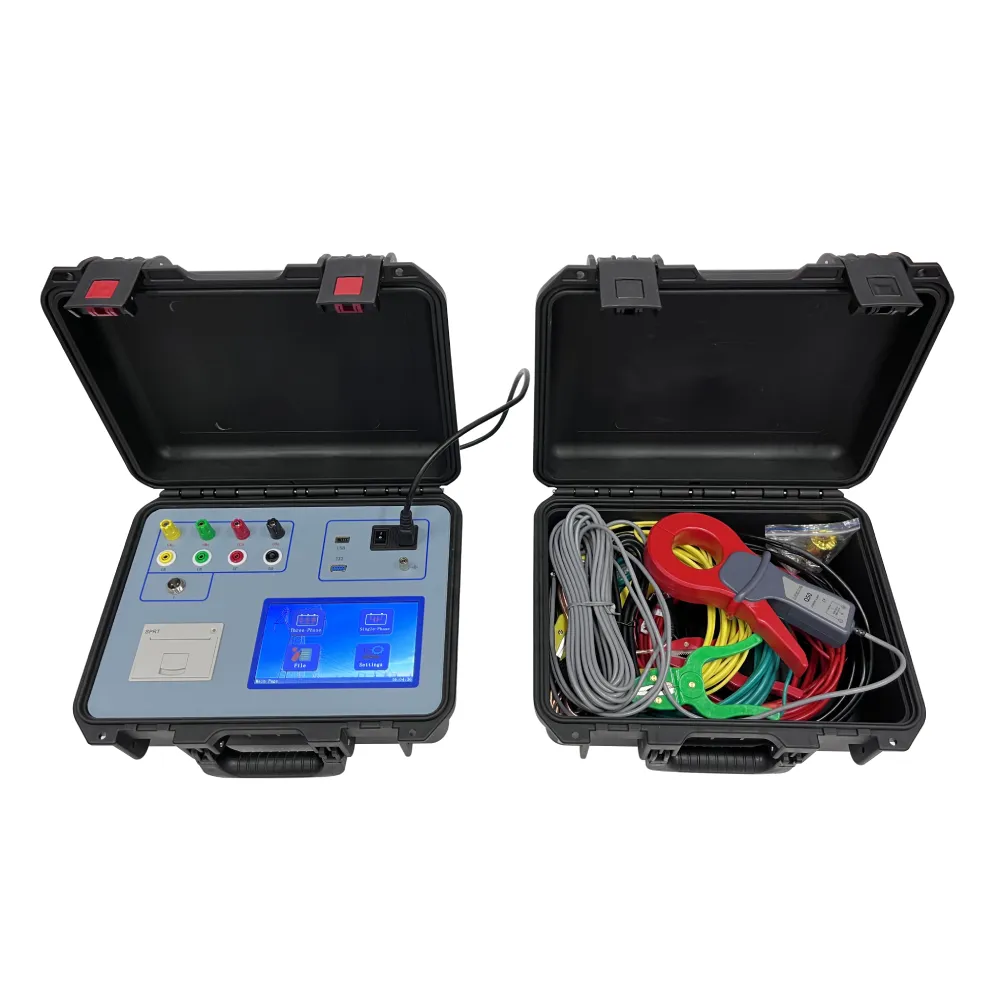
Chiyambi cha Malo Ogulitsa Zinthu
- 1. Chida ichi chikhoza kuyeza mphamvu imodzi ya gulu la ma capacitors ofananira popanda kuchotsa mawaya (onse omwe ali ndi gawo limodzi ndi mphamvu ya magawo atatu akhoza kuyesedwa). mtundu wa ntchito.
2. Panthawi yoyezera, chidachi chikhoza kuwonetsa mtengo wa capacitance kapena mtengo wa inductance, komanso kuwonetsa magetsi oyezera, panopa, mphamvu, ma frequency, impedance, angle angle ndi zina;
3. Chidacho chimagwiritsa ntchito 7.0-inch 1024 × 600 mawonekedwe apamwamba, kugwira ntchito, kuyang'anitsitsa bwino masana ndi usiku, menyu aku China, osavuta kugwiritsa ntchito.
4. Chidacho chapanga kukumbukira kwakukulu kosasunthika kosasunthika: kumatha kusunga ma data 200 a data yoyezera. Chidacho chili ndi mawonekedwe a U-disk, omwe amatha kusunga gulu lililonse la data yoyezera (yochepa ndi mphamvu ya U-disk).
5. Chidacho chapanga-chabwino kwambiri pa nthawi yeniyeni ntchito ya wotchi: tsiku ndi nthawi yowonetsera ikhoza kuchitidwa.
6. Chidacho chimabwera ndi chosindikizira chothamanga kwambiri cha micro thermal: chimatha kusindikiza muyeso ndi mbiri yakale.
Product Parameter
|
Kuyesa mphamvu |
AC 100V ± 10%, 50Hz |
|
|
AC 40V ± 10%, 50Hz |
||
|
AC 10V ± 10%, 50Hz |
||
|
AC 1V ± 10%, 50Hz |
||
|
Muyeso wosiyanasiyana ndi kulondola |
Miyezo ya capacitance range |
0.1uF~6000uF ±(kuwerenga 1%+0.01uF) |
|
Muyezo wa inductance range |
50uH ~20H ±(kuwerenga 3%+0.05uH) |
|
|
Muyezo wapano |
5mA ~ 2A ± (3% ya kuwerenga + 0.05mA) |
|
|
Muyezo kukana osiyanasiyana |
20mΩ~20kΩ ±(kuwerenga 3%+0.1mΩ) |
|
|
Makulidwe |
365mm × 285mm × 170mm |
|
|
Kutentha kozungulira |
-20 ℃ ~40 ℃ |
|
|
Chinyezi chozungulira |
≤85% RH |
|
|
Mphamvu zogwirira ntchito |
AC220V±10%,50±1Hz |
|
Kanema
inductance break point test
inductance break point tester
inductance breakpoint test
Lembani uthenga wanu apa ndikutumiza kwa ife
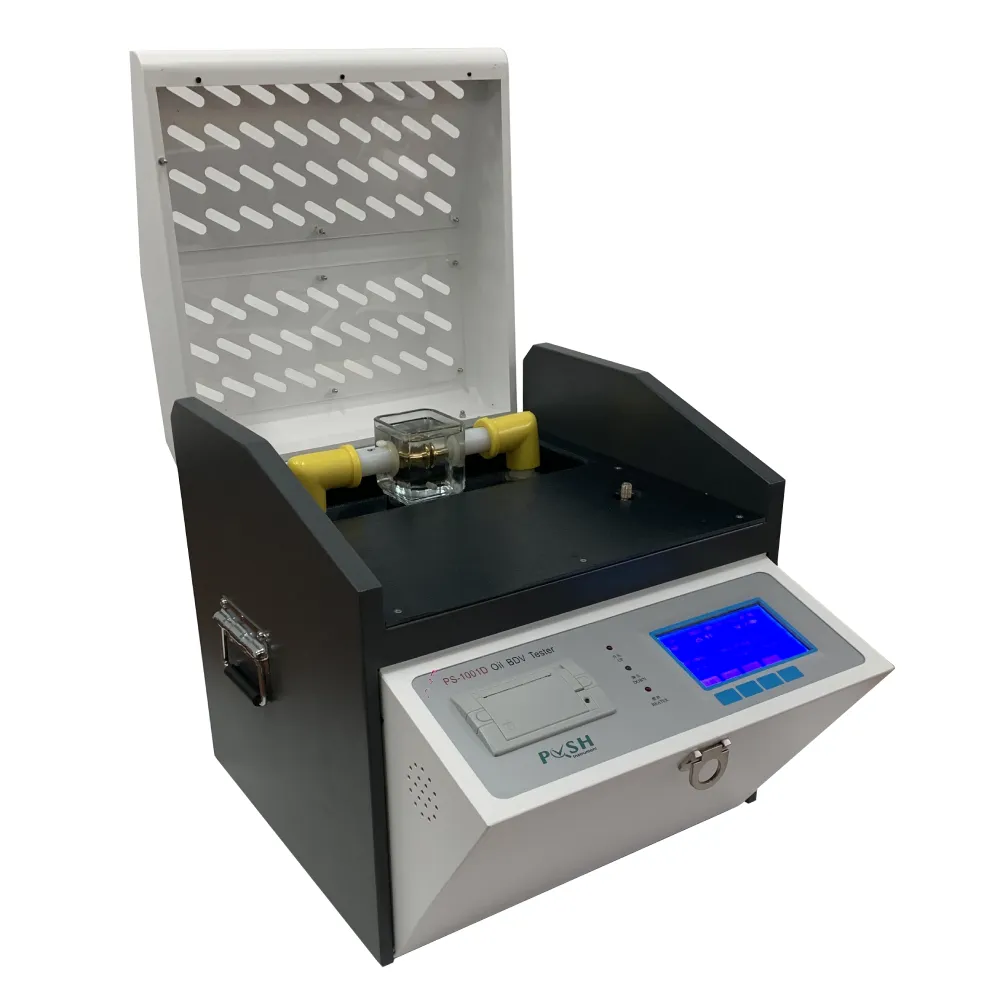
Zogwirizana Nkhani
-
 Find the Best Loop Impedance Tester for Sale and Ensure Electrical SafetyWhen ensuring electrical safety, accurate loop impedance testing is crucial. Whether you’re an electrician, a facilities manager, or a safety inspector, having a reliable loop impedance tester for sale is essential. This article will guide you through the key considerations when purchasing a loop impedance tester, explore the different types available, and highlight the benefits of choosing a high-quality instrument. Understanding the nuances of these testers will help you make an informed decision and ensure compliance with safety regulations.Tsatanetsatane
 -
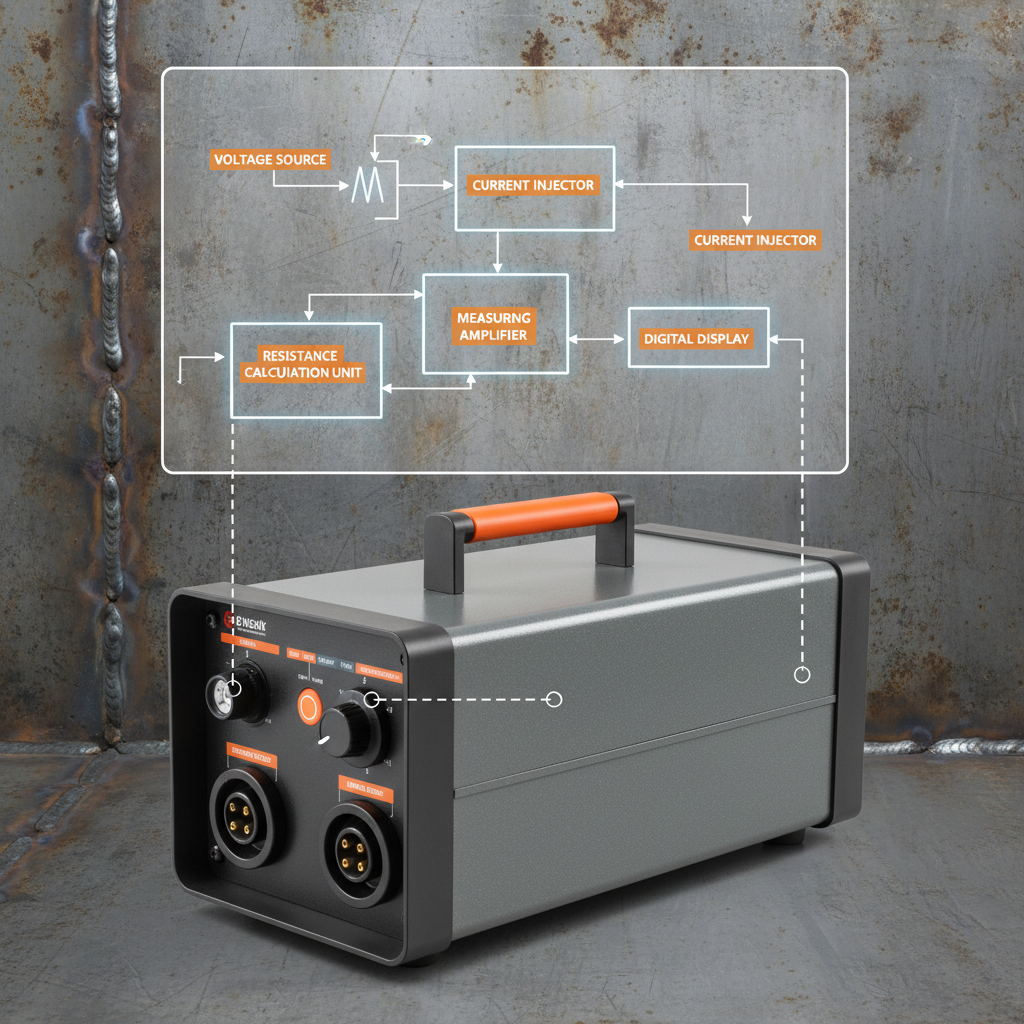 Comprehensive Guide to Loop Impedance Meter for Electrical SafetyEnsuring electrical safety is paramount in any installation, and a loop impedance meter is a crucial tool for achieving this. This device measures the total impedance of the earth fault loop, helping to verify that protective devices will operate correctly under fault conditions. In this article, we'll explore what a loop impedance meter is, how it works, its applications, factors influencing measurements, choosing the right meter, and the importance of regular testing. Investing in a quality meter from Push Tester is a step towards safer electrical systems.Tsatanetsatane
 -
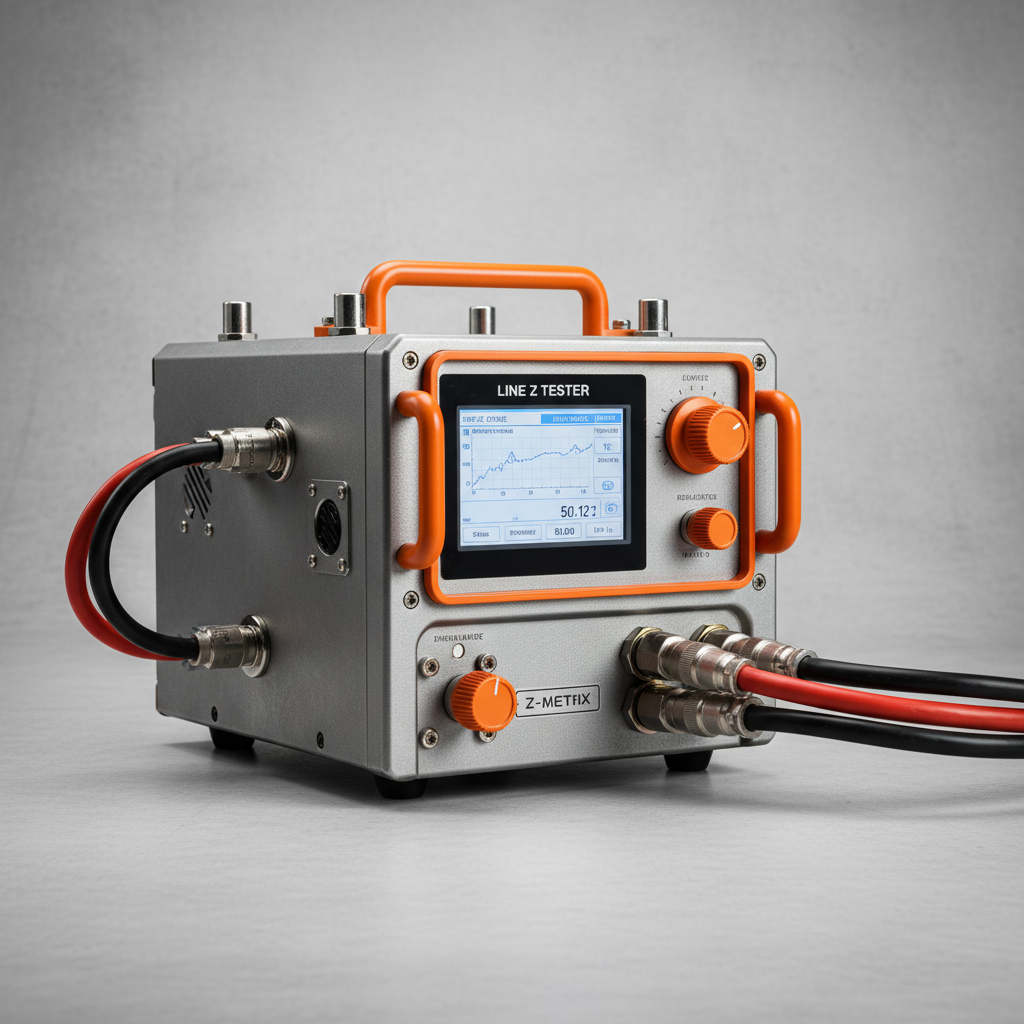 Understanding and Choosing a Line Impedance Tester for Optimal Network PerformanceIn the realm of telecommunications and electrical engineering, maintaining the integrity of transmission lines is paramount. A line impedance tester is a crucial instrument for ensuring optimal signal transmission and preventing costly network disruptions. This article delves into the world of line impedance testing, exploring its importance, applications, types of testers, and what to look for when making a purchase. Ensuring accurate impedance measurements is essential for efficient and reliable network performance. Choosing the right tester can significantly impact troubleshooting speed and the overall quality of your infrastructure. A line impedance tester, also known as a cable impedance analyzer, is a device used to measure the characteristic impedance of coaxial cables, twisted pair cables, and other transmission lines. Impedance, measured in ohms, represents the opposition to the flow of alternating current. Maintaining the correct impedance (typically 50 or 75 ohms) is vital for minimizing signal reflections, ensuring efficient power transfer, and preventing signal degradation. Mismatched impedance can lead to signal loss, ghosting, and reduced network performance. Regular testing helps identify faults and maintain network integrity.Tsatanetsatane


